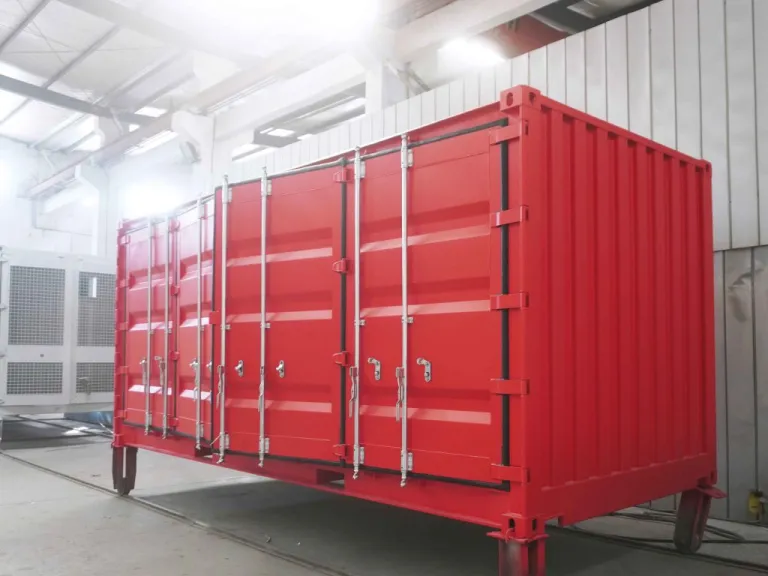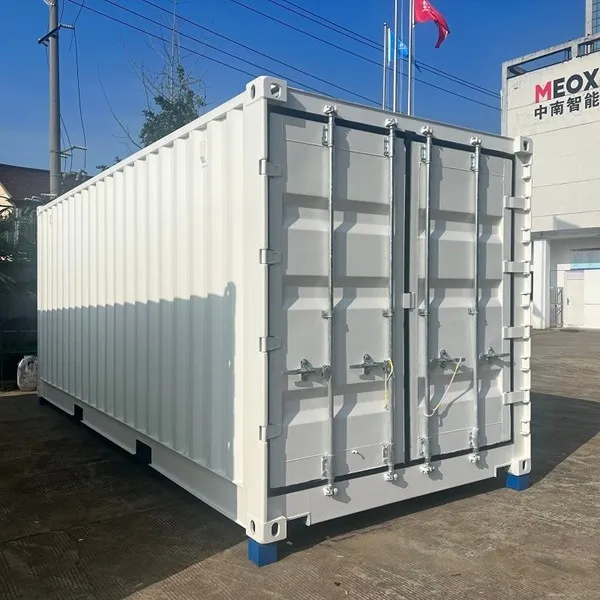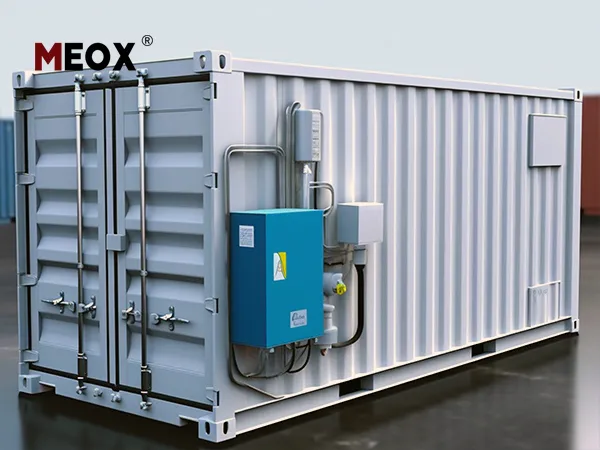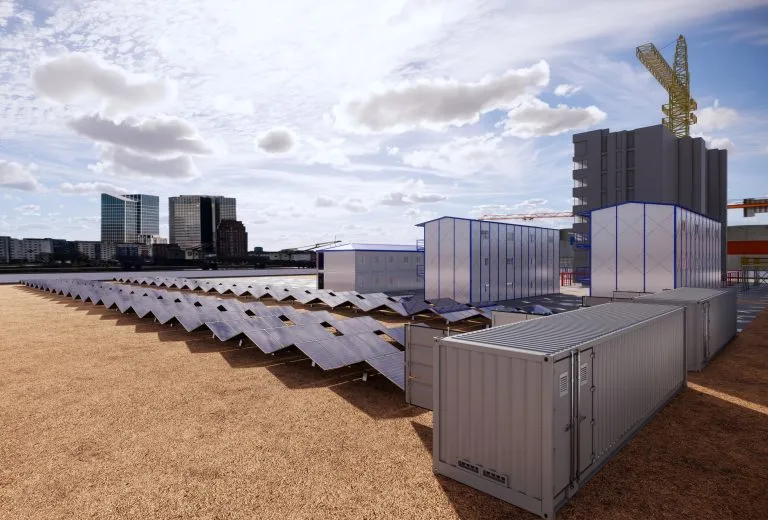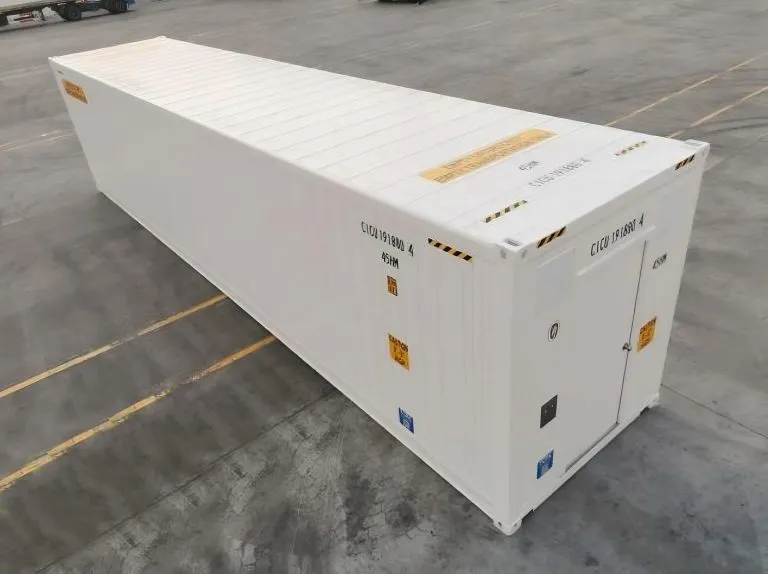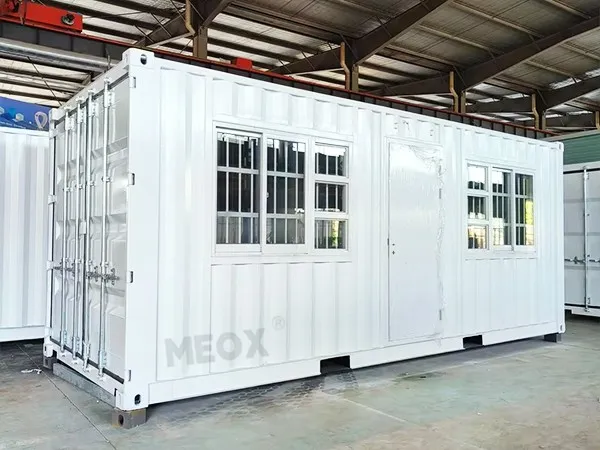
In the ever – evolving landscape of water treatment,containerized reverse osmosis plantshave emerged as a pivotal solution, bridging the gap betweencontainerized water treatment plantsandcontainerized wastewater treatment plants. Their efficient operation is crucial for ensuring access to clean and safe water across various applications.
Pre – treatment Operations in Containerized Reverse Osmosis Plants
Pre – treatment is the cornerstone of successful operation incontainerized reverse osmosis plants. Incontainerized water treatment plants, incoming water often contains suspended solids, sediment, and organic matter. Filtration systems, including multi – media filters and cartridge filters, are employed to remove these contaminants. Coagulation and flocculation processes may also be integrated to aggregate smaller particles, making them easier to filter out. Forcontainerized wastewater treatment plants, more elaborate pre – treatment steps are necessary. This can involve primary sedimentation to remove large debris, followed by advanced oxidation processes to break down complex organic compounds. Proper pre – treatment not only protects the reverse osmosis membranes incontainerized reverse osmosis plantsbut also improves the overall efficiency and lifespan of the treatment system.
Reverse Osmosis Process in Containerized Reverse Osmosis Plants
The reverse osmosis process lies at the heart ofcontainerized reverse osmosis plants. Under high pressure, water is forced through semi – permeable membranes that selectively allow water molecules to pass while blocking dissolved salts, heavy metals, and microorganisms. In bothcontainerized water treatment plantsandcontainerized wastewater treatment plants, these membranes work relentlessly to produce purified water. The design and quality of the membranes are critical factors in determining the effectiveness of the treatment. Regular monitoring of parameters such as transmembrane pressure, flow rate, and salt rejection rate is essential to ensure the optimal performance ofcontainerized reverse osmosis plantsand to detect any signs of membrane fouling or degradation.
Post – treatment Operations in Containerized Reverse Osmosis Plants
Post – treatment is a vital stage in the operation ofcontainerized reverse osmosis plants. Incontainerized water treatment plantsproducing potable water, disinfection is a key post – treatment step. Chlorination, ultraviolet (UV) irradiation, or ozonation may be used to eliminate any remaining microorganisms and ensure the water is safe for consumption. Forcontainerized wastewater treatment plants, additional processes may be required to meet discharge or reuse standards. This can include adjusting the pH level, removing any residual contaminants, and ensuring that the treated water complies with environmental regulations. Quality control measures, such as regular sampling and analysis of treated water, are carried out to verify that the output ofcontainerized reverse osmosis plants meets the required specifications.
Energy Management in Containerized Reverse Osmosis Plants
Energy management is a significant aspect of operatingcontainerized reverse osmosis plants. These plants, whether part ofcontainerized water treatment plantsorcontainerized wastewater treatment plants, consume substantial energy, primarily for the high – pressure pumps that drive the reverse osmosis process. Implementing energy – saving technologies, such as variable – speed drives for pumps and energy – recovery devices, can significantly reduce energy consumption. Optimizing the plant’s operation based on real – time water demand and conducting regular maintenance of energy – consuming equipment can also enhance energy efficiency. By effectively managing energy use,containerized reverse osmosis plantscan operate more sustainably and cost – effectively.
Containerized Reverse Osmosis Plant FAQS
How does pre – treatment impact the operation of containerized reverse osmosis plants?
Inadequate pre – treatment incontainerized water treatment plantsorcontainerized wastewater treatment plantscan lead to membrane fouling incontainerized reverse osmosis plants. Suspended solids, organic matter, and other contaminants can clog the membranes, reducing their efficiency and lifespan. Proper pre – treatment ensures the membranes operate at peak performance, minimizing maintenance and replacement costs.
What are the key indicators of membrane failure in containerized reverse osmosis plants?
Key indicators of membrane failure incontainerized reverse osmosis plantsinclude a significant increase in transmembrane pressure, a decrease in water flow rate, and a decline in salt rejection rate. These signs suggest that the membranes incontainerized water treatment plantsorcontainerized wastewater treatment plantsare no longer functioning optimally and may require cleaning, repair, or replacement.
Can containerized reverse osmosis plants operate continuously in containerized wastewater treatment plants?
Containerized reverse osmosis plantsincontainerized wastewater treatment plantscan operate continuously, but regular maintenance and monitoring are essential. Continuous operation may lead to membrane fouling and increased energy consumption. Periodic cleaning, membrane replacement, and equipment servicing are necessary to ensure the long – term reliability and efficiency of the plants.
How can energy consumption be reduced in containerized reverse osmosis plants?
Energy consumption incontainerized reverse osmosis plantscan be reduced by using energy – efficient pumps, installing energy – recovery devices, and optimizing the operation ofcontainerized water treatment plantsandcontainerized wastewater treatment plantsbased on water demand. Implementing smart control systems that adjust the plant’s operation in real – time can also contribute to significant energy savings.
What are the differences in operation between containerized water treatment plants and containerized wastewater treatment plants using reverse osmosis?
Containerized water treatment plantstypically start with relatively cleaner water sources, so pre – treatment may be less complex. In contrast,containerized wastewater treatment plantsrequire more extensive pre – treatment to remove a wide range of contaminants. Additionally, post – treatment incontainerized wastewater treatment plantsoften focuses on meeting strict environmental discharge standards, whilecontainerized water treatment plantsprioritize producing potable water with specific quality requirements for human consumption.