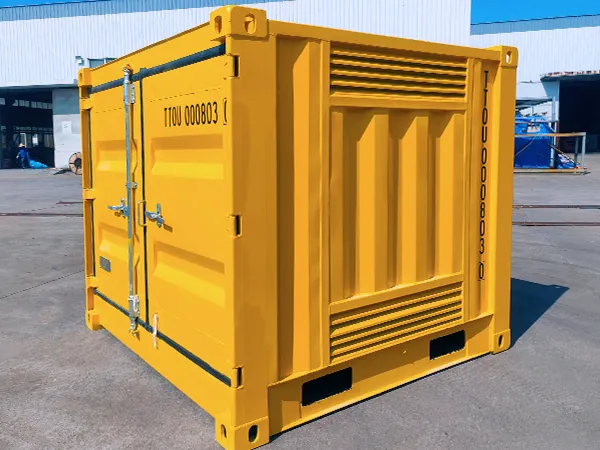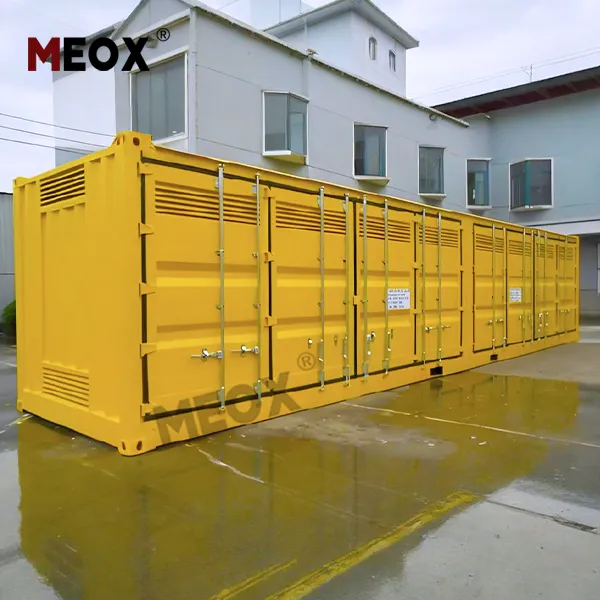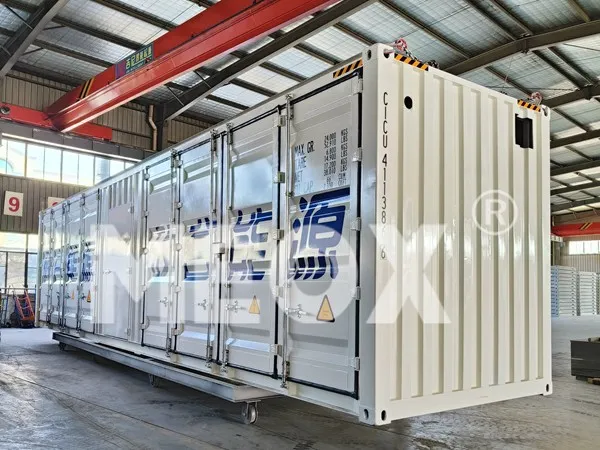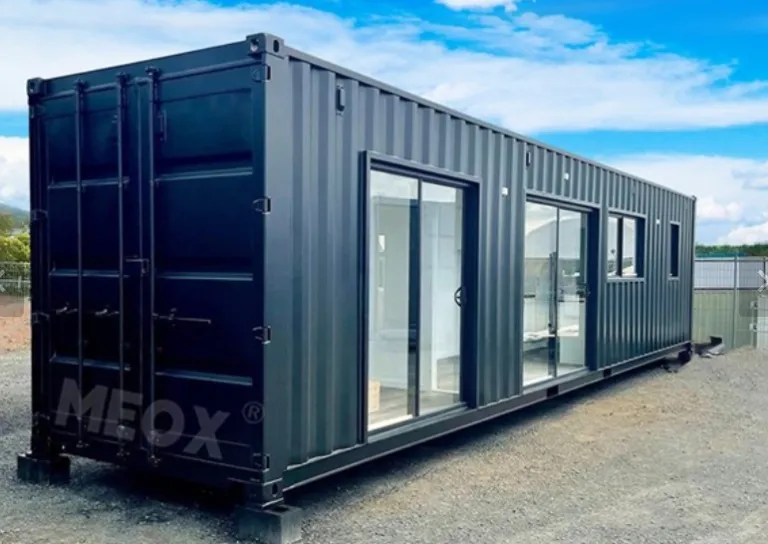
The offshore industry’s operational integrity hinges on robust container solutions capable of enduring extreme environmental challenges. At the core of this reliability are offshore container certificationand adherence to DNV container specifications, two pillars that safeguard safety, regulatory compliance, and logistical efficiency. This article delves into how these standards shape the design, deployment, and procurement of critical offshore assets, offering insights for stakeholders in the sector.
Core Elements of DNV Container Specifications for Offshore Use
DNV’s container specificationsserve as a benchmark for offshore container excellence, integrating rigorous design, material, and testing criteria. These standards mandate containers to resist corrosion from saltwater, withstand hurricane-force winds, and maintain structural integrity under dynamic loads—critical for offshore environments where failure could lead to catastrophic consequences.
Material selection under DNV container specificationsprioritizes durability, often requiring galvanized steel or specialized alloys to combat marine corrosion. Testing protocols include drop tests from 6 meters, pressure cycling to simulate ocean transport, and thermal resistance evaluations for extreme temperature zones. By embedding these specifications into manufacturing, to ensure their solutions deliver uncompromised performance in oil rigs, wind farms, and other offshore installations.
The Vital Role of Offshore Container Certification in Safety Assurance
Offshore container certificationis the formal validation process ensuring containers meet DNV’s exacting standards. This certification is not just a compliance checkbox but a risk management tool, providing assurance that containers have undergone thorough design reviews, factory acceptance tests, and operational simulations. For operators, certified containers reduce downtime by minimizing inspection failures at ports and rig sites, where non-compliant equipment is often rejected outright.
The certification journey begins with design approval, where engineers assess load-bearing capacities and structural blueprints. Post-manufacturing, each container undergoes non-destructive testing, such as ultrasonic weld inspections, and functional tests like water tightness trials. Once certified, these containers carry a unique identification code linked to their compliance history, enabling traceability throughout their lifecycle. This process is indispensable for industries where safety and operational continuity are non-negotiable.
Purchasing Strategies for Reliable DNV Containers for Sale in the Market
Acquiring DNV containers for salerequires a strategic approach to navigate a market where not all offshore-labeled containers meet DNV’s benchmarks. Prospective buyers must verify two core credentials: valid offshore container certificationand explicit compliance with DNV container specifications. Reputable manufactures provide detailed technical dossiers, including DNV-issued certificates, material traceability reports, and test data sheets, to validate their products’ suitability for offshore use.
Evaluating manufactures capabilities extends beyond certification: consider their experience in modular container design for specialized cargo, such as explosive materials or sensitive electronics. Containers destined for arctic regions, for example, may require thermal insulation upgrades certified under DNV’s environmental stress protocols. Post-purchase support is equally critical—manufactures should offer maintenance programs aligned with DNV’s recertification guidelines, ensuring containers remain compliant throughout their operational lifespan. Investing in certified solutions mitigates long-term risks, from regulatory fines to safety incidents, making them a prudent choice for offshore stakeholders.
Demystifying Offshore Container Certification A Comprehensive Guide
In the realm of Offshore Container Certification, maritime and offshore experts require a clear roadmap to ensure operational efficiency and regulatory adherence. Key to this process is comprehensive documentation, which serves as the foundation for a successful certification journey. From detailed design specifications and material traceability records to maintenance logs and test reports, every piece of paperwork plays a crucial role in demonstrating compliance with international standards.
Systematic re-certification cycles are another cornerstone of Offshore Container Certification. Regular inspections, both internal and external, help identify wear and tear, structural integrity issues, and potential safety hazards. These assessments, carried out at predefined intervals, ensure that containers remain in optimal condition throughout their lifecycle.
Offshore Container Certification FAQS
Why is offshore container certification non-negotiable for offshore operations?
Offshore container certificationguarantees containers meet DNV’s safety and performance benchmarks, essential for operating in environments where equipment failure poses significant risks to personnel and assets. It also ensures compliance with global maritime regulations, facilitating seamless logistics across international offshore sites.
What distinguishes DNV container specifications from general industrial container standards?
DNV container specificationsare uniquely tailored to offshore hazards, incorporating stricter corrosion resistance, impact tolerance, and environmental control requirements. Unlike generic standards, they mandate testing for salt fog, seismic activity, and prolonged UV exposure, ensuring suitability for the harshest offshore conditions.
How can buyers confirm the authenticity of DNV containers for sale?
Buyers should request DNV-issued certification documents, which include a unique approval number verifiable on DNV’s public registry. Legitimate DNV containers for salewill also have permanent markings and detailed maintenance manuals aligned with DNV’s operational guidelines.
Do DNV offshore containers require specialized maintenance to retain certification?
Yes, DNV offshore containersneed periodic maintenance as outlined in DNV’s service manuals, including structural inspections, coating repairs, and functional tests. Regular upkeep ensures they continue to meet offshore container certificationrequirements and extend their operational life in corrosive environments.
Can modified DNV containers for sale retain their certification?
Modifications to DNV offshore containers, such as adding internal racking or ventilation systems, must be approved by DNV to maintain certification. Unapproved alterations can void compliance, highlighting the need for professional engineering oversight when customizing certified containers.
In the offshore sector, offshore container certificationand DNV container specificationsare indispensable for ensuring safety, compliance, and operational resilience. These standards elevate certified solutions beyond ordinary storage containers, providing a trusted foundation for transporting critical assets in hostile environments. As stakeholders evaluate procurement options, prioritizing certified products from reputable manufactures ensures alignment with industry best practices and mitigates the risks of non-compliance.
This article underscores the importance of offshore container certificationin defining the reliability of offshore container solutions. It outlines key considerations for purchasing DNV containers for sale, emphasizing the need for rigorous compliance and manufactures due diligence.