In the realm of logistics and industrial safety,hazmat shipping boxesplay a pivotal role in ensuring the secure transportation of hazardous materials. These specialized solutions are designed to mitigate risks associated with chemicals, flammable substances, and other dangerous goods, adhering to strict regulatory standards. Understanding their features, requirements, and best practices is essential for industries dealing with hazardous materials, as non-compliance can lead to severe safety hazards, environmental damage, and legal consequences. This article explores the key aspects ofhazmat shipping boxes, including their design, compliance frameworks, and integration with dangerous goods containers, providing insights into maintaining safety and operational integrity.

The Design and Function of Hazmat Shipping Boxes
Hazmat shipping boxesare engineered to withstand the rigors of transportation while containing hazardous materials safely. These boxes are constructed from durable materials such as corrugated fiberboard, plastic, or wood, often with inner linings or partitions to prevent leakage and protect against impacts. Key design considerations include resistance to chemicals, moisture, and temperature fluctuations, as well as compliance with international shipping regulations.
One critical feature ofhazmat shipping boxesis their ability to provide primary and secondary containment. Primary containment ensures the hazardous material remains sealed, while secondary containment acts as an additional barrier in case of leaks. Many boxes also include labeling and marking systems to clearly indicate the contents, hazard class, and handling instructions, which are essential for safe handling by logistics personnel. Proper use ofhazmat shipping boxesminimizes the risk of spills, leaks, or exposure during transit, safeguarding both human health and the environment.
Safety and Compliance with Dangerous Goods Containers
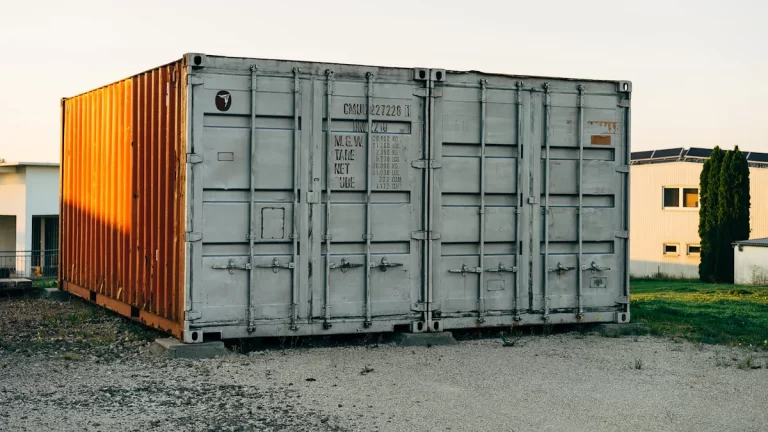
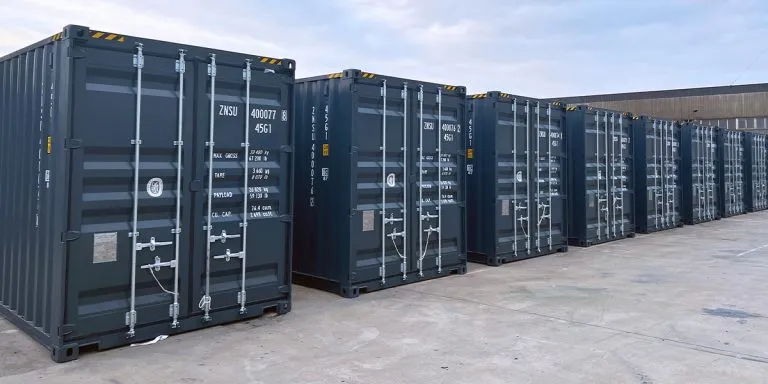
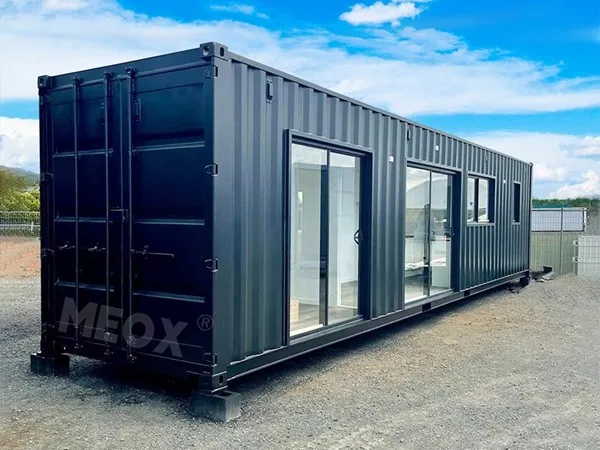
Dangerous goods containersencompass a broader category of packaging solutions, including tanks, drums, and intermodal containers used for transporting and storing hazardous materials. These containers must meet specific requirements to ensure they can safely hold substances such as flammable liquids, corrosive chemicals, or explosive materials.
Testing protocols fordangerous goods containersinclude pressure tests, drop tests, and leak-proof assessments to verify their integrity under various conditions. Additionally, containers must be properly inspected and certified before each use, with documentation maintaining a record of their compliance history. Using uncertified or damageddangerous goods containersposes significant risks, as it can lead to catastrophic failures during transportation or storage, resulting in environmental spills, fires, or explosions.
Best Practices for Dangerous Goods Storage Containers
Dangerous goods storage containersare designed for long-term or temporary storage of hazardous materials, requiring strict adherence to safety and environmental regulations. These containers must be located in designated storage areas that are well-ventilated, fire-resistant, and separated from populated zones or sensitive ecosystems. Material compatibility is a key consideration, as storing incompatible substances together can cause chemical reactions, leaks, or explosions.
Proper labeling and inventory management are essential fordangerous goods storage containers, ensuring that each container’s contents, hazards, and handling procedures are clearly documented. Regular inspections for signs of wear, corrosion, or damage are necessary to maintain container integrity, and any compromised containers must be immediately removed from service. Additionally, emergency response plans should be in place to address potential leaks or spills fromdangerous goods storage containers, including access to spill kits, personal protective equipment, and communication protocols for notifying relevant authorities.
Meeting Dangerous Goods Container Requirements Internationally
Dangerous goods container requirementsvary by region and mode of transportation, but international standards provide a unified framework for compliance.Regulations specify strict limits on container types and packaging levels for different hazard classes.Complying withdangerous goods container requirementsinvolves not only selecting the right containers but also ensuring proper training for personnel handling them. This includes understanding labeling conventions, loading and unloading procedures, and emergency protocols. Failure to meet these requirements can result in shipment delays, fines, or bans from transporting hazardous materials, impacting corporate reputations. Staying informed about evolving regulations and investing in certified containers are crucial steps for industries reliant on safe hazardous materials management.
Hazmat Shipping Boxes FAQs
How to Choose the Right Hazmat Shipping Boxes for Specific Hazardous Materials?
Selectinghazmat shipping boxesrequires assessing the material’s hazard class, physical state, and transportation mode. Consult regulatory guides like the United Nations Manual to identify approved packaging types, ensuring the box meets strength, containment, and compatibility standards for the specific substance.
What Are the Key Inspections for Dangerous Goods Storage Containers?
Inspections fordangerous goods storage containersshould check for structural integrity, seal tightness, corrosion, and compliance certifications. Regularly review labels for clarity and update inventory records to reflect any changes in contents or storage duration.
Can Dangerous Goods Containers Be Used for Multiple Hazard Classes?
Dangerous goods containerscan often be reused, but only for compatible hazard classes. Always clean and inspect containers thoroughly between uses, and ensure they meet the specific requirements for the new substance, including labeling and certification updates.
What Are the Consequences of Non-Compliance with Dangerous Goods Container Requirements?
Non-compliance withdangerous goods container requirementscan lead to legal penalties, shipment rejections, environmental damage, and safety incidents. It may also result in liability for any damages or injuries caused by improper container use.
How to Ensure Safety During the Transportation of Hazmat Shipping Boxes?
Safety during transportation ofhazmat shipping boxesinvolves proper securing within vehicles, following route restrictions for hazardous materials, and ensuring drivers are trained in emergency procedures. Use approved packaging and clearly display hazard labels to facilitate safe handling at all stages.
In summary,hazmat shipping boxesare indispensable for safe hazardous materials management. Their design, compliance with regulations, and proper integration withdangerous goods containersare critical for preventing accidents and protecting both people and the environment.Industries must prioritize understanding container requirements and investing in certified solutions to maintain operational safety and regulatory adherence. By integrating best practices for selection, inspection, and use, organizations can mitigate risks and ensure the secure handling of hazardous materials throughout their lifecycle.
This article explores the essential role ofhazmat shipping boxesin safely managing hazardous materials, discussing their design features, compliance with international standards, and integration withdangerous goods containers. It highlights the importance of meeting storage and transportation requirements to prevent safety incidents and environmental harm. Proper selection, inspection, and adherence to global regulations are key to minimizing risks and ensuring the secure handling of hazardous materials in logistics and industrial operations.