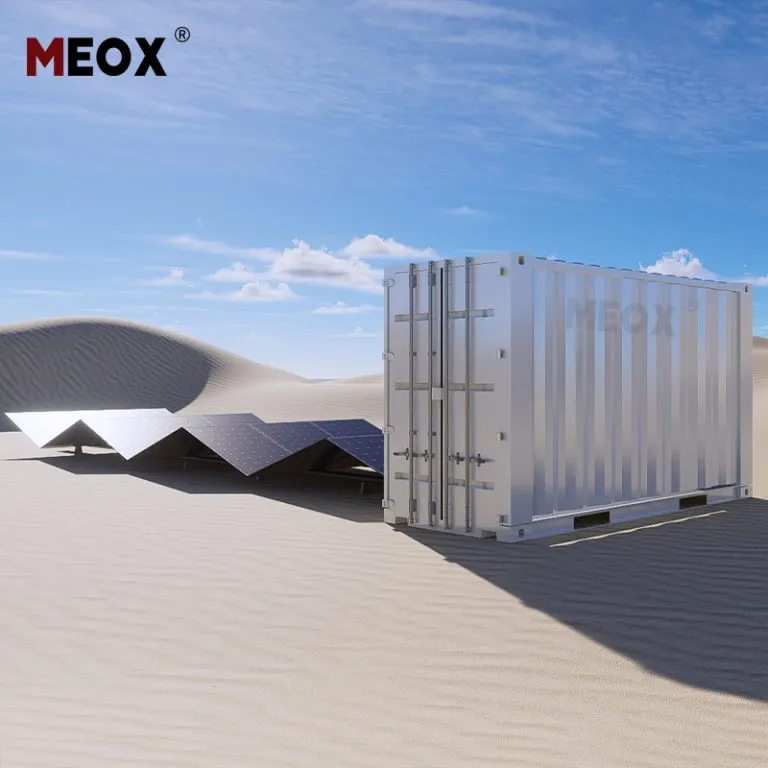
Choosing the right container for hazardous materials keeps your business safe. It helps prevent risk and loss. Many industrial accidents happen because people use the wrong hazardous shipping containers. Sometimes, they pick the wrong type of container. The table below shows how often bad storage or shipping container choices cause hazardous incidents:
Aspect | Statistic | Explanation |
|---|---|---|
Percentage of container ship fatalities involving packaged dangerous goods (1998–2008) | 15% | Accidents with packaged dangerous goods caused about 15% of all deaths in container ship accidents during this time. |
Proportion of releases caused by pre-transport faults (US events) | 97% | Most hazardous material leaks happened because of mistakes during preparation, packaging, stuffing containers, and loading. This means people used the wrong storage or container. |
Proportion of releases caused by pre-transport faults (UK events) | 94% | This is almost the same as the US data. It shows that most problems come from bad handling before transport. |
Fatal accidents involving dangerous goods as a share of fatal container ship accidents | 27% | Out of all deadly container ship accidents, 27% involved dangerous goods. These were often caused by self-ignition or wrong information. |

You must match the right container type to your hazardous waste. Dangerous goods containers help you follow the rules and save money. Picking the right one makes things safer. It also makes sure your hazardous shipping containers work well.
Key Takeaways of Hazardous Shipping Containers
First, find out what hazardous materials you have and pick containers that fit their type and risks. This helps keep your business safe.
Use certified shipping containers and label them clearly. Follow all rules and keep good records. This helps you avoid fines and accidents.
Check your hazardous shipping containers often. Fix or replace any that are damaged. This stops leaks, spills, and dangerous problems.
Identify Hazardous Materials and Compliance

You need to know what hazardous materials you have before picking hazardous shipping containers. The Department of Transportation and Environmental Protection Agency have strict rules for this. Each hazardous waste container must fit the type of hazardous waste you have. Look at the table below to see how DOT and EPA sort hazardous materials and which containers you should use:
Hazardous Material Category | DOT Hazard Class | Examples | Specialized Container Types | Associated Risks |
|---|---|---|---|---|
Flammable Liquids | Class 3 | Gasoline, ethanol | Steel drums, DOT-approved hazardous waste containers | Fire, explosion |
Corrosive Substances | Class 8 | Sulfuric acid | Plastic drums, corrosion-resistant tanks | Chemical burns |
Toxic Substances | Class 6 | Pesticides | Sealed drums, biohazard containers | Poisoning |
Compressed Gases | Class 2 | Propane | High-pressure cylinders | Explosion |
Hazardous Waste Container Classification
Pick the right hazardous waste container for each kind of hazardous waste. Some common choices are 55-gallon drums, tanks, and containment buildings. DOT-approved hazardous waste containers help you move hazardous waste safely. For flammable liquids, use steel drums or tanks that meet DOT rules. Always check if your hazardous waste container is safe and fits your hazardous waste management plan.
Regulatory Requirements for Hazardous Shipping Container Use
You must follow the rules when moving hazardous waste. Federal and state laws say you need dot-approved hazardous waste shipping containers, correct labels, and good records. You have to use the “cradle-to-grave” tracking system. If you do not follow the rules, you could get big fines, up to $175,000 for serious mistakes. New rules say you need clear labels, regular checks, and the right way to throw things away. Dangerous goods containers with special features can help you follow these rules. Always look at your shipping container for leaks or damage before using it. This keeps your hazardous waste management safe and legal.
Choosing the Right Hazardous Shipping Container

Material and Compatibility of Hazardous Shipping Containers
When you pick a hazardous waste container, first learn about your hazardous waste. The container material must match the hazardous material you use. Steel is good for flammable liquids. Corrosive acids need plastic or lined steel. Using the wrong material can cause leaks or explosions.
Here is a table to help you pick the right container material for each hazardous waste type:
Chemical Group | Storage Guidelines and Container Compatibility |
|---|---|
Flammable liquids | Use steel drums or flammable liquid cabinets. Store away from bases and volatile poisons. |
Compressed gases | Use high-pressure cylinders. Keep oxygen away from flammable gases. |
Volatile poisons | Store in ventilated cabinets. Can go with flammables if no bases. |
Acids (oxidizing and non-oxidizing) | Use non-corrosive containers. Double containment for oxidizing acids. Keep away from bases and reactive metals. |
Liquid bases | Use tubs or trays. Do not store with acids. Can go with flammables if no volatile poisons. |
Liquid oxidizers | Double containment in ventilated cabinets. These are very reactive and can explode. |
Non-volatile liquid poisons | Double contain if over 1 liter. Store in normal cabinets. Keep away from other materials. |
Metal hydrides and pyrophorics | Use waterproof double containers. Keep away from water. Have a Type D fire extinguisher close by. |
Dry solids | Store above liquids. Double containment is best. Watch for explosive solids like picric acid. |
Always check if your hazardous waste matches the container material. This step stops dangerous reactions and keeps everyone safe. Many companies use polyethylene for corrosive substances. Steel is used for flammable liquids. If you need something special, you can ask for containers with extra linings or coatings.
Size and Type of Hazardous Waste Storage Container
Picking the right size container is important for safety and cost. The amount and kind of hazardous waste you have will help you choose the best container. If your container is too small, it might spill. If it is too big, you waste money and space.
Here is a table to help you pick the right size and type of container:
Factor | Details |
|---|---|
Waste Amount | Affects container size. Flammable liquids have strict size rules. |
Container Material | Corrosive wastes need plastic or lined steel. Use steel drums for non-corrosive liquids. |
Container Size | Choices: 5-, 10-, 20-, 30-, 55-gallon drums; IBCs up to 550 gallons; boxes for solids. |
Chemical Compatibility | Keep incompatible wastes apart to stop explosions or toxic fumes. |
Temperature Effects | Leave space for expansion or shrinking from temperature changes. |
Container Inspection | Check for dents, leaks, and tight seals often. |
Regulatory Compliance | Use DOT-approved containers for shipping. |
Common hazardous waste storage shipping container types are:
Plastic tight head drums: For corrosive or flammable liquids.
Plastic open top drums: For corrosive or toxic solids.
Metal tight head drums: For most hazardous materials except corrosives.
Metal open top drums: For flammable or toxic solids.
Intermediate Bulk Containers (IBCs): For large amounts, up to 550 gallons.
Always match the container to the waste type and amount. For example, a chemical plant may use 55-gallon steel drums for solvents. They may use 330-gallon IBCs for bulk acids. You can get containers with special doors, linings, or shelves to fit your needs.
Labeling and Marking for Hazardous Shipping Containers
You must label hazardous waste the right way to follow OSHA, DOT, and international rules. Labels help workers and emergency teams know what is inside each container. If you do not label hazardous waste storage containers right, you could get fined or have accidents.
Key labeling rules are:
Use HCS 2012 labels with hazard pictures, signal words, and safety tips.
Show the correct hazard class (explosives, gases, flammable liquids, oxidizers, toxic substances, radioactive materials, corrosives, other hazards).
Put labels on a background that stands out in English. Labels must last and not be covered up.
Use diamond-shaped labels with a solid border. Hazard class numbers must be between 0.25 and 0.5 inches tall.
Attach a permanent, fireproof CSC plate for international shipping. This plate shows you follow ISO and CSC rules.
You must also label hazardous waste with generator info, dates, and manifest numbers. This helps you follow the rules and track hazardous waste from start to finish.
Inspection and Maintenance of Hazardous Shipping Containers
Check and fix your hazardous shipping containers often to keep them safe. Many accidents happen because containers are damaged or not cared for. Look for these problems:
Broken doors or locks from rough handling or theft
Dents, cracks, rust, or holes from use or accidents
Corrosion from moisture inside the container
Damaged seals, gaskets, or valves
Leaks, bad smells, stains, or mold inside
Broken floorboards or bent parts
Problems with temperature or pressure controls in special containers
Tip:
Always write down your inspections and repairs. Fix or replace any container that is damaged. This lowers risk and helps you avoid fines or insurance trouble.
New hazardous shipping containers often have better safety features. Many have natural ventilation, coatings that stop rust, and strong locks. These features help stop gas buildup, leaks, and break-ins.
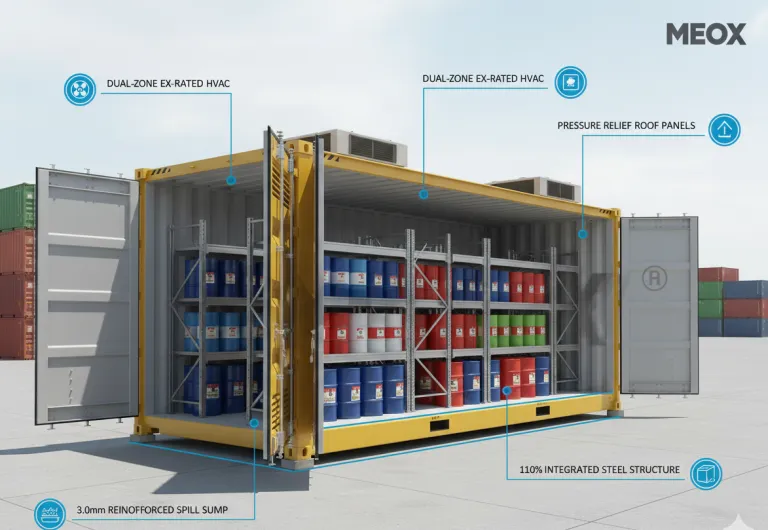
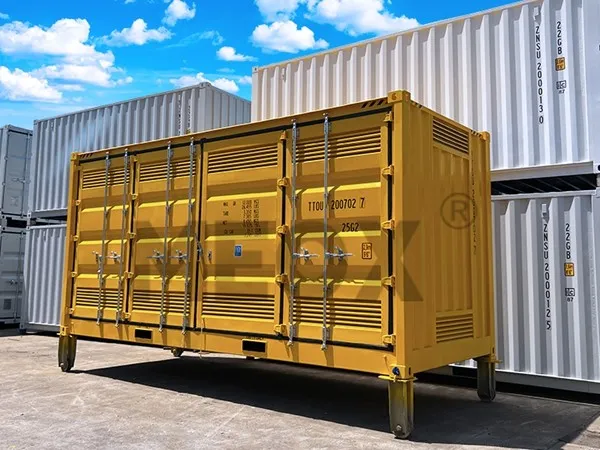
MEOX Dangerous Goods Containers use strong marine paint to stop rust. Their vents let air flow through, so dangerous gases do not build up. These containers meet or beat international safety rules like IMDG, IATA, ADR, and CSC.
If you have problems like broken doors, rust, or bad seals, call your supplier for help. Many companies offer repair help and spare parts to keep your container working well.
Picking the right hazardous shipping container keeps your business and workers safe.
Here are some easy steps to follow:
Find out what hazardous materials you have and read their safety data.
Look at hazardous rules and pick certified containers.
Make sure hazardous shipping containers have clear labels.
Check hazardous shipping containers often for any problems.
Teach workers how to handle hazardous materials safely.
Ask experts if you need help with hazardous rules.
Pick strong hazardous containers that you can change if needed.
Always keep hazardous records up to date.
Put hazardous goods in a safe place.
Tell someone right away if you see hazardous problems.
Certified hazardous containers save money, stop hazardous accidents, and help you follow hazardous rules. Getting help from experts makes it easier to fix hazardous issues and stay safe.
FAQ
What should you do if your hazardous shipping container shows signs of damage?
Stop using the hazardous container right away. Put the hazardous materials in a safe container. Call your supplier to fix or replace the damaged container.
How often should you inspect hazardous shipping containers?
Check hazardous containers before you use them each time. Look for leaks, rust, or broken parts. Checking often helps stop spills and keeps everyone safe.
Can you store different hazardous materials in the same hazardous shipping container?
Never put different hazardous materials in one shipping container. Mixing them can cause dangerous reactions. Always use a separate hazardous container for each type.
Tip: Always follow your local hazardous waste rules. This keeps your team safe and helps you avoid fines.
Common Hazardous Container Issues | Solution |
|---|---|
Leaks or corrosion | Get a new hazardous shipping container right away |
Broken locks or doors | Ask for help from your supplier |
Faded hazardous labels | Put on new, easy-to-read labels |