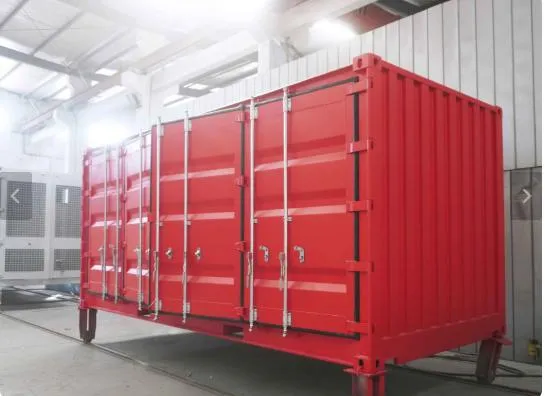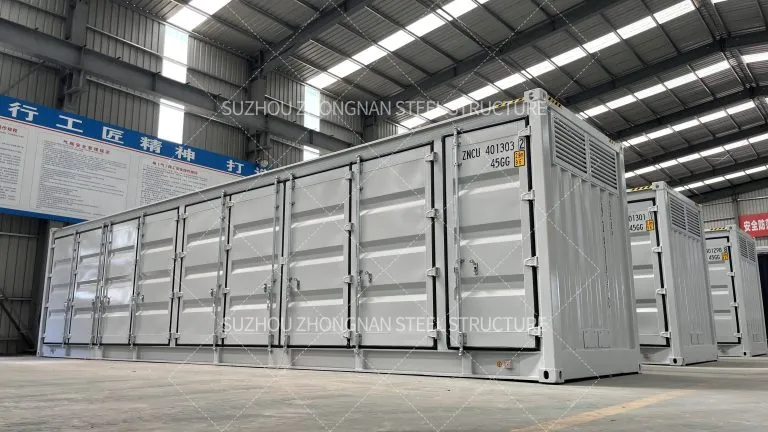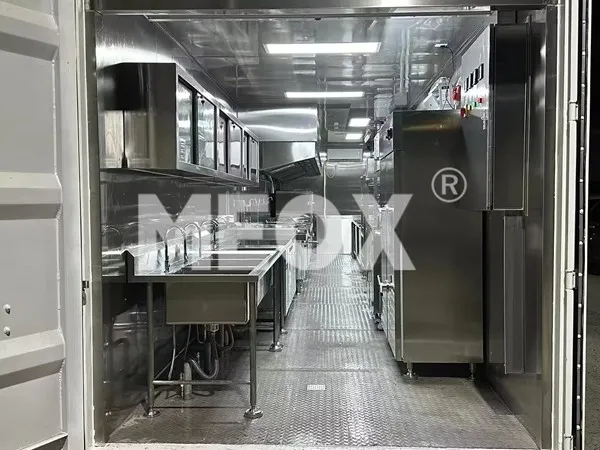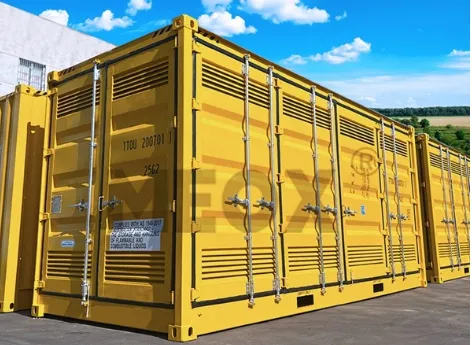
A shipping container outdoor kitchenhas become a popular choice for outdoor dining spots, event venues, and commercial food setups—offering durability, flexibility, and a unique aesthetic. However, maintaining comfortable temperatures in these outdoor kitchens (whether a compact shipping container kitchenor a large shipping container commercial kitchen) is critical for both food safety and user comfort. Suzhou Zhongnan Intelligent Equipment Co., Ltd., a leading manufacturer of special and standard containers, specializes in designing custom shipping container kitchensolutions with integrated heating and cooling systems. With complete manufacturing equipment and a professional team, they craft kitchens tailored to diverse outdoor conditions, ensuring optimal functionality year-round. As a trusted partner for wholesalers, they prioritize heating and cooling designs that balance efficiency, cost-effectiveness, and adaptability. This article explores key heating and cooling solutions for shipping container outdoor kitchenmodels, helping wholesalers guide clients toward comfortable, high-performing outdoor culinary spaces.
Heating Solutions for Shipping Container Outdoor Kitchen
- Ductless Mini-Split Heaters for Shipping Container Kitchen: A shipping container kitchenin mild to cool climates benefits from ductless mini-split heaters—compact, energy-efficient units that mount on the container wall. These heaters distribute warm air evenly throughout the space, with adjustable thermostats to maintain temperatures between 18–24°C (ideal for food preparation). Wholesalers can note that Suzhou Zhongnan pre-installs the necessary electrical wiring and mounting brackets for these heaters, simplifying on-site setup for shipping container outdoor kitchenprojects.
- Radiant Floor Heating for Shipping Container Commercial Kitchen: A shipping container commercial kitchen(with heavy foot traffic and food prep areas) often uses radiant floor heating—installed under the kitchen’s flooring (e.g., tile or stainless steel). This system heats the floor directly, keeping surfaces warm and comfortable for staff while avoiding drafts that can cool food. For outdoor kitchens in colder regions, radiant heating is especially effective, as it doesn’t blow hot air around (which can be lost to open outdoor spaces). Suzhou Zhongnan integrates this heating into the container’s floor structure, ensuring it’s durable enough to withstand commercial use.
- Propane Space Heaters for Portable Shipping Container Outdoor Kitchen: A portable shipping container outdoor kitchen(used for events or temporary setups) may use propane space heaters—compact, fuel-powered units that require no electrical connection. These heaters are easy to move and store, making them ideal for pop-up shipping container kitchenmodels. Suzhou Zhongnan designs dedicated storage compartments for propane tanks within the container, keeping them safe and out of the way while ensuring easy access for refueling.
Cooling Solutions for Shipping Container Commercial Kitchen
- High-Efficiency Air Conditioners for Shipping Container Commercial Kitchen: A shipping container commercial kitchen(with heat-generating appliances like stoves or fryers) needs powerful air conditioners—often 12,000–24,000 BTU units—to keep temperatures between 20–25°C. These AC units are mounted on the container’s roof or wall, with ducting to direct cool air to key areas (e.g., food prep stations, refrigeration zones). Suzhou Zhongnan selects AC units with weather-resistant casings, ensuring they withstand outdoor elements like rain or dust for shipping container outdoor kitchenuse.
- Evaporative Coolers for Shipping Container Kitchen: In dry, hot climates (e.g., deserts or sunny coastal areas), a shipping container kitchencan use evaporative coolers—systems that cool air by evaporating water. These units are more energy-efficient than ACs and work well in open-air shipping container outdoor kitchensetups (e.g., with roll-up doors). They add a small amount of humidity to the air, which is beneficial for preventing food from drying out. Suzhou Zhongnan’s evaporative coolers are sized to the container’s square footage, ensuring optimal cooling without wasting energy.
- Ventilation Fans for Shipping Container Outdoor Kitchen: Even with AC or evaporative coolers, a shipping container outdoor kitchenneeds ventilation fans to remove hot air from appliances and cooking activities. These fans are installed above stoves or grills, with ducting that vents hot air outside the container. For commercial models, Suzhou Zhongnan adds high-powered exhaust fans that can quickly clear smoke or steam—critical for maintaining a comfortable, safe workspace for staff in shipping container commercial kitchensetups.
Heating and Cooling Adaptations for Different Shipping Container Kitchen Uses
| Shipping Container Kitchen Use Case | Heating/Cooling Requirement | Best System Combination |
| Event Pop-Up Kitchen | Portable, quick-to-setup heating/cooling. | Propane heater + evaporative cooler for shipping container outdoor kitchen. |
| Year-Round Commercial Kitchen | Consistent heating/cooling; durable for heavy use. | Radiant floor heating + high-efficiency AC for shipping container commercial kitchen. |
| Mild-Climate Outdoor Café Kitchen | Light heating; energy-efficient cooling. | Ductless mini-split heater + small AC for shipping container kitchen. |
| Dry-Region Food Truck Style Kitchen | Low-humidity cooling; no electrical reliance. | Evaporative cooler + propane heater for shipping container outdoor kitchen. |
This table helps wholesalers match heating/cooling systems to shipping container kitchenuse cases, ensuring clients get solutions tailored to their climate and operational needs.
Energy Efficiency and Cost-Saving Tips for Shipping Container Outdoor Kitchen
- Insulation Upgrades for Shipping Container Kitchen: Proper insulation is the foundation of energy-efficient heating and cooling for a shipping container kitchen. Suzhou Zhongnan adds closed-cell spray foam insulation to the container’s walls, roof, and floor—this material blocks heat transfer (keeping cold air in during summer and warm air in during winter), reducing the workload on heating/cooling systems. For shipping container outdoor kitchenmodels, insulation also helps muffle noise from appliances, creating a more pleasant environment for staff and customers.
- Smart Thermostats for Shipping Container Commercial Kitchen: A shipping container commercial kitchencan use smart thermostats to optimize heating and cooling—these devices automatically adjust temperatures based on usage (e.g., lowering heat during off-hours, increasing AC during peak cooking times). Some thermostats even allow remote control via a phone app, letting staff adjust settings without being on-site. Suzhou Zhongnan integrates these thermostats into the kitchen’s control panel, making it easy for clients to monitor and reduce energy costs for their shipping container commercial kitchen.
- Passive Cooling/Heating Features for Shipping Container Outdoor Kitchen: A shipping container outdoor kitchencan leverage passive features to reduce energy use—like installing awning over windows (to block sunlight and cool the interior) or using heat-reflective paint on the container’s exterior (to repel solar heat). For heating, south-facing windows (in northern hemispheres) can let in natural sunlight to warm the space during the day. Suzhou Zhongnan incorporates these passive features into custom shipping container kitchendesigns, helping clients save on long-term energy bills.
Shipping Container Kitchen FAQS
Can Heating and Cooling Systems Be Added to an Existing Shipping Container Outdoor Kitchen?
Yes, existing shipping container outdoor kitchenunits can be retrofitted with heating and cooling systems. Suzhou Zhongnan’s team assesses the container’s structure (e.g., wall thickness, electrical capacity) and installs the necessary components—like cutting openings for AC units or adding insulation. This flexibility allows wholesalers to serve clients with existing shipping container kitchenmodels, not just new projects.
How Much Energy Do Heating/Cooling Systems for Shipping Container Commercial Kitchen Use?
Energy use varies by system: ductless mini-splits use 500–1,500 watts (per hour), radiant floor heating uses 10–15 watts per square foot, and high-efficiency ACs use 1,000–2,000 watts. For a shipping container commercial kitchen(typically 20–40ft), monthly energy costs range from 50–200 (depending on climate and usage). Suzhou Zhongnan’s energy-efficient designs help keep these costs low for clients.
Are Heating Systems for Shipping Container Kitchen Safe Around Food?
Yes, all heating systems for shipping container kitchenmodels are food-safe. Radiant floor heating and ductless heaters don’t emit fumes or particles, while propane heaters are equipped with carbon monoxide detectors and venting systems to ensure safety. Suzhou Zhongnan’s designs comply with food safety regulations, making them suitable for commercial shipping container outdoor kitchenuse.
Can Cooling Systems for Shipping Container Outdoor Kitchen Handle High Heat from Appliances?
Yes, Suzhou Zhongnan selects cooling systems (e.g., 24,000 BTU ACs) specifically sized to handle heat from shipping container commercial kitchenappliances. They also add extra ventilation fans above heat sources (e.g., stoves) to remove hot air before it circulates, ensuring the cooling system can maintain comfortable temperatures even during peak cooking.
Where Can Wholesalers Source Shipping Container Kitchen with Integrated Heating/Cooling?
Suzhou Zhongnan Intelligent Equipment Co., Ltd. designs and manufactures shipping container kitchen models with custom heating and cooling systems. Visit their website to explore their customizable solutions and partner with a trusted manufacturer of container-based culinary spaces.