The efficiency of cross-border logistics hinges on the seamless movement of goods through complex supply chains, where loading speed, accessibility, and versatility are paramount. Specialized container designs have emerged to meet these demanding requirements, offering innovative solutions that streamline operations. This article explores the functional advantages of thedouble door shipping container, explains the unique concept oftunnel containers, and details the specific applications of adouble door containerin international trade. Understanding these assets is crucial for logistics managers and freight operators seeking to optimize transit times, enhance security, and reduce handling costs across global routes.
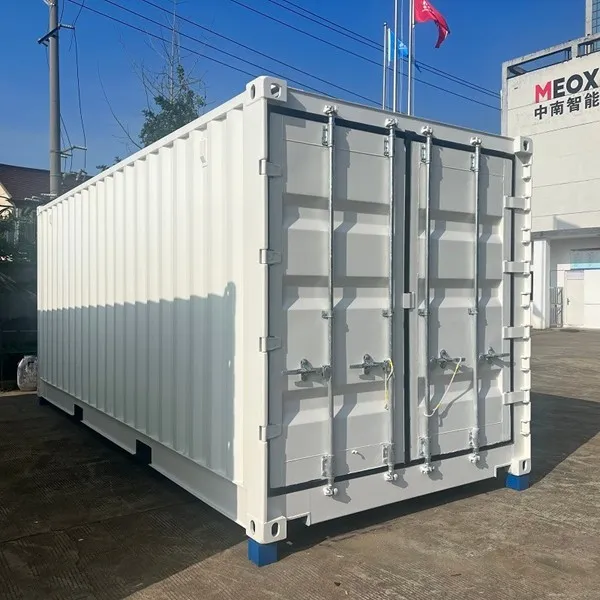
The double door shipping container offers unparalleled accessibility for loading and unloading
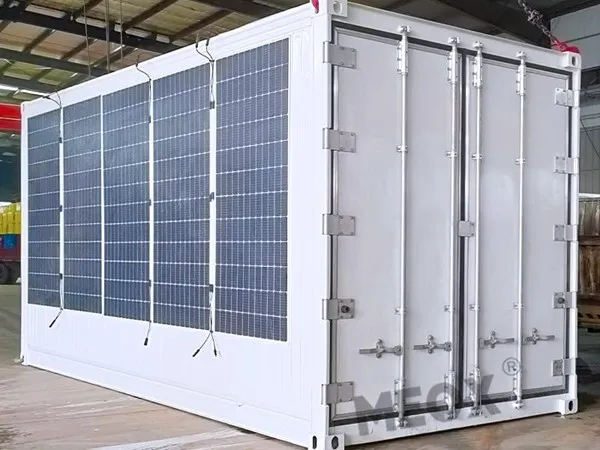
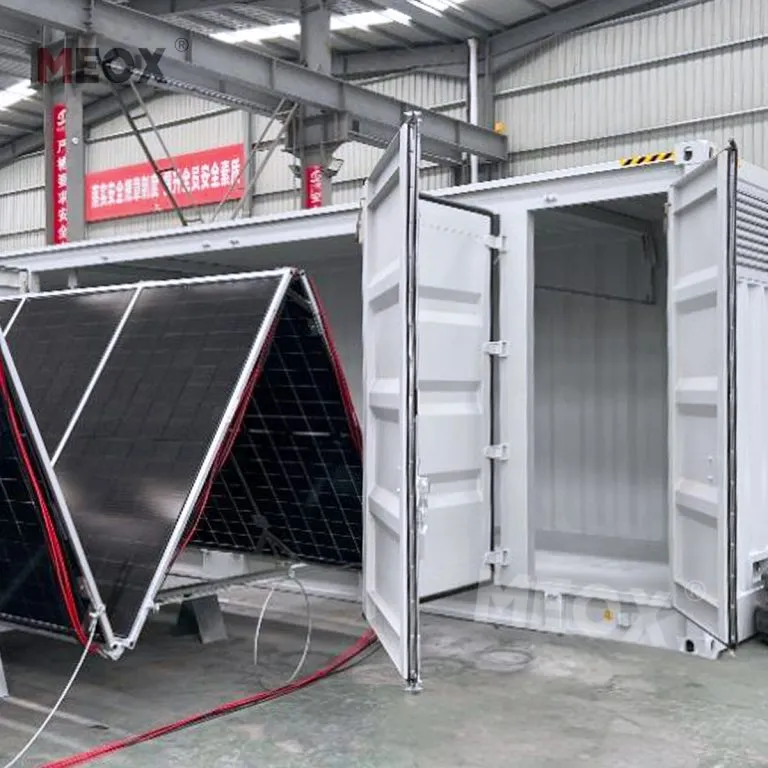
The standard shipping container design, with doors on only one end, can create bottlenecks during the loading process, especially when packed full. Thedouble door shipping container revolutionizes this dynamic by providing access from both ends, dramatically improving operational flow and efficiency in logistics hubs and worksites.
| Parameters of Double Door Container | Details |
| Frame | Side rail: SPA-H/SM50A End rail: SM50A/SS41 Roof: T1.6 thick SPA-H Panel: SPA-H |
| Size | External dimensions: 6.058m × 2.438m × 2.591m (L×W×H) Internal dimensions: 5.898m × 2.352m × 2.393m (L×W×H) |
| Door Size | 2.343m × 2.28m (W×H) |
| Paint Thickness | 140μ |
| Tare Weight | 2000 KGS |
• Enhanced Loading and Unloading Efficiency: The primary advantage of adouble door shipping containeris the radical reduction in loading and unloading times. Forklifts or workers can access the container from both ends simultaneously, eliminating the need to navigate through a long, narrow space. This is particularly beneficial for time-sensitive cross-border shipments where meeting departure deadlines at ports or rail terminals is critical, effectively cutting labor costs and minimizing dock congestion.
• Superior Ventilation and Light Access: In scenarios where natural airflow is necessary for certain cargoes, having doors open at both ends of adouble door containercreates a thorough draft, preventing the buildup of heat, fumes, or moisture. This feature is valuable for transporting goods that require ventilation without spoiling. Furthermore, the open ends allow ample natural light to flood the interior, creating a safer and more pleasant environment for workers sorting or retrieving items.
• Flexibility in Storage and Workspace Configuration: Beyond pure transportation, thedouble door shipping containeris exceptionally adaptable. When used for temporary storage on a construction site or at a festival, its through-flow design allows it to function as a secure pass-through warehouse. Items can be loaded on one side and retrieved on the other, organizing the flow of materials and people in a highly efficient manner.
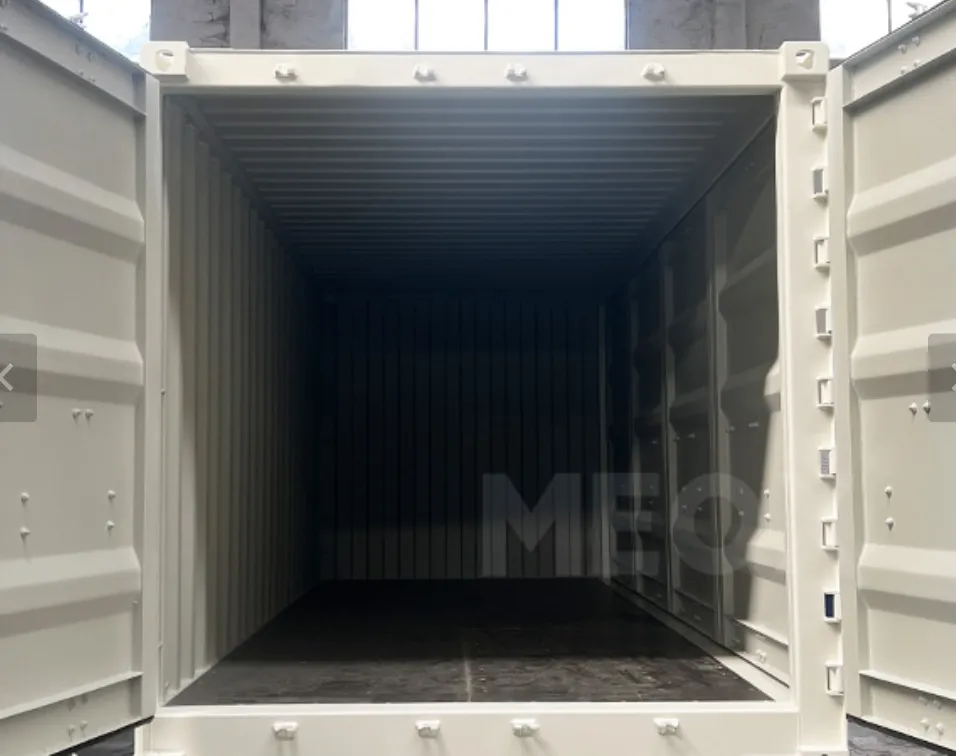
The design of tunnel containers facilitates a unique through-flow functionality
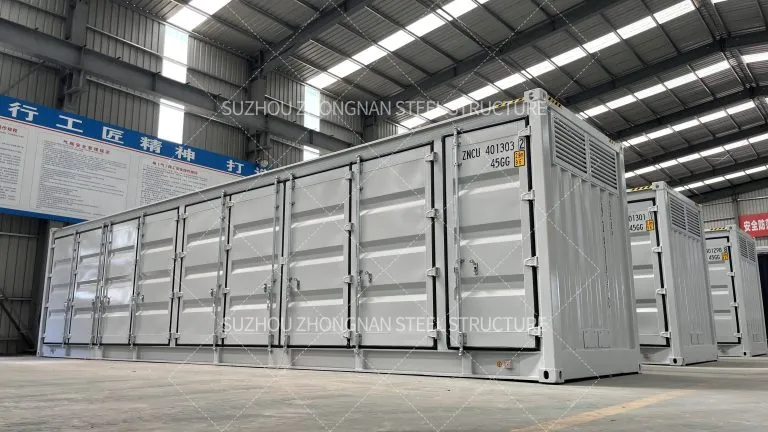
Tunnel containersare the functional descriptor for containers accessible from both ends, and their design is specifically engineered to support a continuous, unimpeded flow of goods. This design philosophy makes them indispensable tools in a wide array of industrial and commercial settings beyond simple storage.
• Optimized for Specific Cargo Types: The structure oftunnel containersis ideal for long, cumbersome, or heavy items that are difficult to maneuver in a confined space. Materials like steel pipes, timber, scaffolding, and construction trusses can be fed directly through the container. This linear loading method is far safer and more efficient than trying to turn items within the limited confines of a standard container, reducing the risk of damage to both the cargo and the container’s interior.
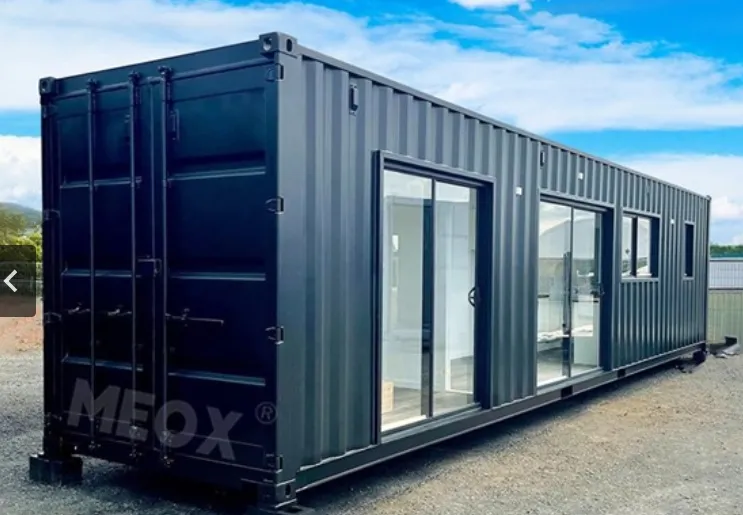
• Ideal for Mobile Operational Spaces: The easy access from both ends makestunnel containersperfect for conversion into mobile workshops, emergency response units, or onsite checkpoints. For instance, on a large construction project, a container can serve as a secure tool station where workers enter one side to check out equipment and exit the other to proceed to their work area, maintaining a smooth and logical workflow.
Implementing a double door container requires understanding its specifications and uses
Successfully integrating adouble door containerinto a logistics operation requires a clear understanding of its standard specifications, structural certifications, and the best practices for deployment. This knowledge ensures that the container is used to its full potential, providing maximum return on investment.
• Standard Sizes and Structural Integrity:Double door containerunits are commonly available in the standard ISO sizes of 20-foot and 40-foot lengths, including 40-foot high-cube versions for extra vertical space. Despite the additional door assembly, they maintain the same robust construction as traditional containers, built from weathering steel (Corten) and featuring a strong corrugated design. They are fully certified with CSC plates for international transport, ensuring they are approved for travel by ship, rail, and truck.
• Strategic Applications in Cross-Border Logistics: The key to leveraging adouble door shipping containeris deploying it in the right scenarios. They are exceptionally effective for “just-in-time” manufacturing supply chains, moving bulk materials to remote project sites, and serving as temporary retail or exhibition spaces that require easy public access from multiple sides. Their design is a strategic asset for any operation where speed of access is directly tied to productivity.
Double Door Container FAQs
Q: What advantages does a Double Door Container have over single-door containers?
A: ADouble Door Containerenables two-way access (front and back), speeding up loading/unloading of long or bulky items (e.g., furniture, pipes) without rearranging cargo. It also improves airflow, useful for items needing ventilation.
Q: How are Tunnel Containers different from standard Double Door Container?
A:Tunnel Containershave full-length openings (often side-by-side doors) for unobstructed “tunnel-like” access, ideal for fast inventory retrieval. A standardDouble Door Containerusually has end doors only, limiting side access.
Q: What cargo types suit Double Door Shipping Container best?
A:Double Door Shipping Containerexcel for long goods (lumber, steel beams), high-volume retail stock, or items needing sequential loading/unloading (e.g., perishables in cold chains), as two-way access cuts handling time.
Q: Can Double Door Container be customized for temperature control?
A: Yes—Double Door Containercan add insulation, refrigeration units, or heating systems, making them fit for food, pharmaceuticals, or other temperature-sensitive cargo while keeping two-way access.
Q: Are Tunnel Containers suitable for outdoor storage?
A: Yes—mostTunnel Containershave weatherproof seals and durable steel builds, resisting rain, wind, and rust. They’re great for outdoor construction or agricultural storage needing frequent access.