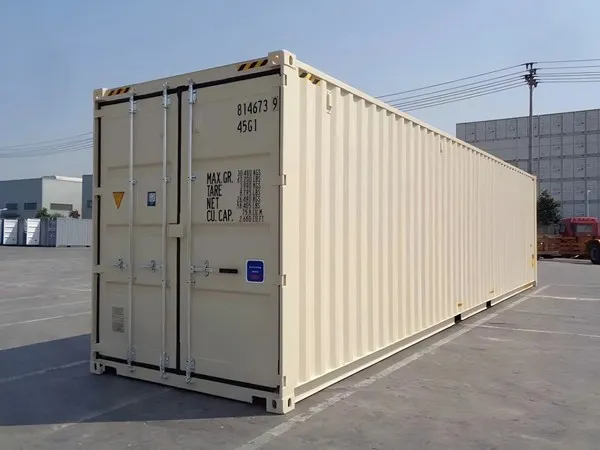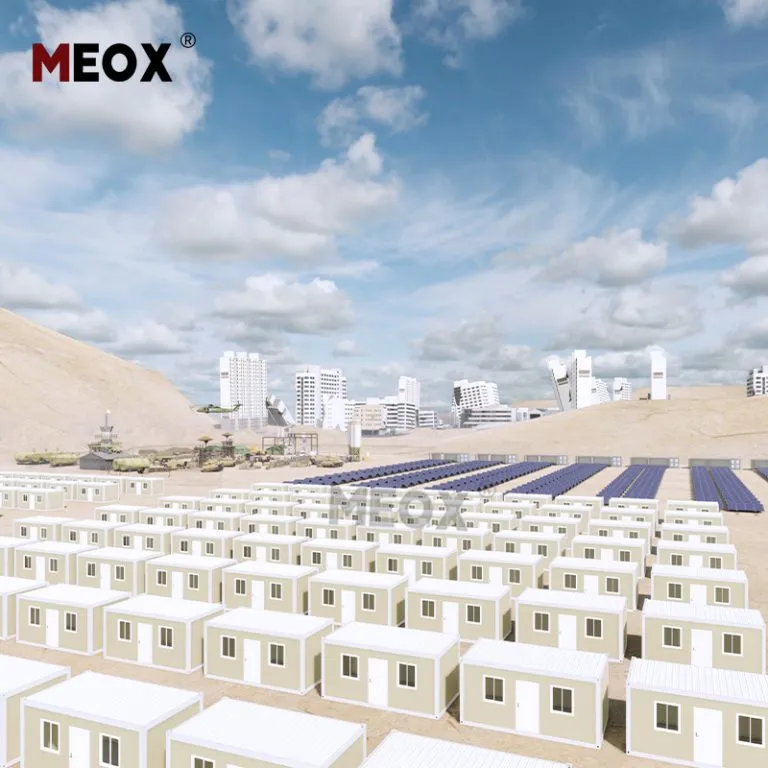
Shipping Container Househas emerged as a revolutionary choice in contemporary architecture, blending sustainability, affordability, and versatility to meet diverse housing needs. Unlike traditional brick-and-mortar homes, a Shipping Container House repurposes robust steel shipping containers—originally designed for maritime cargo transport—into habitable spaces, reducing construction waste and leveraging the inherent durability of the containers. These homes can range from compact single-container units to sprawling multi-container complexes, adapted for urban apartments, rural retreats, or disaster-relief shelters. The structural integrity of Shipping Container Houses, derived from the steel frame and reinforced corners of the original containers, allows them to withstand harsh weather conditions such as strong winds and heavy rainfall, making them suitable for various climates. Additionally, the modular nature of Shipping Container Houses enables quick assembly, with prefabricated components that minimize on-site construction time and labor costs.
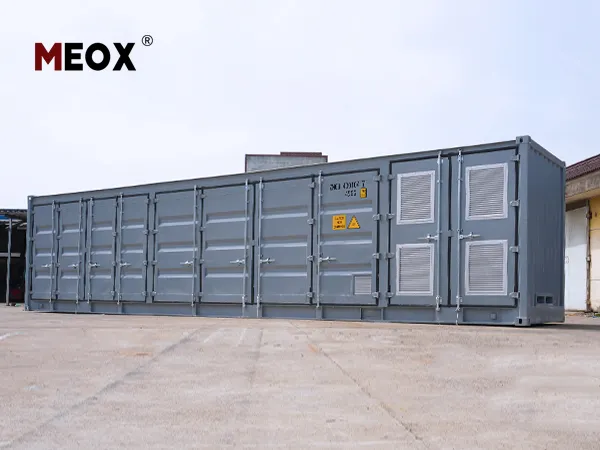
Shipping Container House often serves as a foundation for exploring creative living solutions, especially when combined with eco-friendly features
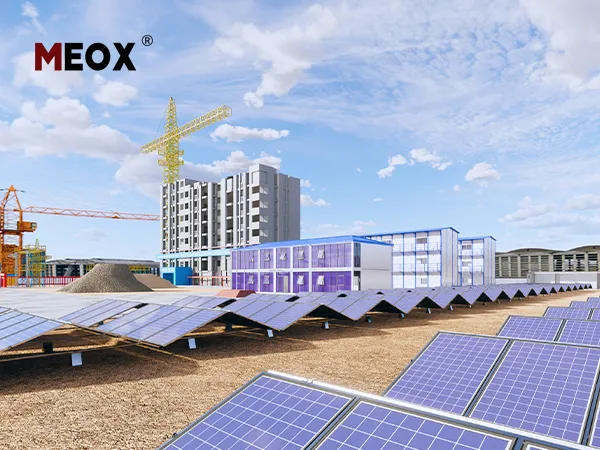
Many modern Shipping Container Houses integrate solar panels, rainwater harvesting systems, and energy-efficient insulation to reduce carbon footprints, aligning with global sustainability goals. The interior design of a Shipping Container House is highly customizable, with options to add windows, skylights, and open floor plans to maximize natural light and space. For instance, a converted 40-foot Shipping Container House can be divided into a living area, bedroom, and kitchen, with foldable outdoor decks expanding the usable space. This adaptability makes Shipping Container Houses popular among individuals seeking unique, low-impact housing, as well as developers looking to create affordable, scalable residential projects.
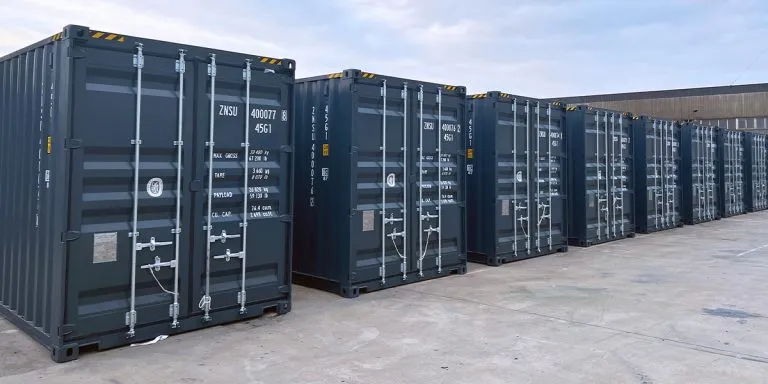
Converted Shipping Containers are the building blocks of Shipping Container Houses and other innovative structures, offering a cost-effective and sustainable alternative to traditional construction materials
Each Converted Shipping Container retains the original steel structure but undergoes modifications such as cutting openings for doors and windows, adding insulation, and installing plumbing and electrical systems to meet habitation standards. The process of repurposing Converted Shipping Containersnot only diverts these large steel units from landfills but also reduces the need for new raw materials, making it an environmentally responsible choice. Converted Shipping Containers are not limited to housing; they are also used to create pop-up shops, temporary offices, and school classrooms, showcasing their flexibility across different sectors.
Shipping Container Buildings encompass a wide range of structures beyond residential homes, including commercial spaces, public facilities, and industrial complexes
These Shipping Container Buildingsleverage the same modular and durable properties as Shipping Container Houses but are tailored to specific functional needs. For example, a Shipping Container Building designed as a community center might combine multiple containers to form large open halls, meeting rooms, and storage areas, with exterior cladding that enhances aesthetics while maintaining the structure’s strength. In urban areas, Shipping Container Buildings are often used for small businesses like cafes or bookstores, as they can be quickly installed on underutilized lots and relocated if needed. The speed of construction for Shipping Container Buildings is a key advantage, with some projects taking only a few weeks to complete, compared to months for traditional buildings.
Shipping Container Cabin is a compact, portable variant of Shipping Container Houses, ideal for temporary or remote living scenarios such as camping, mining sites, or construction worker accommodations
A typical Shipping Container Cabinis built from a single 20-foot container, featuring basic amenities like a sleeping area, small kitchenette, and bathroom. The portability of Shipping Container Cabins allows them to be transported to remote locations via truck or ship, providing instant shelter where traditional construction is impractical. Many Shipping Container Cabins also include foldable or detachable components to save space during transport, while still offering comfort and protection from the elements. Their durability makes them suitable for long-term use in harsh environments, as they resist rust, pests, and extreme temperatures with minimal maintenance.
Shipping Container Tiny House is a subset of Shipping Container Houses that focuses on minimalist living, perfect for individuals or small families seeking to downsize their living space
These Shipping Container Tiny Housesare typically built from 20-foot containers, optimized to maximize every square inch of space with clever storage solutions like built-in shelves, fold-down furniture, and multi-purpose rooms. Despite their small size, Shipping Container Tiny Houses often include modern amenities such as energy-efficient appliances, composting toilets, and compact showers, ensuring a comfortable lifestyle. The affordability of Shipping Container Tiny Houses, compared to traditional tiny homes, makes them accessible to a wider audience, while their sustainable design aligns with the growing trend of eco-conscious living. Many owners of Shipping Container Tiny Houses also appreciate the mobility of their homes, as they can be relocated to new areas without the need for extensive disassembly.
In summary, Shipping Container House, along with its related variants—Converted Shipping Containers, Shipping Container Buildings, Shipping Container Cabin, and Shipping Container Tiny House—represents a dynamic and sustainable shift in modern construction. Shipping Container House stands out as a versatile solution for housing, while Converted Shipping Containers provide the foundational materials for these structures. Shipping Container Buildings extend the concept to commercial and public spaces, Shipping Container Cabins offer portable shelter for remote areas, and Shipping Container Tiny Houses cater to minimalist living. All these structures leverage the durability, affordability, and sustainability of shipping containers, addressing key challenges in contemporary construction such as waste reduction, speed of build, and adaptability to diverse needs. As the demand for eco-friendly and flexible building solutions grows, these shipping container-based structures will continue to play a vital role in shaping the future of architecture and living.
Shipping Container HouseFAQs
1. What are the key advantages of a shipping container house compared to other prefab structures?
A shipping container house benefits from the robust corner castings and fully welded construction of original sea freight containers, resulting in exceptional structural integrity and load-bearing performance. This makes it ideal for multi-story applications and projects requiring long-term durability in harsh environmental conditions.
2. How does the construction process of a shipping container house ensure stability?
The manufacturing process involves continuous welding along the frame and reinforcement of the corrugated steel walls using the same standards as maritime containers. This creates a rigid structure that resists deformation under heavy loads, such as snow accumulation or high winds.
3. Why is a shipping container house more suitable for permanent residential use?
Due to its integral welded body and reinforced steel framework, a shipping container house offers superior insulation potential, noise reduction, and security over temporary structures. These features allow for comfortable year-round living with minimal maintenance requirements.
4. What types of projects commonly utilize shipping container houses?
High-end modular hospitality ventures, luxury eco-resorts, contemporary urban residences, and flagship retail stores often employ shipping container houses. Their architectural flexibility and industrial aesthetic make them popular for designer projects seeking both sustainability and visual impact.
5. How does the value proposition of a shipping container house justify its higher cost?
The extended lifespan, reduced foundation needs, and minimal ongoing maintenance of a shipping container house offset the initial investment. Additionally, its ability to be transported and relocated without disassembly preserves structural health and reduces reassembly expenses over time.