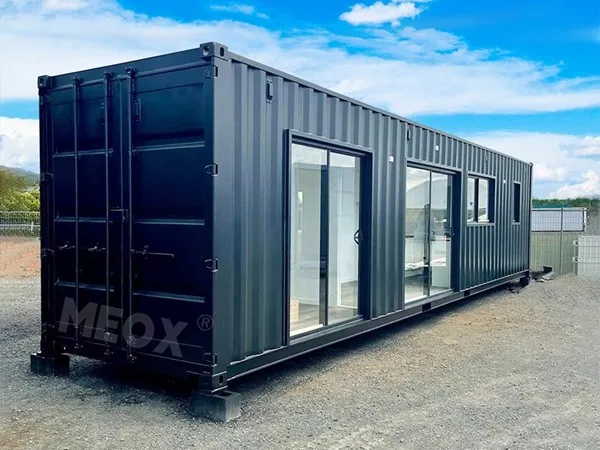
Containerised sewage treatment—including compact containerized wastewater treatment plantand versatile containerised water treatment plant—relies on biological processes to break down organic pollutants, making it a sustainable, cost-effective solution for remote communities, construction sites, or small industrial facilities. Unlike traditional sewage treatment plants that require large land areas and complex on-site construction, these containerized systems integrate all biological treatment stages into modular, transportable units—ensuring fast deployment and consistent performance. For wholesalers serving environmental engineering firms, local governments, or industrial clients, partnering with a manufacturer that masters biological process integration is essential. Suzhou Zhongnan Intelligent Equipment Co, Ltd., a leading special container manufacturer with complete production equipment and professional design teams, specializes in custom containerised sewage treatmentsystems (alongside standard and special containers). Their ability to tailor units to specific pollutant loads or site conditions makes them a trusted bulk partner for wholesalers globally.
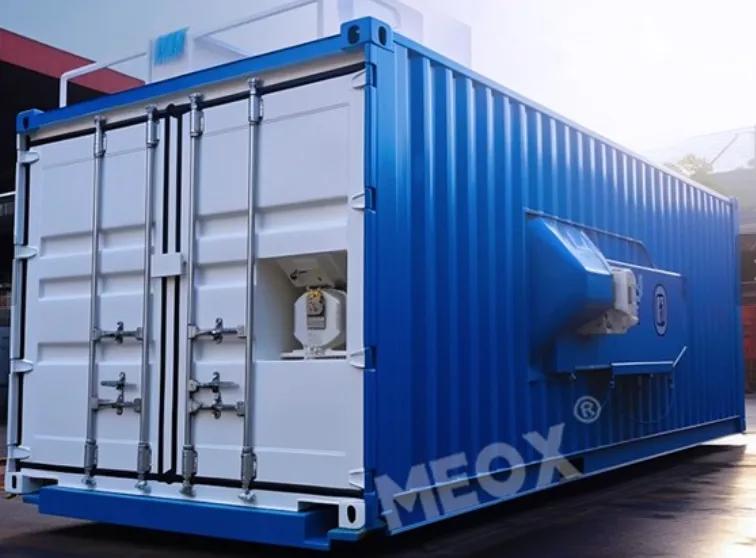
Core Biological Processes in Containerised Sewage Treatment
- Aerobic Treatment for Organic Matter Breakdown in Containerized Wastewater Treatment Plant: Aerobic biological processes (using oxygen-dependent microorganisms) are the backbone of most containerized wastewater treatment plantsystems. In these units, sewage is mixed with activated sludge (a culture of pollutant-eating bacteria) in aeration tanks, where compressed air is pumped to maintain oxygen levels. The bacteria break down organic matter (e.g., food waste, human waste) into harmless byproducts (carbon dioxide, water, and biomass). Suzhou Zhongnan’s containerised sewage treatmentsystems optimize this process with compact aeration tanks (fitted with energy-efficient diffusers) that fit within 20ft or 40ft containers. For example, a containerised water treatment plantfor a 500-person construction camp uses aerobic treatment to reduce biochemical oxygen demand (BOD) by 80–90%, meeting local discharge standards. For wholesalers, this process is a selling point: it’s well-established, low-maintenance, and suitable for most domestic or light industrial sewage types.
- Anaerobic Digestion for High-Strength Waste in Containerised Water Treatment Plant: For high-strength sewage (e.g., from food processing facilities or livestock farms), containerised water treatment plantoften use anaerobic biological processes—microorganisms break down organic matter without oxygen, producing biogas (methane) as a byproduct (which can be reused for heating or electricity). Suzhou Zhongnan designs anaerobic modules for containerised sewage treatmentthat include sealed digestion tanks, temperature control systems (to optimize microbial activity), and biogas collection units. A containerized wastewater treatment planthandling dairy farm sewage, for instance, can reduce BOD by 70–85% via anaerobic digestion, while generating enough biogas to power the plant’s pumps. For wholesalers, this process caters to industrial clients with high pollutant loads: it not only treats sewage but also creates a renewable energy source, adding value to the solution.
Biological Process Integration in Containerized Wastewater Treatment Plant
- Sequencing Batch Reactors (SBR) for Compact Containerised Sewage Treatment: Sequencing Batch Reactors (SBR) are ideal for containerised sewage treatmentdue to their compact design—all treatment stages (fill, aeration, settling, decant) happen in a single tank, eliminating the need for multiple separate units. Suzhou Zhongnan’s containerized wastewater treatment plantwith SBR technology uses programmable logic controllers (PLCs) to automate stage changes, reducing manual operation. For a remote village’s containerised water treatment plant, SBR works perfectly: it handles variable sewage flows (common in small communities) and requires only 1–2 operators per unit. The entire SBR system fits within a single 40ft container, making transport and installation fast.
- Biofilm Processes for Low-Maintenance Containerised Water Treatment Plant: Biofilm processes (where microorganisms grow on a solid surface, e.g., plastic media or gravel) are used in containerised water treatment plantto reduce sludge production and lower maintenance needs. In these systems, sewage flows over the biofilm-covered media, and microorganisms attach to the surface to break down pollutants—no need for constant mixing like in activated sludge systems. Suzhou Zhongnan’s containerised sewage treatmentunits use lightweight, high-surface-area plastic media (packed into modular trays) that maximize biofilm growth while fitting within narrow container spaces. A containerized wastewater treatment plantfor a highway service station, for example, uses biofilm processes to treat sewage with minimal sludge removal (only once every 3–6 months).
Biological Process Comparison for Containerised Sewage Treatment
| Biological Process | Key Advantage for Containerised Systems | Ideal Sewage Type | Suzhou Zhongnan Design Feature | Wholesaler Value |
| Aerobic (Activated Sludge) | Fast organic matter breakdown; low cost | Domestic, light industrial sewage | Compact aeration diffusers; PLC control | High demand for general sewage treatment |
| Anaerobic Digestion | Biogas production; handles high BOD | Food processing, livestock farm sewage | Sealed tanks; biogas collection units | Caters to industrial clients |
| SBR | Space-saving; handles variable flows | Small communities, construction sites | Single-tank design; automated sequencing | Ideal for remote/space-constrained sites |
| Biofilm | Low sludge; minimal maintenance | Service stations, small commercial sites | High-surface-area plastic media | Reduces client operational costs |
Optimizing Biological Processes in Containerised Water Treatment Plant
- Microbial Community Management for Containerised Sewage Treatment: The efficiency of biological processes depends on healthy microbial communities—and Suzhou Zhongnan’s containerised sewage treatmentsystems include features to support this. For aerobic units, they add microbial nutrients (e.g., nitrogen, phosphorus) if sewage is nutrient-poor, ensuring bacteria thrive. For anaerobic systems, they maintain stable temperatures (35–40°C for mesophilic bacteria) via insulated tanks and heating elements (in cold climates). A containerized wastewater treatment plantin a cold region, for example, uses tank insulation and a small electric heater to keep anaerobic microbes active during winter, avoiding treatment slowdowns. For wholesalers, this optimization ensures consistent performance: clients don’t have to troubleshoot microbial issues, making containerised water treatment planta reliable long-term investment.
- Process Monitoring for Containerised Water Treatment Plant: To ensure biological processes run smoothly, Suzhou Zhongnan integrates real-time monitoring into containerised water treatment plantsystems. Sensors track key parameters (dissolved oxygen levels for aerobic units, pH and temperature for anaerobic units) and send data to a PLC or remote dashboard. If levels deviate from optimal ranges (e.g., low oxygen in aeration tanks), the system triggers alerts or automatic adjustments (e.g., increasing air flow). A containerised sewage treatmentunit for a food factory can use this monitoring to adapt to daily fluctuations in sewage strength, preventing process failures. For wholesalers, this monitoring adds value: it reduces the risk of non-compliance with discharge standards, protecting clients from fines or reputational damage.
Containerised Sewage Treatment FAQS
Can Containerised Wastewater Treatment Plant Handle Fluctuating Sewage Flows?
Yes—Suzhou Zhongnan’s containerised wastewater treatment plantis designed to handle variable flows, thanks to features like equalization tanks (to store excess sewage during peak times) and flexible biological processes (e.g., SBR, which adapts to flow changes). For example, a containerised water treatment plantfor a tourist camp can handle 3x normal flow during weekends, as the equalization tank stores excess sewage and the SBR system extends aeration time to process the extra load.
How Long Does It Take to Start Biological Processes in Containerised Sewage Treatment?
Aerobic processes in containerised sewage treatmenttypically start treating sewage within 1–2 weeks—Suzhou Zhongnan pre-seeds units with activated sludge (or provides dry microbial cultures) to speed up colonization. Anaerobic processes take longer (3–4 weeks) to establish the microbial community, but the company provides starter cultures and temperature control to shorten this time. For a containerized wastewater treatment plantdeployed to a remote village, this means the system can meet discharge standards within a month of installation.
Do Containerised Water Treatment Plant Require Special Operator Training for Biological Processes?
No—Suzhou Zhongnan’s containerised water treatment plantis designed for simplicity: automated controls handle most biological process adjustments (e.g., aeration timing, sludge wasting), and the company provides a 1–2 hour training session for on-site staff. They also include a detailed manual with troubleshooting guides (e.g., “how to restore microbial activity if BOD removal drops”). For a containerised sewage treatmentunit at a small construction site, this means even staff with no wastewater experience can operate it. For wholesalers, this ease of use reduces client barriers to adoption: no need to hire specialized operators, lowering long-term costs.
Can Containerised Sewage Treatment Be Scaled for Growing Communities?
Absolutely—Suzhou Zhongnan’s containerised sewage treatmentsystems are modular: additional units (e.g., extra aeration tanks or biofilm modules) can be added to existing setups as sewage flow increases. For example, a containerised wastewater treatment plantfor a 1,000-person town can be expanded with a second container to serve 2,000 people, with all biological processes integrating seamlessly. The company pre-designs units with standardized connections to ensure compatibility, even if added years later. For wholesalers, this scalability lets clients start small and expand as needed, making containerised water treatment planta future-proof investment.
Are Biological Processes in Containerised Water Treatment Plant Environmentally Friendly?
Yes—biological processes in containerised water treatment plantare inherently eco-friendly: they use natural microorganisms to break down pollutants (no harsh chemicals) and produce minimal sludge (which can be further treated as fertilizer or safely disposed of). Suzhou Zhongnan’s anaerobic units also capture biogas, a renewable energy source that reduces reliance on fossil fuels. A containerised sewage treatmentsystem for a school, for instance, has a carbon footprint 40–50% lower than chemical treatment methods.