Shipping container kitchens are transforming the landscape of how commercial kitchens are designed. These smart-designed, self-contained, and modular units provide a way that is not only quick and budget-friendly but also efficient in terms of output, for the conventional kitchen building. In fact, a shipping container kitchen that is properly equipped has the potential to open up a whole new world of possibilities for adaptability, being able to move around, and making more money.
Shipping container kitchens signify a groundbreaking measure in the field of modular design. These cooking spaces are originally designed by transforming a typical shipping container into a fully equipped culinary unit, thus making the combination of portability, price-effectiveness, and quick usage deployment very attractive. Shipping container kitchens have become a significant trend, mostly in metropolitan areas and have been widely used in commercial applications, where there is a shortage of space and the need for flexibility is a must. The likes of food trucks, pop-up restaurants, and event catering firms are turning to these kitchens for their versatility as a result of their adaptability. One can say that the shipping container kitchens are a heretofore different model of kitchens that are being installed in various surroundings, and the establishment of which is accompanied by benefits like the possibility of relocation, fast installation, and low overhead costs.
Having 5 years of experience at MEOX in the shipping container industry (Senior Modular Container Designer), I am going to share my views about the future of ‘Shipping Container Kitchens’ with you.
What is a Shipping Container Kitchen?
A shipping container kitchen is a commercial-grade kitchen that is built within a specially designed ISO steel shipping container, which can either be a recycled one or a newly made one. A shipping container kitchen, as a result of being highly customizable, can be made to a large extent, has ample space for the accommodation of full-sized appliances, and can be made to be a complete set with the installation of the integrated systems for plumbing, electrical, and HVAC, as compared to food trucks or simple trailers. It has been reported that these shipping container kitchens are made to conform to the health and safety requirements of both the nation and the locality and include the standards of NSF, NFPA, and FDA.
Design and Construction of Shipping Container Kitchens
Making a shipping container kitchen requires changing the container’s structures in several ways to convert a simple steel container into a complete culinary space. Generally, the procedure begins with the creation of windows and doors for air circulation and access. Insulation is very important because it helps to control the temperature; thus, hot or cold weather will not affect the interior. Consequently, energy-efficient and comfortable year-round interiors are achieved by using spray foam or fibreglass insulation.
Design space in the case of shipping container kitchens is equally important as insulation and temperature control. The compact size of these kitchens means that the space is utilized effectively. To mention some of the methods, there are custom-built cabinets, foldable workstations, and stackable storage solutions, which are the most commonly used ways to maximize the available area.
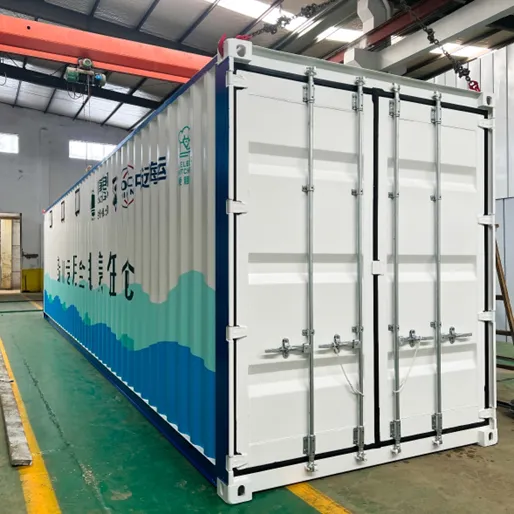
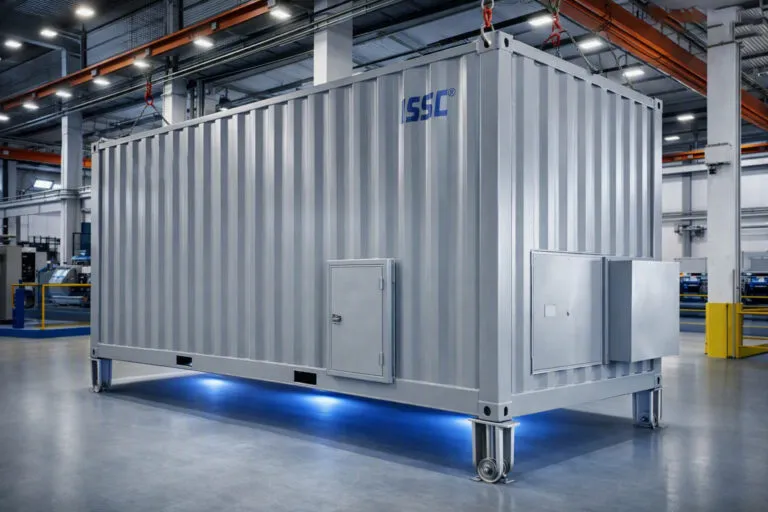
Fig.1: The side-view of a shipping container kitchen
The security aspect, along with the cleanliness, has been put first in the minds of the designers of shipping container kitchens that are meant to be used by the commercial entities. The inside is made with those surfaces that are easy to clean, like, for example, stainless steel, which is durable and resistant to stains. In addition, to comply with the health and safety standards, the fresh air is provided through the ventilated system, while also the fire-resistant materials are being utilized. The long life of the container is guaranteed by the use of good-quality materials that can be exposed to the elements and the friction of everyday life.
Shipping container kitchens are a popular choice for different industries, mainly because they can be moved easily, are cheap, and can be made bigger. Essentially, the use of these kitchens is a demonstration of the food service sector, such as food trucks and temporary restaurants. These shipping container kitchens are a fast and affordable solution for new businesses to get a foothold in the market without the need for a permanent building. Besides, they are frequently brought in by the outdoor catering industry, in which the demand for flexibility and rapid installation is high.
Applications and Use Cases
Apart from food services, there are growing numbers of portable shipping kitchen containers that are being implemented in disaster relief operations. In such cases of emergencies where it is extremely important to save time, these kitchens are able to be deployed quickly in order to provide necessary food services to the areas that have been affected by the disasters. Moreover, construction sites and far-off places can similarly use the container kitchens’ flexibility, which thus enables them to offer the cooking facilities that are on-site for their workers. Moreover, these shipping container kitchens are perfect for short-term events such as festivals, markets, or large gatherings that require a dependable and easily movable kitchen solution.
The advantages of shipping container kitchens are apparent: they provide a less expensive option to regular kitchen installations, can be moved to new locations without any hassle, and can be tailored in any way to suit the requirements of any event or industry.
| Kitchen Type | Environment/Use Case | Suitability |
| Food Truck | Urban streets, events | High mobility, ideal for small operations |
| Pop-up Restaurant | Festivals, markets | Flexible, low startup cost |
| Outdoor Catering | Weddings, large events | High demand for quick setup and teardown |
| Disaster Relief Kitchen | Emergency zones, disaster sites | Rapid deployment provides essential food services |
| Construction Site Kitchen | Remote work sites | Cost-effective, portable, and convenient for workers |
| Event Kitchen | Festivals, outdoor gatherings | Portable, scalable for large crowds |
Table-1: Use-Case Matrix for Shipping Container Kitchens
Advantages of Shipping Container Kitchens
Shipping container kitchens have many advantages, which make them a viable choice for different kinds of businesses. Among the benefits of these kitchens is the flexibility in their design and arrangement. Such kitchens can be altered to solve any issues, whether in a restaurant car, a pop-up kind of restaurant, or to help the space be used more efficiently.
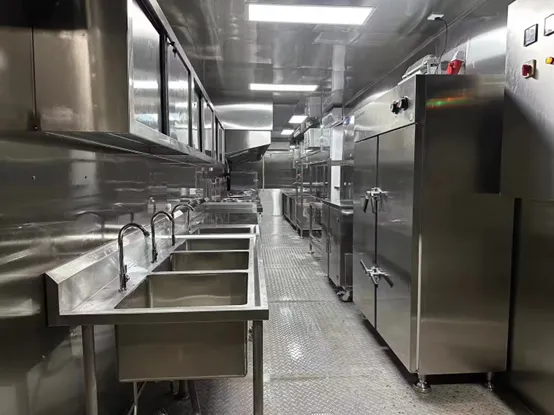
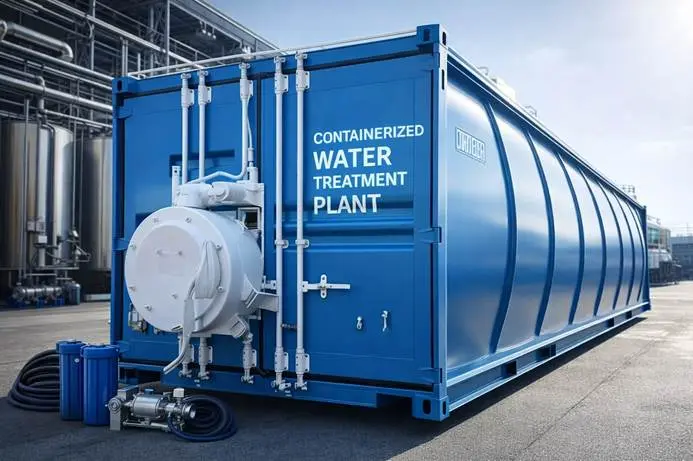
Fig.-2: Inside view of a shipping container kitchen.
Besides, a substantial benefit of the shipping container kitchen is its ease in changing position. Modular container kitchens, unlike traditional ones, which are meant for a particular place, can be shifted to new locations without difficulty; hence, the great idea for firms that need to be on the go, e.g., businesses selling food and organizers of events.
Furthermore, these kinds of kitchens also emit less pollution than permanent ones. By the use of shipping containers, which are reused, they lessen the production of garbage and the demand for fresh materials. In addition, environmentally friendly energy sources can be introduced in the case of shipping container kitchens, e.g., solar panels or low-energy-consuming products, thus lessening the overall emission of greenhouse gases.
In summary, shipping container kitchens are a cost-saving, manageable in terms of space, and environmentally friendly way to solve both commercial and residential needs.
Installation and Maintenance Guidelines
Installing a shipping container kitchen is a process that needs thoughtful planning and preparation of the location. Most of the time, the operation begins with picking out a level spot that is capable of supporting the weight of the container. Also, ensuring proper groundwork, like concrete pads or steel supports, is quite significant in a situation where you want to stop the container from moving. Once the container has been placed, it is a must to link the services like water, electricity, and sewerage systems. Following the local building codes and regulations during the installation is of utmost importance.
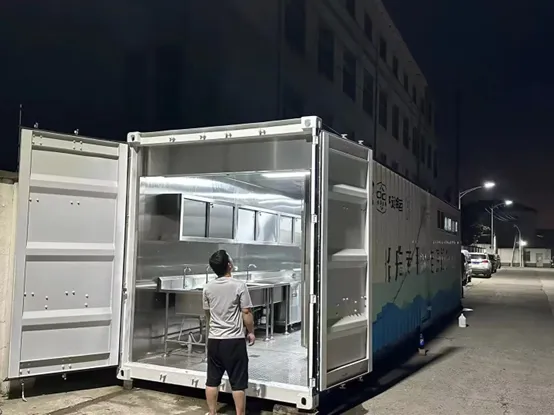
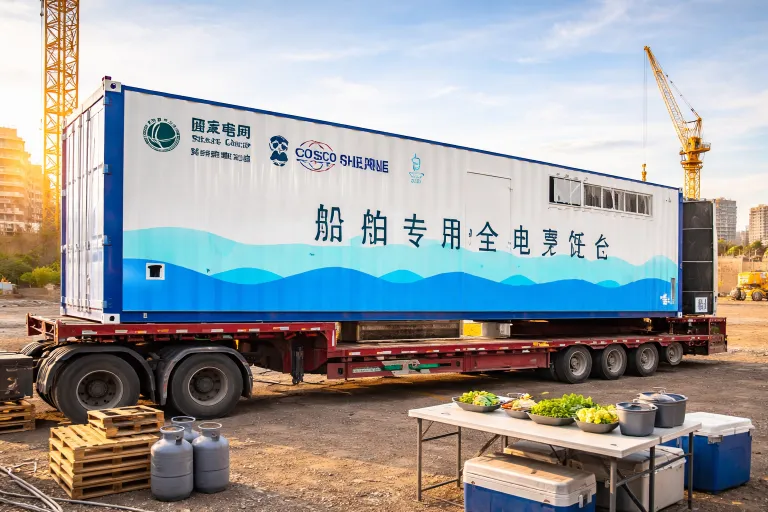
Fig. 4: The main door of a shipping container kitchen
Just like safety and sanitation have to be the first concerns. Ensure that the electrical installations are in good condition and that fire safety devices such as extinguishers are readily available. Choose safe finishing and materials that are simple to maintain. Besides that, ventilated portable shipping kitchen containers are a must if one is to prevent the build-up of heat and moisture.
In case the shipping container kitchen is your long-term source, regular maintenance should be a part of the routine without a doubt. Cleaning and wiping kitchen surfaces on a regular basis is one of the easiest ways to deter the contamination of food. It is also essential to make sure that rust or corrosion do not appear and check the insulation for any signs of wear. Protection against the weather can be done through the application of protective coatings on the outer side and by making sure that the seals around doors and windows are tight.
| Maintenance Task | Frequency | Notes |
| Clean interior surfaces | Weekly | Use food-safe, non-toxic cleaners |
| Inspect insulation for damage | Annually | Check for signs of moisture or wear |
| Check for rust or corrosion | Bi-annually | Focus on exterior and structural components |
| Test electrical and plumbing systems | Monthly | Ensure safety standards are maintained |
| Reapply protective coatings | Every 2-3 years | Apply anti-corrosion coatings to the exterior |
Table-2: Maintenance Checklist for Shipping Container Kitchens
Future Trends in Modular Container Kitchens
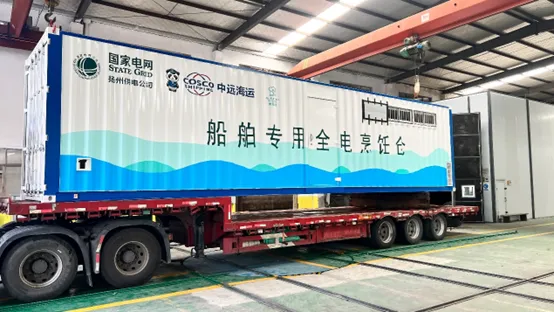
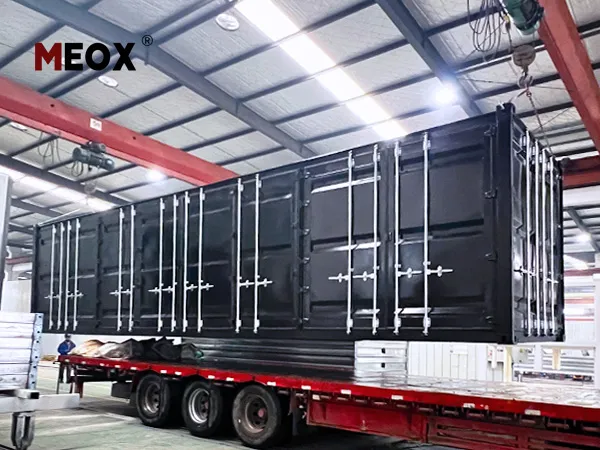
Fig. 3: A shipping container kitchen is being prepared for shipping
Shipping container kitchens will have a bright future full of interesting trends that combine hi-tech and nature-loving elements. One of the major trends is the rise of smart kitchens featuring IoT (Internet of Things) integration. Such kitchens may be connected to applications or smart devices, so users can oversee and manage equipment, light, and air from a place other than where they are working, thus saving time and energy.
In fact, one of the major trends has been the development of green, energy-saving containers. To address the increasing demand for sustainability, manufacturers are integrating renewable energy systems like solar panels and energy-efficient appliances in their products. Consequently, shipping container kitchens appeal more to environmentally friendly businesses.
Also, the shipping container kitchens are turning to be more multi-functional. More designs combine kitchen and storage spaces into one small unit, thus making it perfect for cramped spaces or mobile food services. These breakthroughs allow businesses to maximize functionality without losing convenience.
Conclusion
Shipping container kitchens add to the table an incomparable trio of factors, namely: efficiency, portability, and eco-friendliness. Because of their nature of quick deployment and easy moving, these units are suitable for city, industrial, and rescue scenarios as well. In fact, by simply varying the usage scenarios, one can see the utility of such kitchens in mobile food services, temporary restaurants, and areas hit by calamities, hence, constituting a viable, money-saving option that does not give away any merits in terms of usability.
One of the most interesting features of MEOXshipping container kitchens is that they seem to have the answer when businesses and organizations seek eco-friendly and space-saving alternatives. What is more, they deliver the best quality and provide great possibilities for individualization. So, why not plan it for your upcoming project and taste the kitchen design of tomorrow?
If by any chance you are coming up with a new food truck idea, have a plan to launch a pop-up restaurant, or require a trustworthy kitchen for an emergency or commercial purpose, then you need to know that our flexible options are made to satisfy your requirements. Get in touch with us today to find out more and to take the first step towards your next project with MEOX – the place where innovation meets practicality.