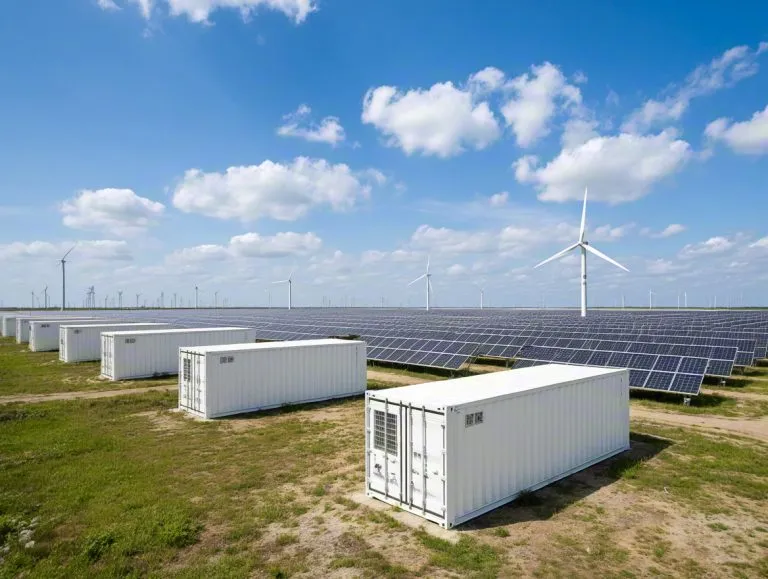
An off grid solar system that must keep cameras, communications, and sensors running through the night presents a very different engineering challenge compared to residential rooftop solar. In remote monitoring stations, there is no grid backup, no human presence, and often no easy maintenance access. The entire system must be designed around one core objective: ensuring stable and continuous nighttime uptime.
This article focuses on a single, well-defined scenario: using an off grid solar system to power remote monitoring stations with guaranteed nighttime operation.
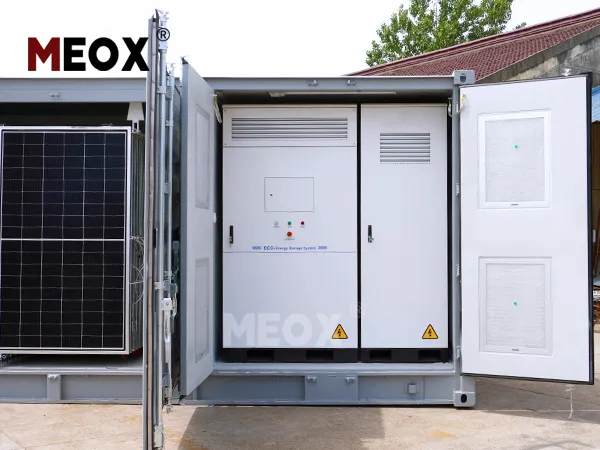
Defining the continuous nighttime load (cameras, comms, sensors)
The foundation of any reliable off grid solar system is an accurate understanding of the continuous electrical load. For remote monitoring stations, this load is typically composed of three categories: visual monitoring equipment, communication systems, and sensing or control devices.
Cameras are usually the dominant load. Modern IP cameras with efficient chipsets and H.265 or H.265+ encoding may consume between 6 and 15 watts continuously, depending on resolution, frame rate, infrared illumination, and environmental conditions. Communication devices, including cellular, radio, or satellite modems, can range from 1 to 10 watts on average, depending on transmission frequency and idle behavior. Sensors and edge controllers usually consume less power, often between 0.5 and 5 watts, especially when sleep modes are properly configured.
The key value used in design is the average continuous load rather than peak power. Peak loads are important for cable and controller selection, but battery sizing depends on average energy consumption over time. Nighttime energy demand can be calculated as:
Nighttime energy (Wh) = Average continuous load (W) × Nighttime duration (h)
For most remote sites, nighttime duration ranges from 10 to 14 hours depending on season and latitude. Designers should always validate power assumptions with real measurements, as manufacturer datasheets may not reflect actual field behavior.
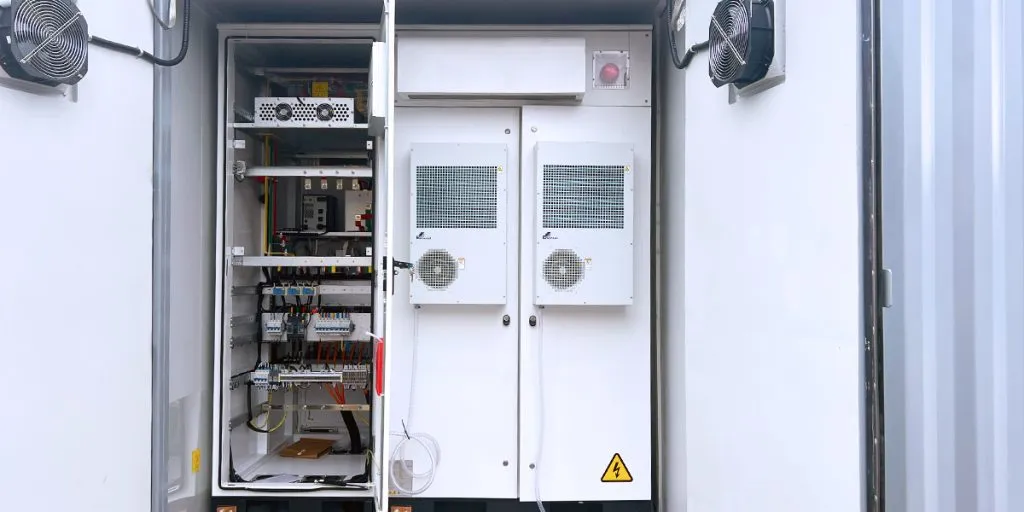
Solar harvest vs battery capacity trade-offs
In an off grid solar system, nighttime uptime is fundamentally determined by battery capacity. Solar panels provide energy during daylight hours, but batteries must carry the system through the entire night and often through multiple cloudy days.
The standard battery sizing process involves four steps. First, calculate nighttime energy consumption. Second, determine the required days of autonomy, meaning how many days the system must operate with little or no solar input. Third, adjust for battery depth of discharge. Fourth, account for system efficiency losses.
For example, consider a remote monitoring station with an average continuous load of 40 watts. If nighttime duration is 12 hours, the nightly energy requirement is:
40 W × 12 h = 480 Wh
If the design target is three days of autonomy, the total stored energy required becomes:
480 Wh × 3 = 1,440 Wh
Lithium iron phosphate batteries are commonly used in modern off grid solar systems due to their long cycle life and high usable depth of discharge. Assuming a usable depth of discharge of 90% and overall system efficiency of 90%, the required nominal battery capacity is:
1,440 Wh ÷ (0.9 × 0.9) ≈ 1,780 Wh
This value should be rounded up to provide design margin. In practice, a battery capacity of at least 1.8 kWh would be selected for this scenario.
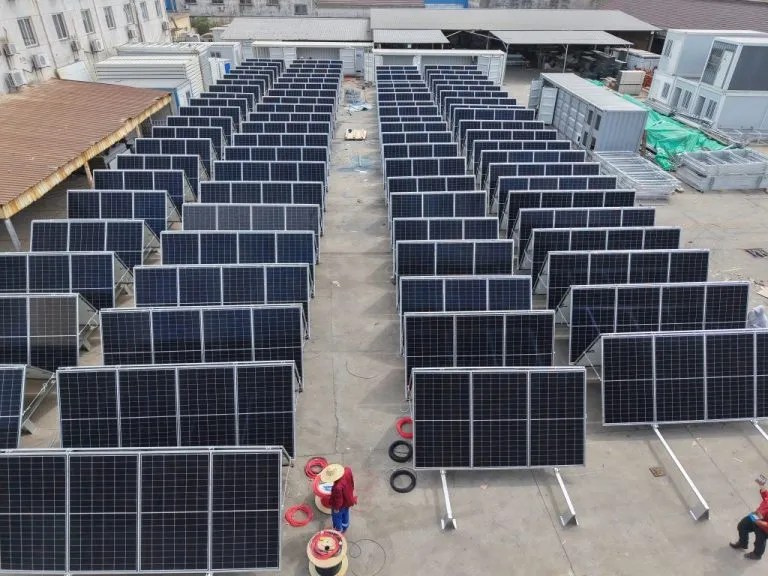
Solar panel capacity must be sufficient not only to cover daily energy consumption but also to recharge the battery after periods of low solar input. Panel sizing is typically based on local peak sun hours and system efficiency. Designers often include an additional 20–30% margin to compensate for aging, dust, and seasonal variation.
Days of autonomy and system resilience
Days of autonomy represent the primary reliability lever in an off grid solar system. Increasing autonomy improves uptime during extended cloudy periods but increases system cost, weight, and enclosure size.
For remote monitoring stations with occasional maintenance access, two days of autonomy may be acceptable. For infrastructure monitoring, environmental observation, or security applications, three days of autonomy is widely considered a minimum standard. Highly critical or inaccessible sites may require five days or more.
Autonomy selection should be based on historical weather data, site accessibility, and the consequences of system downtime rather than purely on cost.
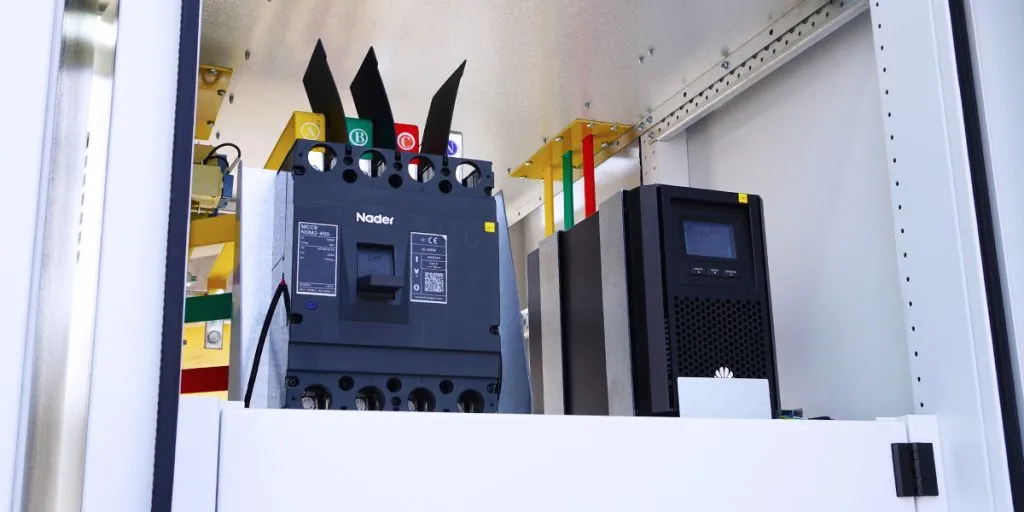
Low-power design choices: sleep modes and DC loads
Reducing energy consumption is often more cost-effective than increasing battery or solar capacity. In off grid solar systems, every watt saved at the load side directly reduces required storage and generation.
Key low-power strategies include selecting cameras with efficient video compression, reducing frame rates during inactive periods, and disabling unnecessary features such as continuous infrared illumination. Communication devices should support scheduled transmission, event-driven uploads, and deep sleep modes.
Whenever possible, loads should operate directly on DC power. Avoiding AC inverters eliminates conversion losses and reduces system complexity. DC-DC converters with low quiescent current are preferred for voltage regulation.
Edge computing can also play an important role. By processing data locally and transmitting only relevant events, communication energy consumption can be significantly reduced.
Cold-weather and shading mitigation for remote sites
Environmental conditions have a significant impact on off grid solar system performance. Low temperatures reduce battery capacity and charging efficiency. In cold climates, batteries should be installed in insulated enclosures, and low-power heaters may be required to maintain safe operating temperatures.
Shading is another critical risk factor. Even partial shading can sharply reduce solar output. Panels should be positioned to avoid shadows from terrain, vegetation, or structures, especially during winter when the sun angle is low. Charge controllers with advanced MPPT algorithms help mitigate partial shading losses.
Designs should be based on worst-case seasonal conditions rather than annual averages to ensure year-round reliability.
Commissioning and remote monitoring tips
Proper commissioning is essential for long-term success. During installation, designers should verify actual solar input, battery voltage stability, and load behavior over full day-night cycles.
Remote monitoring is strongly recommended for all off grid solar systems supporting monitoring stations. Key parameters include battery state of charge, charging current, load current, and internal temperature. Alarm thresholds should be configured for low battery, communication failure, and abnormal power consumption.
Remote configuration capabilities allow system behavior to be optimized over time without physical site visits. Adjusting camera settings, transmission intervals, or sleep schedules can significantly improve nighttime uptime.
An off-grid solar system designed for remote monitoring stations, such as those supported by MEOXsolutions, must prioritize nighttime uptime through accurate load assessment, conservative battery sizing, and efficient power management. By integrating sufficient days of autonomy, low-power device strategies, environmental mitigation, and robust remote monitoring, MEOX systems enable long-term, reliable operation even in harsh and inaccessible locations.
FAQs
Q1: What is an off-grid solar system for remote monitoring?
An off-grid solar system is a self-contained photovoltaic, battery, and charge-control solution designed to power cameras, communication equipment, and sensors at sites without grid access, with a strong focus on continuous nighttime uptime.
Q2: How do I estimate battery capacity for nighttime uptime?
Calculate nightly energy: E_night (Wh) = P_cont (W) × t_night (h). Then multiply by days of autonomy and divide by usable battery fraction (DoD × system efficiency). Example formula:
Battery_nominal ≈ (P_cont × t_night × D) / (DoD × η_system)
Q3: How many days of autonomy are recommended for remote monitoring stations?
Two days of autonomy may be acceptable for sites with easy access. Three days is commonly used for remote monitoring stations. Five days or more is recommended for critical or hard-to-access locations.
Q4: How is solar panel capacity calculated for an off-grid monitoring site?
Solar panel capacity is based on daily energy consumption divided by local peak sun hours and adjusted for system efficiency. Designers typically add a 20–30 percent margin to account for seasonal variation and module aging.
Q5: Should cameras and sensors run on AC or DC power?
DC-native designs are preferred. Operating cameras and sensors directly on DC avoids inverter losses and improves overall efficiency and nighttime uptime.
Q6: How can system size and cost be reduced without sacrificing uptime?
Reducing continuous power consumption through sleep modes, duty cycling, efficient video encoding, and event-driven communication directly lowers required battery and solar capacity.
Q7: How does cold weather affect off-grid solar system performance?
Cold temperatures reduce available battery capacity and charging efficiency. In cold climates, insulated enclosures, suitable battery chemistry, and low-power heaters may be required.
Q8: How can shading issues be mitigated at remote sites?
Solar panels should be installed to avoid seasonal shading, especially in winter. MPPT charge controllers and thoughtful array layout help minimize losses caused by partial shading.
Q9: What parameters should be monitored remotely?
Key parameters include battery state of charge, solar input voltage and current, load current, and internal enclosure temperature. These metrics provide early warning of system issues.
Q10: How should alarms and automated recovery be configured?
Alarm thresholds should trigger alerts and staged load reduction when battery state of charge drops too low. Noncritical loads can be temporarily disabled to protect nighttime uptime.
Q11: How often do off-grid monitoring systems require maintenance?
Most systems require minimal maintenance, such as panel cleaning and visual inspection every six to twelve months. Remote telemetry reduces the need for frequent site visits.
Q12: Can existing monitoring stations be retrofitted with an off-grid solar system?
Yes. Existing monitoring stations can be upgraded by measuring real power consumption, optimizing device settings for low power, and redesigning the solar and battery system accordingly.