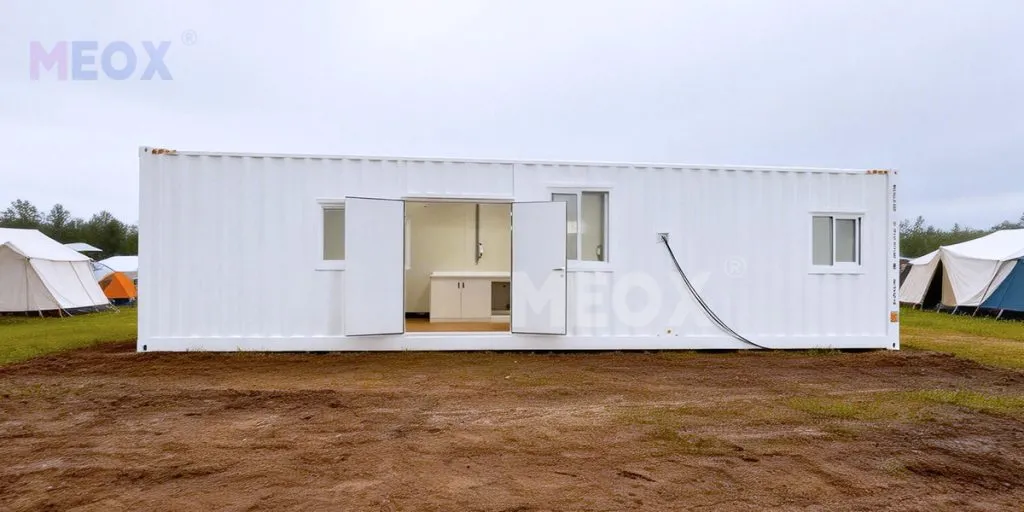
In the immediate aftermath of a disaster, a command container becomes a small nerve center. It coordinates rescue teams, handles communications, powers medical devices, and charges critical kit. Picking the right portable solar power station for that container — whether you think of it as a compact unit or a full solar container — is a technical decision with life-safety consequences. This article gives a practical, engineer-focused decision matrix you can use to choose equipment that actually works in the field.
How much power does the command unit really need?
Before you buy anything, build an honest power profile.
Inventory every load. List radios, satellite uplink, routers, laptops, LED scene lights, charge points for phones and radios, small refrigeration for meds, and any medical devices. Note steady draw (watts) and expected daily hours.
Calculate daily Wh.Example: two laptops at 60 W each for 8 hours → 960 Wh. Add routers (20–40 W continuous), a satellite terminal (100–300 W peak), and LED scene lighting (200–400 Wh per evening). Sum to get your baseline daily Wh.
Add resiliency margin.Field ops demand headroom — multiply daily Wh by 1.3–1.5 to allow cloudy days, higher-than-expected usage, and battery aging.
Prioritize circuits. Classify loads as Tier 1 (comms, sat, command server), Tier 2 (lighting, charging), Tier 3 (comfort loads). A portable solar power station should be able to run Tier 1 on its own for a defined period.
Why this matters:a portable power station for disaster that looks large on spec sheets but can’t sustain Tier 1 for 12–24 hours will cause painful tradeoffs in the field.
How do capacity, weight, and recharge speed trade off?
There are three linked variables: stored energy (kWh), mass/portability, and how fast the system can recharge from solar.
Capacity (usable kWh): Look at usable capacity, not nominal. Many systems reserve headroom — your usable Wh is what you actually get.
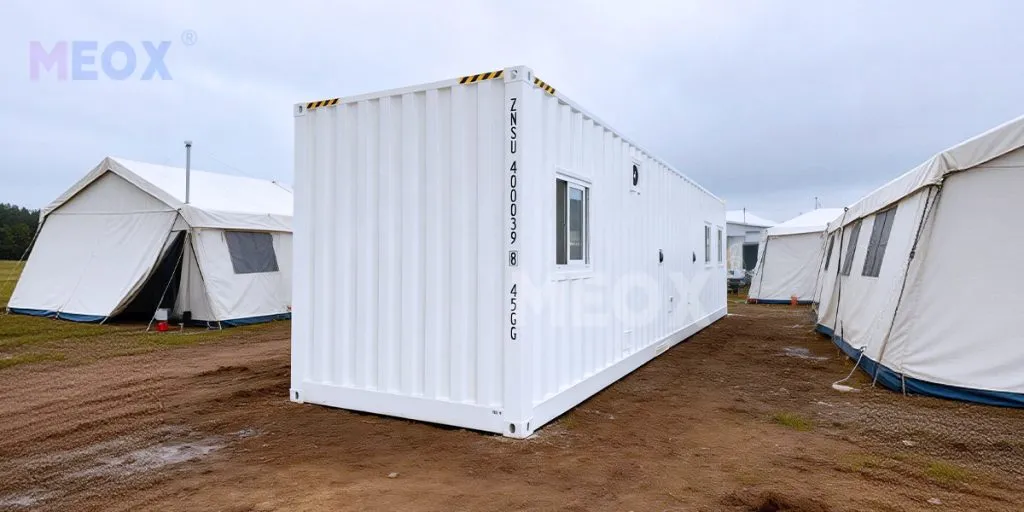
Weight & form factor:Backpackable power modules are useful for short, manual insertions. A solar container gives far more capacity but requires vehicle or crane support. Choose based on how you will move the system to the landing zone.
Recharging speed: This is the single most operationally relevant spec. A fast recharge power station paired with a large PV array can restore a high state-of-charge in hours rather than days. Check maximum PV input (W), allowed array voltage, and MPPT efficiency.
Decision matrix (quick):
If you expect frequent relocation: favor lighter portable solar power station modules with modular battery packs.
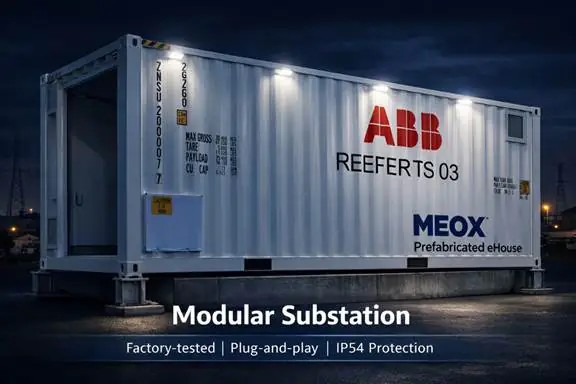
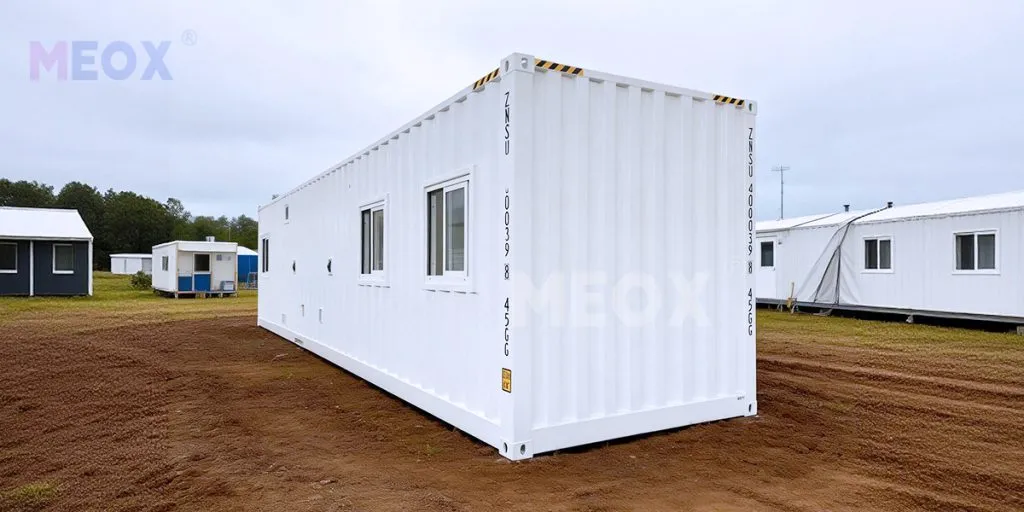
If you will operate from a fixed base for multiple days: favor an emergency power station container or a solar container with higher kWh and integrated PV.
If daylight is unreliable: prioritize higher PV input and fast recharge power station capability so units recover quickly on good sun.
Should you power equipment with AC or DC?
Inverters cost energy and increase failure modes. Match outputs to loads whenever possible.
DC-first design: Many comms devices, routers, and LED drivers accept DC. Using DC distribution avoids inverter losses and extends runtime from the same battery bank.
AC where needed:Laptops and certain UPS systems require AC. Pick a portable solar power station with a pure-sine inverter sized to handle peak and surge. Check surge capacity carefully — radios and compressor fridges often have high inrush currents.
USB-PD and multi-voltage outputs:Modern portable power stations include USB-C PD, 12 V and 24 V regulated ports. These reduce adapter clutter and let you run more from DC.
Hybrid approach: Run Tier 1 DC loads directly. Reserve AC outputs for essential AC-only devices. This hybrid approach stretches runtime and simplifies logistics.
If possible, specify the exact device models your team will run and validate compatibility with the candidate portable solar power station or solar container.
How should solar charging and parallel units be planned?
A single unit is a single point of failure. Plan for scaling and redundancy.
Chaining (parallel) capability:Some portable power station systems allow multiple units to be paralleled or to be connected via a common bus. This is essential for larger command needs. Look for explicit support in the BMS and manufacturer guidance.
N+1 redundancy: Always budget one spare portable power station for disaster use, or an additional battery sled for a containerized setup.
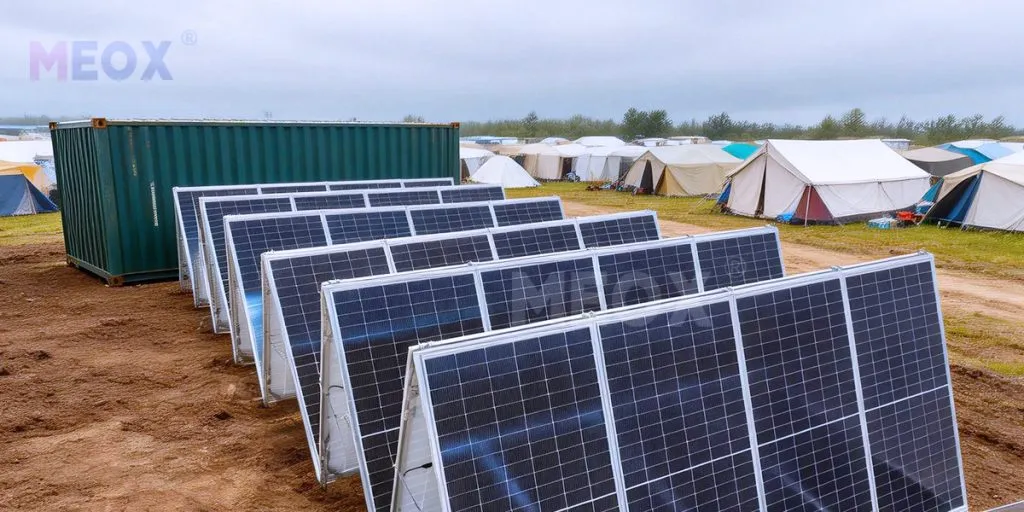
Fast recharge tactics: Use high-voltage panels with MPPT to push more watts into the battery. A certified fast recharge power station will list PV input power and charge curves; insist on those test figures.
Microgrid prioritization: Configure the container panel so that comms and telemetry are evergreen. Use remote load-shed rules to triage non-critical loads automatically.
Swap cadence: For sustained 24/7 ops, rotate fully charged portable solar power station modules into the container while drained units are recharged off-site or under arrays.
Technical note: when chaining battery banks, always use matched capacity and identical BMS protocols. Mismatched banks can cause unequal charging and reduce lifespan.
What rugged and transport features matter most?
Ingress and sealing:Minimum IP54 for exposed ports; for full outdoor camping consider IP65+. Weather sealing prevents salt spray and dust ingress.
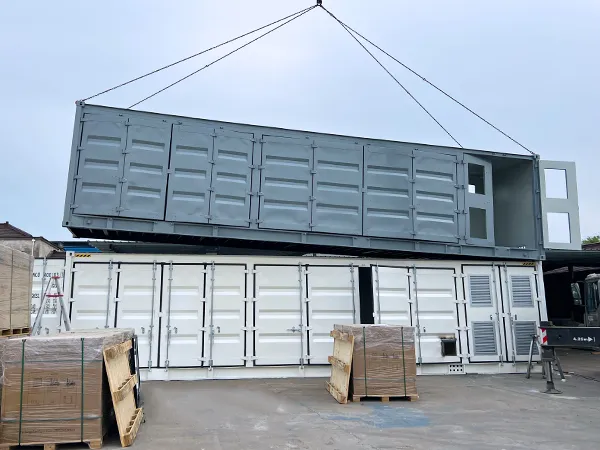
Shock and vibration:Shock mounts, reinforced racks, and secure tie-downs keep cells intact during transport. For a solar container, chasses must meet road and lifting standards.
Thermal management:Batteries need active cooling or heating to operate across extremes. Cold batteries lose effective capacity; hot batteries shorten life.
Standardized connectors:Use industry standard MC4 or similar for PV input and ruggedized connect for DC outputs to speed swaps.
Transport interfaces: Include forklift pockets, lifting lugs, and tie-down points. Track gross weight and center of gravity for safe truck and airlift ops.
If you’re buying a solar container or an emergency power station container, insist on mechanical drawings and transport certifications.
What specs should procurement teams require?
Produce an exact load sheet (device, watts, hours).
Require usable kWh and cycle life in specs for each portable solar power station bid.
Require PV input, MPPT specs, and measured recharge curves for any fast recharge power station claim.
Specify AC inverter continuous and surge ratings (pure sine).
Require DC output types and regulated voltages to avoid needless inverters.
Insist on IP, vibration, and thermal ratings for field ops.
Require BMS communication (CAN/RS485/ethernet) if you plan to chain units.
Verify transportability: weight, lift points, and container interface.
Budget spares: at least one portable power station for disaster spare per 3–5 active units, or one backup emergency power station container for large deployments.
Add telemetry: remote state-of-charge and alarms save precious time.
How is the system operated in the field?
Pre-label every connector and circuit before shipping.
Keep a field kit with spare fuses, cables, and common connectors.
Train crews on prioritizing Tier 1 loads and performing quick battery swaps.
Use remote telemetry where possible to schedule swaps and avoid manual checks.
Which portable solar power station is right for post-disaster command containers? The answer depends on three things: your honest load profile, how you will move the kit, and how fast the units can recharge in field conditions. For short, mobile missions choose lighter portable solar power station modules with modular battery packs. For sustained ops choose a solar container or an emergency power station container with higher capacity and integrated distribution. Wherever possible, favor DC-first designs and fast recharge power station capability so the system recovers quickly on limited sun.
From a systems-integration standpoint used by manufacturers such as MEOX, solar container design should allow smooth scaling — from a single portable solar power station to a fully containerized emergency power station container — while keeping power distribution and control logic consistent.
FAQs
Q: How do I size a portable solar power station for a command container?
A: Build a load sheet (device, watts, hours), sum daily Wh, then apply a 1.3–1.5 resiliency margin. Choose usable kWh that covers Tier 1 loads for the required runtime and confirm inverter surge capacity for peak loads.
Q: Should I prioritize capacity, weight, or recharge speed?
A: It depends on mission profile. For frequent relocation prioritize low weight; for multi-day base operations prioritize capacity (solar container); where limited sun is expected prioritize PV input and a fast recharge power station to shorten recovery time.
Q: Can I run my equipment directly from DC to avoid inverter losses?
A: Yes — a DC-first approach extends runtime and reduces failure points. Use regulated 12/24 V outputs and USB-PD for devices that support DC. Reserve AC from the portable solar power station only for AC-only equipment.
Q: How many portable power stations should I deploy for redundancy?
A: Aim for N+1 redundancy: one spare for every 3–5 active units, or an extra battery sled in containerized setups, so a failed unit doesn’t interrupt Tier 1 services.
Q: What is “chaining” and is it safe to chain different brands/models?
A: Chaining means paralleling multiple stations to increase power/capacity. Only chain units that explicitly support parallel operation and have compatible BMS/communication protocols; avoid mixing different chemistries or unmatched capacities.
Q: What PV input and MPPT specs matter for fast recharge power station capability?
A: Look at maximum continuous PV input watts, allowed array voltage, MPPT efficiency, and recommended panel configurations. A unit with higher PV input and an efficient MPPT will recharge faster under good sun.
Q: What ruggedization features are essential for field use?
A: Minimum IP54 for ports (IP65+ preferred), shock-mounted batteries, thermal management, standardized rugged connectors (MC4, Anderson), and certified lifting/transport points for container systems.
Q: How do I handle high inrush currents (e.g., compressor fridges, radio amplifiers)?
A: Specify an inverter with adequate surge rating (check both peak and sustained ratings) or run such loads from dedicated AC circuits sized for inrush, and consider soft-start devices where feasible.
Q: What maintenance and spares should be prepared in the field?
A: Carry spare fuses, common connectors and cables, a basic tool kit, replacement batteries or modular packs (if supported), and a telemetry gateway for remote SOC monitoring and alerts.