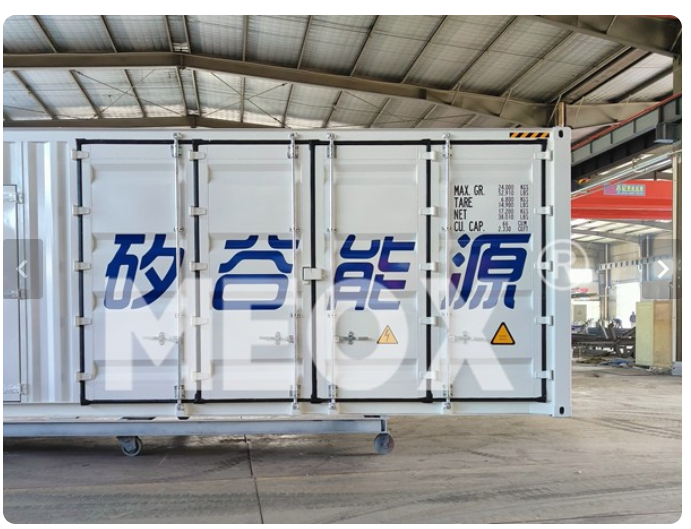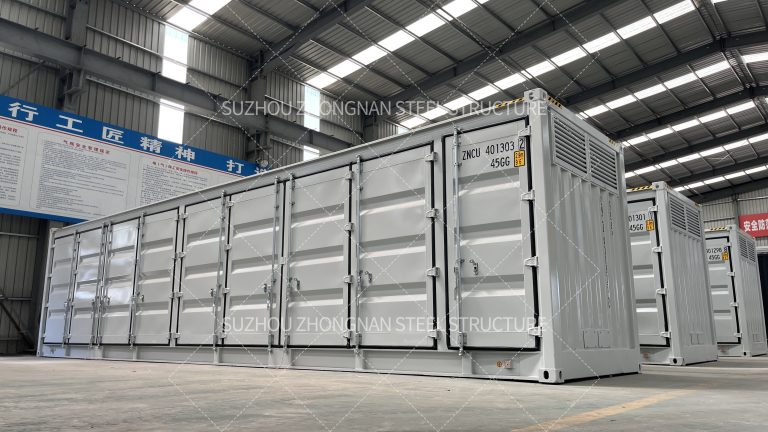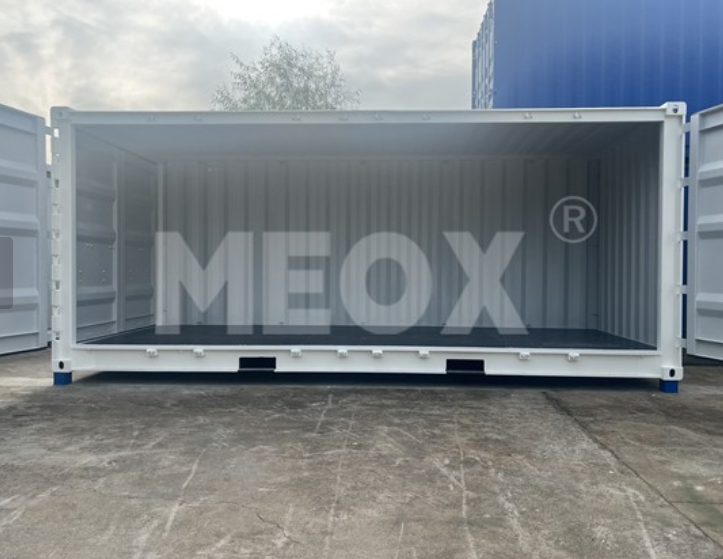
The safe transport and storage of dangerous goods – from volatile chemicals and flammable liquids to toxic substances and reactive solids – demand packaging solutions that are far more robust than conventional containers. As global supply chains intensify and regulations tighten, the evolution of hazardous material packaging hinges critically on breakthroughs in advanced materials. These next-generation substances are transforming dangerous goods containers from passive vessels into active guardians, enhancing safety, durability, sustainability, and logistical efficiency, particularly for wholesale operations handling bulk quantities. Suzhou Zhongnan Intelligent Equipment Co, Ltd., a leading manufacturer with complete production capabilities and a dedicated team specializing in designing and producing both standard and custom container dangerous goods solutions, is at the forefront of integrating these innovations. Their commitment lies in providing wholesale clients with high-quality, reliable, and technologically advanced hazardous material packaging that meets the most stringent global safety standards.
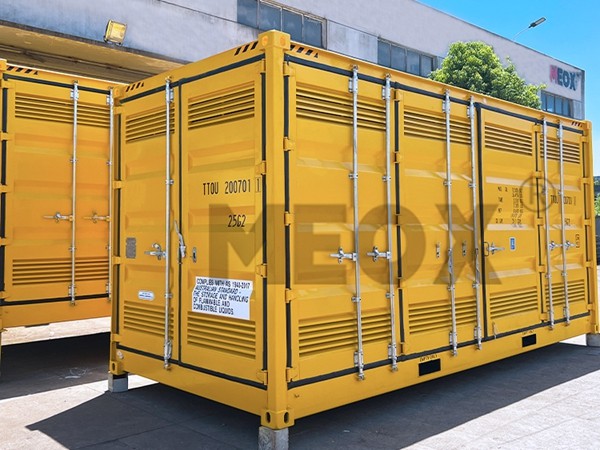
Material Innovations Driving Safer Dangerous Goods Containers
The foundation of next-generation safety lies in the composition of the hazardous material packaging itself. Moving beyond traditional Corten steel, advanced materials offer superior properties:
·High-Strength Composite Laminates: Combining layers of woven fibers with specialized polymer resins creates laminates offering exceptional strength-to-weight ratios. These materials significantly enhance puncture and impact resistance for dangerous goods containers, crucial when transporting volatile substances in wholesale quantities, while potentially reducing tare weight for fuel savings.
·Engineered Thermoplastics & Composites: Specific engineering thermoplastics provide outstanding chemical resistance against a vast array of acids, bases, solvents, and fuels. This is vital for container dangerous goods carrying corrosive materials, preventing degradation and leaks over extended wholesale supply chain journeys, even under harsh environmental conditions.
Enhancing Durability and Corrosion Resistance in Hazardous Material Packaging
Corrosion remains a primary failure mode for dangerous goods containers exposed to aggressive cargo and harsh environments. Advanced materials provide robust solutions:
· Superior Metallic Alloys: Beyond standard steel, alloys incorporating higher levels of chromium, nickel, molybdenum, or titanium offer dramatically improved resistance to specific corrosive agents. While costlier, their longevity and reliability make them essential for wholesale transport of highly corrosive dangerous goods, reducing replacement frequency and lifecycle costs.
· Advanced Polymer Linings and Encapsulation: Applying thick, chemically inert polymer linings or utilizing rotational molding to create fully encapsulated polymer containers provides an impervious barrier. This is particularly effective for hazardous material packaging used in the wholesale chemical industry, protecting both the cargo and the structural integrity of the container dangerous goods unit itself.
·Ceramic and Cermet Coatings: Extremely hard, wear-resistant ceramic coatings or cermets (ceramic-metal composites) applied via thermal spray techniques offer exceptional resistance to abrasion, erosion, and chemical attack at high temperatures. This protects critical areas of dangerous goods containers used in demanding industrial or mining wholesale logistics.
Smart and Functional Materials for Proactive Container Dangerous Goods Safety
The next frontier integrates materials that do more than just contain – they monitor, react, and protect:
·Self-Healing Polymers: Emerging polymer technologies can autonomously repair small punctures or cracks when triggered by exposure to air, moisture, or specific chemicals. Embedded within liners or composite walls of hazardous material packaging, these materials offer an extra layer of security, potentially containing minor breaches before they escalate during wholesale transport.
·Intelligent Sensors and Indicator Materials: Embedding micro-sensors within composite structures or using indicator materials that change color in response to specific conditions (e.g., pH shift, leakage, impact force) provides real-time or forensic monitoring. This “smart” hazardous material packaging enables proactive intervention for wholesale logistics operators and simplifies post-incident analysis for dangerous goods containers.
· Intumescent and Fire-Resistant Composites: Materials designed to expand rapidly when exposed to heat, forming a thick, insulating char layer, are increasingly integrated into the structure of container dangerous goods. Combined with inherently fire-retardant resins in composites, these materials significantly delay fire penetration and spread, buying critical time for emergency response in wholesale storage or transit scenarios.
FAQ: Navigating Advanced Materials in Hazardous Material Packaging
Are containers using advanced materials significantly more expensive than traditional steel dangerous goods containers?
Initially, yes. Materials like high-grade composites, specialized alloys, and nano-coatings carry a premium. However, for wholesale operations, the Total Cost of Ownership is often lower. Benefits include vastly extended service life (reducing replacement costs), superior corrosion resistance (minimizing product loss and container failure), reduced tare weight (saving on fuel), enhanced safety (lowering insurance premiums and risk of costly incidents), and compliance longevity. Manufacturers like Suzhou Zhongnan Intelligent Equipment Co, Ltd. focus on designing solutions where the advanced material investment delivers clear operational and financial returns for bulk handlers.
How do advanced materials impact the UN certification process for hazardous material packaging?
Any new material or design used in dangerous goods containers must undergo rigorous UN certification testing . While advanced materials often perform exceptionally well, the certification process remains stringent. Reputable manufacturers rigorously test prototypes incorporating new materials to ensure they meet or exceed all relevant UN performance criteria before offering them for wholesale use. Documentation proving material performance under test conditions is essential.
Can existing dangerous goods containers be retrofitted with advanced material linings or coatings?
Sometimes, but with limitations. Applying specialized internal polymer linings or advanced external coatings can enhance corrosion resistance for existing steel container dangerous goods. However, integrating structural composites, smart sensors, or self-healing polymers typically requires the advanced materials to be part of the original design and manufacturing process. Retrofitting might not achieve the same performance or certification level as purpose-built hazardous material packaging utilizing these materials from inception. Wholesale users should consult manufacturers for viable upgrade paths.
Do advanced composite materials offer sufficient strength for stacking heavy container dangerous goods in wholesale warehouses?
Absolutely. Modern high-strength composites are engineered specifically to meet and often exceed the stacking strength requirements mandated by UN regulations and international shipping standards . Designs incorporate robust frameworks and strategic reinforcement. When manufactured by experienced companies like Suzhou Zhongnan Intelligent Equipment Co, Ltd., composite dangerous goods containers are fully capable of safe, multi-tier stacking in demanding wholesale logistics environments, often while being lighter than their all-metal counterparts.
Are advanced material solutions for hazardous material packaging environmentally sustainable?
Sustainability is a growing focus. Many advanced materials contribute: Lightweight composites reduce fuel consumption during transport. Enhanced durability extends container lifespan, reducing waste. Some engineered polymers are more readily recyclable than traditional mixed-material packaging. Research into bio-based resins and recycled composite feedstocks is ongoing. Furthermore, preventing leaks through superior containment inherently protects the environment. Reputable manufacturers prioritize developing solutions that balance safety with environmental responsibility for the wholesale market.
The future of hazardous material packaging is inextricably linked to the development and application of advanced materials. From composites defying traditional strength limitations to smart polymers enabling proactive safety and nano-barriers ensuring absolute containment, these innovations are redefining what dangerous goods containers can achieve. For wholesale businesses operating at scale, the shift towards these next-generation solutions represents more than just compliance – it’s a strategic investment in enhanced safety, operational efficiency, reduced risk, and long-term cost savings. The superior corrosion resistance extends container life, lightweight composites cut fuel costs, and integrated smart features provide unprecedented control. Manufacturers committed to R&D, like Suzhou Zhongnan Intelligent Equipment Co, Ltd., with their professional design teams and comprehensive manufacturing capabilities, are pivotal in translating material science breakthroughs into practical, reliable, and certified container dangerous goods solutions. By embracing these advanced materials, the wholesale logistics sector can ensure the safe, efficient, and sustainable movement of essential but hazardous materials across the global supply chain.