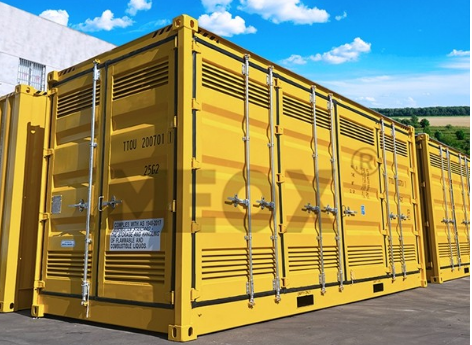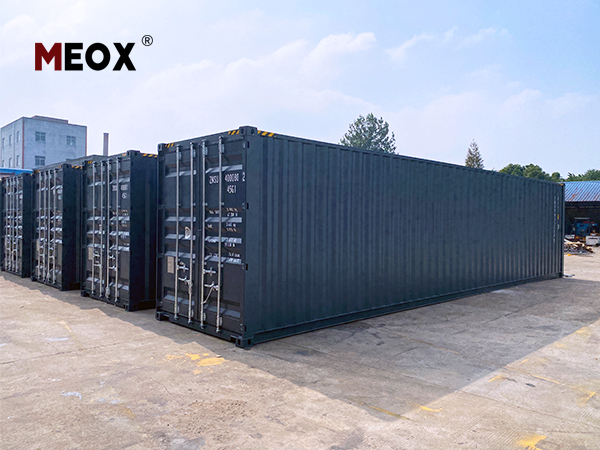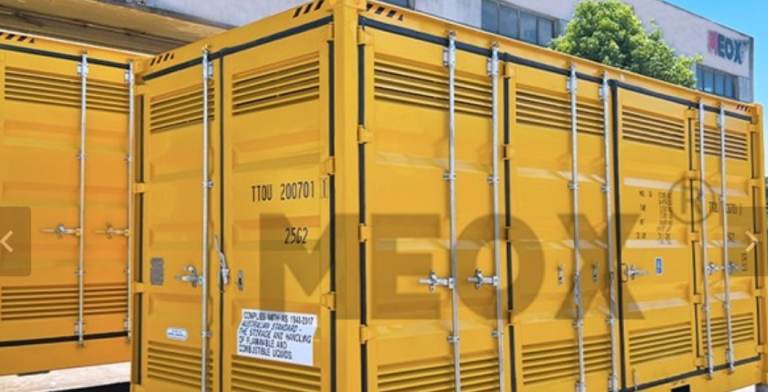
In recent years, house shipping containers have become a mainstream solution for affordable and durable housing. Their steel frameworks are inherently strong, allowing them to withstand extreme weather, including hurricanes, earthquakes, and heavy snow. Many homeowners choose these containers as a cost-effective alternative to traditional construction, particularly in regions where land is limited or labor costs are high. For example, in parts of coastal Japan, container homes are popular because their steel structure resists typhoon-level winds. House shipping containers can also be quickly relocated, making them ideal for temporary housing, disaster relief, or modular community development. Companies specializing in these homes, such as ZN MEOX or regional container housing specialists, ensure that insulation, ventilation, and natural light are optimized to make container homes comfortable and energy-efficient.
Tiny House for Sale Shipping Container for Compact Living
A tiny house for sale shipping container is perfect for individuals, couples, or small families seeking a minimalist lifestyle without sacrificing modern comforts. These compact homes, often 20–40 feet in length, are designed with efficient floor plans that include kitchens, bathrooms, sleeping areas, and storage solutions. Tiny container homes are particularly popular in urban environments where space is limited, and they can also serve as vacation retreats or off-grid residences. In Guam and Fiji, developers have used tiny house for sale shipping containers to build modular beachfront cottages that are easy to assemble and resistant to salty coastal conditions. With smart design, these containers provide all the necessary amenities within a small footprint while remaining affordable and highly durable.
Shipping Container House for Practical Housing
A shipping container house is more than just a repurposed container; it is a practical solution for modern housing needs. Using containers as the structural framework allows quick assembly, even in remote or challenging locations, without the need for large construction teams. Many shipping container houses include modular features, such as stackable units, removable walls, or foldable decks, which increase living space without significant additional cost. In Ireland, architects have designed multi-unit container homes for student housing, taking advantage of the container’s uniform dimensions for stacking and easy transportation. Shipping container houses are also eco-friendly because they recycle steel containers that might otherwise remain unused in ports or shipping yards, reducing the environmental impact of new construction materials.

Converted Shipping Containers for Customized Homes
Converted shipping containers offer the highest level of customization, allowing homeowners to create unique and personalized living spaces. Each container can be retrofitted with windows, doors, insulation, plumbing, electrical wiring, and smart home technologies. These units can be connected side by side or stacked vertically, enabling multi-level designs with rooftop gardens, patios, or additional living areas. In Japan, developers have used converted shipping containers to create earthquake-resistant homes with flexible interior layouts. In coastal areas prone to hurricanes, these containers are reinforced with additional steel bracing and impact-resistant materials. The ability to modify containers for specific living requirements makes converted shipping containers an attractive option for sustainable housing projects, temporary accommodations, and modular community planning.

Shipping Container Buildings for Community Projects
Beyond individual homes, shipping container buildings are increasingly used for schools, offices, medical facilities, and communal spaces. Their modular design allows for rapid construction, often within weeks instead of months. Shipping container buildings can be easily expanded by adding more units or connecting multiple modules. For instance, in Fiji, container-based classrooms were built quickly after cyclones destroyed local schools, providing immediate shelter and learning space for children. Shipping container buildings are designed for durability, energy efficiency, and adaptability, and they can be equipped with HVAC systems, solar panels, and rainwater collection systems. Their versatility allows urban planners and NGOs to implement cost-effective, sustainable solutions for communities in need, making container buildings a practical solution for both temporary and permanent facilities.
Practical Case Studies of Container Homes
Across the globe, house shipping containers have proven practical in diverse environments. In Japan, container homes are designed to withstand earthquakes while providing compact urban housing. In Guam, beachfront tiny container houses resist tropical storms while offering eco-friendly accommodations for tourists. In Ireland, container apartments have been implemented as student housing, providing affordable, modular, and stackable solutions. Even in remote areas of Australia, container-based housing is used for mining camps, where rapid deployment and durability are critical. These case studies highlight the adaptability, strength, and sustainability of shipping container homes, showing why they are becoming a standard option in modern residential design.
Converted shipping containers contribute to sustainable construction practices by repurposing steel containers that would otherwise be scrapped. Their modular design minimizes construction waste, and their ability to be relocated reduces the need for additional foundation work. Many container homes are designed with energy-efficient insulation, double-glazed windows, and green roofs, further reducing environmental impact. In addition, the compact footprint of converted shipping containers encourages minimalistic living, reducing energy consumption and maintenance costs. Sustainable features like rainwater harvesting, solar panels, and natural ventilation are easily integrated, making these homes both environmentally responsible and comfortable for residents.
Future Trends in Container Living
As urban populations grow and environmental concerns become more pressing, shipping container buildings are expected to play a larger role in affordable and sustainable housing. Architects and developers are exploring high-rise container apartments, modular office complexes, and pop-up community centers. Smart home technology is increasingly incorporated into shipping container houses, allowing residents to control lighting, climate, and security through integrated systems. Additionally, modular container units can be combined with other materials, such as timber or concrete, to enhance insulation, aesthetics, and functionality. The versatility of shipping container buildings makes them ideal for disaster relief, temporary housing, and long-term urban development projects worldwide.
Shipping Container House FAQs
What is a house shipping container?
A house shipping container is a repurposed steel shipping container designed as a modular residential unit, offering durability, affordability, and flexibility.
Why choose a tiny house for sale shipping container?
A tiny house for sale shipping container provides compact living with modern amenities, ideal for urban areas, off-grid locations, or minimalistic lifestyles.
Can a shipping container house withstand natural disasters?
Yes, a shipping container house is structurally strong and resistant to hurricanes, earthquakes, and other extreme weather conditions.
What are converted shipping containers used for?
Converted shipping containers can be customized into homes, offices, pop-up facilities, or multi-level modular buildings, providing versatile and durable spaces.
Are shipping container buildings eco-friendly?
Yes, shipping container buildings reuse steel containers, reduce construction waste, and can include energy-efficient systems, making them sustainable and environmentally responsible.
In recent years, modular housing using shipping container houses has expanded globally, particularly in coastal and island regions like Japan, Guam, Fiji, and Ireland. Container homes provide resilient, adaptable, and affordable solutions for challenging environments, with quick construction timelines and modular expansion capabilities. Whether you are looking for house shipping containers for sale, tiny houses, converted shipping containers, or larger shipping container buildings, these solutions offer practical, sustainable, and modern living options. Explore options from reputable container housing companies to design and purchase a home that meets your needs and withstands the test of time.