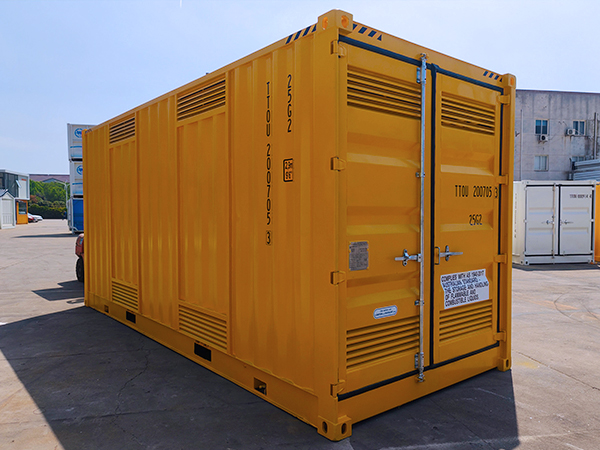
As global water scarcity intensifies, the agricultural sector faces mounting pressure to adopt sustainable practices. One innovative solution gaining traction is the reuse of wastewater through containerized treatment systems. These compact, modular units—including containerized water treatment plants, containerised sewage treatment plants, and containerized reverse osmosis plants—offer farmers a scalable and cost-effective way to reclaim water for irrigation, livestock, and crop management. This article explores how these technologies transform agricultural wastewater into a valuable resource while promoting environmental stewardship.

The Role of Containerized Water Treatment Plants in Agriculture
Agricultural operations generate significant volumes of wastewater, from runoff contaminated with fertilizers to processing residues. Traditional treatment methods often require large infrastructure investments and extensive land use, making them impractical for small to mid-sized farms. Enter the containerized water treatment plant: a self-contained system housed within a shipping container or similar modular structure.
These plants use a combination of physical, chemical, and biological processes to remove contaminants from agricultural wastewater. For example, sediment filters and activated carbon can eliminate particulate matter and organic pollutants, while UV disinfection ensures pathogen-free output. The treated water can then be safely reused for irrigation, reducing reliance on freshwater sources.
The modular design of containerized water treatment plants allows farmers to scale operations based on demand. Whether managing a seasonal harvest or year-round production, these systems can be easily expanded by adding more units. Their portability also makes them ideal for remote farms or temporary agricultural projects.
Transforming Waste with Containerised Sewage Treatment Plants
Livestock farming and on-site worker facilities generate sewage that, if untreated, poses environmental and health risks. Containerised sewage treatment plants address this challenge by converting organic waste into reusable water and byproducts like biosolids, which can be repurposed as fertilizer.
These systems typically incorporate anaerobic digestion or aerobic treatment processes. Anaerobic digesters break down organic matter in oxygen-free environments, producing biogas (a renewable energy source) and nutrient-rich effluent. Aerobic systems, on the other hand, use oxygen-dependent bacteria to decompose waste more rapidly. Both methods result in water clean enough for non-potable agricultural uses, such as cleaning equipment or irrigating non-edible crops.
A key advantage of containerised sewage treatment plants is their ability to operate off-grid. Solar panels or biogas generated on-site can power these units, making them a sustainable choice for farms aiming to reduce their carbon footprint. Additionally, their enclosed design minimizes odors and prevents contamination of surrounding ecosystems.
Precision Purification with Containerized Reverse Osmosis Plants
In regions where wastewater contains high levels of dissolved salts or chemicals, such as pesticide-laden runoff, containerized reverse osmosis plants provide a high-efficiency solution. Reverse osmosis (RO) uses semi-permeable membranes to remove up to 99% of contaminants, including heavy metals, nitrates, and pathogens.
For agriculture, RO-treated water is particularly valuable for sensitive crops or hydroponic systems that require ultra-pure water. The containerized reverse osmosis plant compactly houses all necessary components—pre-filters, high-pressure pumps, and membrane arrays—within a single unit. This plug-and-play setup reduces installation time and costs compared to traditional RO systems.
Farmers can also integrate these plants with other containerized treatment systems for a comprehensive water management strategy. For instance, water pre-treated in a containerized sewage treatment plant can undergo further purification via reverse osmosis, ensuring compliance with strict irrigation standards.
FAQs About Containerized Treatment Systems
How Does a Containerized Water Treatment Plant Save Money for Farmers?
A containerized water treatment plant reduces costs through lower energy consumption, minimal infrastructure requirements, and reduced freshwater purchases. Its modular design allows farmers to pay only for the capacity they need, avoiding upfront investments in oversized systems.
Can a Containerised Sewage Treatment Plant Handle High-Strength Agricultural Waste?
Yes. Containerised sewage treatment plants are engineered to process high-strength organic waste from livestock or food processing. Anaerobic digestion efficiently breaks down complex waste streams while generating biogas for on-site energy use.
What Maintenance Is Required for a Containerized Reverse Osmosis Plant?
A containerized reverse osmosis plant requires periodic membrane cleaning and pre-filter replacements, typically every 6–12 months. Most systems include automated alerts to simplify maintenance scheduling.
Are Containerized Water Treatment Plants Suitable for Farms with Limited Technical Expertise?
Absolutely. Containerized water treatment plants, containerised sewage treatment plants, and containerized reverse osmosis plants are designed for user-friendly operation. Automated controls and remote monitoring enable farmers to manage systems with minimal training.
How Do Containerized Water Treatment Plants Support Sustainable Farming Practices?
By recycling wastewater, these systems reduce freshwater extraction, lower carbon footprints through energy recovery, and prevent pollution. For example, a containerized reverse osmosis plant ensures safe reuse of chemically contaminated water, protecting local ecosystems.
Containerized water treatment plants, containerised sewage treatment plants, and containerized reverse osmosis plants are revolutionizing agricultural water management. By transforming wastewater into a reusable resource, these systems empower farmers to enhance sustainability, cut costs, and safeguard ecosystems. As water scarcity becomes an ever-pressing issue, adopting containerized treatment technologies isn’t just an option—it’s a necessity for a resilient agricultural future.