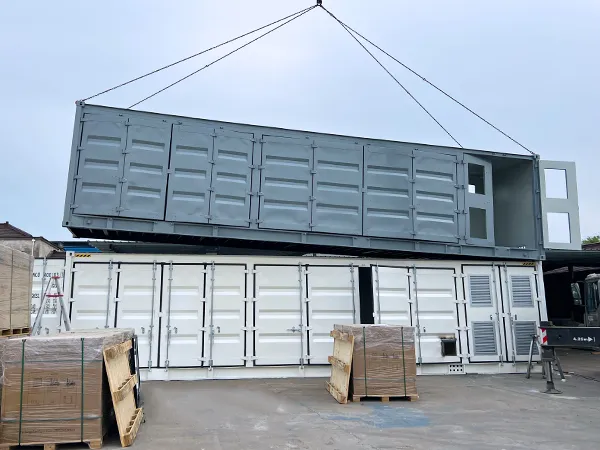
The Rising Demand for Battery Energy Storage Containers
Global energy systems are transitioning toward sustainability, driving demand for adaptable power solutions. Battery energy storage containers address critical gaps in renewable energy adoption. Valued at $12.76 billion in 2023, this market is projected to exceed $55 billion by 2032. These modular systems efficiently store and dispatch energy, mitigating the intermittent nature of solar and wind power. By 2032, they will be foundational in microgrid deployments and large-scale renewables integration.
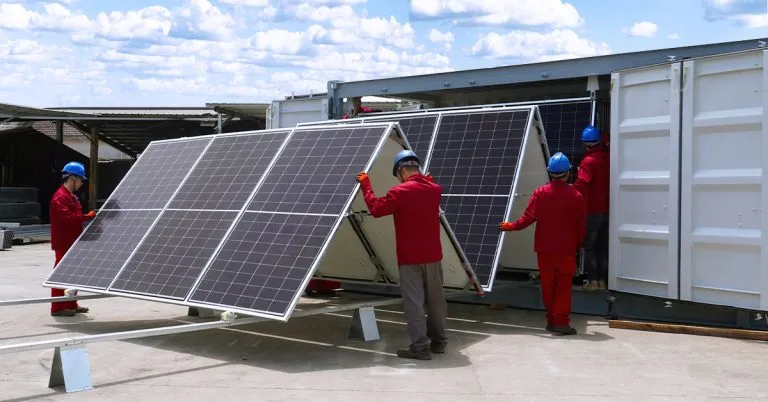
Advancements in lithium‑ion technology have reduced costs by 40% since 2020, making these solutions more economically viable. Mobile solar power integration enables deployment in remote sites, construction zones, or temporary events. Scalable designs allow compatibility with existing grids or off‑grid setups. Government policies, like U.S. tax credits for hybrid solar‑storage projects, further accelerate adoption.
Industries benefit from enhanced grid stability during peak demand and reliable backup during outages. Construction firms replace diesel generators, cutting fuel costs and emissions. Event organizers avoid noise pollution while ensuring uninterrupted power. Hospitals maintain operations during disasters. Mobile solar power paired with energy storage guarantees resilience across sectors.
Lithium-ion innovations and modular designs position these systems as cornerstones of commercial energy strategies, balancing sustainability, cost‑efficiency, and operational reliability—key priorities for modern industries.

Core Components of Battery Energy Storage Containers: Technology Behind Instant Power
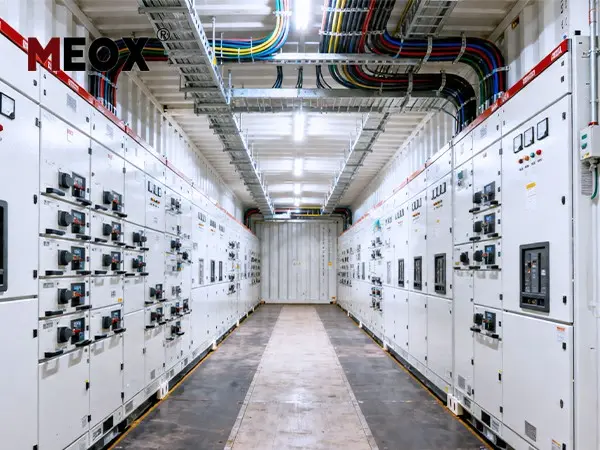
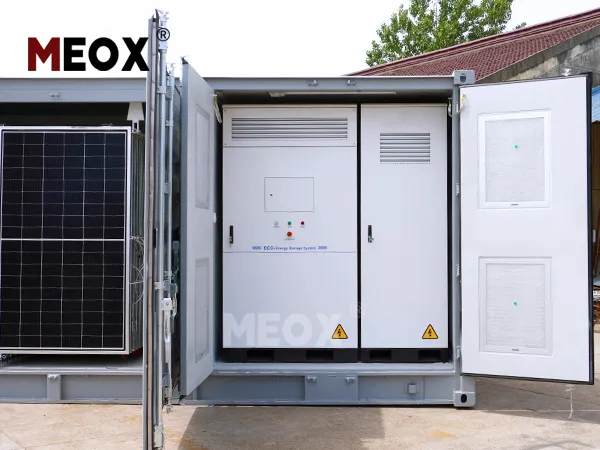
Battery energy storage containers deliver reliable power through carefully engineered systems. These units combine four core technologies to meet industrial and mobile solar power needs:
(1) Battery System: The Energy Core
Lithium‑ion cells store electricity chemically and enable rapid charging. Modular designs allow scaling from 500 kWh to 2 MWh per container. High-performance cells offer over 6,000 charge cycles, supporting more than a decade of use.
(2) Battery Management System (BMS): Safety Guardian
The BMS monitors voltage, temperature, and charge levels in real time. It prevents overheating and balances energy across modules. This system extends battery lifespan and ensures compliance with standards like UL 9540.
(3) Inverter: Power Translator
The inverter converts DC power to usable AC power. With 98% efficiency and bidirectional flow, it enables seamless switching between grid, mobile solar power inputs, and backup operation.
(4) Energy Management System (EMS): Efficiency Optimizer
The EMS coordinates the BMS, the inverter, and external energy sources. It prioritizes renewable energy during peak pricing, reducing operating costs. Real-time analytics enable efficient energy allocation.
(5) Integrated Safety Systems: Risk Mitigator
Autonomous systems for fire suppression, thermal control, and smoke detection meet global safety standards, even in harsh environments.
These technologies enable flexible, clean energy supply for construction sites, events, or off-grid facilities, especially when paired with mobile solar power.

Key Advantages
Battery energy storage containers transform how businesses manage energy. These systems combine cutting‑edge technology with mobile solar power compatibility, delivering measurable cost savings and operational resilience.
(1)Slash Energy Costs
Electricity prices fluctuate hourly. Battery energy storage containers store cheap off‑peak power or mobile solar power for peak‑hour use. This “peak shaving” cuts bills by up to 50%. For example, a shopping center using this strategy saved $18,000 monthly by avoiding high‑tariff grid power with battery energy storage containers.
(2)Generate Revenue
Buy low, sell high—energy arbitrage turns storage into profit. Store energy when prices drop below $0.03/kWh, then sell it during spikes above $0.15/kWh. In Texas, businesses earn $45,000 yearly per battery energy storage shipping container through grid energy trading programs.
(3)Eliminate Downtime
Grid failures cost industries $150 billion annually. Battery energy storage containers activate backup power in 0.2 seconds. Hospitals maintain life support systems; data centers avoid $9,000 per‑minute outage penalties. Mobile solar power integration extends runtime to 72+ hours.
(4)Stabilize Grids
These containers provide sub‑second frequency control, preventing costly grid deviations. By reducing transmission congestion, they delay costly line upgrades. A California utility saved $200 million by deploying battery energy storage shipping containers instead of rebuilding power lines.
(5)Achieve Sustainability Goals
Pair battery energy storage shipping containers with mobile solar power for 24/7 clean energy. A 1 MWh container offsets 480 tons of CO₂ over 10 years—equivalent to planting 12,000 trees. Government incentives like 30% U.S. tax credits accelerate ROI to 3–5 years.

Three Modes of Powering for Commercial & Events
Battery energy storage containers offer flexible deployment across multiple power modes. Whether tied to the grid, fully off-grid, or operating in hybrid configurations, battery energy storage containers integrate seamlessly with solar and mobile solar power sources to reduce energy costs and boost resilience.
(1) Grid-Tied Mode: Cut Peak Energy Costs
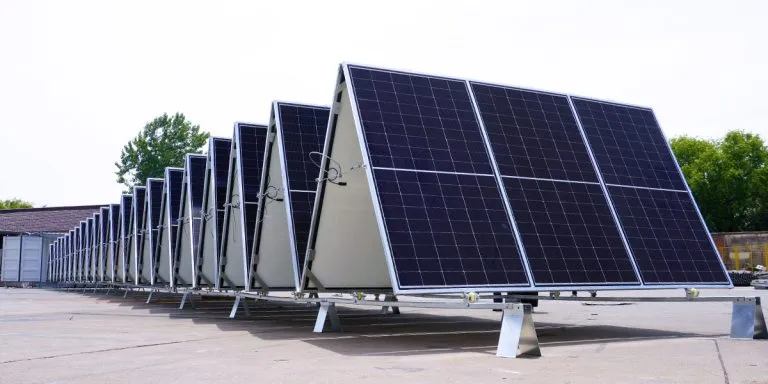
How It Works: Solar panels charge the batteries during the day. EMS prioritizes solar and mobile solar power for immediate use. Excess energy is sold to the grid at peak pricing. At night, stored energy offsets expensive electricity rates.
Benefit: Cut electricity bills by over 50% with a payback period of 2–3 years. A California warehouse saved $22,000 monthly.
(2) Off-Grid Mode: Energy Independence Anywhere
How It Works: Mobile solar arrays recharge batteries daily. The container operates without grid dependency. Inverters supply AC power, and diesel generators act only as a last resort.
Benefit: Eliminate fuel costs and achieve full energy autonomy. One Australian mining site saved $480,000 annually in diesel expenses.
(3) Hybrid Mode: Balance Grid and Backup Power
How It Works: Connected to grid, solar, and storage simultaneously. EMS selects the lowest-cost source in real time. During blackouts, battery backup activates instantly, with diesel generators used only when necessary.
Benefit: Reduce diesel usage by 70% while ensuring no downtime. A Tokyo hotel avoided $120,000 in losses during typhoon season.

Powering Commercial & Events: Top Use Cases
Commercial Facilities & Construction Sites
A construction site in Texas reduced downtime by 30% using battery energy storage shipping containers. The system powers tools and lighting 24/7, eliminating diesel generator failures. Malls deploy these units to slash peak‑hour grid consumption by 50%.
Large-Scale Events & Festivals
A 10,000‑person music festival ran entirely on battery energy storage containers and mobile solar power. Energy costs dropped 66% (3,600 vs. 10,500 for diesel). Attendees enjoyed noise levels below 55 dB—quieter than a conversation. The system prevented 12 tons of CO₂ emissions, aligning with the organizer’s sustainability pledge.