You see the global containerized solar generators market is growing fast. This is because more people want clean energy and better solutions for the planet. The solar generators market is already big. Experts think it will keep getting bigger.
Market Size (USD Million) | Year | Projected Market Size (USD Million) | Projection Year | CAGR (%) | |
|---|---|---|---|---|---|
BlueWeave Consulting | 462.25 | 2022 | 722.11 | 2029 | 6.62 |
Market Research Future | 470.9 | 2023 | 932.7 | 2032 | 7.9 |
MarketsGlob.com | 541 | 2024 | 945.6 | 2031 | 8.2 |

You can see some important reasons for this growth:
People care more about the environment
Solar energy storage is getting better
Governments give helpful rewards
People need power in far away places
New markets are growing, like in Canada
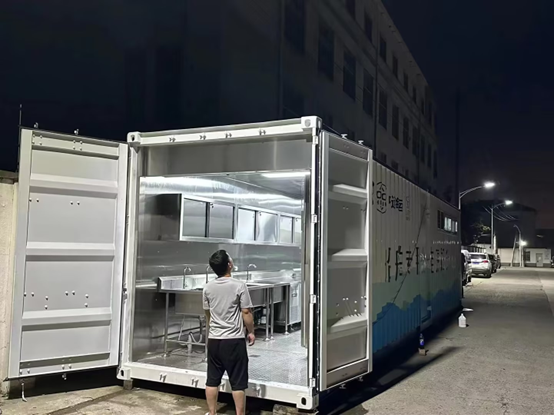
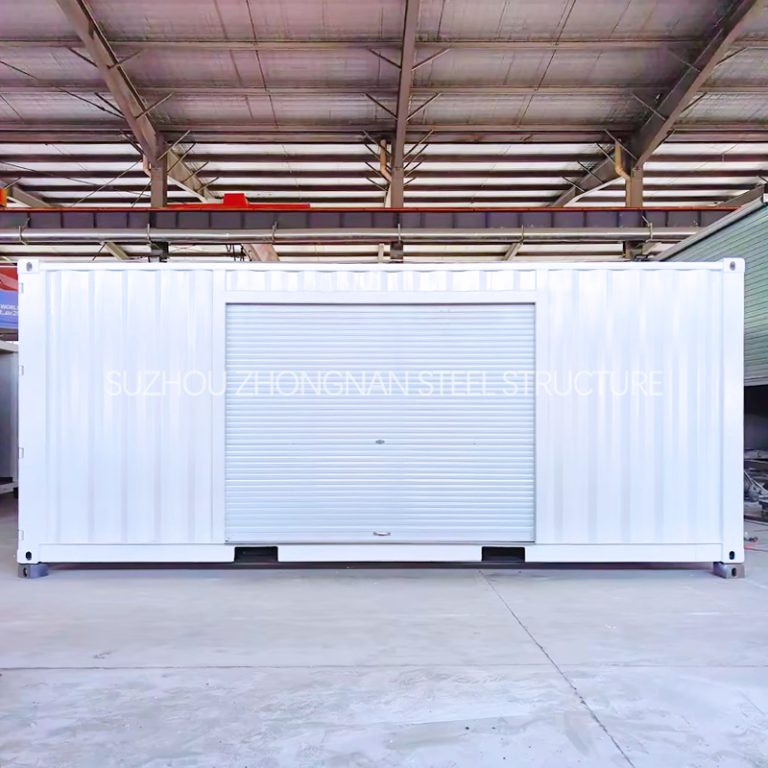
New products like Mobile Solar Container and Solar container can be set up quickly. They help protect the environment and help more people use clean energy around the world.
Key Takeaways
The containerized solar generators market is growing quickly. This is because more people want clean energy and technology is getting better. Government help, cheaper prices, and new designs make solar generators easier to use. People can use them in far away places and places without power lines. New ideas like modular systems and smart monitoring make power more reliable. These also help people save money and keep the environment safe.
Global Containerized Solar Generators Market

Market Size and Growth
The containerized solar generators market is growing fast. In the last ten years, the market more than doubled. This happened because more people want clean energy. There is also a need for steady power in far away places. The market size was $463.2 million in 2022. Experts think it will reach $941.3 million by 2032. The growth rate is about 7.4% each year from 2023 to 2032.
Metric | Value |
|---|---|
Market Size in 2022 | $463.2 million |
Projected Market Size 2032 | $941.3 million |
CAGR (2023-2032) | 7.4% |
Forecast Period | 2023 to 2032 |
Base Year | 2022 |
In the last five years, the market grew quickly. More companies and towns want better energy solutions. Portable solar container units and modular systems are now popular. These are used a lot in Asia Pacific and Canada. Solar panels and batteries cost less now, so more people can buy them. Commercial use makes up over one third of all money made. Stationary solar generators have a 64.7% share in 2024. Portable solar generators are growing the fastest. Their growth rate is over 8%.
Key Drivers
Many things help the containerized solar generators market grow. People around the world want cleaner energy. Countries like Canada spend money on green technology. They want to lower carbon emissions. Solar panels and batteries are cheaper now. This makes solar power a better choice. Governments give rewards like subsidies and tax credits. These help businesses and homeowners pay less. These rules help people use solar power in far away and risky places.
Note: Government rules and environmental laws are important. They make companies use renewable energy and reach green goals.
New technology makes solar generators work better and last longer. Smart monitoring and IoT help set up systems faster. Modular designs make it easy to use solar power anywhere. People need steady power in remote places and during emergencies. Many companies want their own energy and do not want to rely on others. This is very true in Canada, where off-grid places need good power.
Key market drivers include:
Global shift to clean energy and sustainability
Declining costs for solar panels and batteries
Need for reliable power in remote and off-grid areas
Government incentives and supportive policies
Technological improvements in solar generator design
Growing eco-consciousness among consumers and industries
Focus on energy independence and decentralized solutions
Challenges
There are some problems in the containerized solar generators market. It costs a lot to start using these systems. This can slow things down, especially in poorer places. Batteries do not charge very fast. Fuel-powered generators can make more electricity in less time. This makes them tough to beat when power is needed quickly.
Tip: Remember, solar power depends on the weather. If there is not enough sun, batteries are very important.
Batteries cannot always store enough power for long use. This is hard for people living far from cities. Moving and setting up big containers can be tricky and expensive. Problems with supply chains, like during COVID-19, can cause delays.
Different places have different problems. Europe and North America have good support and strong systems. Asia Pacific, Latin America, and Africa have less money and technology. But they still need more energy, so demand is high. Canada is growing fast because it invests in renewable energy and needs off-grid solutions.
Main challenges include:
High upfront investment and equipment costs
Slow battery charging compared to fuel generators
Limited storage capacity for continuous power
Competition from fuel-powered generators
Logistical and climate-related deployment issues
Need for technical expertise and maintenance support
You can solve many problems by picking modular and scalable systems. Working with good partners for support helps too. As technology gets better and prices drop, there will be more chances for growth and new ideas in the containerized solar generators market.
Containerized Solar Generators Market Segmentation
By Type (Grid-Connected, Off-Grid)
There are two main types in this market. These are grid-connected and off-grid. Off-grid systems are the most popular. They made up almost 75% of sales in 2023. You find off-grid systems in places far from cities. They are used at construction sites and where there is no grid. Off-grid solar generators help during disasters and at outdoor events. Hybrid systems mix both types. They are getting more popular because they are flexible and reliable. Grid-connected systems are still used in cities. People use them to save money and help the grid. Off-grid and hybrid systems are growing faster. This is because people need steady power where there is no grid.
By Storage Capacity
You can pick from different storage sizes in this market. The main groups are 10-40kWh, 40-80kWh, 80-150kWh, and above 150kWh. The 80-150kWh group is the biggest. It is best for medium and large jobs because it is not too costly and works well. But, above 150kWh is becoming more popular for businesses. These users need more power for longer times. This is happening because people use more energy now. More people live in cities, and there are stricter rules about carbon.
Storage Capacity (kWh) | Typical Use Case | Market Share Trend |
|---|---|---|
10-40 | Small sites, residential | Low |
40-80 | Small business, telecom | Moderate |
80-150 | Medium/large operations | Highest (2023) |
Above 150 | Commercial, utility, large sites | Fastest growing |
By End-User
The market is split by who uses the generators. These are industrial, residential, commercial, and utility users. Industrial and utility users buy the most. Industries like telecom, construction, and healthcare need strong solar power. They use it in places without a grid. Utilities use these generators to bring power to far away places. Commercial users, like offices and stores, also use solar power. They want clean energy and lower bills. More homes are using solar generators, but not as much as other groups. Good support, remote checks, and easy fixes help keep solar systems working well.
Note: Picking the right type helps you get the power you need. It also makes sure you have steady energy, even in tough places.
Regional Analysis of Containerized Solar Generators
North America Market
Canada leads the world in containerized solar generators. The country has strong rules to cut carbon. There is a big need for solar power in far away places, like Northern Canada. The government spends over CAD 2.75 billion on solar container systems. Public and private groups work together to bring power to Indigenous communities. Canada wants to stop using most diesel by 2035. Big cities like Toronto and Calgary help the market grow. Special solar containers work well in cold winters. Digital tools and green goals also help the market in Canada.
Policy Area | Description |
|---|---|
Decarbonization Commitment | Net-zero by 2050, driving clean energy and solar adoption |
Financial Investment | CAD 2.75B for Zero Emission Transit Fund |
Electrification Plans | Replace 80% of diesel in Indigenous communities by 2035 |
Clean Energy Grants | Over CAD 1.6B in federal grants since 2021 |
ESG & Regulations | Mining and oil fields shift to hybrid solar-diesel solutions |
Europe Market
Europe wants more clean energy. Countries like Germany, the UK, and France use many containerized solar generators. The European Union wants 40% of energy from renewables by 2030. There are strong rules and money to help this goal. Modular solar systems help people save money and use less outside power. The market grows fast, at 11% each year. Solar containers are used quickly in emergencies and far away places. Companies care about the planet and new ideas. Europe’s work helps the whole world use more clean energy.
Key drivers:
Regulatory incentives and sustainability goals
Customizable, scalable solar solutions
Demand for energy independence
Asia Pacific Market
Asia Pacific has the biggest share of the market. India and China lead with big projects and government help. India wants 225 GW of renewable energy, so more solar generators are needed. Almost 80% of the market is off-grid systems. The 80-150 kWh size is most used for big jobs. Papua New Guinea puts off-grid solar at Innovation Hubs. They want 70% of people to have power by 2030. Solar panels cost less now, but regular electricity costs more. Small, easy-to-move solar systems help cities grow and give more people power.
Latin America and Middle East & Africa
Latin America and the Middle East & Africa have their own trends. In Latin America, cheaper technology and new rules help the market. Brazil, Mexico, and Argentina use more types of energy. Chile uses solar containers in mines and far away places. In the Middle East & Africa, more people means more need for power. Solar containers are used in villages, hospitals, schools, and camps. The market grows with new money and government plans. The UAE will spend USD 163 billion for half its energy to be renewable by 2050. Solar containers are important because they are easy to move and help the environment.
Canada’s market is a good example for the world. Now, Canada sends solar containers to over 50 countries. This helps more places use clean energy and protect the planet.
Key Players and Competitive Landscape of Containerized Solar Generators
Leading Companies
The market for containerized solar generators is very active. Many companies try to give the best solar solutions. Some top companies are Juwi, Ameresco, Intech Clean Energy, REC Solar, Jakson Group, REDAVIA, Kirchner Solar, Carnegie Clean Energy, Photon Energy, Enviroearth, Ecosphere Technologies, GSOL Energy, Off-Grid Europe, PWRstation, Silicon CPV, HCI Energy, and MEOX. Each company has its own special skills.
Companies use different ways to stay strong in the market:
For example, Prolectric bought Solatiner to make its off-grid solar products better. In India, BHEL got big solar projects. This shows how companies use local chances to grow. The market gives rewards to companies that bring new ideas and can change quickly.
MEOX and Product Innovation
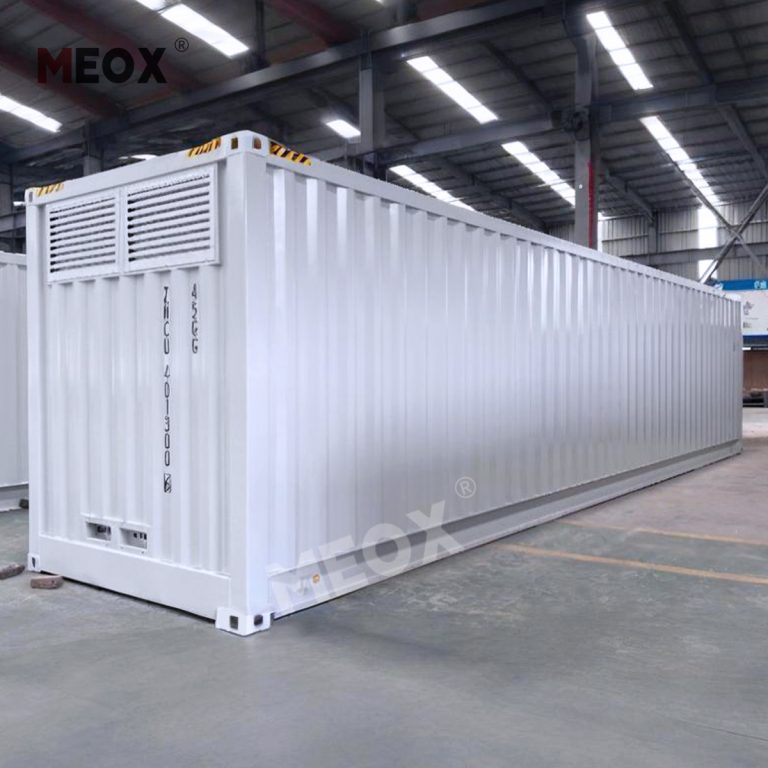
You get new solar container solutions that are strong, work well, and can be set up fast. MEOX makes mobile solar containers with steel that does not rust. They have modular designs and solar panels that move to follow the sun. These things help get up to 26% more energy. You can pick 20ft or 40ft containers. Each one has big lithium-ion batteries and safe enclosures with three safety certificates.
A table below shows the main features:
Feature | Benefit to You |
|---|---|
Modular container design | Quick setup and easy to move |
Adjustable solar panels | More energy made |
High-capacity battery storage | Power all day and night |
IP65, CE, and UL certifications | Safe in tough weather |
Multiple power models | Works for many project sizes |
You also get help after you buy, like remote checks and repairs. If you have problems, trained teams fix them fast. These new ideas help you save money, reach green goals, and have steady power anywhere in the world.
Containerized Solar Generators Market Developments and Trends
Recent Innovations
There are many new ideas in the containerized solar generators market. Companies use modular designs that look like shipping containers. This makes it easy to move and grow the systems. Hybrid systems mix solar, batteries, and other power sources for steady energy. Some new units have solar panel wings that open fast and can handle strong winds. Smart power management uses IoT and AI to watch the system and fix problems before they get big. These new solutions save energy and help things work better with less downtime.
Innovation Aspect | Description |
|---|---|
Modular Design | Scalable, portable units for fast deployment |
Hybrid Power Options | Solar, battery, generator, and grid integration |
Automated Solar Panels | Quick setup, wind-resistant, safe operation |
Smart Monitoring | IoT and AI for system optimization and remote support |
You get safer, quieter, and easier-to-fix systems with these new ideas. All this innovation helps the market grow quickly.
Regulatory Changes
New rules are changing the containerized solar generators market. Many places now want cleaner technology that meets strict standards like Tier 4 Final and Euro VI. These rules make companies build better, cleaner systems. More hybrid systems are being made to mix solar with other power. Companies try to lower pollution and follow environmental laws. In Asia, fast-growing industries bring both problems and chances. More people want green technology and smart systems, so solar solutions are used more.
Note: Rules help you pick solar and hybrid generators for main or backup power.
Notable Projects
Some projects show what is happening in the market now. In Dallas, Oregon, a center uses a 225 kW solar system with 128 kWh storage and a 150 kWh generator. This gives backup power for over two weeks and uses less diesel. In San Jose, California, a 44 kW solar system with 266 kWh storage powers a shelter for 100 people. This project made the air cleaner and saved time by not needing long power lines.
Project Name | Location | System Specs | Impact |
|---|---|---|---|
Readiness Center | Dallas, Oregon | 225 kW PV, 128 kWh storage | 14+ days backup, lower diesel use, cost savings |
Emergency Shelter | San Jose, CA | 44 kW PV, 266 kWh storage | Fast deployment, better air, supports 100 beds |
In Uganda, a solar microgrid gives power to a medical clinic that helps over 200 people each day. This shows how containerized solar generators bring steady energy to far away places. After you buy, you get help like remote checks and quick repairs to keep your system working well.
The market keeps growing as more people want clean, steady, and easy-to-grow energy.
Canada’s containerized solar generators market is growing quickly. Canada is ahead because it uses new technology and spends money on it. People in Canada use digital tools to help set up systems fast. They also get good help after buying. The future for investment looks good. Canada cares about the environment and new ideas. This will help the world market for a long time.
FAQ
What are the main benefits of containerized solar generators for remote sites?
Containerized solar generators give power that is fast and steady. You can set them up in a short time. For example, a mining site in Australia saved 40% on fuel after using them.
How do you handle after-sales support for containerized solar generators?
You get help from far away, fast fixes, and repairs at your site. If your system has a problem, a technician can come in two days. Most problems are fixed by checking the system from a distance.
Can containerized solar generators work during bad weather or at night?
Yes, you still get power all the time. The battery keeps things running at night or when it storms. In Canada, people say they have power 99% of the time, even in cold winters.
Note: Containerized solar generators give steady power for many jobs. You can ask for help if you have questions about the system.
Feature | Value to You |
|---|---|
Fast setup | Power in less than one day |
Remote monitoring | Quick problem detection |
High uptime | Reliable energy, all seasons |
You can count on containerized solar generators for steady power. For more information, look at the product guide or ask your provider. Containerized solar generators help make clean energy for the future.