A diesel generator enclosure is more than a protective shell. It directly affects vibration control, weather resistance, maintenance convenience, and long-term operating safety. For generator systems used outdoors or in demanding industrial settings, a well-designed diesel generator enclosure helps keep performance stable while reducing the risk of deformation, corrosion, and structural failure.
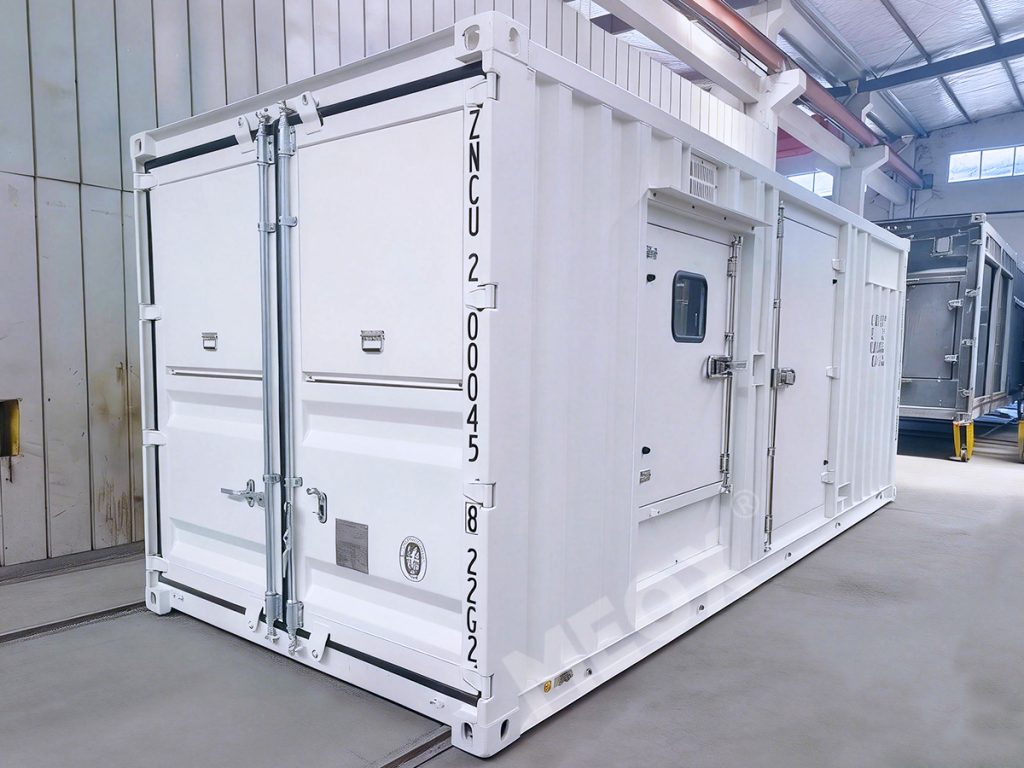
Material Selection for a Diesel Generator Enclosure
The structural performance of a diesel generator enclosure begins with material choice. The goal is not only to build a strong frame, but also to create a housing system that can handle dynamic load, resist corrosion, and remain stable over years of operation.
Primary load-bearing materials
The main frame uses Q345 high-strength steel to improve overall rigidity and deformation resistance. In a diesel generator enclosure, the load-bearing members around the generator mounting area and bottom beams must be especially strong because these areas carry the most vibration and weight. For that reason, critical stress points are locally reinforced to improve structural reliability.
Wall materials are selected with both strength and durability in mind. SPA-H corrosion-resistant steel offers a good balance between anti-rust performance and structural stiffness, making it suitable for outdoor power equipment applications. This helps the diesel generator enclosure stay dependable in environments where moisture, dust, and temperature changes are common.
Protective and auxiliary materials
Durability also depends on the outer protective layer. High-zinc galvanized sheet with elevated coating standards is used to slow corrosion and preserve strength over time. Salt-spray testing helps verify that the surface protection can withstand long-term exposure.
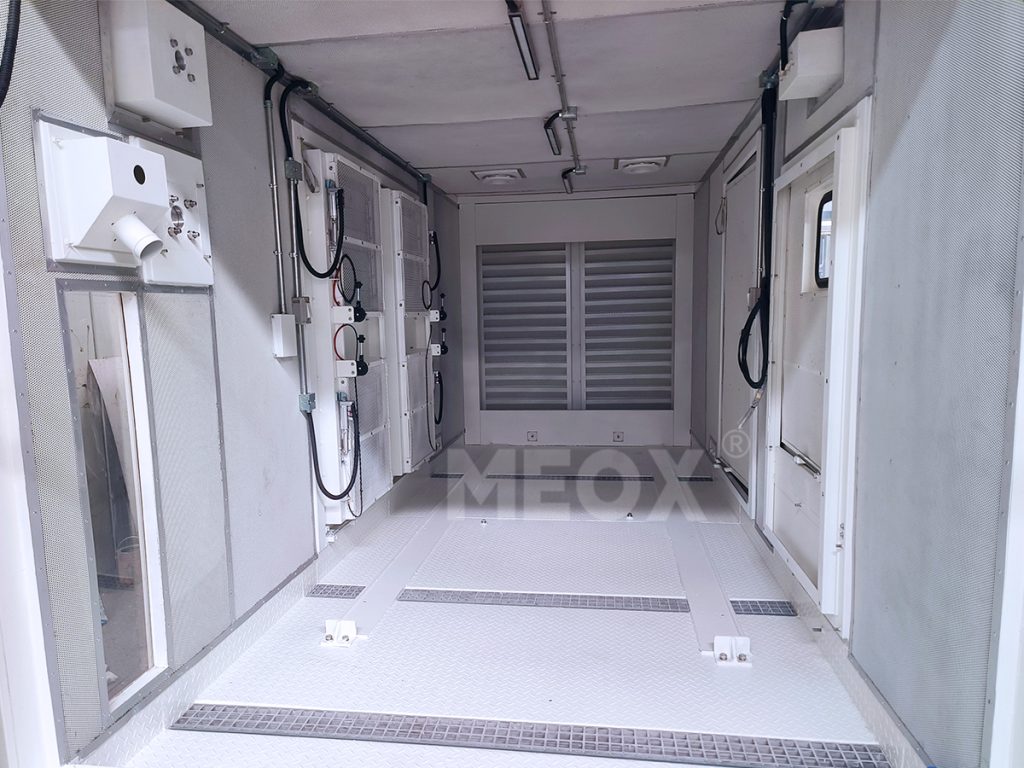
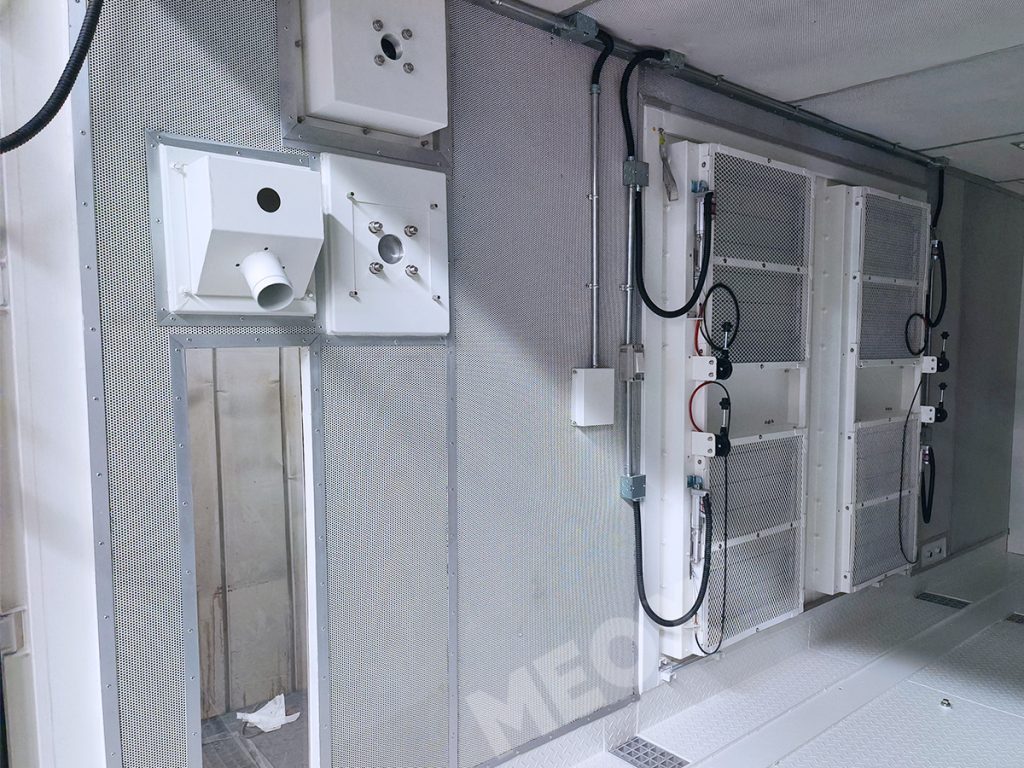
Inside the diesel generator enclosure, the wall assembly uses light steel studs, water-repellent rock wool, glass-fiber fabric wrap, and perforated galvanized sheet. The panels are fastened mechanically with clip-in fittings rather than welded, which avoids damaging the galvanization and reduces the chance of hidden corrosion points. This structure supports sound insulation, thermal stability, and safer long-term operation.
Motorized louvres are another important part of the system. Thick hollow aluminum-alloy blades are selected for deformation resistance and impact strength, helping the diesel generator enclosure maintain ventilation performance without sacrificing durability.
Key Structural Design for a Diesel Generator Enclosure
A strong diesel generator enclosure must be engineered as a complete structural system. The frame, roof, floor, mounting base, and access doors all need to work together to resist load and vibration.
Enclosure shell and load-bearing frame
The exterior wall and roof panels are formed from weathering alloy steel in a single mold, with a plate thickness of at least 3 mm. This design helps prevent roof sagging, water pooling, and the corrosion problems that often shorten service life. In a diesel generator enclosure, these details matter because even small structural distortions can affect sealing, drainage, and overall stability.
The floor uses anti-slip patterned steel plate. It is fully welded across the transverse direction and intermittently welded to the bottom beams. This approach preserves load-bearing strength while also reducing stress concentration from welding. For a diesel generator enclosure, this is especially important because the floor must support equipment weight while resisting constant movement from engine vibration.
Generator mounting and maintenance access
The generator base plate is made from 16 mm thick Q345 steel and measures 200 mm in width. It is continuously welded to the patterned floor plate to create a stable foundation for dynamic load. Inside a diesel generator enclosure, the mounting system must absorb vibration without loosening or deformation, especially during long continuous operation.
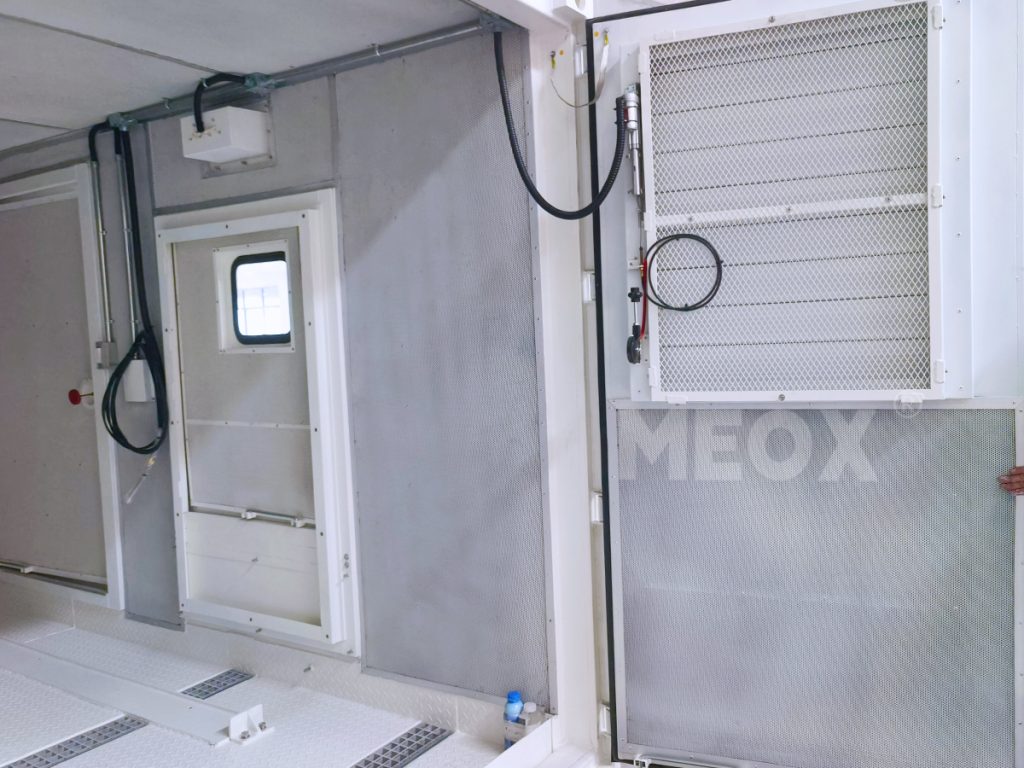
Maintenance doors are another key structural element. Double-layer cold-rolled steel is used, with sound-insulating filling between the layers. The frame is reinforced with thick angle steel and fitted with a stainless-steel automatic door closer, wind latch, and emergency push-bar. These features help the diesel generator enclosure remain easy to service while maintaining door strength and operational safety.
Performance in Harsh Environments
A diesel generator enclosure is often used in outdoor locations where conditions are far from ideal. Coastal humidity, heavy rain, dust, wind, and wide temperature swings all place pressure on the structure. That is why environmental performance must be built into the design from the beginning.
For harsh environments, the enclosure and roof use weathering alloy steel with single-mold forming and a thickness of 3 mm or more. This reduces the risk of sagging and ponding, which can create long-term corrosion problems. In addition, the floor structure uses anti-slip patterned steel with a welding layout that balances strength and stress relief.
In a diesel generator installed in hot, humid, or dusty regions, these measures help protect the generator set and reduce maintenance frequency. A stable structure also supports safer airflow, better sealing, and more consistent acoustic performance.
The interior insulation layer further improves performance in difficult conditions. Rock wool helps with thermal control, while perforated galvanized sheet supports a cleaner internal finish and better durability. The result is a more reliable diesel generator enclosure that can operate consistently in demanding real-world applications.
Hardware and Installation Standards for a Diesel Generator Enclosure
Even the strongest materials will not perform well if the installation and fastening standards are weak. That is why the hardware and assembly process are just as important as the steel used in the frame.
Corrosion-resistant hardware
Moving parts such as hinges, locks, and louvres should use SUS304 stainless steel or hot-dip galvanized materials. These choices help prevent sticking, rusting, and premature wear. In a diesel generator enclosure, hardware failure can affect access, ventilation, and safety, so corrosion-resistant parts are essential.
Welding and fastening quality
Critical structural parts such as walls, bottom beams, and base plates should be fully welded. Weld seams must be inspected to ensure quality, and non-destructive testing can help maintain a high pass rate. Non-critical areas may use intermittent welds to control distortion while keeping the overall structure strong.
Fasteners should use high-strength bolts together with anti-vibration locking washers. This reduces the risk of loosening caused by engine vibration and repeated thermal expansion. For a diesel generator, this detail helps protect both the structure and the equipment inside it.
The attachment system should also be designed for long-term reliability. Structural elements such as walls, floors, base plates, and maintenance doors should rely on secure welded or bolted connections at the right points. When assembled properly, a diesel generator enclosure can better resist shock, vibration, and everyday wear.
Why Structural Strength Matters
The structural strength of a generator enclosure is not just a technical specification. It affects the entire life cycle of the equipment, from installation and daily operation to maintenance and service life. A well-built enclosure helps protect the generator from vibration damage, corrosion, weather exposure, and mechanical instability.
When materials, welding quality, load-bearing design, and corrosion protection are all handled correctly, the diesel generator enclosure becomes a reliable system rather than a simple cover. That is the standard MEOX follows when developing generator housing solutions for real working environments.
A properly engineered diesel generator enclosure supports safe operation, stable performance, and long-term durability. For projects that demand consistent power and dependable protection, structural quality is the foundation of success.