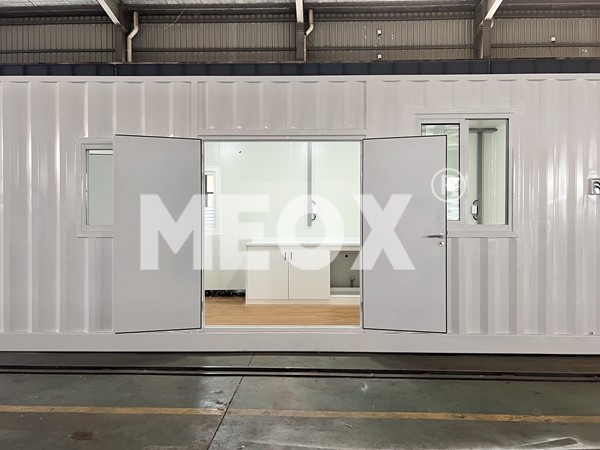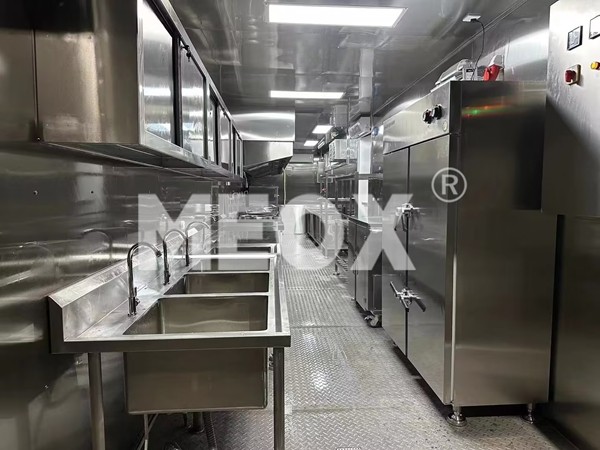
Containerized sewage plants have revolutionized wastewater management, offering portable and efficient solutions for remote areas, construction sites, and emergency scenarios. However, their effectiveness is closely tied to adherence to strict discharge regulations, which ensure treated water meets environmental standards. Containerised water treatment plant, containerised sewage treatment, and containerized reverse osmosis plant systems must comply with these regulations to prevent water pollution and protect ecosystems. Suzhou Zhongnan Intelligent Equipment Co, Ltd, a leader in containerized solutions, integrates regulatory compliance into the design of their wastewater treatment systems, ensuring that each containerised sewage treatment unit not only operates efficiently but also meets global discharge standards.
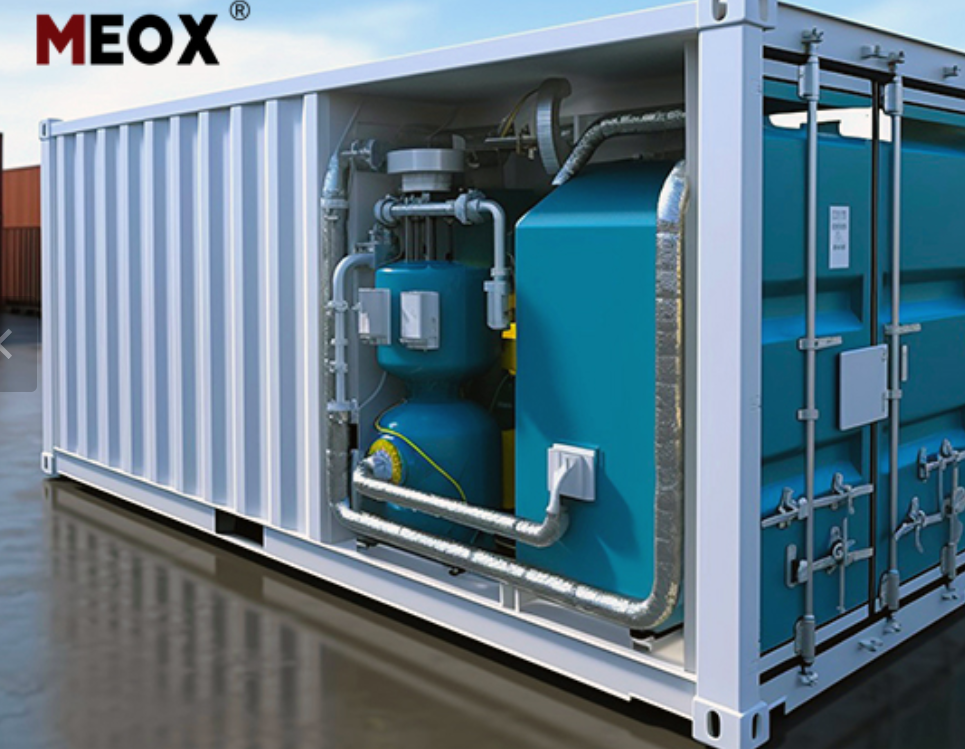
Core Discharge Standards for Containerised Water Treatment Plant
- Pollutant Concentration Limits: Containerised water treatment plant must adhere to strict limits on pollutants like BOD (Biochemical Oxygen Demand), COD (Chemical Oxygen Demand), suspended solids, and pathogens in discharged water. These limits vary by region but typically require BOD levels below 30 mg/L and suspended solids below 30 mg/L for safe release into water bodies. Suzhou Zhongnan Intelligent Equipment Co, Ltd. calibrates their containerised water treatment plant to meet these thresholds, using advanced filtration and biological treatment stages to reduce contaminants effectively.
- pH and Temperature Control: Discharged water from containerised water treatment plant must maintain a neutral pH (usually between 6.5 and 8.5) and temperature close to the receiving water body to avoid disrupting aquatic life. Suzhou Zhongnan Intelligent Equipment Co, Ltd. equips their systems with pH adjustment modules and heat exchangers, ensuring treated water meets these criteria before release, even when processing water with extreme initial pH or temperature.
Monitoring and Reporting in Containerised Sewage Treatment
- Real-Time Sensors: Containerised sewage treatment systems require real-time monitoring of discharge quality, using sensors to track pollutant levels, pH, and flow rate. These sensors alert operators to deviations from standards, allowing immediate adjustments. Suzhou Zhongnan Intelligent Equipment Co, Ltd. integrates these sensors into their containerised sewage treatment units, with data displayed on user-friendly dashboards for easy oversight.
- Compliance Documentation: Regulatory bodies mandate detailed records of discharge quality, maintenance, and operational parameters for containerised sewage treatment plants. Suzhou Zhongnan Intelligent Equipment Co, Ltd. includes automated logging systems in their units, generating reports that simplify compliance audits and demonstrate adherence to regulations over time.
Technology Adaptations for Containerized Reverse Osmosis Plant
- Advanced Filtration for Salinity Control: Containerized reverse osmosis plant systems, used to treat brackish or seawater, must meet discharge standards for salinity, as excessive salt can harm freshwater ecosystems. These plants use reverse osmosis membranes to reduce salt levels, with brine (concentrated saltwater) often disposed of separately or further treated. Suzhou Zhongnan Intelligent Equipment Co, Ltd. optimizes membrane efficiency in their containerized reverse osmosis plant to minimize brine volume, ensuring compliance with salinity discharge limits in coastal and inland regions.
- Disinfection Requirements: Containerized reverse osmosis plant must include disinfection stages (such as UV treatment or chlorination) to eliminate remaining pathogens in treated water, a critical step for meeting discharge regulations. Suzhou Zhongnan Intelligent Equipment Co, Ltd. integrates these stages into their systems, ensuring that even after reverse osmosis, water is safe for release or reuse, aligning with health and environmental standards.
Regional Variations in Compliance for Containerised Sewage Treatment
- Global vs. Local Standards: Containerised sewage treatment systems must adapt to regional regulations, which may be stricter than international norms. For example, the EU’s Urban Waste Water Treatment Directive sets higher standards than some national regulations, while coastal areas may have additional limits on nutrients like nitrogen and phosphorus. Suzhou Zhongnan Intelligent Equipment Co, Ltd. offers customizable containerised sewage treatment units, allowing clients to adjust treatment stages to meet specific regional requirements.
- Temporary and Mobile Exemptions: In emergency scenarios, containerised sewage treatment units may qualify for temporary exemptions from certain regulations, provided they meet minimum safety standards. Suzhou Zhongnan Intelligent Equipment Co, Ltd. designs their systems to switch between standard and emergency modes, ensuring compliance with exemption conditions while maintaining basic water quality safeguards.
Containerized Sewage Plant Discharge FAQS
What happens if a Containerised water treatment plant exceeds discharge limits?
Exceeding discharge limits can result in fines, operational shutdowns, or legal action. Suzhou Zhongnan Intelligent Equipment Co, Ltd.’s containerised water treatment plant includes fail-safes that automatically reduce water flow or trigger additional treatment stages if limits are approached, minimizing the risk of non-compliance.
How often must Containerised sewage treatment systems be inspected for compliance?
Containerised sewage treatment systems typically require quarterly inspections by regulatory bodies, with additional self-monitoring by operators. Suzhou Zhongnan Intelligent Equipment Co, Ltd. provides maintenance schedules and diagnostic tools to ensure systems pass inspections, with features that simplify record-keeping for compliance checks.
Can Containerized reverse osmosis plant handle high-salinity discharge?
Yes, containerized reverse osmosis plant from Suzhou Zhongnan Intelligent Equipment Co, Ltd. includes brine concentration and disposal systems that reduce salinity in discharged water to meet regulations. Some models also enable brine reuse for industrial purposes, further minimizing environmental impact.
Do discharge regulations differ for mobile vs. fixed Containerised water treatment plant?
Regulations are generally consistent, but mobile containerised water treatment plant may have simplified reporting for temporary use. Suzhou Zhongnan Intelligent Equipment Co, Ltd. ensures mobile units meet the same core standards as fixed plants, with flexible documentation to adapt to temporary operation requirements.
How does Suzhou Zhongnan ensure their Containerised sewage treatment meets global regulations?
Suzhou Zhongnan Intelligent Equipment Co, Ltd. designs containerised sewage treatment units based on global standards (such as WHO guidelines and ISO 14001) and offers regional customizations. Their systems undergo third-party testing to verify compliance, ensuring they meet regulations in diverse markets.