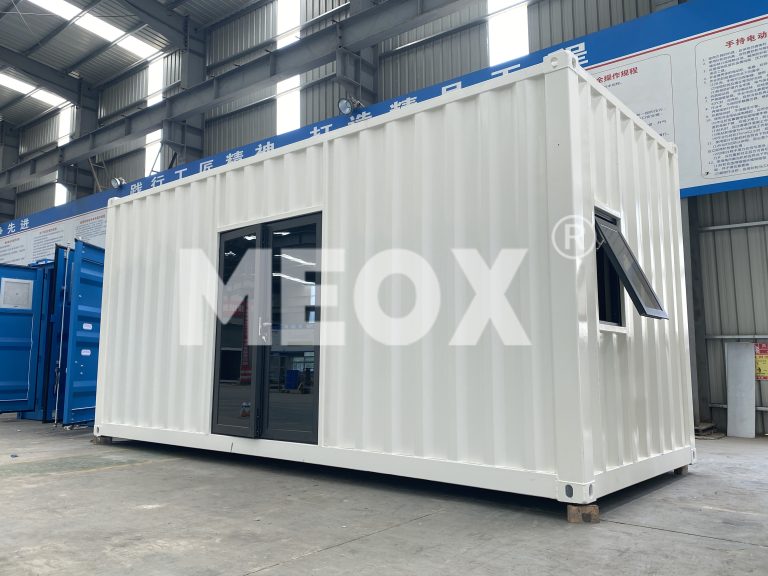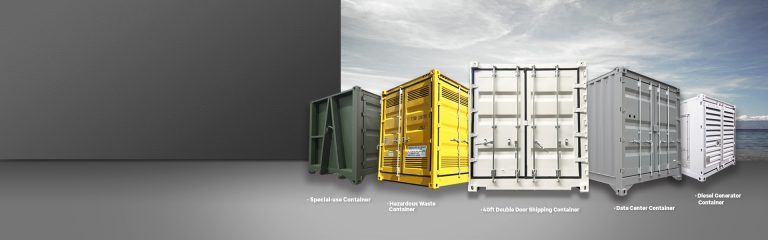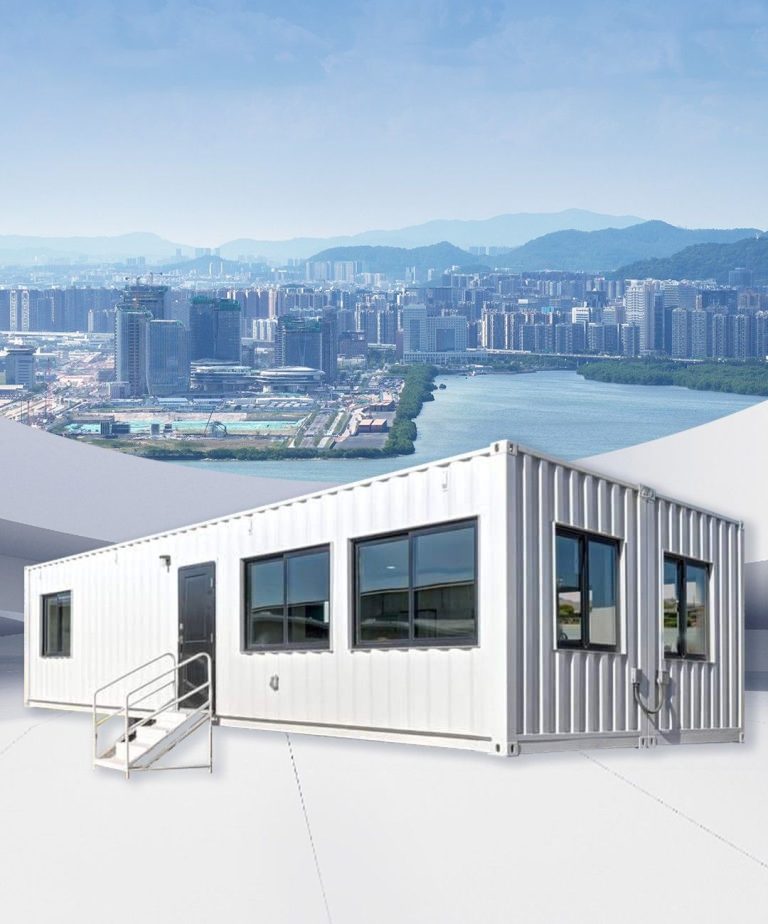
In the demanding field of offshore operations, accurately calculating the load capacity of dnv containers is vital for ensuring safe and efficient cargo transportation. Dnv offshore containers, compliant with the rigorous dnv 2.7 – 1 standard, are engineered to endure harsh marine environments while carrying substantial loads. Suzhou Zhongnan Intelligent Equipment Co, Ltd., a prominent manufacturing enterprise, stands at the forefront of this domain. Equipped with comprehensive manufacturing facilities, a proficient production team, and skilled design technicians, the company is committed to crafting high – quality dnv containers that meet and exceed industry standards. Understanding the intricacies of load capacity calculations for these containers is essential for both manufacturers and end – users.
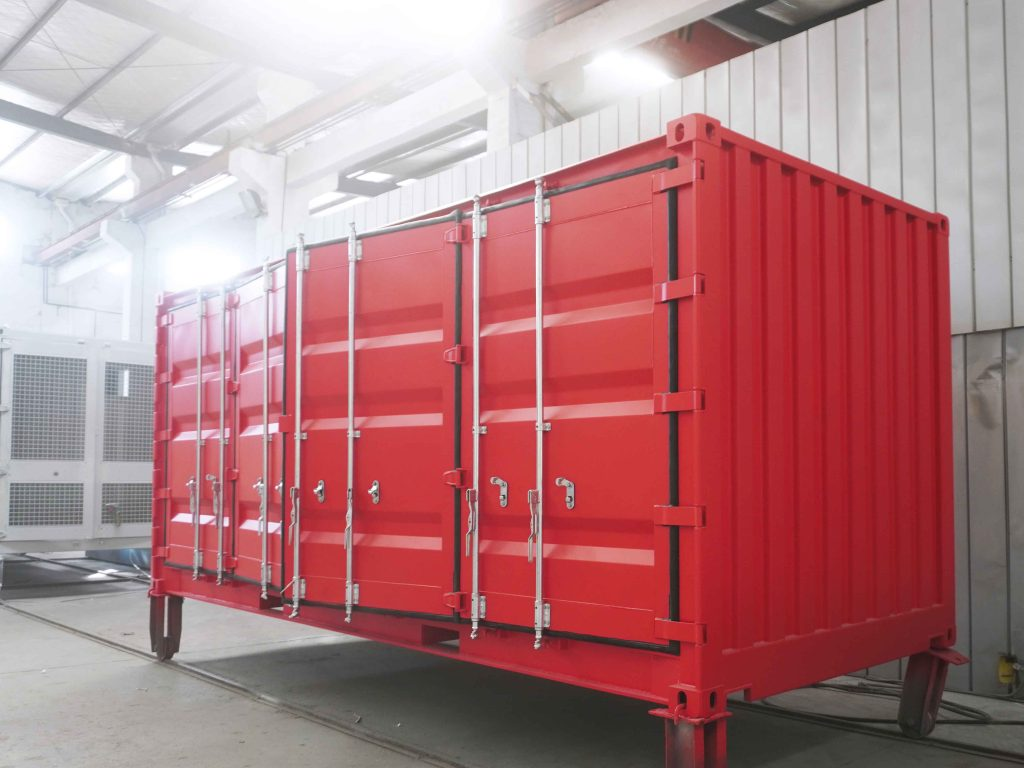
Factors Influencing Load Capacity of DNV Offshore Containers
- Container Structure and Design: The structural integrity and design of dnv offshore containers significantly impact their load capacity. The thickness and quality of materials used, such as high – grade steel, play a crucial role. For example, containers with reinforced corners and robust sidewalls, designed in accordance with dnv 2.7 – 1, can bear heavier loads. The overall shape and internal bracing also contribute to the container’s ability to distribute weight evenly.
- Environmental Conditions: Offshore environments expose dnv containers to various forces like wind, waves, and corrosion. These factors must be considered when calculating load capacity. A container operating in rough seas may need to have a lower actual load to account for the additional stresses imposed by the dynamic marine environment. Corrosion – resistant materials, often used in dnv containers, help maintain load – bearing capabilities over time.
- Loading and Unloading Methods: The way dnv containers are loaded and unloaded affects their load capacity. Improper handling, such as uneven loading or sudden impacts, can compromise the container’s structural strength. Containers designed for specific loading methods, like those with dnv slings for easy and secure lifting, are engineered to handle certain load magnitudes during these operations.
Calculation Methods Based on DNV 2.7 – 1 Standard
- Static Load Calculation: Under the dnv 2.7 – 1 standard, static load calculations determine the maximum weight a dnv container can carry when stationary. This involves considering the container’s structural components’ strength limits, such as the floor’s load – bearing capacity and the frame’s ability to support vertical and horizontal forces. Engineers use detailed material property data and structural analysis software to ensure the container meets safety margins.
- Dynamic Load Calculation: Dynamic load calculations account for the forces acting on dnv offshore containers during transportation, such as acceleration, deceleration, and vibrations. These forces can increase the effective load on the container. By simulating various movement scenarios, manufacturers can determine the container’s dynamic load capacity and design it to withstand these additional stresses without failure.
Load Capacity Ratings of Different DNV Containers
- Standard – Sized DNV Containers: Standard – sized dnv containers, which adhere to the dnv 2.7 – 1 and ISO10855 standards, have predefined load capacity ratings. For instance, a common 20 – foot dnv offshore container might have a rated load capacity of up to 24 metric tons, depending on its design and construction details. These ratings are clearly marked on the container for easy identification by operators.
- Specialized DNV Containers: Specialized dnv containers, designed for specific applications like transporting hazardous materials or serving as mobile laboratories, may have adjusted load capacity ratings. Their design modifications, such as additional safety features or specialized internal fittings, can impact how much weight they can safely carry. These containers undergo more detailed calculations and testing to determine their unique load capacity limits.
| Feature | Description |
| Surface Treatment | Painted or hot – dip galvanized for enhanced corrosion resistance in offshore environments |
| Standard | Complies with dnv 2.7 – 1 and ISO10855, ensuring high – quality and safety standards |
| Options | Available with dnv slings, racks, or cargo nets for versatile loading and securing of cargo |
| Sidewalls | Can be flat or corrugated panels, influencing the container’s structural strength and load – distribution capabilities |
| Design Temperature | Engineered for operating conditions as low as – 20℃ or -40℃, maintaining load – bearing performance in extreme cold |
DNV Containers Importance of Accurate Load Capacity Calculations
- Safety Assurance: Accurate load capacity calculations for dnv containers are a cornerstone of safety in offshore operations. Overloading a container can lead to structural failures, endangering both the cargo and the personnel involved. By adhering to calculated load limits, operators can minimize the risk of accidents and ensure the smooth running of offshore projects.
- Operational Efficiency: Knowing the precise load capacity of dnv offshore containers also improves operational efficiency. It allows for optimal utilization of container space, reducing the number of trips needed for transportation and maximizing the use of resources. This, in turn, can lead to cost savings for businesses relying on these containers for their offshore activities.
DNV Containers FAQS
How Does the DNV 2.7 – 1 Standard Impact Load Capacity Calculations?
The dnv 2.7 – 1 standard sets strict guidelines for the design, construction, and testing of dnv containers. It defines the minimum strength requirements for various components, which directly influence load capacity calculations. By following this standard, manufacturers ensure that containers can safely carry specified loads in offshore environments, providing a benchmark for accurate capacity determination.
Can the Load Capacity of DNV Offshore Containers Be Increased?
In some cases, the load capacity of dnv offshore containers can be increased through design modifications and reinforcement. However, any such changes must comply with the dnv 2.7 – 1 standard and undergo rigorous testing. It’s important to note that unauthorized modifications can compromise the container’s safety and void its certification.
What Should I Do If I’m Unsure About the Load Capacity of a DNV Container?
If you’re unsure about the load capacity of a dnv container, consult the manufacturer, such as Suzhou Zhongnan Intelligent Equipment Co, Ltd. They can provide detailed technical documentation and expert advice based on the container’s specific design and compliance with the dnv 2.7 – 1 standard. Additionally, referring to the container’s load capacity markings and safety instructions is crucial.
How Do Environmental Factors Affect the Actual Load Capacity of DNV Containers?
Environmental factors like strong winds, high waves, and extreme temperatures can increase the stresses on dnv containers, effectively reducing their actual load capacity. For example, in stormy conditions, a container may need to carry less weight to avoid structural damage. Operators must consider these factors and adjust loading practices accordingly to ensure safety.
Where Can I Obtain High – Quality DNV Containers with Accurate Load Capacity Ratings?
For high – quality dnv containers with accurate load capacity ratings, visit the official website of Suzhou Zhongnan Intelligent Equipment Co, Ltd. With their expertise in manufacturing and commitment to adhering to the dnv 2.7 – 1 standard, they offer a wide range of reliable dnv offshore containers. Their comprehensive services and attention to detail ensure that each container meets the highest standards of load – bearing performance and safety. Explore their offerings today and elevate your offshore operations!
Ready to ensure the safety and efficiency of your offshore cargo transportation? Head to the https://zn-meox.com/ of Suzhou Zhongnan Intelligent Equipment Co, Ltd. and discover our top – notch dnv containers. With precise load capacity calculations and strict adherence to the dnv 2.7 – 1 standard, our containers are your reliable choice for all offshore loading and transporting needs. Don’t miss out on quality and safety – start exploring now!