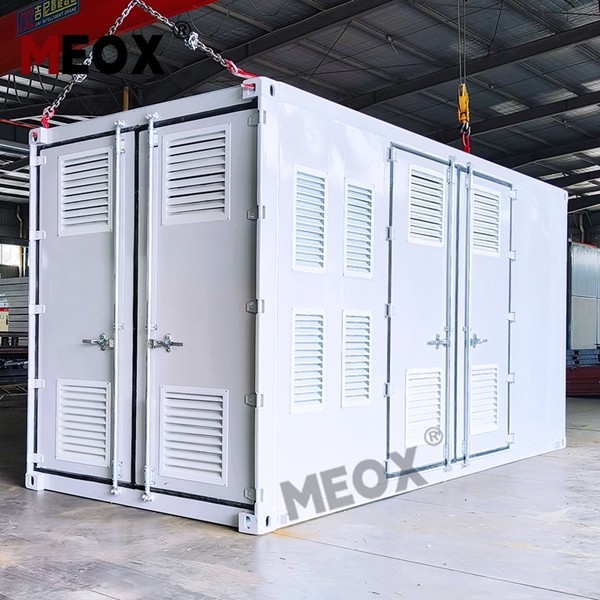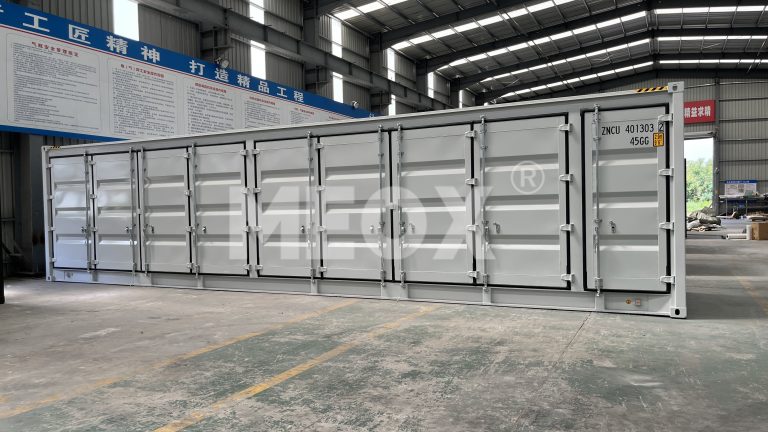
In today’s rapidly evolving world, access to clean water and effective sewage management are critical challenges. Containerised water treatment systems solutions have emerged as innovative, scalable answers to these issues. These modular, pre-fabricated systems offer flexibility and efficiency, addressing both water treatment and sewage disposal needs in various settings, from remote areas to urban environments. This article explores the benefits, applications, and technical aspects of these containerised solutions, highlighting their role in promoting sustainable water management.

Advantages of Containerized Water Treatment Plant
A containerized water treatment plant is designed to deliver comprehensive water purification in a compact, transportable unit. These plants are equipped with advanced filtration, disinfection, and separation technologies, ensuring high-quality water output. One of the primary advantages is their rapid deployment. Unlike traditional stationary plants, which require extensive construction and installation time, containerized plants can be shipped to any location and operational within days. This is particularly beneficial in emergency situations, such as natural disasters, where immediate access to clean water is crucial.
Another key benefit is scalability. Containerized plants can be customized to meet specific capacity requirements, from small-scale applications serving rural communities to large-scale systems for industrial use. They also offer cost-effective solutions by reducing infrastructure costs and minimizing land use. The modular design allows for easy expansion or modification, adapting to changing water treatment needs over time. Additionally, these plants are engineered for energy efficiency, incorporating technologies that reduce power consumption while maintaining optimal performance.
The Role of Containerised Sewage Treatment
Effective sewage treatment is essential for public health and environmental protection. Containerised sewage treatment systems provide a robust solution for processing wastewater in a controlled, efficient manner. These systems utilize biological, chemical, and physical processes to remove contaminants, ensuring treated water meets regulatory standards before discharge or reuse.Containerised sewage treatment units are designed to handle various types of wastewater, including domestic, industrial, and commercial effluents. Their compact size makes them suitable for areas with limited space, such as urban centers or coastal regions where land is scarce. Like their water treatment counterparts, these systems are easily transportable and can be set up quickly, addressing immediate sewage management needs. They also incorporate advanced automation features, allowing for remote monitoring and control, which enhances operational efficiency and reduces maintenance requirements. By integrating with existing infrastructure or operating independently, containerised sewage treatment systems play a vital role in preventing water pollution and promoting circular water economies.
Technical Insights into Containerised RO Plant
A containerised RO plant is a specialized unit designed to remove dissolved salts, minerals, and other contaminants from water through the reverse osmosis process. This technology is widely used in industries requiring high-purity water, such as pharmaceuticals, electronics, and food and beverage production, as well as in desalination applications for coastal areas.
Containerised RO plants are built with pre-assembled components, including RO membranes, pumps, and control systems, all integrated into a standard shipping container. This design ensures easy transportation and quick installation, even in remote or harsh environments. The reverse osmosis process in these plants is highly efficient, capable of removing solids, making them ideal for producing potable water from brackish or seawater. They also feature advanced filtration stages, such as sand filtration and activated carbon treatment, to protect the RO membranes and enhance water quality. With programmable logic controllers, these plants can be automated to adjust operating parameters based on feed water quality, ensuring consistent performance and minimal waste.
Integrating Containerised Water Treatment Systems
Containerised water treatment systems encompass a range of solutions, including water treatment plants, sewage treatment units, and RO plants, all designed to work together seamlessly. Integrating these systems allows for comprehensive water management, from source water treatment to wastewater recycling. For example, a containerised water treatment plant can purify raw water for industrial or domestic use, while a containerised sewage treatment system processes the resulting wastewater, and a containerised RO plant can further treat the effluent for reuse in non-potable applications, such as irrigation or industrial cooling.
This integrated approach promotes sustainability by minimizing water waste and reducing reliance on freshwater sources. It is particularly valuable in regions facing water scarcity, where every drop of water must be managed efficiently. Containerised systems also offer consistency in treatment quality, as each unit is designed to meet specific performance criteria. Their modular nature allows for easy maintenance and component replacement, reducing downtime and ensuring continuous operation. By leveraging containerised technology, industries and communities can achieve reliable, cost-effective, and environmentally friendly water management solutions.
Containerized Water Treatment Plants FAQS
How do containerized water treatment plants differ from traditional systems?
Containerized water treatment plants are pre-fabricated, modular units housed in shipping containers, offering rapid deployment, scalability, and mobility. Unlike traditional systems, which require extensive on-site construction, these plants can be transported and installed quickly, adapting to various environments and capacity needs.
What types of wastewater can containerised sewage treatment systems handle?
Containerised sewage treatment systems are designed to process domestic, industrial, and commercial wastewater. They use advanced treatment processes to remove organic matter, suspended solids, and contaminants, ensuring treated water meets environmental discharge standards or can be reused for non-potable purposes.
What are the key benefits of a containerised RO plant?
A containerised RO plant provides high-purity water through reverse osmosis, effectively removing dissolved salts and minerals. Its benefits include compact design, easy transportation, automated operation, and high efficiency, making it suitable for industries and regions requiring pure water, such as desalination in coastal areas.
Can containerised water treatment systems be used in remote locations?
Yes, containerised water treatment systems are ideal for remote locations due to their mobility and self-contained design. They can be shipped to areas with limited infrastructure, quickly set up, and operated independently, providing clean water and sewage management solutions where traditional systems are impractical.
How does integrating different containerised units enhance water management?
Integrating containerised water treatment systems, including water treatment plants, sewage treatment units, and RO plants, creates a comprehensive solution for water purification, wastewater treatment, and reuse. This integrated approach minimizes water waste, improves resource efficiency, and supports sustainable water cycles in various applications.
In conclusion, containerised water treatment systems and containerized water treatment plant solutions offer transformative approaches to water and sewage management. Their modular design, rapid deployment, and scalability make them suitable for diverse applications, from emergency relief to industrial operations. By addressing both water purification and wastewater treatment needs, these systems contribute to global efforts toward sustainable water use and environmental protection.