DNV offshore containers are engineered to withstand the harshest marine environments—saltwater corrosion, extreme winds, and heavy loads—making their fabrication materials critical to performance and longevity. These containers, including dnv containers and dnv 2.7 1 container variants, adhere to strict DNV2.7-1 ISO10855 standards, ensuring they’re safe for offshore cargo transport, temporary labs, or oil platform workshops. Suzhou Zhongnan Intelligent Equipment Co., Ltd., a leading manufacturer of special and standard containers, leverages professional design teams and complete manufacturing equipment to craft dnv offshore containers with high-quality materials. As a trusted partner for wholesalers, they prioritize durability and compliance, delivering containers that meet offshore industry demands. This article explores the key fabrication materials for durable dnv offshore containers, highlighting how material choices enhance reliability.
Core Structural Materials for DNV 2.7 1 Container
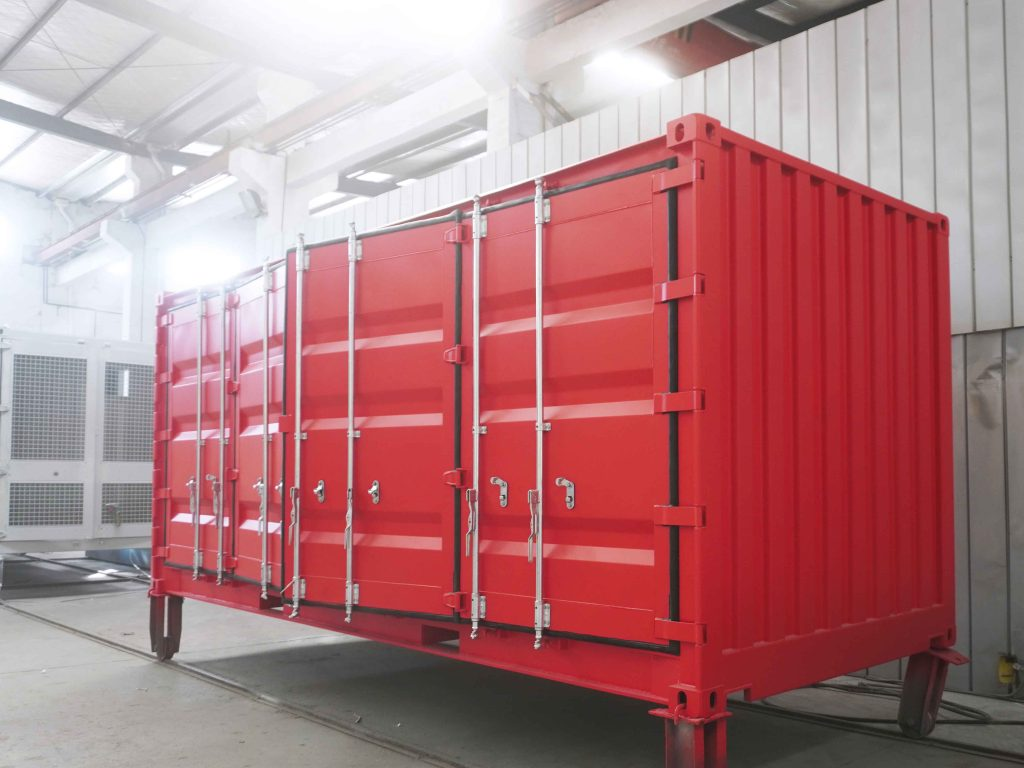
- High-Strength Carbon Steel for DNV Containers: Dnv containersrely on high-strength carbon steel (e.g., S355JR) for their main frames and walls. This material offers exceptional load-bearing capacity, essential for supporting heavy offshore cargo like pipes or equipment. It’s also malleable enough to be shaped into container structures while maintaining rigidity—ideal for withstanding rough handling during lifting (via integrated slings). Wholesalers can emphasize this material’s cost-effectiveness and durability, making it a staple for standard dnv 2.7 1 container models.
- Corrosion-Resistant Alloy for DNV Offshore Containers: Dnv offshore containers often use corrosion-resistant alloys (e.g., duplex stainless steel) for critical components exposed to saltwater. Unlike regular steel, these alloys form a protective oxide layer that prevents rust, even in constant marine spray. Suzhou Zhongnan uses this material for door hinges, lifting lugs, and edge protectors—parts prone to wear and corrosion—ensuring the container’s lifespan in offshore settings.
- Weather-Resistant Aluminum for DNV 2.7 1 Container: For dnv 2.7 1 container models requiring lighter weight (e.g., temporary labs or control consoles), weather-resistant aluminum is a top choice. It’s 30% lighter than steel yet strong enough to resist impact, and its natural oxide layer repels corrosion. This material is ideal for containers that need frequent lifting or transport between offshore platforms, reducing fuel costs for handling equipment.
Key Material Features for DNV Containers
- Compliance with DNV2.7-1 ISO10855 Standards: All materials for dnv containers meet the rigorous DNV2.7-1 ISO10855 standard, which specifies requirements for strength, corrosion resistance, and fire safety. For example, steel must undergo galvanization (hot-dip or electroplating) to meet corrosion-resistance benchmarks, while aluminum must have a minimum thickness to withstand wind loads. This compliance ensures dnv offshore containers are certified for global offshore use— a non-negotiable for wholesalers serving international clients.
- Impact Resistance for Harsh Offshore Use: Materials for dnv 2.7 1 container are tested for impact resistance, as offshore containers often face rough seas or accidental collisions. High-strength steel walls are reinforced with ribbing to absorb shocks, while alloy components have ductile properties that prevent cracking under pressure. This feature protects both the container and its cargo (e.g., sensitive lab equipment or power tools) during transit.
- Fire Retardancy for Safety: Dnv offshore containers used as workshops or control consoles require fire-retardant materials. Suzhou Zhongnan uses flame-resistant coatings on steel surfaces and fire-retardant insulation (e.g., mineral wool) for interior walls. These materials slow the spread of fire and emit minimal toxic smoke, complying with offshore safety regulations and protecting workers in enclosed spaces.
Material Selection for Different DNV Offshore Containers Uses
| DNV Container Use Case | Material Benefit | Best Fabrication Material |
| Cargo Transport (Heavy Equipment) | High load-bearing capacity; corrosion resistance. | High-strength galvanized steel for dnv containers. |
| Temporary Offshore Labs | Lightweight; easy to lift; corrosion resistance. | Weather-resistant aluminum for dnv 2.7 1 container. |
| Oil Platform Workshops | Fire retardancy; impact resistance. | Fire-retardant steel alloy for dnv offshore containers. |
| Power Consoles/Cable Boxes | Electrical conductivity protection; corrosion resistance. | Duplex stainless steel for dnv containers. |
This table helps wholesalers match material choices to dnv offshore containers use cases, ensuring clients get containers tailored to their specific offshore needs.
Material Processing for Durable DNV 2.7 1 Container
- Galvanization for Corrosion Protection: Steel components of dnv 2.7 1 container undergo hot-dip galvanization, where they’re dipped in molten zinc. This process creates a thick, uniform coating that seals the steel from saltwater and humidity—extending the container’s lifespan by 10–15 years compared to uncoated steel. Suzhou Zhongnan’s galvanization facilities ensure consistent coating thickness, meeting DNV standards for corrosion resistance.
- Welding and Joining Techniques: To maintain structural integrity, dnv containers use high-quality welding methods (e.g., MIG or TIG welding) for steel and aluminum components. Welds are inspected via ultrasonic testing to detect hidden flaws, ensuring they can withstand lifting loads (via integrated slings) and offshore winds. This precision reduces the risk of structural failure, a key concern for wholesalers and their clients.
- Surface Coatings for Extra Protection: Dnv offshore containers receive a final layer of marine-grade paint or powder coating. These coatings are UV-resistant and chemical-resistant, protecting against sun damage and oil spills common in offshore oil platform projects. The coating also adds a visible layer of protection, making it easy to inspect for damage during maintenance— a practical benefit for clients managing large container fleets.
DNV Containers FAQS
Do All DNV 2.7 1 Container Use the Same Core Materials?
No, dnv 2.7 1 container materials vary by use case. Cargo containers prioritize high-strength steel for load-bearing, while temporary labs use aluminum for lightweight mobility. However, all materials meet DNV2.7-1 ISO10855 standards—ensuring consistency in safety and durability, regardless of the material chosen.
How Do Materials for DNV Offshore Containers Differ from Standard Shipping Containers?
Dnv offshore containers use corrosion-resistant materials (e.g., duplex stainless steel, galvanized steel) and fire-retardant components, unlike standard containers which often use uncoated steel. These upgrades protect against saltwater, humidity, and offshore fire risks—hazards standard containers aren’t designed to withstand.
Can Fabrication Materials for DNV Containers Be Customized?
Yes, Suzhou Zhongnan offers material customization for dnv containers. For example, clients needing extra corrosion resistance (e.g., for tropical offshore regions) can opt for higher-grade stainless steel, while those prioritizing weight savings can choose thicker aluminum. Customization aligns with specific offshore project requirements, a key advantage for wholesalers.
How Long Do Materials in DNV 2.7 1 Container Last in Offshore Environments?
With proper maintenance, materials in dnv 2.7 1 container last 15–20 years. Galvanized steel resists corrosion for over a decade, while aluminum and stainless steel can last even longer. Regular inspections (e.g., checking coating integrity) extend material life—Suzhou Zhongnan provides maintenance guides to help wholesalers advise clients.
Where Can Wholesalers Source DNV Offshore Containers with Quality Materials?
Suzhou Zhongnan Intelligent Equipment Co., Ltd. manufactures dnv offshore containers, dnv containers, and dnv 2.7 1 container models using certified, durable materials. Visit their website to explore their material options and partner with a trusted manufacturer of DNV-compliant offshore containers.