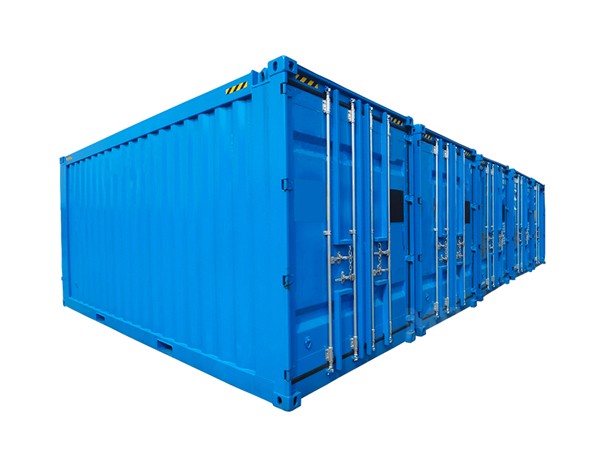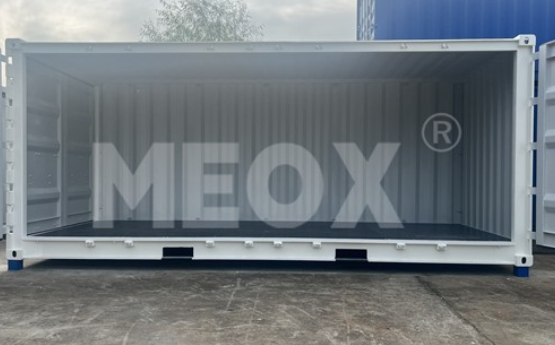
Transporting and storing hazardous materials demands containers with uncompromising safety—especially fire resistance. A dangerous goods container is engineered to withstand high temperatures, contain flames, and prevent hazardous leaks during fire incidents, protecting both cargo and personnel. Alongside 10ft dangerous goods container and hazmat shipping boxes variants, these containers comply with strict standards like CSC certification and Australian export requirements, ensuring global safety compliance. Suzhou Zhongnan Intelligent Equipment Co., Ltd., a leading manufacturer of special containers, leverages professional design teams and complete manufacturing equipment to craft dangerous goods container models with robust fire-resistant features. As a trusted partner for wholesalers, they prioritize customization and quality, delivering solutions tailored to industries handling flammable liquids, gases, or solids. This article explores the key fire resistance features of dangerous goods container options, highlighting how these design elements enhance safety in high-risk environments.
Fire-Resistant Materials for Hazmat Shipping Boxes
- Flame-Retardant Steel for Dangerous Goods Container: The core structure of a dangerous goods container uses flame-retardant steel (e.g., galvanized or alloy-coated steel) that resists melting and warping at high temperatures. This material forms a protective barrier against external flames, preventing heat from penetrating the interior and igniting the cargo. Wholesalers can emphasize that this steel meets international fire safety standards, making it a staple for standard hazmat shipping boxes and larger container models.
- Intumescent Coatings for 10ft Dangerous Goods Container: A 10ft dangerous goods container often features intumescent coatings on interior and exterior surfaces. These coatings expand when exposed to heat (over 200°C), forming a thick, insulating char layer that slows heat transfer. This is critical for containing flammable liquids or gases, as it buys time for emergency response teams to control fires. Suzhou Zhongnan applies these coatings uniformly, ensuring no gaps in protection—even on door edges or hinges.
- Fire-Resistant Insulation for Hazmat Shipping Boxes: Hazmat shipping boxes and larger containers use fire-resistant insulation (e.g., mineral wool or ceramic fiber) between inner and outer walls. This insulation traps heat inside (or outside, depending on the fire source) and prevents temperature spikes that could trigger cargo combustion. It also reduces the risk of toxic smoke emissions, complying with safety regulations for enclosed transport.
Fire-Resistant Structural Design of Dangerous Goods Container
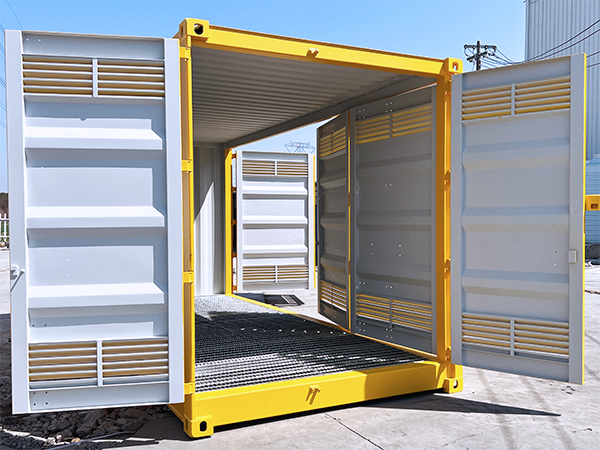
- Sealed Door Systems: A dangerous goods container’s doors are fitted with fire-resistant gaskets made of silicone or graphite. These gaskets expand when heated, sealing gaps between the door and frame to prevent flame or smoke intrusion. For 10ft dangerous goods container models (often used for small-batch hazardous cargo), double-sealed doors add an extra layer of protection, ensuring no leaks even if one gasket fails.
- Pressure-Relief Valves: Dangerous goods container models storing flammable gases or pressurized liquids include fire-activated pressure-relief valves. These valves automatically release excess pressure during fires, preventing the container from exploding due to heat-induced expansion. The valves are calibrated to open at safe pressure levels, balancing cargo containment with structural integrity— a key feature for hazmat shipping boxes handling volatile substances.
- Reinforced Corners and Edges: High-risk areas like container corners and edges (prone to impact or heat concentration) are reinforced with fire-resistant alloy plates in dangerous goods container designs. These plates resist heat damage and prevent structural failure, ensuring the container remains intact even if exposed to direct flames. This reinforcement is especially important for 10ft dangerous goods container models, which have smaller dimensions and more concentrated stress points.
Fire Resistance Solutions for Different Dangerous Goods Container Uses
| Dangerous Goods Type | Fire Resistance Benefit | Best Container Feature |
| Flammable Liquids (e.g., Oil) | Prevents heat penetration; contains spills during fires. | Intumescent-coated dangerous goods container. |
| Pressurized Gases (e.g., Propane) | Relieves pressure to avoid explosion; flame-sealed doors. | Pressure-relief valves + sealed hazmat shipping boxes. |
| Small-Batch Hazardous Solids | Compact design with focused fire protection; easy to transport. | 10ft dangerous goods container with fire-resistant insulation. |
| Mixed Hazardous Cargo | Customizable insulation zones; multi-layer flame protection. | Custom dangerous goods container with segmented fire barriers. |
This table helps wholesalers match fire resistance features to dangerous goods container use cases, ensuring clients get solutions tailored to their specific cargo risks.
Compliance and Testing for 10ft Dangerous Goods Container
- CSC Certification for Fire Safety: All dangerous goods container models from Suzhou Zhongnan hold CSC (Container Safety Convention) certification, which includes rigorous fire resistance testing. Containers are exposed to controlled flames (up to 1,000°C) for specified durations to verify their ability to contain heat and prevent cargo ignition. This certification is non-negotiable for wholesalers serving clients in global trade, as it ensures compliance with international shipping regulations.
- Australian Export Standard Compliance: Hazmat shipping boxes and dangerous goods container models intended for Australian markets meet strict local fire safety standards. These standards require containers to resist fire for longer durations (compared to general standards) and include additional safeguards like fire-extinguishing system compatibility. Suzhou Zhongnan’s design team ensures all components align with these requirements, eliminating compliance barriers for wholesalers.
- Load-Specific Fire Testing: For customized 10ft dangerous goods container models (e.g., those for radioactive or highly flammable cargo), Suzhou Zhongnan conducts load-specific fire tests. Containers are filled with simulated cargo and exposed to fire to validate performance, ensuring the fire resistance features work in real-world scenarios. This testing gives wholesalers and their clients confidence in the container’s ability to handle unique risks.
Dangerous Goods Container FAQS
Do 10ft Dangerous Goods Container Have the Same Fire Resistance as Larger Models?
Yes, 10ft dangerous goods container models have equivalent fire resistance to larger containers—they use the same flame-retardant materials, intumescent coatings, and sealed door systems. The smaller size may include reinforced stress points (e.g., corners) to compensate for reduced structural mass, ensuring no compromise in safety.
Can Hazmat Shipping Boxes Be Customized for Extra Fire Protection?
Absolutely, hazmat shipping boxes can be customized with extra fire protection. Suzhou Zhongnan offers options like thicker fire-resistant insulation, dual pressure-relief valves, or heat-resistant liners for ultra-hazardous cargo. These customizations align with client-specific risks (e.g., high-temperature environments) and help wholesalers serve niche industry needs.
How Long Can a Dangerous Goods Container Withstand Fire?
A standard dangerous goods container can withstand continuous fire (up to 1,000°C) for 30–60 minutes, depending on the materials and design. Custom models with enhanced insulation can extend this to 90 minutes—enough time for emergency teams to respond. This duration is verified through CSC certification testing, ensuring consistency across all units.
Do Fire Resistance Features Add Weight to a Dangerous Goods Container?
Fire resistance features add minimal weight—typically 5–10% of the container’s total weight. For example, a 10ft dangerous goods container with intumescent coatings and insulation may weigh 50–100kg more than a non-fire-resistant model. This weight increase is negligible compared to the safety benefits and doesn’t impact transport efficiency significantly.
Where Can Wholesalers Source Dangerous Goods Container with Reliable Fire Resistance?
Suzhou Zhongnan Intelligent Equipment Co., Ltd. manufactures dangerous goods container and hazmat shipping boxes with certified fire-resistant features. All models hold CSC certification and comply with Australian export standards, with customization options for unique risks. Visit their website to explore their fire-safe container range and partner with a trusted manufacturer for high-risk cargo solutions.