A dangerous good container is made to hold or move hazardous materials safely. These containers are built from strong materials like steel or polyethylene. Many have special coatings that stop rust and damage. Their main job is to keep leaks, spills, and chemical reactions from happening. This helps protect people and the environment. Each container has labels and placards. These show what kind of hazard is inside. This helps workers and emergency teams stay safe.

Why Proper Storage Matters
Storing hazardous materials the right way keeps people, property, and nature safe. If a dangerous good container is not used or cared for, accidents can happen. Fires, explosions, and toxic leaks can hurt people or cause death. They can also damage things. Companies can get big fines and lose trust if they break safety rules.
Rules say companies must use the right container for each hazardous material. For example, flammable liquids need steel drums or tanks. Corrosive substances need containers with special linings. MEOX gives dangerous good container solutions that follow these rules. This helps clients avoid danger and follow the law.
Applications and Real-word Cases
Key Safety Features
Bunded Floors: These floors work like trays. They catch spills and leaks. This stops chemicals from spreading. Soil and water stay clean.
Ventilation Systems: Air moves well inside. Harmful vapors go away. This lowers fire risk. Workers breathe safer air.
Corrosion Resistance: Special coatings stop rust and chemical harm. The container stays strong and safe for a long time.
Chemical Segregation: Containers have separate spaces for each chemical. This stops bad reactions between chemicals that do not mix.
Fire Protection: Some containers use fire-resistant parts. This helps lower fire risks.
Secure Doors and Locks: Strong locks keep out people who should not enter. Hazardous materials stay safe.
Compliance with International Standards
Dangerous goods containers must follow many world rules. These rules make sure containers work well and stay safe. Currently, our core offerings focus on two critical segments:
Export-Compliant Dangerous Goods (DG) Containers: Designed and rigorously tested to meet the stringent international standards of AS 1940 (The storage and handling of flammable and combustible liquids). These units also align with equivalent robust domestic regulations, ensuring seamless global acceptance and safety during transport and overseas use.
Hazardous Substance Storage Cabinets: Engineered specifically for safe, compliant on-site storage within schools, universities, laboratories, factories, and industrial facilities. These cabinets adhere strictly to relevant national safety standards governing the secure local storage of hazardous chemicals. Our unwavering commitment is to deliver solutions that meet or exceed the exact compliance requirements of each specific application and jurisdiction.

Reference Specifications
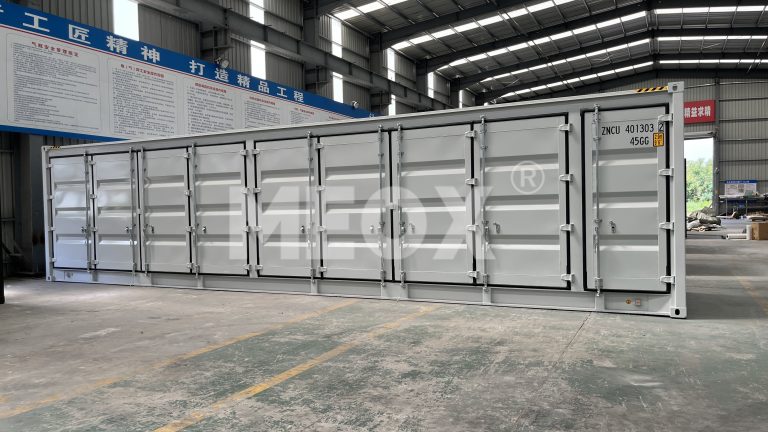
Type:Special transport container
Length(feet):20′
Cubic Capacity:35.1 CBM
External Dimensions(L*W*H)(mm):6058mm*2438mm*2896mm
Internal Dimensions(L*W*H)(mm):5897mm*2287mm*2605mm
Rear Door Opening Dimensions(H*W)(mm):2492mm*2226mm
Model:ISO side opening shipping container
Color:Yellow(Other Customization RAL Color)
Material:SPA-H
Tare Weight:3350Kgs
Max.Cargo Weight:8650Kgs
Max.Gross Weight:12000Kgs
Certification:CSC Certificate
Logo:Customization
Dangerous Goods Container Features
Safety and Compliance
Safety is very important for dangerous good containers. These containers use tough materials and smart designs to keep hazardous materials safe.
Approved Packaging Materials: Packaging must use materials that meet strict rules.
Packaging Compatibility: Materials inside must not react with the container.
Secure Closure and Sealing: Containers must close tightly to stop leaks or spills.
Secondary Containment: Extra layers or trays catch leaks if the main container fails.
Performance Tests: Containers must pass drop, leak, pressure, and stacking tests.
Manufacturer and Shipper Roles: Makers and shippers must follow all rules and keep records.
Packing Group Determination: The level of hazard decides how strong the container must be.
Engineering Controls
Engineering controls help stop leaks, spills, and accidents. These controls use smart systems and equipment to keep hazardous materials inside. Some top engineering controls are:
Bunded floors work like trays and catch leaks.
Ventilation systems remove bad vapors and keep air fresh.
Corrosion-resistant coatings protect containers from chemical damage.
Heating jackets and insulated covers keep chemicals at safe temperatures.
Explosion-proof electrical parts lower fire risks.
Sealed pump systems help move liquids safely.
Regular checks and maintenance find and fix problems early.
Customization and Applications
Many industries need containers made for their special needs. Custom features make dangerous good containers safer and more useful. Common custom features are:
Removable lids with secure locks
Stackable designs for easy storage
Special inserts to hold items in place
Color and label options for quick identification
RFID chips for tracking and safety checks
Ergonomic handles for easy moving
Anti-static and ESD versions for sensitive goods
Partner with MEOX for Uncompromising Safety & Compliance
MEOX delivers this critical safety through core strengths:
Relentless Compliance Focus: Our containers – whether export-certified DG units or domestic storage cabinets – are engineered to meet and exceed AS 1940 and all relevant local standards, ensuring regulatory peace of mind.
Robust Engineering & Quality: Utilizing durable materials like SPA-H steel and advanced features (secondary containment, ventilation, fire protection), we build containers proven to contain hazards and withstand demanding conditions.
Customized Security Solutions: We tailor designs for specific chemical profiles and operational needs, ensuring optimal safety and functionality.
Our expertise ensures your hazardous materials are secured responsibly, minimizing risk at every step.