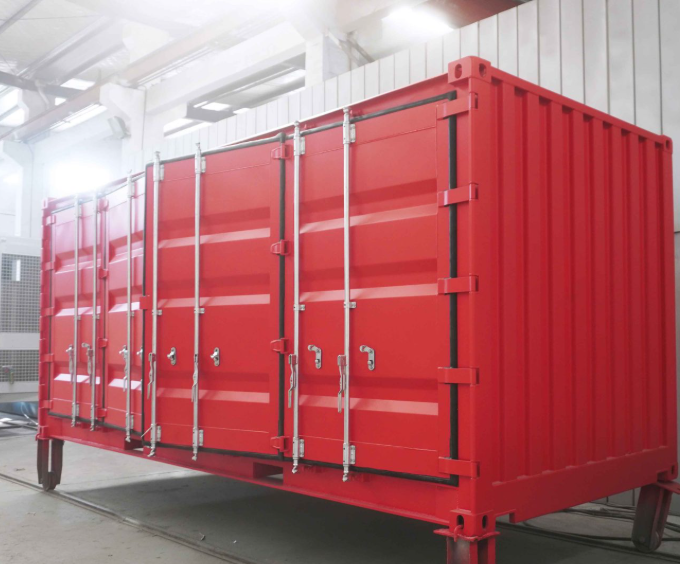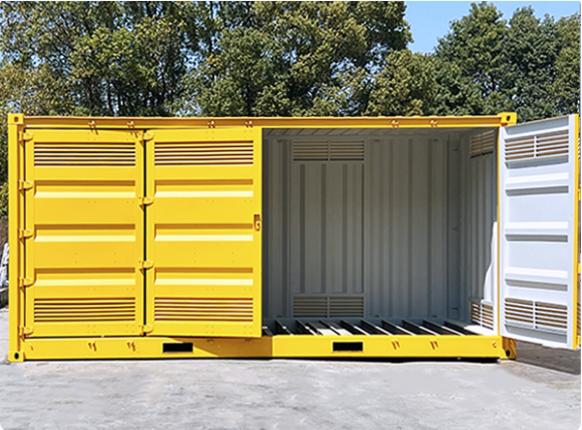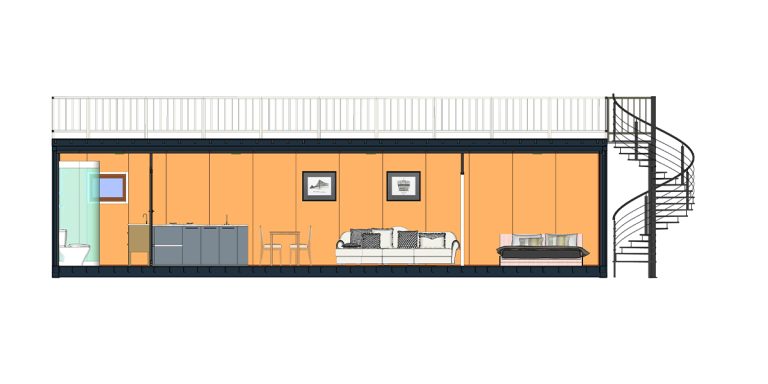
Shipping container kitchens are revolutionizing food service with unprecedented flexibility. These mobile units empower entrepreneurs to launch restaurants faster, expand brands smarter, and reach impossible locations – from urban pop-ups to remote worksites. Forget costly brick-and-mortar constraints; they slash setup times by months and reduce costs by 30-50%. With the ghost kitchen sector alone valued at $71.4 billion, this isn’t a trend – it’s the future of dining.
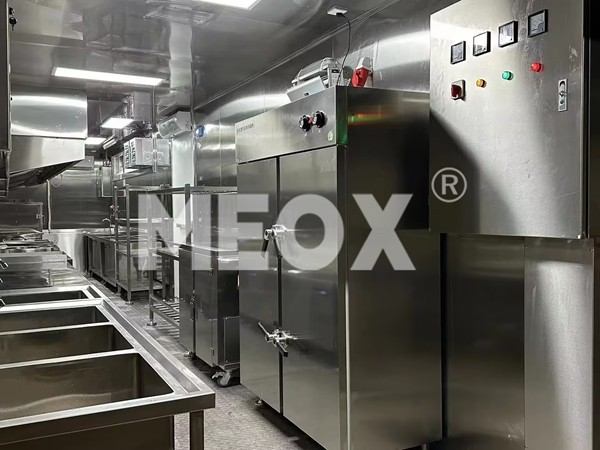
Core Advantages of Container-Based Kitchens
Key benefits include:
Rapid Deployment: Launching a container restaurant occurs much faster than building a traditional one. Most prefabricated kitchens arrive ready for immediate use. Businesses simply connect utilities and commence operations.
Cost Savings: Choosing a shipping container kitchen significantly reduces initial investment. Starting a container restaurant costs substantially less than constructing a standard facility. Savings arise from lower material, labor, and time expenditures. Many owners report 30-50% reductions in startup capital. Ongoing operational expenses also decrease due to energy-efficient designs.
Flexibility & Customization: Container restaurants serve numerous food business models. Operators run full-service restaurants, mobile bars, quick-service stands, commissary kitchens, or teaching spaces. Shipping container kitchens adapt setups for different events or seasons. Equipment can be added or removed, layouts reconfigured, or the entire unit moved.
Durability & Safety: Container restaurants utilize strong steel shipping containers. These structures withstand harsh weather and last for many years. The design inherently supports a safe cooking environment by facilitating compliance with strict regulations like the International Building Code, National Electrical Code, and health department standards. Essential features include fire suppression systems, effective ventilation (like air hoods for grease control), easy-to-clean surfaces, durable food-safe equipment, and accessibility provisions.
Industry Applications: Where Container Kitchens Thrive
Shipping container kitchens excel across diverse food service sectors, demonstrating remarkable adaptability:
Ghost Kitchens: These delivery-only operations flourish within container restaurants. Ghost kitchens eliminate the need for dining space, reducing costs and enabling rapid launch. Multiple virtual brands often share a single container kitchen, optimizing space and expenses. Branding on the exterior boosts visibility. Mobile kitchen pods allow ghost kitchens to test new markets or serve events affordably. This model offers a low-risk entry point compared to traditional builds.
Pop-Ups & Events: The mobility and quick setup of container restaurants make them ideal for temporary events and festivals. A London’s project showcase how converted containers serve locals and tourists efficiently. These mobile kitchens fit constrained spaces, handle large crowds, and can expand capacity by adding more units. Features like solar panels and outdoor seating enhance customer experiences.
Construction & Relief: On remote construction sites, container kitchens provide reliable meal service for workers. Their quick deployment is crucial. In disaster relief scenarios, these portable kitchens become vital when permanent facilities are destroyed, enabling organizations like the Red Cross to deliver hot meals swiftly.
Brand Expansion: Major chains increasingly adopt container restaurants for faster, eco-conscious growth. Brands like Wendy’s plan extensive networks of these units. Maintaining consistent branding is straightforward. Container kitchens allow established businesses to experiment with new concepts or enter untapped markets with minimal capital risk and greater operational control.

Building a Shipping Container Kitchen: Key Steps
Concept & Design: Define the kitchen’s purpose (permanent or mobile), required size, menu, and capacity. Collaborate with designers and engineers to create an efficient, compliant layout. Standard sizes like 20ft or 40ft are common.
Regulatory Compliance: Navigating permits and codes is critical. Essential steps include obtaining building permits adhering to local codes (IBC/IRC), verifying zoning laws for the intended location and permanence, securing utility permits (electricity, plumbing, gas, sewer), ensuring building code compliance (fire safety, energy, accessibility), and passing mandatory inspections. Early consultation with local officials prevents delays and ensures legality.
Construction & Setup: The process involves finalizing the design, coordinating utility connections, working with health departments, securing all permits, passing inspections, and meticulously planning delivery and on-site positioning. Hiring skilled contractors, especially for electrical and plumbing, is vital. Proper insulation and protecting surfaces during setup are important considerations. Galley-style layouts often suit narrow containers well.
Real-World Success Stories
Shipping container kitchens deliver tangible results globally:
In urban settings, these units efficiently handle high meal volumes. One owner leveraged a container kitchen’s speed and cost savings to launch rapidly. Implementing an efficient “kitchen triangle” layout optimized chef movement and food preparation speed.
At remote festivals, the mobility of portable kitchens shines. Businesses transport them to novel locations, serving areas where traditional kitchens are impractical.
Culinary schools and startup incubators utilize these structures for training. Their adherence to strict safety standards (ventilation, fire systems) ensures compliance, appealing to investors.
Key regional lessons include: rapid market entry with lower costs in cities; leveraging mobility and adaptability for festival catering; and utilizing safety and workflow optimization in education. Each project offers valuable insights for future improvements. Skilled contractors and thorough planning are essential for avoiding regulatory issues.
Shipping container kitchens offer compelling advantages for modern food service. They enable faster business launches, reduce capital requirements, provide exceptional operational flexibility, and support easy scaling or relocation. Businesses considering this model should evaluate startup costs, utility needs, and conduct thorough market research. The speed, affordability, adaptability, and scalability of container-based solutions make them a transformative force in the industry, empowering entrepreneurs and established brands alike to serve customers in innovative ways.