Natural light is a key element in creating comfortable, inviting living spaces, and this holds true for container accommodation, containerized housing unit, and shipping container accommodation. These compact homes, while efficient, can feel enclosed without strategic design to harness sunlight. Suzhou Zhongnan Intelligent Equipment Co, Ltd, a leader in container manufacturing, specializes in integrating light-maximizing features into their units, proving that even industrial structures can be transformed into bright, airy spaces. By focusing on window placement, reflective surfaces, and open layouts, container accommodation can leverage natural light to enhance well-being, reduce energy use, and create a sense of spaciousness.

Strategic Window Design in Container Accommodation
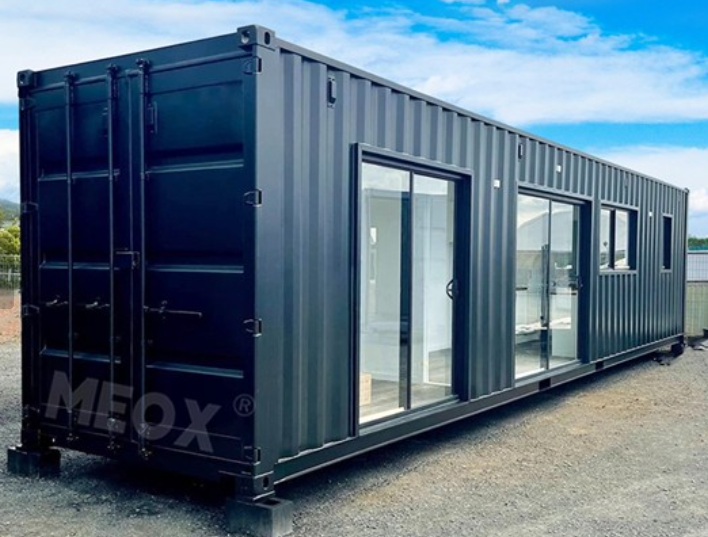
- Large Format Windows: Container accommodation benefits from large, floor-to-ceiling windows that span significant portions of the walls. These windows allow ample sunlight to flood the interior, turning even small spaces into bright areas. Suzhou Zhongnan Intelligent Equipment Co, Ltd. reinforces the container’s structure around these windows, using high-strength steel frames to maintain integrity while supporting the larger glass panels.
- Multiple Window Placement: Installing windows on opposing walls of container accommodation creates cross-ventilation and ensures light reaches all corners of the space. For example, a window on the east wall captures morning sun, while a west-facing window lets in afternoon light, eliminating dark spots. Suzhou Zhongnan Intelligent Equipment Co, Ltd. carefully positions these windows during manufacturing to avoid compromising the container’s structural strength.
Open Layouts for Containerized Housing Unit
- Minimal Internal Partitions: Containerized housing unit designs with few or no internal walls allow natural light to flow freely from one area to another. An open layout that combines the living room, kitchen, and dining space ensures light entering through front windows reaches the back of the unit. Suzhou Zhongnan Intelligent Equipment Co, Ltd. designs these open layouts with reinforced flooring and ceiling supports to compensate for the lack of load-bearing walls.
- Glass Partitions: When separate zones are needed, containerized housing unit uses glass partitions instead of solid walls. These partitions maintain visual openness, allowing light to pass through while creating functional divisions, such as separating a bedroom from a living area. Suzhou Zhongnan Intelligent Equipment Co, Ltd. fits these partitions with slim, unobtrusive frames that complement the container’s industrial aesthetic without blocking light.
Reflective Surfaces in Shipping Container Accommodation
- Light-Colored Interiors: Shipping container accommodation often features light-colored walls, ceilings, and flooring, which reflect rather than absorb sunlight. Whites, beiges, and soft grays bounce light deeper into the space, making the entire area feel brighter. Suzhou Zhongnan Intelligent Equipment Co, Ltd. offers customizable interior finishes for shipping container accommodation, including high-reflectivity paints and coatings that enhance this effect.
- Strategic Use of Mirrors: Placing large mirrors opposite windows in shipping container accommodation doubles the amount of natural light by reflecting it back into the room. Mirrors also create the illusion of depth, making the space feel larger. Suzhou Zhongnan Intelligent Equipment Co, Ltd. recommends positioning mirrors on walls perpendicular to windows to maximize light distribution, a tip integrated into their design guidelines.
Roof Design for Container Accommodation
- Skylights Installation: Container accommodation with skylights in the roof allows sunlight to enter from above, a particularly effective strategy for spaces where wall windows are limited. Skylights can be placed over key areas like the living room or bedroom, ensuring direct light even during midday. Suzhou Zhongnan Intelligent Equipment Co, Ltd. reinforces the container’s roof structure to support skylights, using weatherproof seals to prevent leaks while maintaining insulation.
- Sloped Roof Additions: Adding a sloped roof to container accommodation creates opportunities for additional windows or clerestory windows—small, high windows that let in light without compromising privacy. The slope directs rainwater away from the container, while the elevated windows capture light from higher angles, brightening the interior. Suzhou Zhongnan Intelligent Equipment Co, Ltd. designs these roof additions to integrate seamlessly with the container’s original structure, ensuring durability and a cohesive look.
Container Accommodation Natural Light FAQS
What types of windows work best for Container accommodation?
Large, energy-efficient windows with low-E glass work best for container accommodation, as they let in maximum light while minimizing heat loss. Suzhou Zhongnan Intelligent Equipment Co, Ltd. installs these windows with reinforced frames to ensure they fit securely and withstand weather conditions, enhancing both light intake and insulation.
How do Containerized housing unit prevent glare with more natural light?
Containerized housing unit can use window treatments like sheer curtains or blinds to control glare while still allowing light in. Suzhou Zhongnan Intelligent Equipment Co, Ltd. also positions windows to avoid direct sunlight during the hottest parts of the day, using overhangs or strategic placement to balance light and comfort.
Can Shipping container accommodation add windows after manufacturing?
Yes, but it’s best to have windows installed by professionals like Suzhou Zhongnan Intelligent Equipment Co, Ltd. during manufacturing. Adding windows to shipping container accommodation post-production requires cutting into the steel structure, which must be reinforced properly to maintain safety and prevent leaks.
Do skylights in Container accommodation affect insulation?
Skylights in container accommodation can affect insulation if not properly installed, but Suzhou Zhongnan Intelligent Equipment Co, Ltd. uses insulated skylight models with weatherproof seals. These skylights minimize heat transfer, ensuring the interior remains energy-efficient while letting in natural light.
How does natural light in Shipping container accommodation impact energy use?
Increased natural light in shipping container accommodation reduces the need for artificial lighting during the day, lowering energy consumption. Suzhou Zhongnan Intelligent Equipment Co, Ltd. notes that well-lit shipping container accommodation can cut daytime electricity use by 30–40%, making it both eco-friendly and cost-effective.