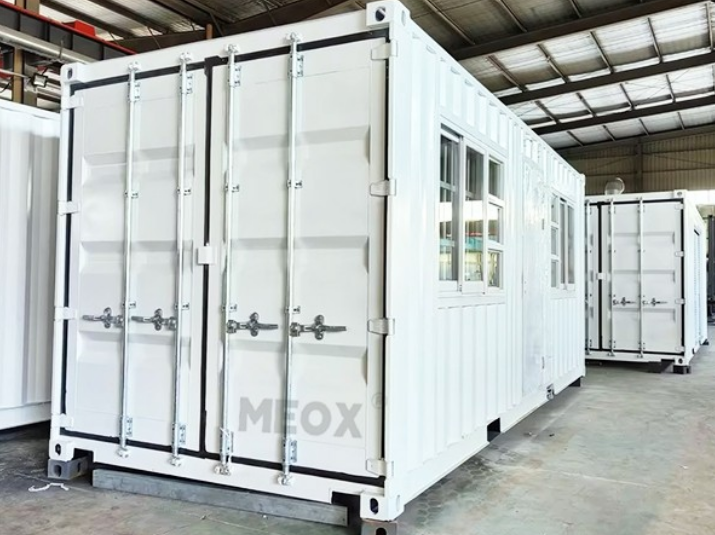
As the demand for renewable energy and off-grid power solutions grows, lithium ion battery storage container has become a critical component in energy systems—offering compact, scalable storage for lithium-ion batteries. However, the high energy density of lithium-ion batteries poses unique safety risks (e.g., thermal runaway, fire, or explosion), making robust safety features non-negotiable. Suzhou Zhongnan Intelligent Equipment Co, Ltd., a leader in customized container solutions, specializes in designing lithium ion battery storage container with industry-leading safety measures, integrating structural, thermal, and intelligent systems to mitigate risks. Whether for utility-scale container energy storage projects or portable shipping container battery storage units, the company’s safety-focused design ensures reliable operation, complying with global standards like UL 9540 and IEC 62933. This article explores the key safety features of these containers, highlighting how Suzhou Zhongnan’s expertise elevates protection for both equipment and personnel.

Core Safety Designs for Lithium ion Battery Storage Container
- Suzhou Zhongnan’s lithium ion battery storage container is built with fire-resistant materials, including rock wool insulation and steel panels coated with intumescent paint. These materials slow heat spread and prevent flame penetration, critical for containing thermal runaway events in lithium-ion batteries.
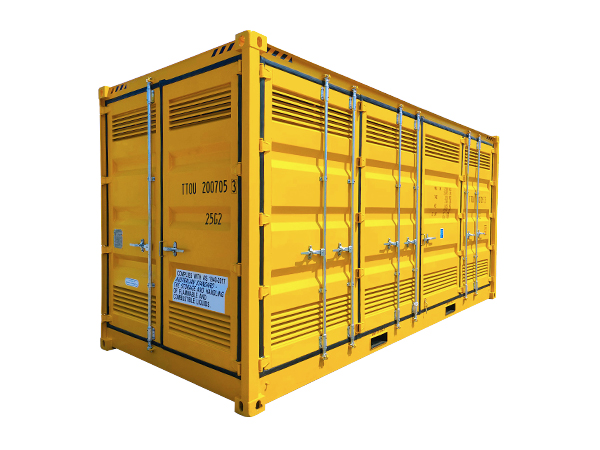
- The lithium ion battery storage container includes a dedicated ventilation system with explosion-proof fans. In case of battery gas leakage (e.g., hydrogen or carbon monoxide), the system rapidly expels toxic gases, reducing the risk of ignition and protecting personnel during maintenance.
- Each lithium ion battery storage container features compartmentalized battery racks, separated by fire-resistant dividers. This design limits the spread of thermal runaway from one battery module to another, minimizing damage and simplifying emergency response.
- Suzhou Zhongnan integrates temperature and smoke sensors directly into the lithium ion battery storage container, positioned near battery modules to detect anomalies early. Sensors trigger visual and audible alarms at the first sign of overheating (above 45°C), allowing for quick intervention.
Intelligent Safety Management for Container Energy Storage
- Suzhou Zhongnan’s container energy storage systems include a real-time monitoring platform, connected to sensors that track battery voltage, current, temperature, and humidity. The platform displays data on a centralized dashboard, enabling operators to identify irregularities (e.g., voltage spikes) before they escalate to safety hazards.
- container energy storage units are equipped with automatic fire suppression systems—typically clean-agent extinguishers (e.g., FM-200) that displace oxygen without damaging batteries or equipment. Suzhou Zhongnan programs the system to activate within 10 seconds of detecting a fire, stopping flames before they spread.
- The container energy storage solution supports remote safety control: operators can shut down battery systems, activate ventilation, or trigger fire suppression remotely via a mobile app or web portal. This is critical for unmanned sites (e.g., remote solar farms), where on-site intervention may be delayed.
- Suzhou Zhongnan adds overcharge/overdischarge protection to container energy storage units, integrating BMS (Battery Management Systems) that regulate power flow. The BMS cuts off charging if batteries reach maximum capacity and stops discharge if levels drop too low, preventing battery degradation and safety risks.
Transport & Installation Safety for Shipping Container Battery Storage
- shipping container battery storage units from Suzhou Zhongnan undergo structural reinforcement, with reinforced floors and corner castings to withstand transportation vibrations and impacts. This prevents battery displacement or rack damage during road, rail, or sea transport.
- The shipping container battery storage is designed with anti-slip flooring and secure battery fasteners (e.g., heavy-duty bolts and shock-absorbing pads). These features keep batteries stable during transit, reducing the risk of short circuits caused by loose components.
- Suzhou Zhongnan provides detailed installation safety guidelines for shipping container battery storage, including requirements for grounding (to prevent electrical shocks) and clear access paths (for emergency evacuation). The company also offers on-site training for installers, ensuring compliance with safety protocols.
- shipping container battery storage units include weatherproof seals and corrosion-resistant coatings, protecting batteries from rain, dust, and extreme temperatures (ranging from -30°C to 50°C). This not only extends battery lifespan but also prevents environmental factors from triggering safety issues (e.g., moisture-induced short circuits).
Lithium ion Battery Storage Container FAQS
How do your lithium ion battery storage container compare to traditional battery storage systems in terms of safety?
Our lithium ion battery storage container offers superior safety compared to traditional systems. Unlike open-frame battery racks (which lack containment), our container uses fire-resistant materials and compartmentalization to limit hazard spread. Suzhou Zhongnan’s integration of BMS and automatic fire suppression also adds layers of protection—traditional systems often require manual intervention, which is slower and less reliable. Our lithium ion battery storage container meets stricter safety standards, making it safer for both indoor and outdoor use.
Does Suzhou Zhongnan’s container energy storage have safety certifications for global markets?
Yes, our container energy storage units hold multiple global safety certifications, including UL 9540 (U.S.), IEC 62933 (EU/global), and GB/T 36276 (China). These certifications validate that our container energy storage meets rigorous standards for fire safety, electrical insulation, and thermal management. Suzhou Zhongnan works with third-party labs to conduct regular testing, ensuring compliance with regional regulations for markets like North America, Europe, and Southeast Asia.
What maintenance is required to keep shipping container battery storage safety features functional?
To maintain shipping container battery storage safety features, we recommend quarterly inspections: check temperature/smoke sensors for accuracy, test fire suppression systems (e.g., triggering a mock discharge), and inspect structural components (e.g., fasteners, seals) for wear. Suzhou Zhongnan provides a maintenance checklist and offers annual service visits, where our technicians calibrate sensors, update BMS software, and replace aging parts (e.g., filters in ventilation systems) to keep safety features operational.
Can your lithium ion battery storage container withstand extreme weather conditions?
Absolutely. Suzhou Zhongnan’s lithium ion battery storage container is designed for extreme weather: it uses cold-resistant insulation for low temperatures (-30°C) to prevent battery performance loss, and heat-dissipating vents for high temperatures (50°C) to avoid overheating. The container also has an IP65 rating for dust and water resistance, making it suitable for coastal areas (resistant to salt corrosion) or storm-prone regions. These features ensure safety and performance even in harsh environments.
Does Suzhou Zhongnan offer customized safety features for lithium ion battery storage container based on client needs?
Yes, customization is a core strength. For clients with high-risk applications (e.g., military or industrial container energy storage), we add extra safety layers like double-walled fire-resistant compartments or gas detection systems for toxic fumes. For portable shipping container battery storage, we can integrate lightweight yet durable materials for easier transport without compromising safety. Suzhou Zhongnan works with clients to assess their specific risks and design tailored safety features, ensuring the lithium ion battery storage container meets their unique requirements.