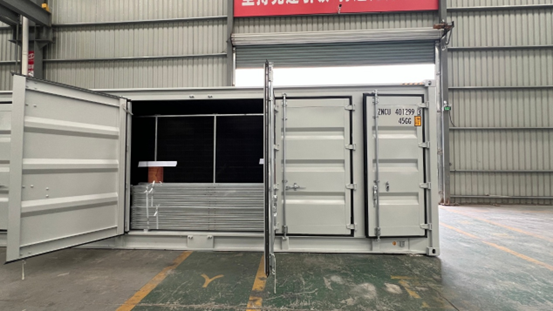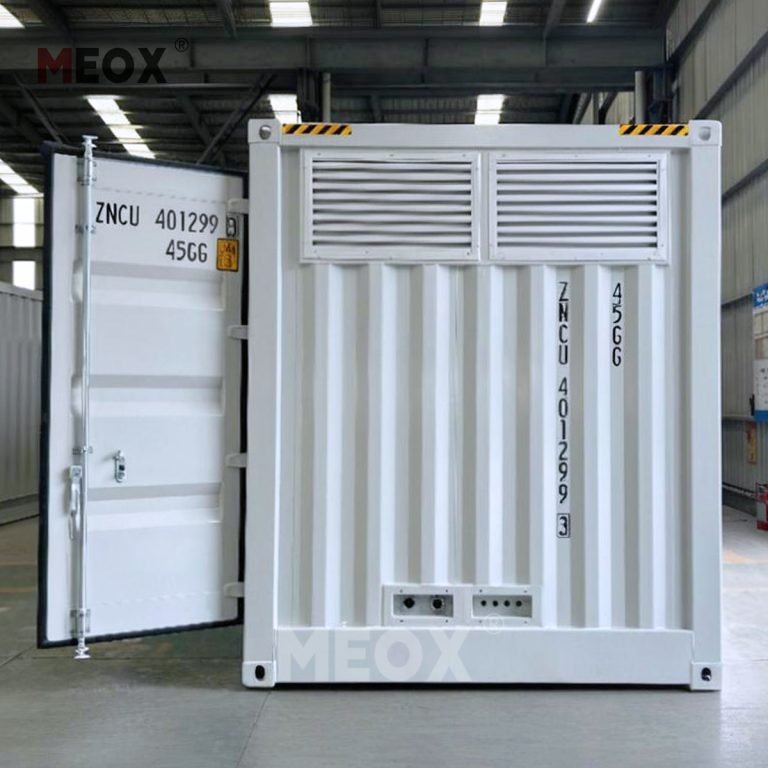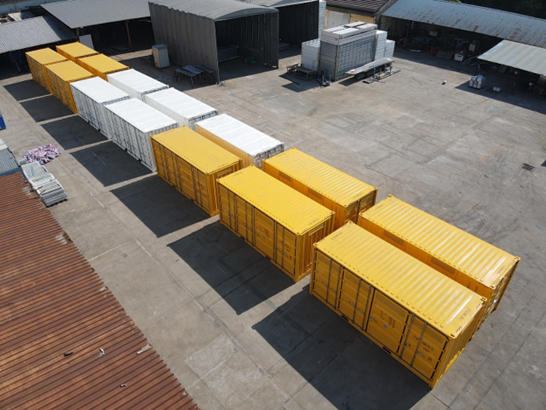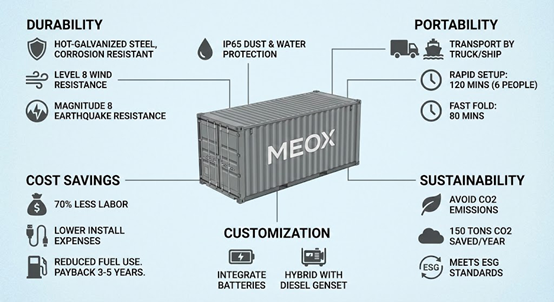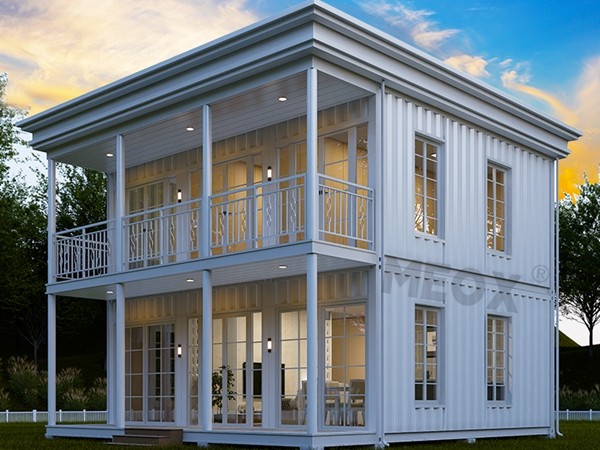

You can plan a shipping container home even if you are new. Many people pick a living container because it is strong. It does not cost much and you can build it fast. A living container uses reused steel, so your home is good for the planet. Building container homes saves you money and energy. MEOX helps you begin your living container or tiny house project with expert help.
Key Takeaways
Start planning your container home by thinking about what you need and how much money you have. Pick the best container size and type for your life and budget.
Look at local rules and get the right permits before you buy land or start building. This will help you stay out of trouble and keep your project moving.
Build your home with care by getting the land ready, picking a strong base, and putting in good insulation and energy-saving things. Ask experts for help to finish sooner and spend less money.
Plan Your Living Container Home

Assess Needs and Budget
Think about how you want to use your shipping container home. Do you want a studio, a one-bedroom, or something bigger? Make a list of things you really need, like a kitchen, bathroom, or more storage. What you need will help you pick the right size and type of container.
Set a budget before you start. The price depends on the size, where you live, and what finishes you want. Here is a table that shows the usual cost for basic shipping container homes in the United States:
Type of Home | Size (sq ft) | Average Cost Range |
|---|---|---|
Studio | ~160 | $15,000 – $25,000 |
1 bedroom, 1 bathroom | ~320 | $25,000 – $82,000 |
Tip: One shipping container costs between $1,200 and $10,000 before you change anything. The price goes up if you add things like insulation or delivery.
Many things can change your budget:
The price of land, legal fees, and permits
Hooking up water, electricity, and sewage
Insulation and saving energy
Cutting doors and windows
Delivery and setting up the container
Paying workers and finishing the inside
Taking care of rust and other problems
You can pay for your project with personal loans, FHA loans, or home equity loans. Some companies let you pay over time.
Secure Permits and Land
Check the rules in your area before you buy containers. Every city and county has its own rules. Zoning laws tell you where you can build a shipping container home. These laws also say how close your home can be to the edge of your land and how big it can be.
Here is an easy process to follow:
Look up the zoning laws in your area. Make sure you can build a container home.
Call your local building office. Ask about permits for building, plumbing, and electrical work.
Make detailed plans for your home. You might need a structural engineer to check them.
Turn in your plans and pay any fees.
Wait for approval before you start building.
Note: Some neighborhoods or homeowner groups have extra rules. Always check before you buy land.
Some problems you might face are changing zoning laws, people not liking container homes, and strict building codes. Tell your neighbors about the good things container homes offer to get their support.
Choose the Right Living Container
You have a few choices when picking a container. The most common sizes are 20, 30, and 40 feet long. High cube containers are one foot taller than regular ones and give you more space above your head.
Container Length | Width (ft) | Height (ft) | Best Use |
|---|---|---|---|
20 ft | 8 | 8.6 | Small homes, guest rooms, offices |
30 ft | 8 | 8.6 | Tiny homes, cabins |
40 ft | 8 | 8.6 or 9.6 | Larger homes, more privacy, custom layouts |
Standard containers work for most projects. High cube containers are better if you want more insulation or a loft. Refrigerated containers already have insulation but need more care.
Maintenance tip: Used containers can last over 20 years if you take care of them. Always look for rust, dents, and leaks before you buy.
When picking a company, check for good quality, certifications, and ways to customize. Some companies give free replacement parts and fast delivery. Make sure your supplier can meet your timeline and design needs.
Design Your Dream Layout
Now you can plan your layout. Draw a simple floor plan. Decide where to put walls, doors, and windows. Open layouts work well in single-container homes. You can put the kitchen, dining, and living areas together to make the space feel bigger.
For homes with more than one container, try these ideas:
Put containers next to each other for bigger rooms.
Stack containers to make a rooftop deck or more rooms.
Use U-shaped or L-shaped layouts to make private outdoor spaces.
Use digital tools like SketchUp, Cedreo, or Sweet Home 3D to make 2D and 3D plans. These tools let you see your design before you build. You can change wall thickness, window size, and add furniture. Many programs help you make drawings for permits.
Pro Tip: 3D design tools help you avoid mistakes that cost money. You can see sunlight, airflow, and space before you build.
Remember to plan for insulation, HVAC, and energy-saving features. Always follow local building rules to keep your home safe and legal.
Build a Living Container Home with MEOX

Site Prep and Foundation
You begin by getting the land ready. Good site work helps you avoid trouble later. Here is an easy guide:
Choose the best place for your home. Think about sunlight, shade, slope, water flow, and the view. This helps your home stay comfy and saves energy.
Mark where your home and pipes will go. Use stakes and string to show the corners. This keeps your plan clear and protects pipes and wires underground.
Clean up the land. Take away grass, trees, rocks, and trash. You want a flat, clean spot.
Make the ground level and plan for water to drain. Use small hills or ditches to keep water away from your home.
Build or fix the road to your land. Trucks and workers need to get there easily.
Stop dirt from washing away. Use fences or plant grass to hold the soil.
Plan for water and power before you build. Set up these things early.
Put up a fence or security if you need it. This keeps your tools and supplies safe.
Next, pick the best foundation for your home. Your choice depends on the dirt, your money, and if you want your home to stay forever. Here is a table to help you compare:
Foundation Type | Description & Usage | Why Commonly Used / Advantages | Drawbacks / Considerations |
|---|---|---|---|
Concrete Slab | A solid base poured on the ground, often with steel bars inside. | Very strong for homes that will not move; spreads weight evenly; stops sinking. | Costs the most; needs lots of work to set up; hard to move later. |
Pier Foundations | Concrete or steel posts at the corners and middle. | Most used because it is cheap, strong, and easy; lifts the home up for air and keeps it dry; works in many soils; good for cold places. | Needs care; dirt can wash away under the posts in some places. |
Pile Foundations | Long posts pushed deep into the ground to reach hard dirt or rock. | Good for tricky dirt; moves weight to strong ground; works for wet or loose dirt. | Costs more; needs special tools; can be hard if the ground is tough. |
Strip Foundations | Concrete strips under the sides and sometimes the middle of the home. | Gives steady support with less concrete than slabs; good for sloped land; works in many soils. | Not used as much as slabs or piers; must go deep enough in cold places. |
Riser and Block | Stacks of blocks or wood at the corners. | Cheap and fast to put in; good for short-term or low-cost homes; easy to move or change. | Not as strong or lasting; not good for cold places unless changed; needs more care. |
Hybrid Systems | Mix of different foundation types for the land and home needs. | Makes the most of cost and strength; works for different soils; flexible design. | Harder to plan and build; may need an expert. |
Pier foundations are the most used. They work in most weather and are simple to build. Here is a chart that shows which foundations people use most:

Turning Your living Container into a Home
After the foundation is ready, you start making your container a home. This step has many important jobs:
Cut holes for doors and windows. Add strong steel beams to make the edges safe and strong.
Seal all cuts and welds. This keeps out water and cold air.
Add extra supports if you want a deck or bigger roof.
Insulate the roof, walls, and floor. Spray foam is best because it saves space and keeps out water. Polyurethane insulation, like Elastopor or Elastopir, keeps your home warm in winter and cool in summer. These materials also help you save energy and lower bills.
Put on a sloped roof. This lets water run off and stops leaks.
Plan and put in plumbing, electric, and HVAC. Use PEX pipes for water. Pick LED lights and energy-saving machines. Install a split air conditioner and a smart thermostat for comfort.
Use double-glazed windows and tight doors. This keeps your home warm and quiet.
Add outside panels if you want more protection or a new look. You can use metal, wood, or cement boards.
Tip: Always check your local building rules before you make changes. This keeps your project safe and legal.
Most people finish this part in one or two months with expert help. The way container homes are built makes it faster than regular homes.
Interior Finish and Move-In
Now you finish the inside and get ready to live there. You have many choices for walls and floors:
Drywall looks smooth and classic. It is best for homes that will not move.
Sanded wood paneling feels warm and is good for homes that might move.
Plywood paneling costs less and works well for sheds or workshops.
PVC wall panels do not let water in and are good for bathrooms.
Steel or aluminum sheets stop fire and work well with spray foam.
For the frame, you can use steel, wood, or aluminum. Pick what works for your weather and money. For insulation, closed-cell spray foam works best in small spaces.
Before you move in, check for safety:
Make sure the container does not have bad chemicals. Test for lead, VOCs, and other toxins.
Remove or seal old paint and floors. Use safe sealants and flooring.
Hire experts to test air and check for asbestos if your container is old.
Seal all cracks and rusty spots. Use waterproof sealants.
Use paints and finishes with low VOCs.
Put in good fans or vents to keep air fresh.
Check all systems—plumbing, electric, and HVAC—before moving in.
Plan to check for leaks, rust, or damage after storms.
Note: New living containers are safer because they have fewer chemicals. If you use a used living container, always test and seal it well.
MEOX gives free replacement parts for their homes. If you need help after moving in, you can call their team. This helps you fix small problems fast and keeps your home nice.
Real Experience: Many owners say planning and using experts makes things easy. One family finished their home in eight weeks. They used spray foam and double-glazed windows. Their energy bills went down by 30% compared to their old house.
When you finish all these steps, you can move into your new home. Enjoy the comfort, style, and savings of a well-built shipping container home.
You can make a living container home if you plan well and get help. Lots of people begin with a tiny house. They can make it bigger later if they want. If you have problems, use this table to find answers fast:
Common Issue | Solution |
|---|---|
Door not closing | Adjust hinges |
Leak after rain | Seal with waterproofing |
Power outage | Check circuit breaker |
Look online for more ideas and help with living containers.
FAQ
How long does it take to build a living container home?
Most projects finish in 8 to 12 weeks. For example, a family in Texas completed their 320 sq ft home in just 10 weeks with expert help.
What should you do if you find a leak or rust after moving in?
Tip:
Check the spot right away. Clean the area, apply a waterproof sealant, and repaint. Many suppliers offer free replacement parts or support for these issues.
Can you customize the inside of your living container home?
Yes, you can. You choose layouts, colors, and finishes. Many owners add smart features, like energy-saving lights or custom storage, to fit their needs.