In an era where flexibility and sustainability reign supreme, the concept of mobile offices has emerged as a game-changer for businesses and entrepreneurs. Among the most innovative solutions gaining traction are workspaces crafted from customized shipping containers, modified shipping containers, and designed shipping boxes. These steel structures, once reserved for transporting goods, are now being reimagined as functional, stylish, and eco-friendly workspaces. From pop-up startups to corporate satellite offices, container workspaces offer a blend of affordability, adaptability, and modern design. Let’s explore how these transformed steel boxes are reshaping the future of work.

Customized Shipping Containers: Tailoring Spaces to Your Needs
The beauty of customized shipping containers lies in their versatility. Unlike traditional office spaces, which often require costly renovations to meet specific needs, these steel boxes can be tailored from the ground up. Whether you’re envisioning a minimalist solo office or a collaborative hub for a dozen employees, customization options are limitless.
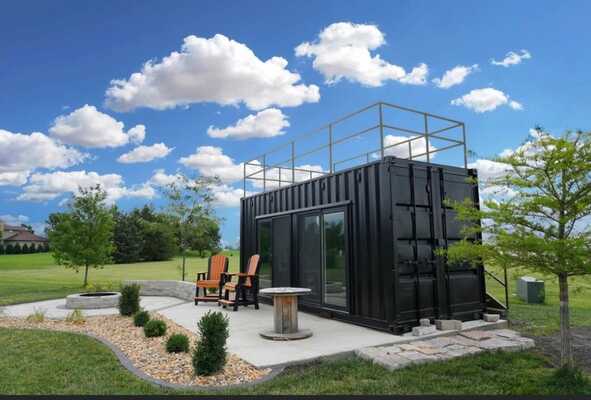
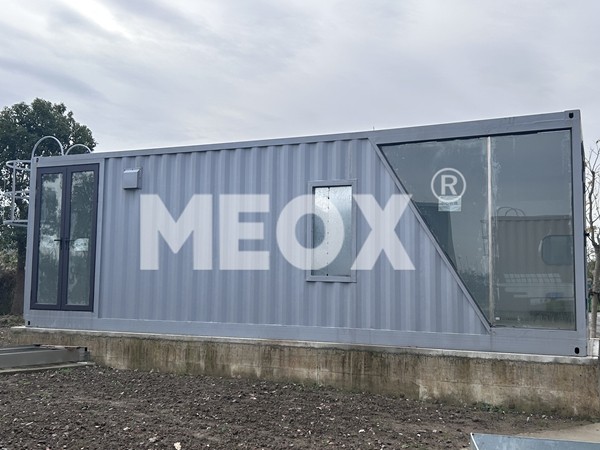
Imagine adding floor-to-ceiling windows for natural light, installing soundproof partitions for privacy, or integrating built-in shelving for storage. Companies specializing in customized shipping containers work closely with clients to incorporate electrical wiring, plumbing, and HVAC systems tailored to the workspace’s purpose. For instance, a tech startup might prioritize high-speed internet infrastructure, while a boutique consultancy could opt for sleek interior finishes.
The rise of remote work has further fueled demand for these adaptable spaces. Entrepreneurs are converting customized shipping containers into mobile coffee shops, fitness studios, and even healthcare clinics. By aligning design with function, businesses can create workspaces that reflect their brand identity while remaining agile in a dynamic market.
Modified Shipping Containers: Transforming Steel Boxes into Functional Workspaces
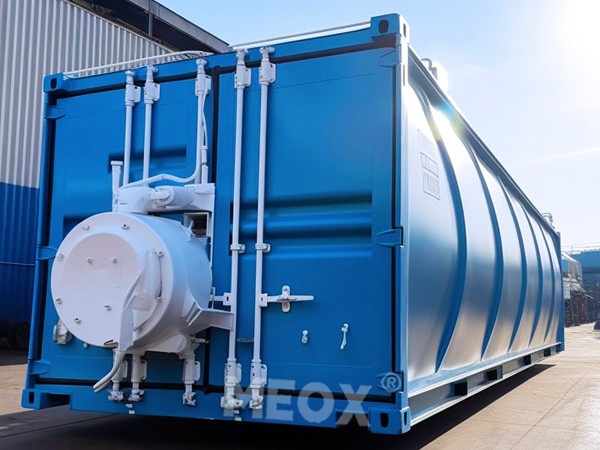
While customization focuses on aesthetics and layout, modified shipping containers undergo structural changes to ensure durability and comfort. Modification is where practicality meets innovation. Raw containers are stripped down, treated for corrosion, and reinforced to withstand heavy use. Key modifications include:
Insulation: To combat extreme temperatures, spray foam or panel insulation is added to walls, ceilings, and floors
Ventilation: Windows, vents, or full HVAC systems are installed to maintain air quality.
Flooring: Durable materials like epoxy coatings or hardwood are added for longevity.
Lighting: Energy-efficient LED systems are integrated to reduce operational costs.
Modified shipping containers are particularly popular in industries requiring mobility. Construction firms use them as on-site offices, while event planners deploy them as portable ticket booths or VIP lounges. The modifications ensure these spaces aren’t just functional but also compliant with safety and building codes.
Moreover, modifications extend the lifespan of shipping containers that might otherwise sit unused in ports. This sustainable approach aligns with the growing emphasis on circular economies, where repurposing materials takes precedence over new production.
Designed Shipping Boxes: Where Aesthetics Meet Practicality
Gone are the days of drab, industrial-looking containers. Today’s designed shipping boxes are architectural marvels that blend form and function. Designers are leveraging the container’s modular shape to create visually striking workspaces that defy expectations.
Exterior finishes range from bold, branded graphics to rustic wood cladding or even living walls adorned with plants. Internally, designed shipping boxes feature modern amenities like modular furniture, smart technology, and ergonomic layouts. For creative industries, these spaces serve as a canvas—think art studios with skylights or advertising agencies with writable walls for brainstorming.
The appeal of designed shipping boxes also lies in their scalability. Need to expand? Simply stack or connect additional units. This modularity makes them ideal for growing businesses or temporary projects.
By prioritizing design, these workspaces challenge the stereotype of shipping containers as purely utilitarian. They prove that sustainability and style can coexist.
FAQs: Everything You Need to Know About Container Workspaces
What are the main advantages of choosing a container workspace?
Container workspaces offer unparalleled flexibility, cost savings, and sustainability. Unlike traditional offices, they can be relocated as needed, require fewer construction materials, and repurpose existing shipping containers to reduce waste. Their modular design also allows for easy expansion or reconfiguration.
How durable are container workspaces in harsh weather?
When properly modified, these containers are built to last. Insulation, weatherproofing, and reinforced structures ensure they withstand rain, snow, and high winds. Many providers offer warranties to guarantee longevity.
Can I add features to my container office after purchase?
Absolutely! One of the biggest perks of customized shipping containers is their adaptability. You can retrofit solar panels, expand windows, or even connect multiple units post-installation.
Are container workspaces eco-friendly?
Yes! Repurposing shipping containers reduces demand for new construction materials and keeps steel out of landfills. Many designs also incorporate energy-efficient systems, such as solar power or rainwater harvesting.
How long does it take to set up a modified shipping container office?
This is based on your order.
The rise of customized shipping containers, modified shipping containers, and designed shipping boxes signals a shift toward smarter, greener workspaces. These mobile offices are more than a trend—they’re a testament to human ingenuity and the drive to reimagine resources. Whether you’re a solopreneur seeking a quiet retreat or a corporation exploring satellite offices, container workspaces offer a solution that’s as unique as your vision. Ready to redefine where—and how—you work? The future of office design is here, and it’s built inside a box.