What Are Solar Con Systemswith Mobile Solar Panels?
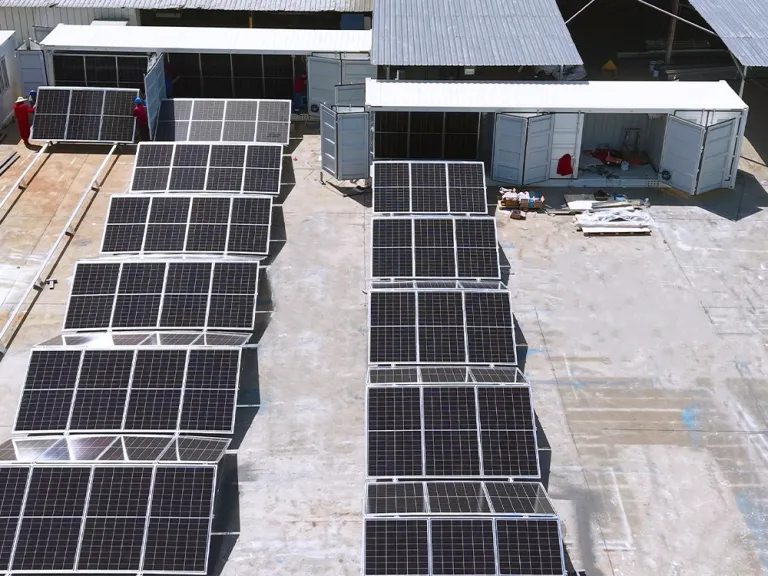
Mobile solar panels are portable photovoltaic units. They capture sunlight without fixed installations. Users deploy them flexibly on RVs, boats, or remote sites.
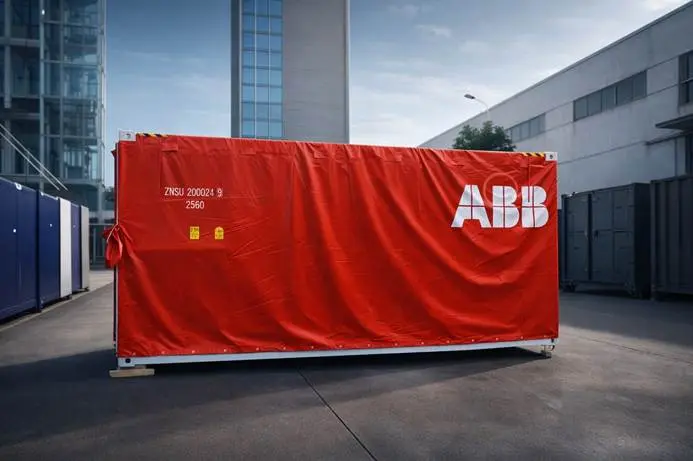
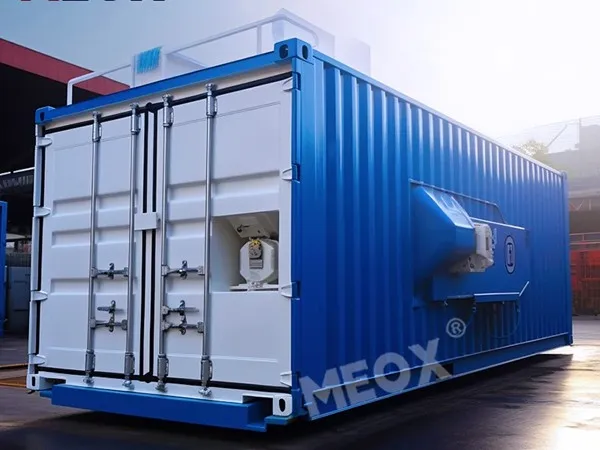
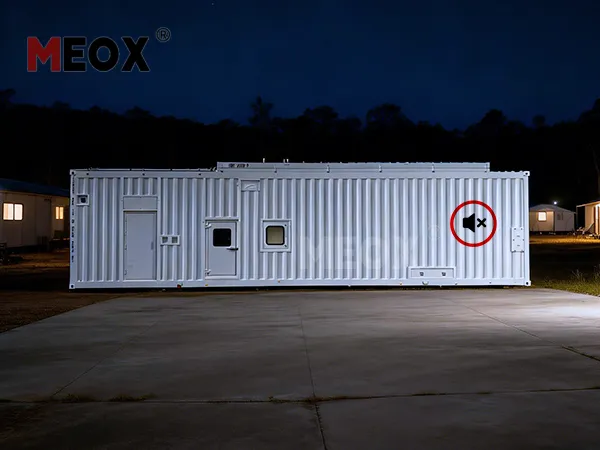
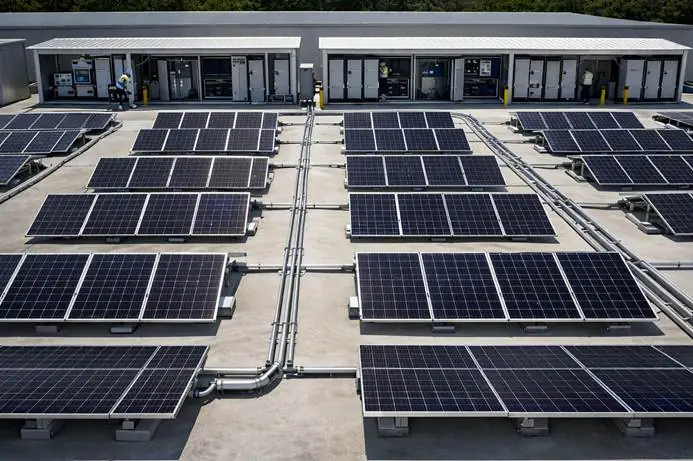
Solar Con means containerized solar energy systems. These integrate mobile solar panels with batteries and controllers. All components fit within compact, transportable units.
Together, they form self-sufficient power stations. Solar Con systems excel in mobility and rapid deployment. They serve diverse scenarios:
- Emergency backup during outages
- Off-grid cabins needing instant power
- Construction sites requiring temporary electricity
- Disaster relief operations
Core Maintenance Practices for Solar Con Systems
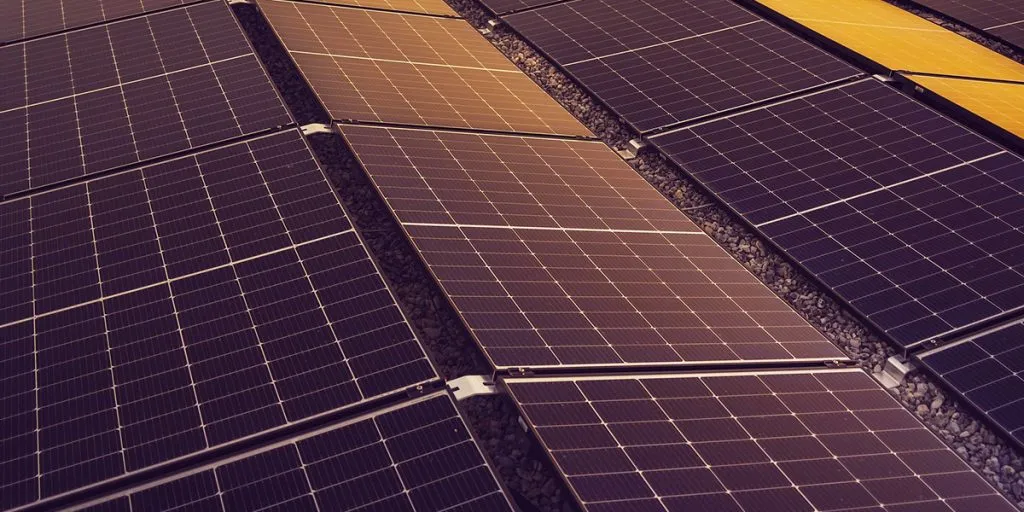
In this guide, we’ll break down the key practices necessary to keep your solar con units operating at peak efficiency. These practices include cleaning, equipment upkeep, safety procedures, and performance monitoring.
1. Regular Cleaning
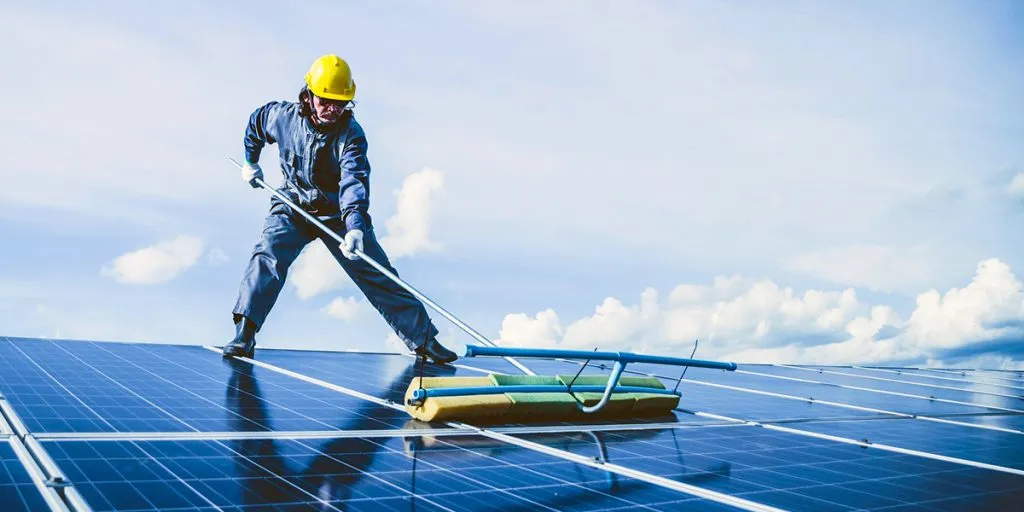
Dust, bird droppings, and pollution can significantly reduce the efficiency of mobile solar panels. Regular cleaning is essential to maintain optimal sunlight absorption. Typically, cleaning every two to four weeks is recommended, especially in dusty or dry climates.
- Use a soft, damp cloth or sponge to wipe the panel surface.
- Avoid harsh chemicals or abrasive materials.
- Clean during early morning or late afternoon to prevent thermal stress.
- Always clean when sunlight is below 200W/m² to reduce the risk of cracking due to sudden temperature changes.
By keeping the surface clean, power output remains stable, and panel lifespan is extended.
2. Structural and Electrical Inspections
Both the frame and electrical systems of solar con units need routine inspections.
Frame and Bracket Check:
Ensure all bolts are tight and free of corrosion.
Inspect welds and connections for cracks or signs of wear.
Confirm that the grounding of the panel’s metal frame is secure (resistance under 4Ω).
Module Integrity:
Look for broken glass, burn marks, or color changes.
Replace any panel showing signs of internal bubbles or contact between cells and edges.
Warning labels and safety signs should remain intact and legible.
3. Inverter and Electrical Equipment Maintenance
Inverters convert DC from mobile solar panels into AC power. Faults in inverters can drastically affect energy output.
Inspect the inverter casing for signs of rust or damage.
Ensure ventilation is unobstructed and fans operate smoothly.
Disconnect the AC side breaker regularly to test the shutdown response.
Replace capacitors if they overheat or exceed their service life.
Ensure no abnormal noise or vibration during operation.
Additional components, such as DC combiner boxes, DC/AC distribution cabinets, and surge protectors, should be tested for:
Proper insulation (over 2 MΩ to ground).
Secure wiring and terminals.
Effective surge protection response.
Waterproof enclosures with clear warning labels.
4. Real-Time System Monitoring
To optimize performance, mobile solar panels must be monitored in real time. Modern solar con systems use advanced digital monitoring tools that provide insight into various metrics:
Voltage, current, and temperature readings.
Daily, weekly, and monthly power generation statistics.
Alerts for anomalies like underperformance or temperature imbalances.
For solar setups over 50kWp, thermal imaging is recommended to check for hotspots and ensure consistent panel temperatures.
5. Safety Management
Safety is vital in any solar energy system. Operators should follow these basic steps:
Create a clear operational manual that outlines procedures for installation, maintenance, and emergencies.
Train personnel regularly on safety protocols and first-response actions.
Develop contingency plans for potential equipment failures or weather-related disruptions.
Equip systems with proper labeling and insulation to prevent electrical accidents.
6. Scheduled Maintenance and Repairs
Preventive maintenance is better than reactive repairs. A sound maintenance schedule based on manufacturer guidelines will include:
Monthly visual inspections.
Quarterly cleaning.
Annual deep inspection for wear and tear.
Immediate repair or replacement of any faulty components.
Pay close attention to components like DC fuses, lightning arresters, cable connectors, and transformer cooling systems.
7. Technology Upgrades
As solar technology evolves, so should your solar con systems. Upgrading control systems, sensors, and power management software can improve performance. In addition:
Replace aging inverters with newer models that support smart monitoring.
Consider integrating energy storage systems for off-grid reliability.
Retrofit older panels with higher-efficiency modules if feasible.
Timely upgrades reduce downtime and extend the usable life of mobile solar panels.
Extreme Weather Protection Strategies
1. High Temperature Protection
In summer, solar panels are often exposed to intense heat. When the panel temperature rises, the power output decreases. For example, if a panel’s rated power is 300Wp at 25℃, it may drop to around 214.5Wp at 100℃. This is because every degree above 25℃ reduces output by approximately 0.38%.
Protection Tips:
Keep all mobile solar panels well-ventilated. Clear any debris that blocks airflow.
Avoid cleaning during hot midday hours. Clean panels early in the morning or in the evening to prevent sudden temperature drops, which may cause panel cracks.
For solar con inverters, install them in shaded, ventilated areas like under eaves or behind panel arrays. Avoid direct sunlight and ensure proper spacing around the unit.
2. Heavy Rain and Flooding
Summer rainstorms can flood rooftops or the ground beneath panels. This may weaken wire insulation or soak connectors, leading to faults or shutdowns.
Protection Tips:
Design the solar setup with drainage in mind. Ensure sloped roofs can drain properly. For flat roofs or ground systems, install drainage channels or raise panel mounts.
During rainstorms, avoid touching electrical parts with your bare hands. Always wear rubber gloves and boots when inspecting in wet conditions.
If the power system trips during rain, wait for dry weather before checking connections. Wrap any loose joints with insulating tape and monitor for further issues.
3. Heavy Rain and Flooding
Summer rainstorms can flood rooftops or the ground beneath panels. This may weaken wire insulation or soak connectors, leading to faults or shutdowns.
Protection Tips:
Design the solar setup with drainage in mind. Ensure sloped roofs can drain properly. For flat roofs or ground systems, install drainage channels or raise panel mounts.
During rainstorms, avoid touching electrical parts with your bare hands. Always wear rubber gloves and boots when inspecting in wet conditions.
If the power system trips during rain, wait for dry weather before checking connections. Wrap any loose joints with insulating tape and monitor for further issues.
4. Lightning Protection
Mobile solar systems often operate outdoors, making them vulnerable to lightning. A direct strike can damage the entire setup.
Protection Tips:
Ensure all metal components are grounded properly. Use ground wires to connect panel frames, inverters, and distribution boxes.
After grounding installation, test the resistance. A reading below 4 ohms is ideal for safety.
In a thunderstorm, turn off the air switch below the electric meter to protect solar con devices and other components from surge damage.
5. Insurance Coverage
Despite all precautions, nature is unpredictable. Ensuring your mobile solar panel system can reduce losses caused by extreme weather.
Tip:
Look into solar insurance plans that cover physical damage, performance loss, and system breakdowns. Choose products that suit your location and setup.
Troubleshooting Common Issues
1. Panel Damage or Aging
Problem:
Panels can crack or age over time. Harsh weather or accidental impact can cause physical damage. Aging panels also lose efficiency.
Solution:
Inspect your mobile solar panels regularly. Look for cracks, chips, or discoloration. Check that each panel stays firmly mounted. Replace any damaged panels. Avoid placing heavy objects on panels during transport. Test older panels for power output. Replace panels that show significant wear。
2. Dirt and Debris on Panels
Problem:
Dirt, bird droppings, and dust can build up on panel surfaces. This reduces sunlight absorption. Efficiency drops when panels stay dirty.
Solution:
Clean the panels every two to four weeks. Use a soft brush or cloth with water. Do not use harsh chemicals. Clean during early morning or late afternoon when sunlight is low. In sandy or dusty environments, increase the cleaning frequency. A clean panel surface ensures maximum power output.
3. Inverter Faults
Problem:
The solar con inverter can malfunction due to overload, overheating, or internal failure. This stops power conversion from DC to AC.
Solution:
Check the inverter’s warning lights and display regularly. Ensure the unit has good airflow. Clear any obstructions around vents. If the inverter overheats, switch off the AC breaker and let it cool. Test inverter readings with a multimeter. If errors persist, schedule professional maintenance or replace the unit.
4. Cable and Connection Issues
Problem:
Cables may suffer from wear, loose connections, or rodent damage. A bad connection can cause a system shutdown or sparks.
Solution:
Inspect all cables and connectors every month. Look for frayed wires or loose terminals. Tighten any loose connections. Replace damaged cables immediately. Protect cables with conduit or cable ties. Avoid sharp bends and pinch points during setup and transport.
5. Overload and Underload
Problem:
Too many devices connected can overload the system. Too few loads can also create inefficiencies.
Solution:
Monitor your power usage. Compare the total load to the rated capacity of the mobile solar panels and the solar con inverter. Avoid plugging in high-wattage devices if the system cannot handle them. Use energy-efficient appliances. If you need more power, add extra panels or a larger inverter. For underload, adjust the inverter’s output settings to match the panel array.
6. Battery Storage Problems
Problem:
Batteries that store energy can lose capacity over time. Poor charging and discharging habits shorten battery life.
Solution:
Check battery charge levels daily. Ensure the battery is not overcharged or deeply discharged. Maintain proper ventilation around the battery bank. Clean battery terminals to prevent corrosion. Replace batteries that no longer hold a charge.
7. Shading and Placement
Problem:
Shadows from trees, buildings, or equipment block sunlight. Even small shaded spots reduce overall system output.
Solution:
Position your mobile solar panels in open areas. Check shading patterns throughout the day. Adjust the panel tilt and direction as needed. Trim nearby branches that cast shadows. Reposition panels if moving to a new location.
Your 10-Point Maintenance Checklist
- Clean panels weekly.
- Tighten mounting bolts monthly.
- Log battery voltage readings.
- Update control software quarterly.
- Store with 50% battery charge.
- Pre-storm cover deployment.
- Annual professional inspection.
- Snow removal within 4 hours.
- Cable integrity tests.
Ventilation space verification.