When you send goods to other countries, picking the right container is very important. Most cargo travels in standard containers. About 80% use 20- or 40-foot boxes. But sometimes, you need a non-standard container. These are needed for items that are too big, need to stay cold, or need special loading.
Statistic Description | Percentage / Value |
|---|---|
Containers accounted for the world’s seaborne trade (2010) | 60% |
Containers that are 20- or 40-foot standard-length boxes | ~80% of containers |
Global container fleet consisting of dry freight/general purpose containers (standard and special sizes) | 90% |
You may choose a non-standard container for large machines, food that spoils, or liquids. These containers help with problems like odd shapes or keeping things safe. MEOX has many choices to help with your special shipping needs.
Key Takeaways
Standard containers are used a lot. They are safe and not expensive. Most people use them for shipping. They fit normal cargo and are easy to move anywhere in the world.
Non-standard containers, like high-cube and open-top, give more space. They are good for big, tall, or strange-shaped cargo. They also help with special projects.
You should pick a container based on your cargo’s size, shape, and use. High-cube containers are taller. Standard containers work well for normal loads.
Non-standard containers cost more money. They might need special ways to move them. But you can change them for special uses, like offices or pop-up shops.
MEOX has many standard and non-standard containers. You can also change them to fit your needs. This helps you get the best container for shipping or storage.
Non-standard Containers Overview
What Are Non-Standard Containers
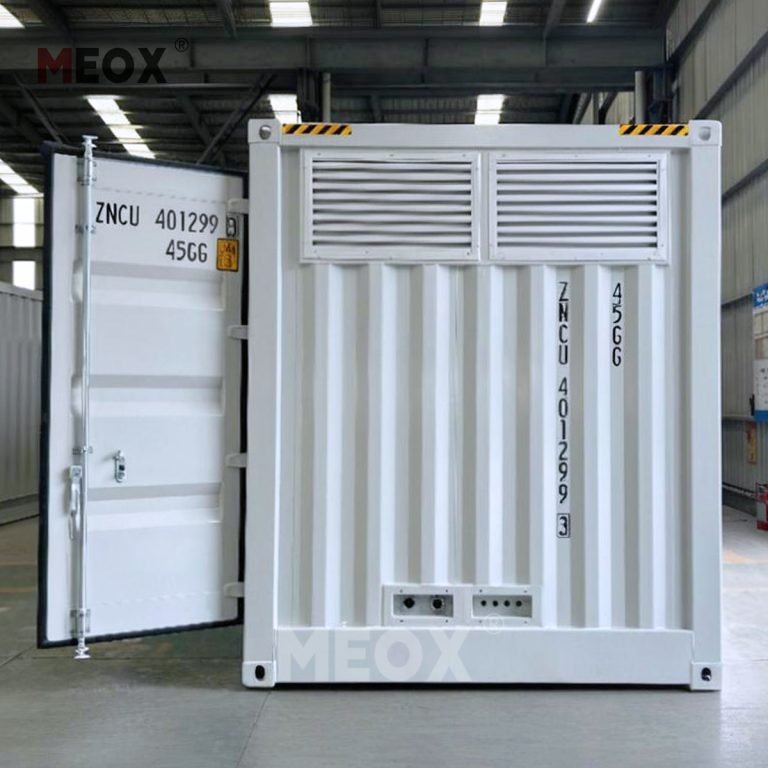
Non-Standard Containers refer to any shipping unit that deviates from the International Organization for Standardization (ISO) dimensions, specifications or conventional design. Unlike typical 20‑foot and 40‑foot dry containers, non‑standard variants encompass high‑cube models, open‑top units, flat racks, collapsible frames, insulated or refrigerated builds, and fully bespoke configurations. Their dimensions may be extended in length, width or height, while specifications often include reinforced steel structures, specialized linings, extra ventilation, or integrated handling points. Design innovations can feature foldable walls, side‑entry doors, removable panels and modular compatibility for rapid on‑site assembly. By offering tailored sizes, improved load capacities and unique functionality, non‑standard containers address challenges such as oversized machinery transport, temperature‑sensitive cargo, limited installation footprints and complex project requirements. Manufacturers work closely with clients to engineer these custom solutions, ensuring cargo safety, adherence to regulatory standards and optimized logistics performance across diverse industries.
MEOX has made non-standard shipping containers for many years. Their team can give you strong and high-quality containers for any job.
Key Features
Non-standard containers have features that make them a top pick for shipping. Here is a table that shows some important parts and what they do:
Component/Part Name | Location/Position | Structural or Functional Role |
|---|---|---|
Corner Castings (Corner Fittings) | At all eight corners (top and bottom) | ISO-standard connection points for lifting, stacking, and securing; ensure compatibility and stability. |
Front Header | Horizontally at top front end | Supports the front panel and keeps the container rigid. |
Front Corner Posts | Vertical front corners | Give stability and absorb stacking and lifting stresses. |
Side Panels | Both sides between corner posts | Corrugated steel walls for strength and cargo protection. |
Top and Bottom Rails | Along top and bottom edges of side walls | Support the roof and floor; help with load handling. |
Rail Gussets | Joints between crossmembers and side rails | Reinforce joints and keep the container strong under heavy loads. |
Floor Support Angles | Underneath floor connecting crossmembers | Reinforce the floor and prevent sagging. |
Door Locking System Components | On container doors | Secure the contents with locking bars, cams, and handles. |
Door Handle Retainers and Catches | Near door handles | Prevent accidental unlocking during shipping. |
Non-standard Container Types
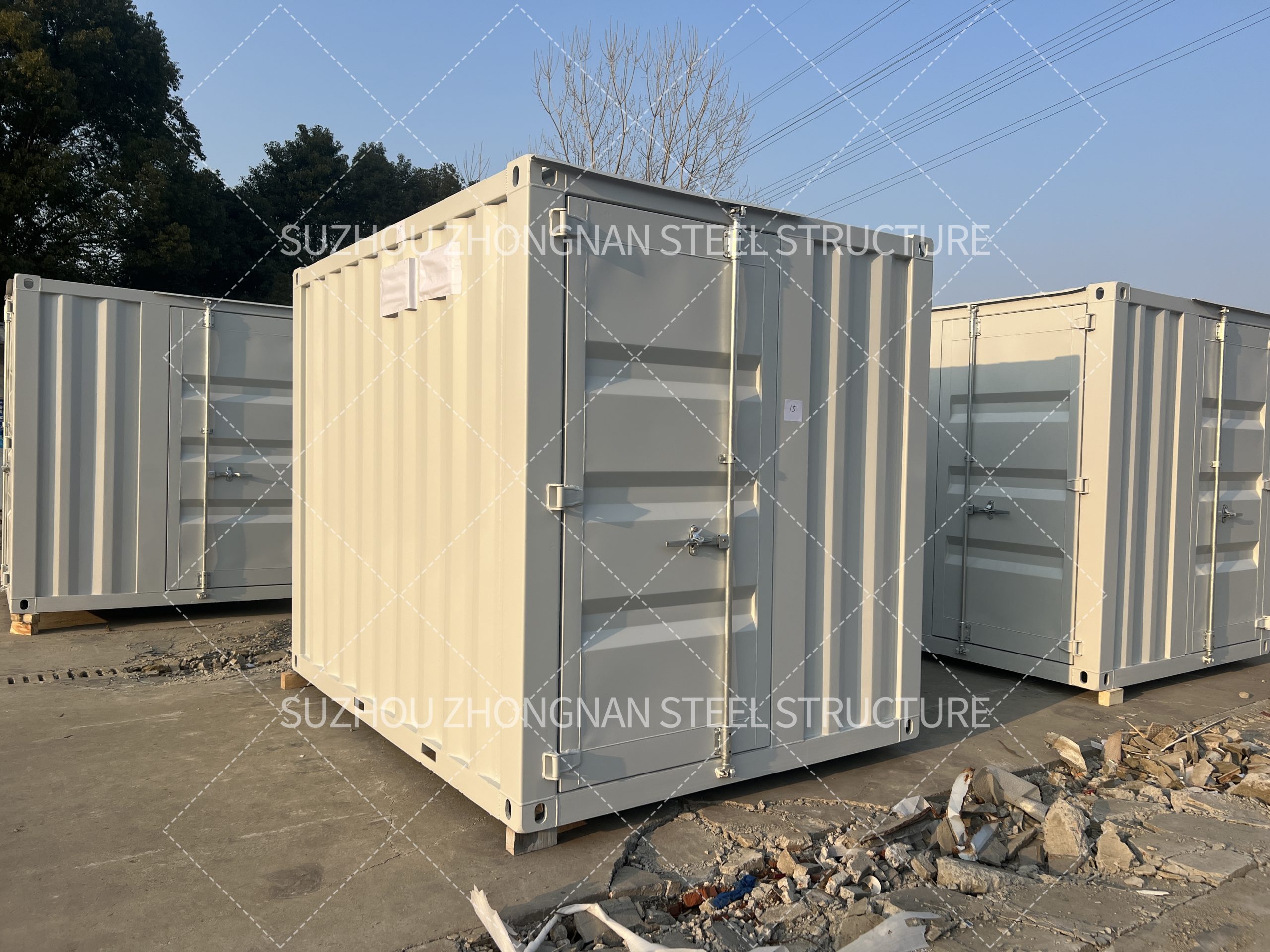
Non-Average Shipping Containers
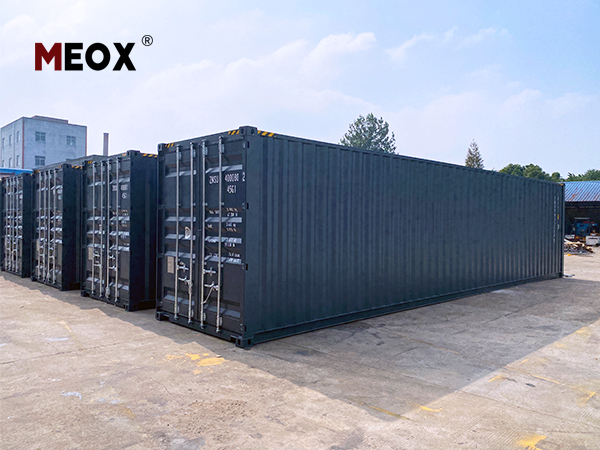
Sometimes, a non-standard container works better for you. These include high cube container, high-cube containers, and custom sizes. They give you more choices for special jobs. High cube container options are taller than normal ones. High-cube containers are about one foot taller than standard containers. This extra height helps with tall or big items. High-cube containers come in many sizes like 20ft, 40ft, 45ft, and even bigger.
There are many kinds of high-cube containers. Here are some common non-standard container types and what they do:
Flat rack containers: Move heavy or big things like machines or cars.
Open top containers: Carry tall things loaded from the top.
Open side containers: Help load wide or odd-shaped cargo.
Refrigerated containers (reefers): Keep things cold while moving.
Duocon containers: Join two 10ft containers for more uses.
Custom modified containers: Add special features for your needs.
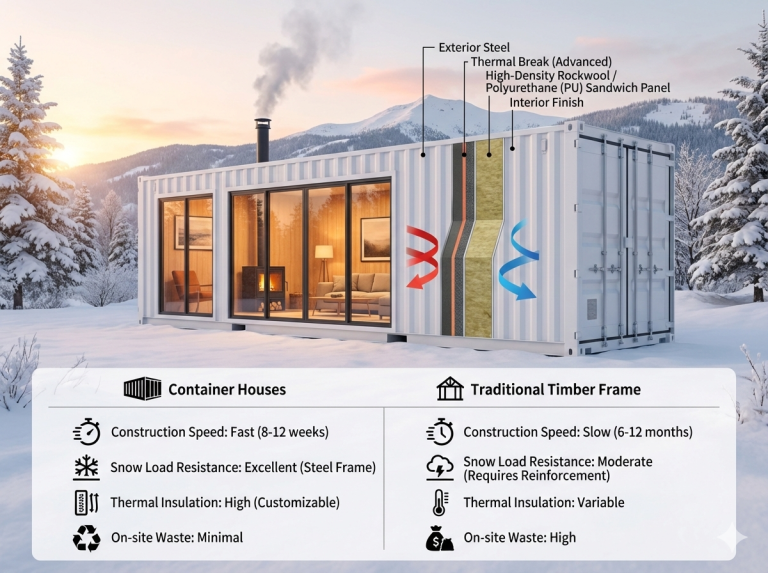
High cube container and high-cube containers do more than add height. You can put in windows, doors, or insulation. You can also add power, HVAC, or shelves. These changes make high-cube containers good for offices, shops, or homes. Many people use high-cube shipping containers for pop-up stores, classrooms, or safe storage.
MEOX has many non-average shipping containers. You can pick sizes like 6ft, 8ft, 16ft, 24ft, 45ft, and 48ft. You can also ask for special changes for your project.
Here is a table that shows common upgrades for high-cube containers:
Modification Type | Description | Benefit |
|---|---|---|
Custom Height | Taller than standard for bulky cargo | Fits unique products |
Removable Wall | Side wall can be removed | Easier loading/unloading |
Roll-up Doors | Wide access points | Quick and easy entry |
Lighting and power outlets | Full workspace functionality | |
Windows and Vents | Natural light and airflow | Comfort and usability |
High-cube containers let you make the best space for your cargo or work. You can trust MEOX to give you high cube container choices that fit your needs.
Difference Between High Cube and Standard Containers
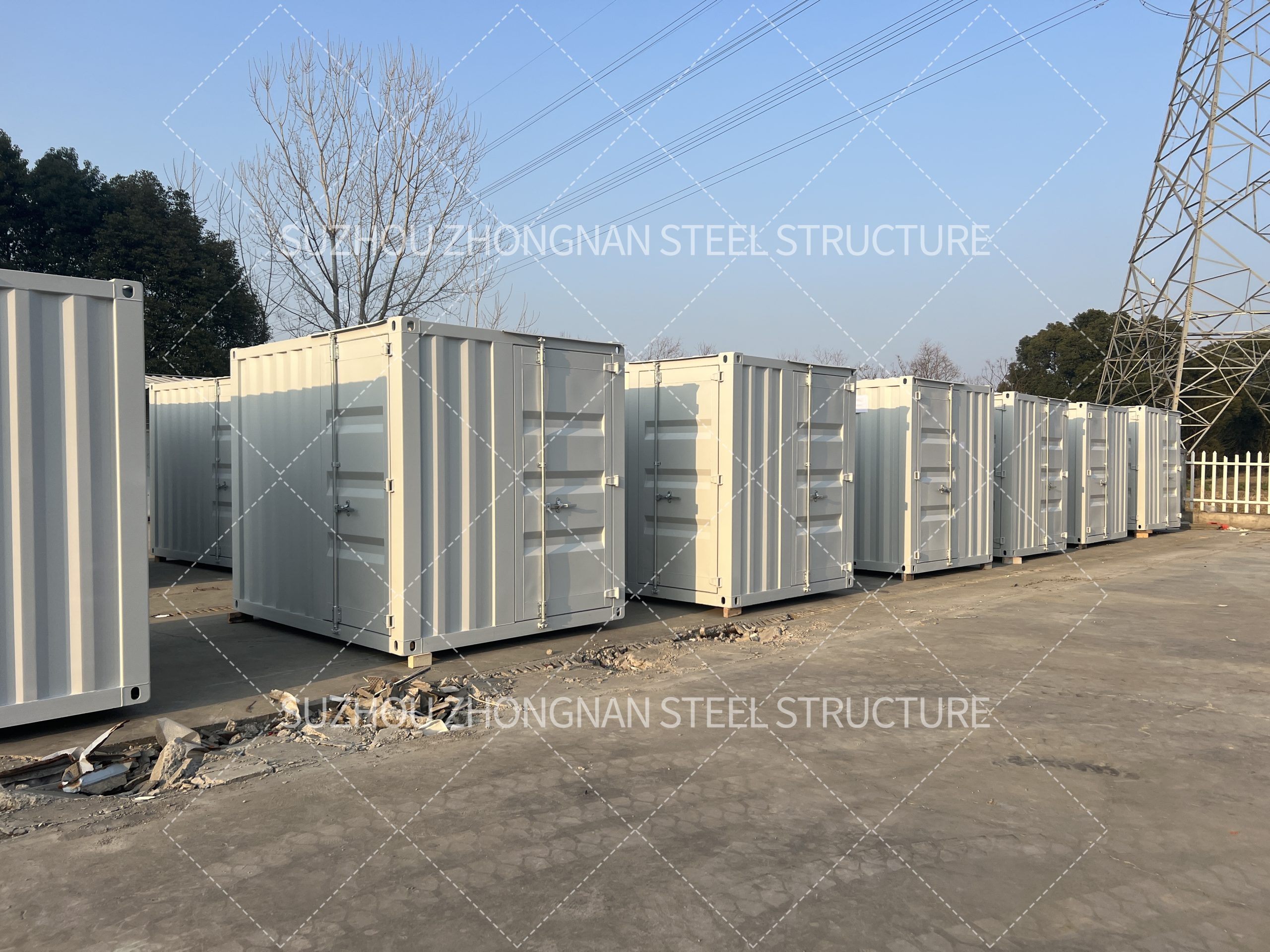
Dimensions and Capacity
Container height is important when you pick one. High cube containers are taller than standard containers. A standard container is 8 feet 6 inches tall. A high cube container is 9 feet 6 inches tall. This extra foot gives you more space inside. You can fit bigger or taller things in a high cube container.
Both types have the same length and width. For example, a 40-foot high-cube and a 40-foot standard are both 40 feet long and 8 feet wide. The main difference is the height. Inside, a high-cube container has about 8 feet 10 inches from floor to ceiling. A standard container has about 7 feet 10 inches inside.
Here is a table to help you compare the main sizes:
Container Type | External Dimensions (ft) | Internal Dimensions (ft) | Door Opening (ft) |
|---|---|---|---|
40ft Standard Container | 40 x 8 x 8.5 | 39.5 x 7.7 x 7.8 | 7.7 x 7.8 |
40ft High Cube Container | 40 x 8 x 9.5 | 39.5 x 7.7 x 8.8 | 7.7 x 8.8 |
45ft High Cube Container | 45 x 8 x 9.5 | 44.5 x 7.7 x 8.8 | 7.7 x 8.8 |
High-cube containers give you more room for your stuff. A 40-foot high-cube has about 344 cubic feet more space than a standard one. This helps if you need to stack boxes or store big things. The extra height can make a big difference for tall items.
The extra height also changes how much weight you can carry. High-cube containers weigh a little more when empty. This means you can carry a bit less weight inside. Both types can hold heavy loads, but you should check the weight limit before loading.
High-cube containers are best for more space or tall cargo. Standard containers are good for most goods and are easier to move.
Use Cases
Pick a container based on what you need to ship or store. High cube and standard containers work best for different things.
High-cube containers are good for:
Bulky or light cargo like furniture or big machines
Things that need more height, like tall equipment or stacked boxes
Storing large items that do not fit in a standard container
Turning into offices, homes, or workshops where height matters
Standard containers are good for:
Regular cargo like electronics, clothes, or small machines
Heavy things that do not need extra height
Shipments where cost and easy moving are important
International shipping and general use
Here is a quick table to show typical uses:
Container Type | Typical Uses |
|---|---|
High-Cube Containers | Bulky, light cargo; tall items; storage of big goods; conversions |
Standard Containers | Regular cargo; heavy items; cheaper shipping; easy stacking and storage |
Container height is important when you plan your shipment. High-cube containers may not fit on some roads or in some warehouses. Standard containers fit almost everywhere and are easier to handle. Both types are strong and keep your cargo safe. The best choice depends on what you need.
If you need more space or have tall items, pick a high-cube container. If you want a simple and cheap option for most goods, pick a standard container. Always think about the size and amount of your cargo before you choose.
Tip: If you are not sure, look at your cargo size and where you will use the container. MEOX has both high-cube and standard containers, so you can find the right one for your job.
Non-standard vs Standard: Pros and Cons
Non-standard Pros and Cons
When you look at non-standard containers, you find both good and bad points. These include high cube container models, flat racks, open side, and custom sizes. You use them for cargo that does not fit in standard dry containers.
Advantages of Non-standard Containers:
You get more choices. Flat racks have open sides and roofs. You can load big or heavy cargo that will not fit in a standard container.
The strong base and folding end walls help move heavy and odd-shaped goods. This design lets you ship special cargo.
Open side containers let you load long or bulky things from the side. You can use cranes or forklifts to make loading simple.
You can change these containers. Add doors, windows, insulation, or electrical packages to fit your needs.
Non-standard containers work well for machines with parts that stick out, structural steel, or other large items. You can also use them as mobile offices or pop-up shops.
Note: MEOX has many non-average shipping containers, like high cube container and custom sizes. You can ask for changes to match your project.
Disadvantages of Non-standard Containers:
You might have space problems. Non-standard containers often need more room for storage, which can push terminals to the edge of cities.
Handling these containers can be hard. You may need special equipment and more time to stack or move them.
Moving empty non-standard containers far away costs more. Trade imbalances can make moving them back harder.
Security risks can go up. Non-standard containers may be easier to steal or lose at sea.
You may need special permits and planning for big cargo. This adds to the cost and time.
Here is a table to help you compare the good and bad points of non-standard containers:
Pros | Cons |
|---|---|
Flexible for oversized or irregular cargo | Need more space for storage |
Customizable for special uses | Require special handling equipment |
Easy loading/unloading for large items | Higher costs for repositioning |
Good for mobile offices or pop-up shops | Security and theft risks |
Supports unique project needs | May need special permits and planning |
Standard Container Pros and Cons
Standard dry containers are the most common choice for shipping worldwide. You see them everywhere because they have many good points. These containers come in set sizes, usually 20 or 40 feet, and follow international rules.
Advantages of Using Standard Dry Containers:
You get better security. Tamper-evident seals and strong locks keep your cargo safe from theft.
Standard containers make moving goods easy. You can switch them between ships, trucks, and trains without repacking.
The set sizes help you plan and stack cargo well. This saves space and lowers shipping costs.
Standard dry containers protect your goods from rain, wind, and temperature changes. Your products stay safe and dry.
You can load and unload them fast with cranes or forklifts. This saves time and work.
Standard containers help the environment. You can use them many times, which cuts down on waste.
Customs checks are faster. Good paperwork and labels help you avoid delays at borders.
You can store standard dry containers at ports or warehouses and move them when needed.
These containers work all over the world. You can reach other countries easily.
Data tracking helps you manage your shipments and make smart choices.
Tip: MEOX has both high cube container and standard container options. You can pick what works best for your shipping or storage needs.
Disadvantages of Standard Dry Containers:
You face limits with size and weight. Standard containers cannot hold cargo that is too big or heavy.
Big cargo needs special permits and equipment. You may need flat racks or open-top containers for these loads.
Standard containers do not give much flexibility for odd-shaped items.
You may need extra planning for route rules and safety when moving big cargo.
Loading and unloading options are limited. You cannot always use the side or top for access.
Here is a table showing the good and bad points of standard dry containers:
Pros | Cons |
|---|---|
Enhanced security and protection | Fixed size and weight limits |
Easy intermodal transport | Not suitable for oversized cargo |
Cost-efficient and space-saving | Limited flexibility for irregular items |
Fast loading/unloading | Special permits needed for large cargo |
Environmental sustainability | Restricted loading/unloading options |
Simplified customs clearance | |
Global reach and accessibility |
Remember: The good things about standard containers are security, saving money, and easy handling. But you must think about the limits if you need to move special or big cargo.
Summary of Advantages and Disadvantages
You should think about the good and bad points of each type before you choose. Non-standard containers give you more choices and changes for special cargo. Standard dry containers offer security, savings, and work everywhere. MEOX can help you pick the right high cube container or standard container for your project, so you get the best results.
Non‑standard Container: When to Choose
Non‑standard container Use Cases
You should use a non-standard container if your cargo is too big for a regular box. Many companies use high cube containers for large or bulky things. High cube containers are taller, so you can fit more or stack items higher. This helps when you need to move tall machines or lots of boxes. Open-top containers are good for things that need a crane or are too tall for normal doors. Offshore jobs often need very strong containers that follow strict safety rules.
You can find non-standard containers in many jobs:
Construction uses them for offices, shelters, and small shops.
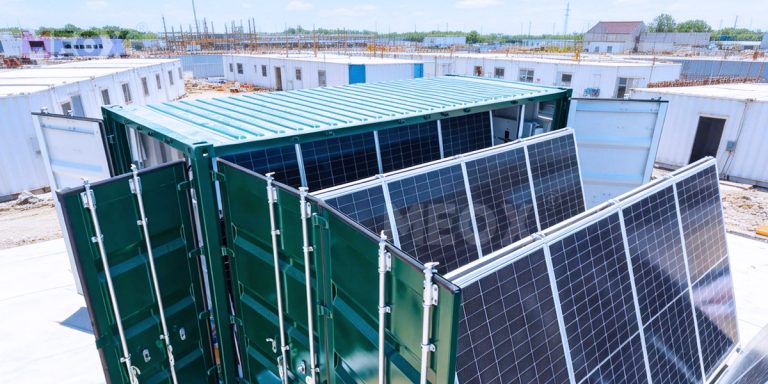
Energy projects ship wind blades, drilling rigs, and solar panels in them.
Mining and heavy work move big machines, cranes, and steel parts.
Project cargo can be big or must move fast, like trains or factory tools.
High cube containers are not just for shipping. You can turn them into workspaces, tiny houses, or stores. They give you more space and are good for projects with small budgets or tight time.
Tip: If you have a special project, MEOX can make a high cube container just for you.
Non‑standard container Decision Factors
When picking a non-standard container, think about a few key things. First, what will you use it for? Is it for storage, living, or work? Next, check what size and shape you need. High cube containers come in many lengths, so you can choose what fits best.
Money is important too. Think about the price and any changes you want. Look at the condition. Some containers keep out wind and water. Others are strong enough to ship things. Always check the container or its papers.
Other things to think about:
Will you move the container again later?
Do you need to stack them or make big doors?
Does the look matter for your project?
Will you change the floor or roof?
MEOX has many ways to change high cube containers. You can add doors, windows, insulation, or power. This lets you get all the good things from high cube containers for your project.
Non-standard Container Cost and Logistics
Price Differences
When you look at non-standard containers, you see they cost more to ship than standard ones. Types like refrigerated, open top, or flat rack containers have higher prices. These containers need special tools and extra care. For example, a refrigerated container keeps things cold. It uses more power and needs someone to watch it during the trip. Open top and flat rack containers move big or heavy items. You need cranes or special machines for these.
Here is a table that shows how the costs are different:
Container Type | Cost Compared to Standard | Why the Cost Is Different |
|---|---|---|
Standard Dry (20ft/40ft) | Lower | Used for general shipping, no special features |
Refrigerated (Reefer) | Higher | Needs temperature control and special equipment |
Open Top | Higher | Allows loading of tall cargo, needs extra care |
Flat Rack | Higher | Handles heavy or odd-shaped cargo, special tools |
Many things can change the price of a container. Size is important. Bigger containers, like a 45-foot high cube, cost more money. New containers are more expensive than used ones. If you add things like insulation or extra doors, the price goes up. Other things like world shipping needs, fuel prices, and big world events can also make prices change fast.
Availability and Handling
Standard containers are easy to find almost everywhere. They fit with shipping systems all over the world. Non-standard containers are harder to find, but more people want them now. Many companies need special containers for their own jobs.
It can be hard to handle non-standard containers. You might need special machines to load or unload them. Some ports or warehouses do not have the right tools. This can slow down your shipping or make it cost more. If you plan ahead, you can stop delays.
MEOX helps you get non-standard containers anywhere in the world. You can pick from many sizes. MEOX helps with shipping, handling, and any changes you want. Their team makes sure your container gets to you safely and on time, no matter where you are.
Picking between standard dry containers and non-standard ones depends on what you need to ship. If your cargo is big or tall, you may need a non-standard container. Standard dry containers are cheaper and easy to find. They work well for most goods. Non-standard containers, like high cubes, are taller and hold more. They are good for large or tall things.
Standard dry containers save money and are simple to move. They are everywhere and work for most items.
Non-standard containers cost more but fit big or tall cargo. High cubes give you extra space for special loads.
Feature | Standard Dry Containers | Non-standard Containers |
|---|---|---|
Cost | Lower | Higher |
Flexibility | General cargo | Bulky/tall cargo |
Picking the right container helps you save money and time. MEOX can help you choose the best one for your job.
FAQ
What is the main difference between standard and non-standard containers?
Standard containers come in set sizes like 20 or 40 feet. Non-standard containers offer more size options and special features. You can use non-standard containers for cargo that does not fit in regular boxes.
Can you customize a non-standard container for your project?
Yes, you can. You can add doors, windows, insulation, or even electrical systems. MEOX offers many ways to change containers so they fit your needs.
Are non-standard containers safe for shipping valuable goods?
You can trust non-standard containers to keep your cargo safe. They use strong steel and secure locks. Always check the container’s condition before you use it.
How do you choose the right container size?
First, measure your cargo. Then, check the available container sizes. Use a table to compare options:
Cargo Size | Suggested Container Type |
|---|---|
Small or compact | 6ft, 8ft, or 9ft |
Medium | 16ft or 24ft |
Large or oversized | 30ft, 45ft, or 48ft |
Where can you get help with non-standard container selection?
You can contact MEOX for expert advice. Their team helps you pick the best container for your job. You get support from start to finish.