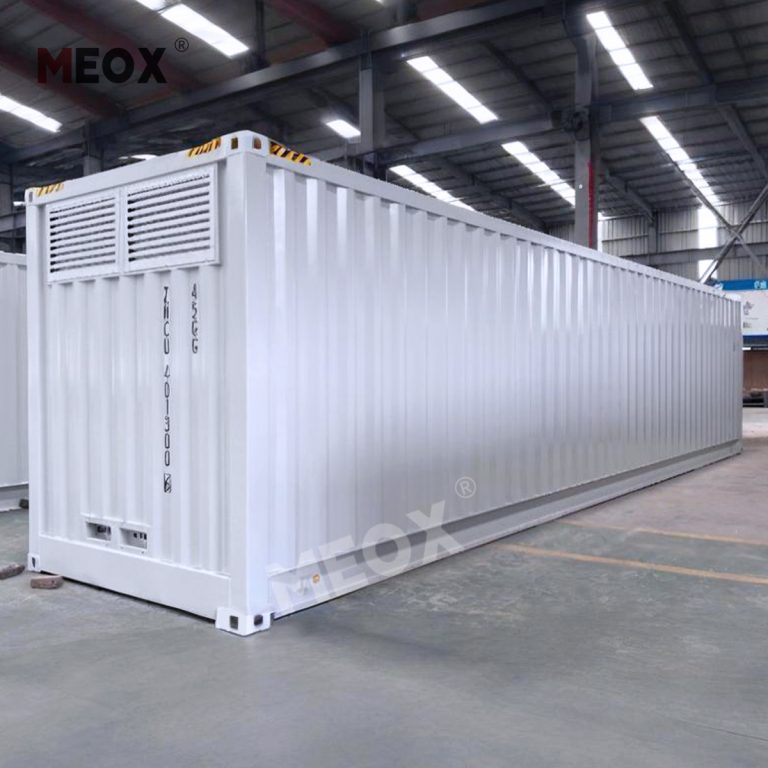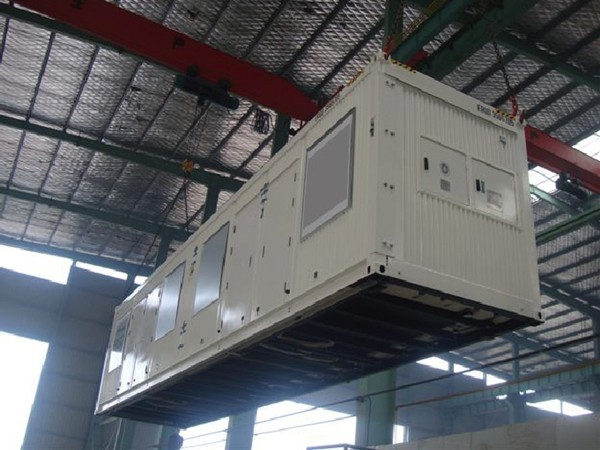
In 2025, mobile solar container systems will offer a lower off-grid cost, making them more affordable than ever. They are also more practical and efficient compared to diesel generators. Businesses are seeking energy independence now more than ever and want clear insight into their energy expenses. This demand is driven by the increasing frequency of power outages and rising fuel prices. MEOX leads the industry with advanced mobile solar container power solutions, positioning solar as the top choice for off-grid energy.
Off-grid cost overview
Key factors in off-grid cost
Off-grid cost changes because of many things. Each power system has its own parts that add to the price. Solar containers and diesel generators have different ways costs add up.
The main things that affect off-grid cost are:
How much you pay at the start
Money spent on fuel or energy
How often you need to fix things
How long the equipment lasts
Discounts and rebates
The table below shows what you might pay for off-grid solar in 2025:
Cost Component | Cost Range (USD) | Description |
|---|---|---|
Solar Panels | $4,000 – $14,000 | Main part that makes energy, price changes with size and quality. |
Solar Batteries | $4,000 – $14,000 | Stores energy for later, very important for off-grid use. |
Inverters | $7,000 – $8,000 | Changes DC power from panels or batteries into AC power for homes. |
Alternative Energy Sources | $6,000 – $20,000 | Can be wind turbines ($6,000-$11,000) or backup generators ($10,000-$20,000). |
Charge Controllers | $550 – $600 each | Controls battery charging, stops overcharging, usually one per battery. |
Labor | ~10% of total cost | Paying workers to install the system, cost depends on how hard the job is. |
Balance-of-System Components | Variable | Includes wires, cables, meters, and other needed parts. |
Total System Cost | $45,000 – $65,000 | The whole price depends on how big and what kind of system you pick. |
Solar containers, like the ones from MEOX, put many of these parts together in one unit. This makes it easier and cheaper to set up. Diesel generators need you to keep buying fuel and fixing them often.
Solar container off-grid cost vs. diesel generator summary
Solar containers and diesel generators cost different amounts. Solar containers save more money over time. Diesel generators cost more because of fuel and repairs.
The table below shows how much each energy source costs per kWh in 2025:
Energy Source | Average Total Cost per kWh (USD) | Cost Range (USD) |
|---|---|---|
Solar Containers | 0.38 – 0.39 | N/A |
Diesel Generators | 0.48 – 0.80 | 0.48 – 0.80 |
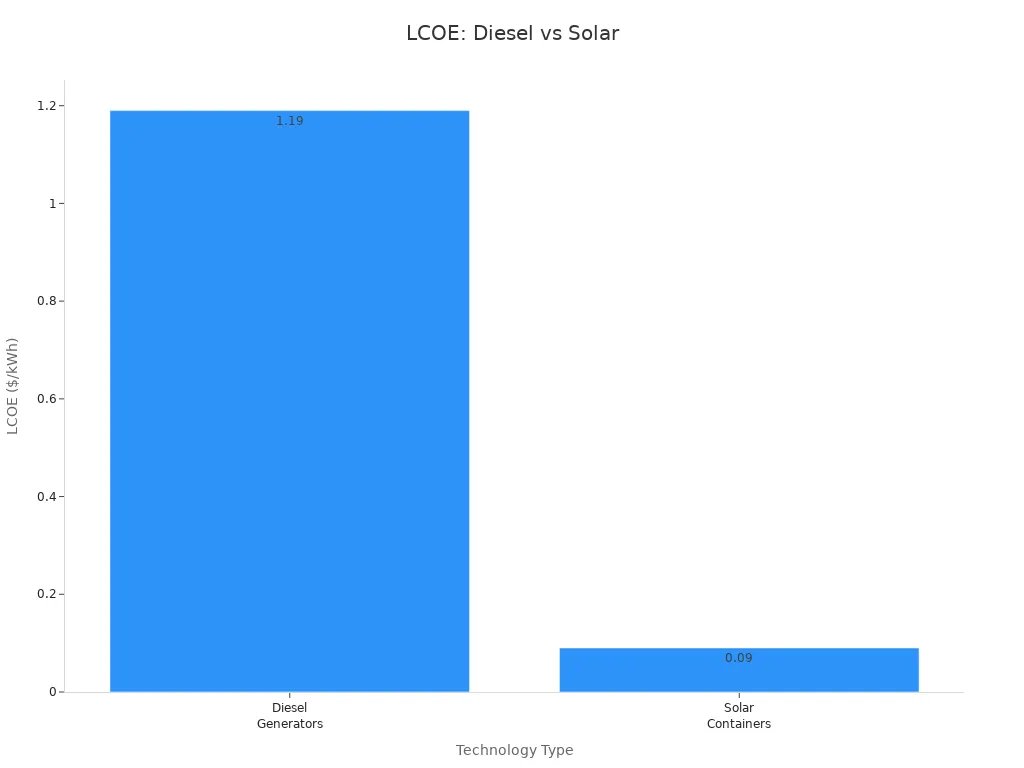
Solar containers help you know what you will pay for energy. Diesel generator prices keep going up because fuel gets more expensive. The levelized cost of energy (LCOE) for diesel is between $0.92 and $1.30 per kWh. Solar PV systems have LCOE between $0.40 and $0.61 per kWh. Hybrid systems use both solar and diesel, with LCOE from $0.54 to $0.77 per kWh.
Diesel prices keep rising, so diesel-only systems are not as good. More businesses now pick solar containers for off-grid power. Government discounts also help lower the cost of solar, making it a better deal.
More people are using solar containers. Companies like MEOX are leading by making strong, easy-to-use solar systems. These systems help businesses manage energy costs and support green goals.
Off-grid cost breakdown
Initial investment and installation
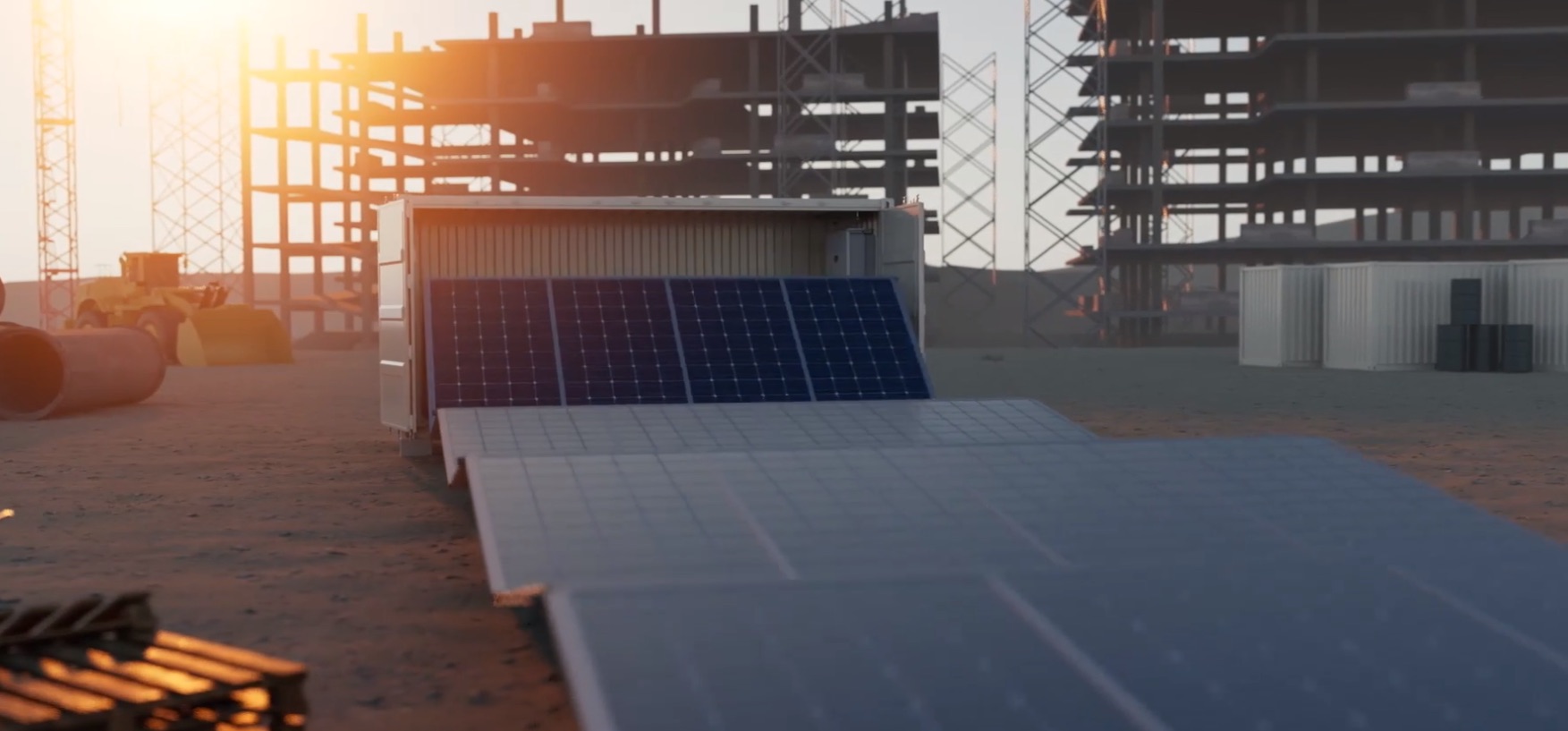
A mobile solar container system costs more at first than a diesel generator. For 100kW, a solar container costs about $150,000. A diesel generator costs around $30,000.
System Type | Initial Investment (100kW capacity) |
|---|---|
Diesel Generator | $30,000 |
MEOX Mobile Solar Container | $150,000 |
Mobile solar containers need special setup at the start. But their design lets you move and install them easily. This setup is safer and takes less time than old solar containers. Over time, this design means less work and better safety.
Maintenance and lifespan
Solar container systems do not need much care. You mostly clean the panels and check the batteries. Diesel generators need oil and filter changes often. This is even more true in tough places. Diesel generators also need fuel brought in often. This can be hard and expensive far from cities. Mobile solar containers last 15 to 20 years or longer. Solar panels can work for 25 to 30 years. They lose power slowly over time. The container can last up to 50 years. This spreads out the cost for a long time.
Diesel generators need lots of service.
Solar containers need little care.
Solar systems do not have fuel delivery issues.
Long-term savings
Businesses save money with mobile solar containers over time. They do not pay for rising fuel or lots of repairs. Mining sites and far-away projects have saved millions by using solar. Solar containers pay for themselves in 4 to 8 years. After that, most power costs very little. Government help, like tax credits and grants, lowers the first cost. This makes more companies want to use solar. These savings make solar containers a good pick for remote, industrial, and business needs.
Diesel generator cost analysis
Upfront and fuel costs
Diesel generators need a lot of money at first. A medium-sized generator costs between $35,000 and $45,000. Big generators can cost $60,000 or even more. You also pay $1,000 to $5,000 to set them up. The table below shows the usual prices for different sizes:
Generator Size | Power Output (kW) | Purchase Price Range (USD) | Typical Installation & Setup Cost (USD) | Typical Applications |
|---|---|---|---|---|
Medium | 80–150 | $35,000 – $45,000 | $1,000 – $5,000 | Commercial, agriculture |
Large | 160–250 | $45,000 – $60,000+ | $1,000 – $5,000 | Manufacturing, mining |
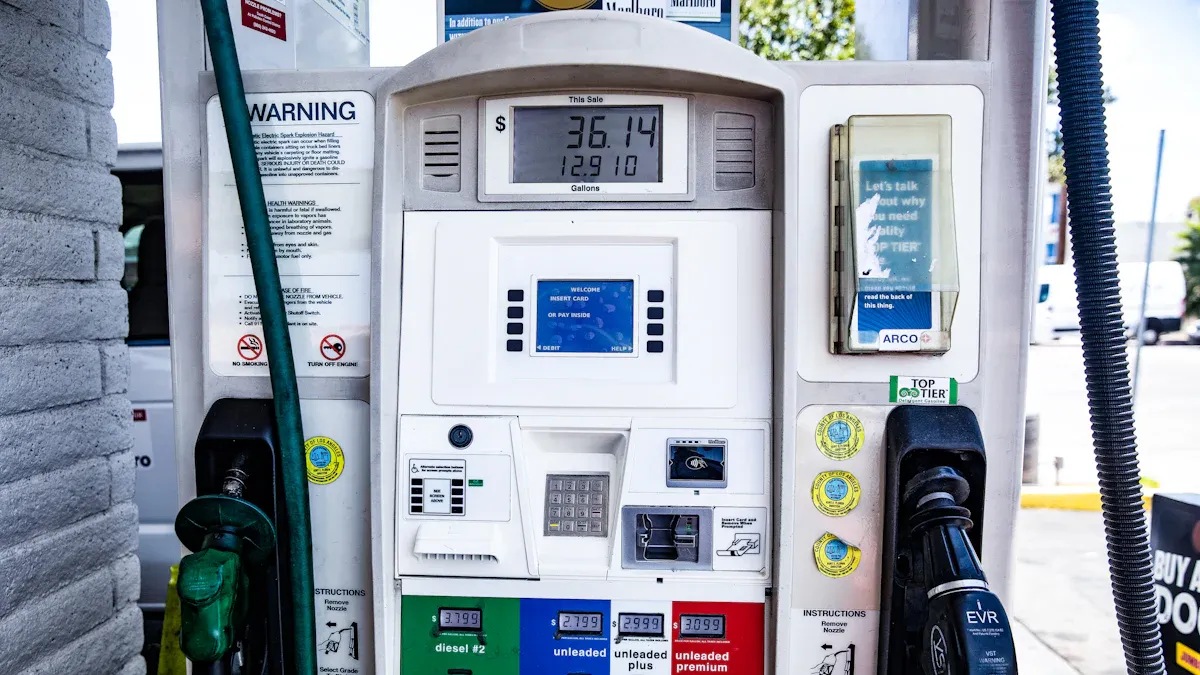
In 2025, diesel fuel will cost about $3.61 for each gallon. Prices might be lower at first but will go up during the year. By the end of the year, it could be $3.75 per gallon. How much you spend on fuel depends on how big your generator is and how much you use it. If more people want fuel or if big things happen in the world, prices can go up. This makes it hard to plan your budget.
Maintenance and operational expenses
Diesel generators need to be checked often. Workers must change the oil and filters. They also look at the system every few months. Each check takes about four hours. Most generators need to be replaced after ten years. This costs a lot more money. Diesel generators use about 0.3 gallons of fuel for each kWh. So, you need to add fuel a lot. Solar containers do not need as much care and do not use fuel. The chart below shows how much more diesel generators cost over time:
Environmental and regulatory impact
Diesel generators make a lot of pollution. They give off nitrogen oxides, sulphur oxides, carbon monoxide, hydrocarbons, carbon dioxide, and soot. This pollution is bad for health and the planet. New rules say generators must be cleaner and make less pollution. Some fixes use filters, catalysts, or new engine parts to help. Carbon taxes and fines for pollution make running costs higher. Solar containers do not make pollution, so they are better for the environment.
Off-grid cost:Mobile solar container reliability
Performance in remote locations
Mobile solar container systems work well in faraway places. They do not need the grid to give power. They store solar energy in lithium-ion batteries for use at night. Teams can set up these containers in under 15 minutes. This makes them great for emergencies. Mining camps and building sites have saved up to 60% on costs in five years. These containers cut downtime by up to 90% compared to diesel generators. They are quiet, so they are good for hospitals and telecom stations. Remote monitoring and easy maintenance keep everything working well.
Mobile solar container systems work in tough places.
They give steady solar power and are fast to set up.
Hybrid models use both solar and diesel, saving 70% on fuel.
Durability and weather resistance
The mobile solar container has a strong steel body. It is made to stop rust. It has an IP65 waterproof rating, so it stays dry in heavy rain. The structure meets CE and UL safety rules for tough weather. The steel frame blocks UV rays and stands up to bad weather. Some models have battery boxes that resist chemicals for use near the sea. These features help the mobile solar container last a long time outside.
Feature | Benefit |
|---|---|
Reinforced steel body | Stops rust and lasts longer |
IP65 waterproof rating | Keeps out water and dust |
UV stability | Handles strong sunlight |
Certified safety | Follows CE and UL safety rules |
Hybrid and backup options
Mobile solar container systems use batteries to keep power on at night or when it is cloudy. The batteries save extra solar energy for later. Hybrid systems mix solar, batteries, and sometimes diesel generators. These systems switch to stored energy if the power goes out. This keeps important equipment safe. The battery backup can grow to power more things. Smart energy controls help save money and protect the environment. Hybrid solar containers have helped mining sites save lots of money each year. They also keep events running without noise or pollution.
Choosing the right off-grid cost solution
Assessing site and user needs
Picking the best off-grid solar solution means knowing what the site and users need. Teams should check many things:
Energy goals, like saving money and stopping blackouts.
Space for solar containers or generators.
How people use energy, including busy times and future needs.
How much money is available and what discounts can be used.
Local rules about noise and pollution.
How much work the system needs and how hard it is to use.
Ideas from all groups involved.
Local things, like fuel prices and sunlight.
Plans to grow in the future.
A good way to start is to list all equipment and their power needs. Add up how much energy is used and include extra for growth. Picking strong systems and teaching workers helps keep things safe and working well.
Regulatory and incentive considerations
Rules and discounts are very important when picking off-grid solar. Programs like NRES and RRES pay for solar power sent to the grid. These programs have rules about project size, worker training, and fair pay. New rules and more ways to join help more people save money. Knowing about these choices helps you save more and follow the rules.
When to choose solar container or diesel generator
Scenario | Solar Container | Diesel Generator |
|---|---|---|
High fuel costs | ✅ Preferred | ❌ Less ideal |
Abundant sunlight | ✅ Preferred | ❌ Less ideal |
Quick, temporary power | ❌ Less ideal | ✅ Preferred |
Strict environmental rules | ✅ Preferred | ❌ Less ideal |
Poor weather, low sunlight | ❌ Less ideal | ✅ Preferred |
Emergency backup | ✅ Hybrid option | ✅ Preferred |
Solar containers are best in far places with lots of sun, hard fuel delivery, and strict rules for the environment. Diesel generators are still good for fast setup, emergencies, and places with little sunlight. Hybrid systems use both for the most reliable power. People should think about long-term costs, being green, and how easy it is to change before picking a system.
Aspect | Diesel Generators | Solar Container Systems |
|---|---|---|
Reliability | Lower, fuel dependent | High, solar and battery |
Operating Cost | High, volatile | Low, stable |
Sustainability | High emissions | Near-zero emissions |
MEOX solar container systems give steady power. They are good for the planet and cost less over time. Businesses can save money and feel safe about their energy. MEOX can make a solar system that fits each project.
Solar containers do not need fuel deliveries.
Solar systems make less pollution and need less fixing.
Off-grid cost FAQ
What is the main advantage of a solar container over a diesel generator?
A solar container gives steady power all the time. You do not need to bring fuel. It costs less for off-grid energy. It helps the environment by making less pollution.
How long does a mobile solar container last?
Most mobile solar containers work for 15 to 20 years. Solar panels can last even longer if you take care of them.
Can a solar container work in bad weather or remote areas?
Yes. Solar containers from MEOX have strong steel bodies. They have batteries that keep power on during storms. They also work well in faraway places.
Further reading:How to design a 40ft solar container for remote solar setup in mining camps