Containerized water treatment plant and containerized wastewater treatment plant have revolutionized how industries and municipalities manage water resources. These modular systems offer rapid deployment, scalability, and cost efficiency—especially for wholesale operators managing large-scale projects. However, their compact, pre-engineered designs also introduce unique maintenance and operational hurdles. This article explores the challenges of modular systems and strategies to mitigate risks while maximizing uptime and efficiency.

Standardization vs. Customization In Containerized Wastewater Treatment Plant Maintenance
One key challenge with containerized wastewater treatment plant is balancing standardization with site-specific needs. While pre-fabricated units reduce upfront costs, their uniform designs may not account for local water quality variations or regulatory requirements. For example, a plant deployed in a mining area with heavy metal contamination might require additional filtration stages not included in the base model.
Wholesale operators often face higher maintenance costs when retrofitting standardized units. Replacing generic components with specialized ones—like advanced membrane bioreactors or UV disinfection systems—can disrupt workflows and extend downtime. To address this, leading suppliers now offer modular add-ons that integrate seamlessly with existing containerized water treatment plant, minimizing operational disruptions.
The Environmental Of Containerized Wastewater Treatment Plant
Containerized wastewater treatment plant are often deployed in harsh environments, from arid deserts to coastal regions with high salinity. Exposure to extreme temperatures, humidity, and corrosive elements accelerates wear on components like pumps, sensors, and electrical systems. For instance, a desalination plant in the Middle East reported 30% faster corrosion rates on pipe joints due to salty air, necessitating quarterly replacements.
Proactive maintenance is critical. Operators must implement rigorous inspection schedules for seals, valves, and coatings. Some wholesalers mitigate these risks by using marine-grade stainless steel or polymer composites in containerized water treatment plant, though this raises initial costs. Predictive maintenance tools, such as IoT-enabled sensors that monitor pH levels or pressure drops, can also preempt failures.
Containerized Wastewater Treatment Plant Technical Expertise At Scale
For wholesalers overseeing multiple containerized wastewater treatment plant, sourcing spare parts and skilled technicians presents a logistical challenge. Modular systems often rely on proprietary components, which can lead to delays if suppliers face shortages. A municipal operator in Southeast Asia, for example, experienced a three-month delay repairing a malfunctioning reverse osmosis module due to supply chain bottlenecks.
To streamline operations, wholesalers are building regional spare part hubs and training local technicians. Standardizing equipment across fleets—even if slightly less efficient—reduces the complexity of maintaining diverse systems. Partnerships with OEMs (original equipment manufacturers) for prioritized support and extended warranties further safeguard against downtime.
Energy Efficiency And Cost Overruns In Containerized Water Treatment Plant
While containerized water treatment plant are lauded for their energy-efficient designs, real-world operational costs can spiral if systems are undersized or improperly calibrated. A food processing plant in Texas saw a 40% spike in energy bills after its containerized wastewater treatment plant struggled to handle sudden increases in organic load from production surges.
Wholesale operators must ensure systems are sized with buffer capacity and equipped with adaptive technologies like variable-frequency drives (VFDs) for pumps. Regular energy audits and AI-driven optimization software can identify inefficiencies, such as overused aeration tanks or clogged filters, reducing long-term costs.
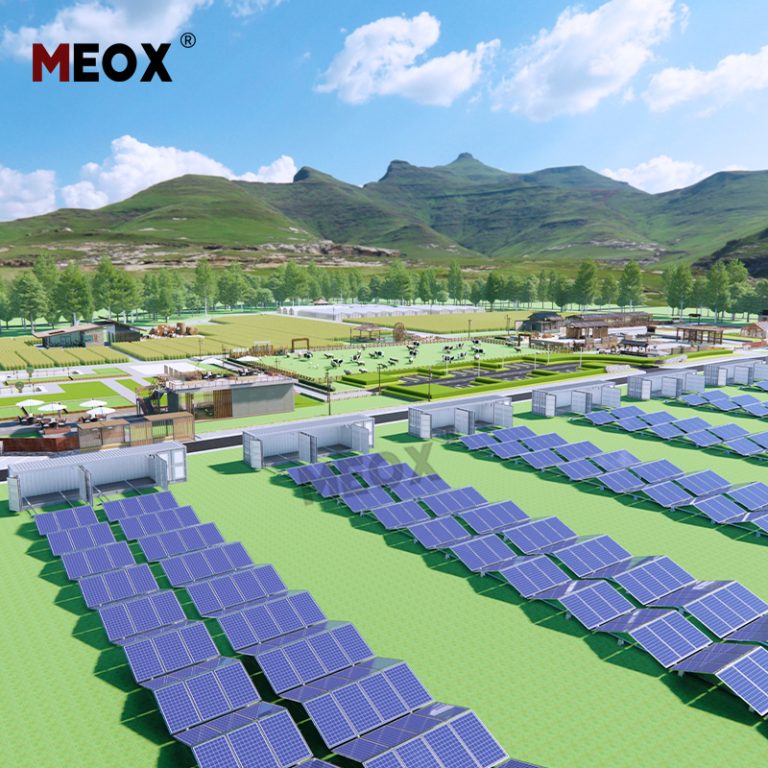
Moreover, integrating smart sensors and IoT technology enables real-time monitoring and predictive maintenance. This proactive approach minimizes downtime and extends the lifespan of equipment. Additionally, using renewable energy sources like solar panels can further decrease operational costs and carbon footprint, aligning with sustainable business practices.
FAQ: Solving Common Queries About Containerized Water Treatment Plant Operations
What are the most frequent maintenance issues in containerized wastewater treatment plant?
Common issues include sensor calibration drift, membrane fouling, and corrosion in harsh environments. Regular cleaning cycles and using corrosion-resistant materials mitigate these risks.
How do the maintenance costs of containerized wastewater treatment plant compare with those of traditional wastewater treatment plants?
While containerized water treatment plant have lower upfront costs, maintenance can be 10–20% higher due to specialized parts. However, their modularity often reduces labor expenses over time.
Can the containerized wastewater treatment plant system handle fluctuating volumes of wastewater?
Yes, but only if designed with scalable modules. Adding pre-treatment tanks or secondary containers allows operators to adjust capacity as demand changes.
Are containerized wastewater treatment plant suitable for remote locations?
Absolutely. Their modular design and self-contained operation make containerized wastewater treatment plant ideal for remote sites, though access to spare parts and technicians must be planned.
What technologies improve reliability in these containerized wastewater treatment plant systems?
IoT sensors, predictive maintenance software, and hybrid power systems (e.g., solar + grid) enhance uptime and reduce energy costs in containerized water treatment plant.
For wholesalers, containerized water treatment plant and containerized wastewater treatment plant offer unparalleled flexibility, but their success hinges on addressing maintenance and operational complexities. By prioritizing standardized yet adaptable designs, investing in predictive technologies, and fostering robust supplier partnerships, operators can turn modular systems into reliable, long-term assets. In an era where water scarcity and regulatory pressures are intensifying, mastering these challenges isn’t just strategic—it’s essential.