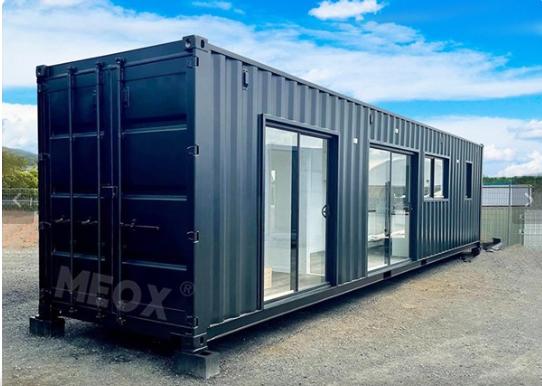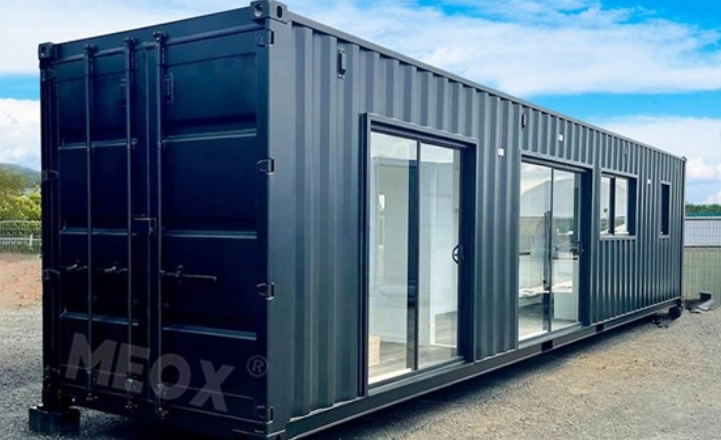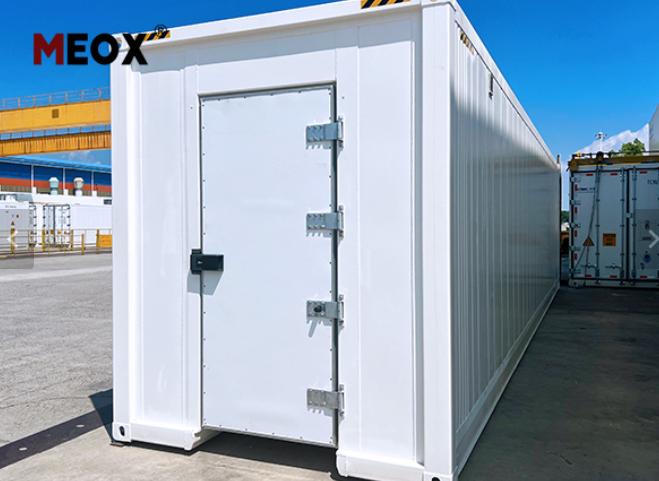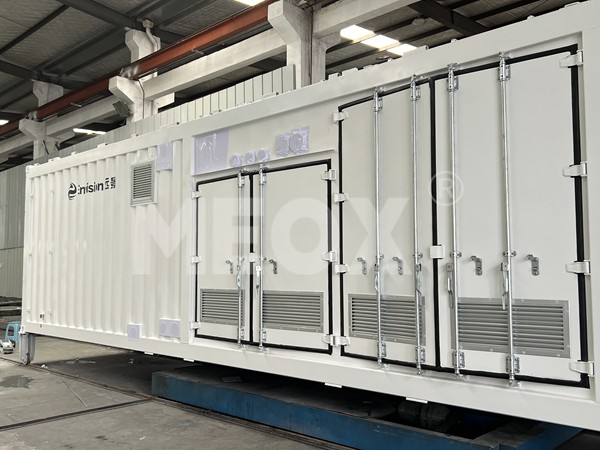
Shipping container commercial kitchen—including versatile shipping container kitchen setups and weather-resistant shipping container outdoor kitchen units—have become a flexible solution for food businesses, from food trucks and pop-up cafes to remote construction camp cafeterias. However, their deployment requires navigating a maze of local permits to ensure compliance with health, safety, and zoning rules—critical for avoiding fines, shutdowns, or legal issues. For wholesalers serving restaurant owners, catering companies, or hospitality developers, partnering with a manufacturer that simplifies permit readiness for shipping container commercial kitchen is essential. Suzhou Zhongnan Intelligent Equipment Co, Ltd., a leading special container manufacturer with complete production equipment and professional design teams, specializes in custom shipping container kitchen units (tailored to health and safety standards) that streamline the permit process. Their ability to integrate permit-ready features (e.g., ventilation, fire suppression) makes them a trusted bulk partner for wholesalers globally.

Zoning Permits for Shipping Container Commercial Kitchen
- Land Use Approval for Shipping Container Kitchen: Before installing a shipping container commercial kitchen, businesses must secure zoning permits to confirm the site is allowed for commercial food service. Zoning rules vary by location—for example, a shipping container outdoor kitchen in a residential area may need a “conditional use permit” (CUP) to operate, while one in a commercial zone may only require a standard zoning clearance. Suzhou Zhongnan advises wholesalers to guide clients through local zoning office checks: key factors include setback requirements (distance from property lines), parking space availability (for customer or delivery vehicles), and noise/smoke restrictions (critical for shipping container outdoor kitchen near homes). For a shipping container kitchen used as a pop-up cafe in a downtown plaza, the zoning permit may also require approval from the local parks department or business association.
- Mobile vs. Permanent Zoning for Shipping Container Outdoor Kitchen: Shipping container outdoor kitchen units may be classified as “mobile” or “permanent” by zoning authorities, affecting permit requirements. Mobile units (e.g., those on wheels for event catering) often need a temporary zoning permit (valid 3–12 months), while permanent installations (e.g., bolted to a foundation for a campus cafeteria) require a permanent zoning certificate. Suzhou Zhongnan designs shipping container commercial kitchen with modular features to fit both categories: mobile units have reinforced wheels and quick-disconnect utility lines, while permanent units include foundation brackets for secure anchoring. A wholesaler’s client operating a seasonal shipping container outdoor kitchen at a beach resort can switch between temporary and permanent permits by adjusting the unit’s setup—thanks to Zhongnan’s flexible design.
Health Department Permits for Shipping Container Kitchen
- Food Safety Compliance for Shipping Container Commercial Kitchen: Health department permits are non-negotiable for shipping container commercial kitchen, as they ensure compliance with food storage, preparation, and handling standards (e.g., FDA Food Code in the US, EU 852/2004 regulations). Suzhou Zhongnan integrates permit-ready food safety features into shipping container kitchen units: stainless steel food prep surfaces (easy to sanitize), separate storage areas for raw/cooked food, and temperature-controlled refrigeration/freezers (with digital monitors for health inspector verification). For example, a shipping container outdoor kitchen used for burger catering includes a 4°C refrigeration unit for raw meat and a 60°C hot holding cabinet for cooked patties—both meeting health code requirements. Zhongnan also adds handwashing stations with hot/cold water and soap dispensers, a mandatory feature for most health permits.
- Waste Disposal and Sanitation for Shipping Container Outdoor Kitchen: Health permits also require proper waste disposal systems in shipping container outdoor kitchen units. Suzhou Zhongnan designs units with enclosed trash/recycling compartments (to prevent pest infestations) and grease traps (for kitchen wastewater, to avoid clogging public sewers). A shipping container commercial kitchen used for fried food service includes a 50-gallon grease trap (cleanable via a secure access panel) that meets local plumbing codes. Zhongnan also provides documentation for sanitation protocols (e.g., daily cleaning schedules, pest control plans) that clients must submit with their health permit applications.
Permit Requirements by Shipping Container Kitchen Type
| Shipping Container Kitchen Type | Key Permit Types Needed | Critical Compliance Feature | Suzhou Zhongnan Design Advantage | Wholesaler Value |
| Shipping Container Commercial Kitchen (Cafe) | Zoning + Health + Plumbing Permits | Stainless steel surfaces; grease trap | Built-in refrigeration; handwashing stations | Appeals to brick-and-mortar food businesses |
| Shipping Container Outdoor Kitchen (Events) | Temporary Zoning + Mobile Food Permit | Quick-disconnect utilities; portable grease trap | Wheel-mounted design; weatherproofing | Caters to event caterers, food trucks |
| Shipping Container Kitchen (Campus/Office) | Permanent Zoning + Fire Safety Permit | Fire suppression system; ventilation hood | Foundation brackets; HVAC integration | Ideal for institutional clients |
| Shipping Container Commercial Kitchen (Remote) | Off-Grid Utility Permit + Health Permit | Solar-powered refrigeration; composting bins | Off-grid electrical hookups; water storage | Serves remote sites (construction camps) |
Fire Safety and Utility Permits for Shipping Container Commercial Kitchen
- Fire Suppression Permits for Shipping Container Kitchen: Shipping container commercial kitchen units require fire safety permits to address risks from cooking equipment (e.g., stoves, fryers). Suzhou Zhongnan installs automatic fire suppression systems (e.g., Ansul systems) that trigger when temperatures exceed 180°C—these systems are plumbed to cooking surfaces and linked to the unit’s ventilation hood, a requirement for most fire permits. Shipping container outdoor kitchen units also include fire extinguishers (rated for Class K fires, specific to cooking oils) and non-combustible wall liners (to prevent fire spread). For a shipping container commercial kitchen with a wood-fired pizza oven, Zhongnan adds a heat-resistant chimney with spark arrestors, meeting local fire code standards.
- Utility Connection Permits for Shipping Container Outdoor Kitchen: Shipping container outdoor kitchen units need permits to connect to water, electricity, gas, and sewage—requirements vary by utility type. Suzhou Zhongnan designs units with standardized utility ports: water connections with backflow preventers (to meet plumbing codes), electrical panels with GFCI outlets (for shock protection), and gas lines with pressure regulators (for safety). For off-grid shipping container commercial kitchen units (e.g., at a music festival), Zhongnan integrates solar panels and water storage tanks—these may require a separate “off-grid utility permit” from local authorities. The company provides detailed utility connection diagrams for clients to submit with permit applications, ensuring compatibility with local infrastructure.
Shipping Container Commercial Kitchen FAQS
How Long Does It Take to Get Permits for a Shipping Container Outdoor Kitchen?
Timelines vary by location and permit type: temporary permits for shipping container outdoor kitchen (e.g., event catering) take 2–4 weeks, while permanent permits for shipping container commercial kitchen (e.g., a fixed cafe) take 6–10 weeks. Suzhou Zhongnan’s permit-ready designs (with pre-installed health/fire features) can reduce this time by 30%—for example, a client with a Zhongnan shipping container kitchen may get a health permit in 2 weeks vs. 3 weeks for a non-compliant unit. For wholesalers, this speed is a key selling point: it lets clients launch their food business faster, increasing satisfaction.
Can a Shipping Container Kitchen Be Relocated Without Reapplying for Permits?
It depends on the new location: if moving to a different city or county, clients will need to reapply for local zoning, health, and utility permits (since rules vary by jurisdiction). However, Suzhou Zhongnan’s shipping container commercial kitchen units retain their compliance features (e.g., stainless steel surfaces, fire suppression), so clients only need to submit updated site plans—not redesign the unit. For a shipping container outdoor kitchen moving between event venues in the same city, a temporary permit extension may be possible instead of a full reapplication. For wholesalers, this portability adds value: clients can expand to new locations without investing in a new shipping container kitchen.
Do Shipping Container Commercial Kitchen Need a Separate Plumbing Permit?
Yes—most jurisdictions require a separate plumbing permit for shipping container commercial kitchen, as they involve water lines for sinks, refrigeration, and dishwashing, plus grease traps for wastewater. Suzhou Zhongnan’s units include plumbing systems that meet International Plumbing Code (IPC) standards, so clients’ permit applications are more likely to be approved quickly. For example, a shipping container kitchen with a three-compartment sink (mandatory for dishwashing) and a properly sized grease trap will pass plumbing inspections with minimal issues. For wholesalers, this compliance eliminates a common permit headache: plumbing rejections are one of the top causes of delays for food businesses.
Are There Special Permits for Shipping Container Outdoor Kitchen in Cold Climates?
Yes—cold climates may require additional permits for shipping container outdoor kitchen to ensure utility lines don’t freeze. Suzhou Zhongnan designs cold-climate units with insulated water/gas lines and heated floor mats (to prevent freezing), which may need a “cold-weather utility permit” from local authorities. The units also include weatherproof enclosures for electrical panels, meeting freeze-thaw cycle standards. For a shipping container commercial kitchen in a northern state, these features let clients operate year-round without permit violations. For wholesalers, this climate adaptability expands market reach: shipping container kitchen units can serve clients in cold regions, not just temperate areas.
Does Suzhou Zhongnan Provide Documentation to Support Permit Applications?
Absolutely—Zhongnan provides a comprehensive permit package for every shipping container commercial kitchen order, including structural engineering plans (for zoning permits), material safety data sheets (for health inspections), fire suppression system certificates (for fire permits), and utility connection diagrams (for plumbing/electrical permits). The company also offers to review clients’ permit applications (via their professional design team) to catch potential issues before submission.