PV container technology helps you have power off-grid. It works even in far away outdoor places. More outdoor businesses want renewable energy now. You can see solar and energy storage at work sites. They are also at festivals and mobile businesses. Market data says outdoor mobile power solutions made $3.2 billion in 2024. Solar-powered generators are growing by 14% each year.
Aspect | Evidence Summary |
|---|---|
Market size (2024) | $3.2B |
Projected market (2033) | $6.1B |
Top sectors | Outdoor camping (40%), construction (30%), festivals (15%) |
Key drivers | Demand for off-grid, portable energy, advances in battery and solar technology |
You can use new energy solutions like the Mobile Solar Container. These systems give clean energy. They help lower costs. They support your work anywhere.
Key Takeaways
PV containers give clean and steady solar power off-grid. They are great for faraway work sites, outdoor events, and moving businesses.
These systems are simple to set up and move. They have foldable panels and parts already put together. This saves time and hard work.
Solar energy containers help cut fuel costs and lower pollution. They help businesses reach green goals and last a long time.
You need to clean the panels and check the batteries often. This keeps your system working well and strong.
You can make your solar power system bigger if you need more power. PV containers are a smart and flexible energy choice.
What is a PV Container
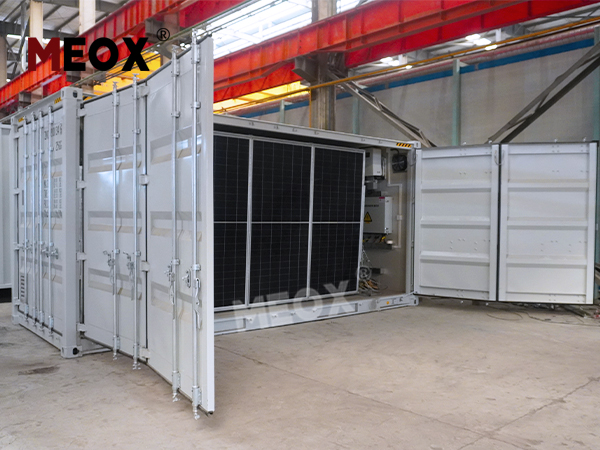
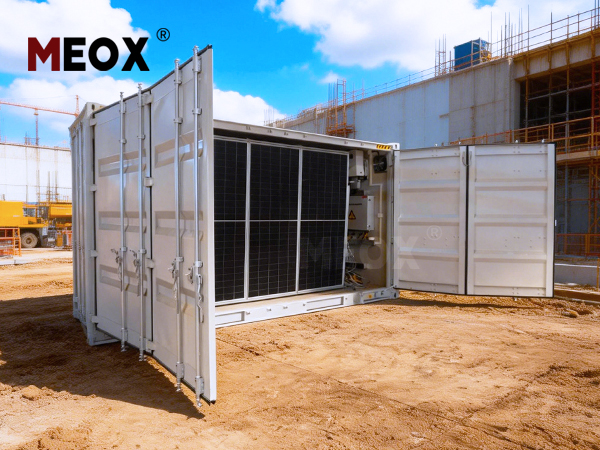
A pv container is a full solar energy system in one box. It has solar panels, batteries, inverters, and control systems inside a strong shipping container. This setup lets you bring solar power anywhere you need it. You can use a solar energy container at faraway work sites, outdoor events, or for mobile businesses. The system works well in hard places, like deserts or cold areas.
Solar Energy Technology of PV Container
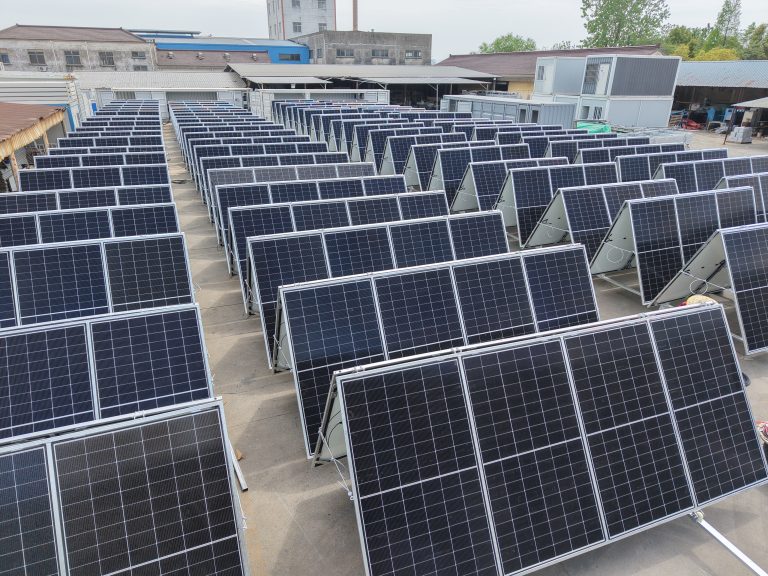
Solar energy technology in a pv container uses photovoltaic panels to make electricity from sunlight. These panels are on the roof or sides of the container. The panels collect sunlight during the day. Charge controllers help control the electricity flow. Inverters change the electricity from direct current to alternating current for your tools. Solar batteries save extra energy for nighttime or cloudy days. This setup gives you steady solar power, even when the sun is not out.
Core Components of a PV Container | Description | Example Features | Industry Alignment |
|---|---|---|---|
Solar Array | Photovoltaic panels on racks | Fold-out, plug-and-play | Rapid deployment |
Battery Bank | Lithium-ion storage | Insulated, climate control | Reliable in harsh weather |
Inverter/Charger | DC to AC conversion | Integrated, quick setup | Fast commissioning |
Control & Monitoring | Remote telemetry, EMS | Real-time monitoring | Safety and control |
Enclosure & Wiring | Weatherproof, pre-wired | Plug-and-play harnesses | Quick installation |
Solar energy container systems often meet or beat industry standards. Some containers keep working 85% of the time, even at -30°C. You get remote monitoring and fast setup. This means less waiting and more steady energy.
Modular and Mobile Design of PV Container
A pv container uses a modular and mobile design to make solar power easy. You can move the container by truck, ship, or train. Foldable panels help you set up fast. Pre-assembled systems mean you need less time and fewer workers to install. Most solar energy containers are ready in under three hours. You can connect more containers to make a bigger solar power system. This helps you get more energy as your needs grow.
Foldable solar panels make moving and setting up easy
Built-in energy storage gives you power all the time
Pre-assembled systems help you set up fast
Standard container size makes shipping simple
Automatic unfolding saves work

Solar energy container systems work better than old off-grid power. You can set them up faster, get more power each day, and use them longer. You also save money and help the environment. If you have questions about service, most companies offer remote monitoring, quick panel replacement, and help with batteries and control systems. This support helps your solar energy keep working well.
Outdoor Applications of PV Containers
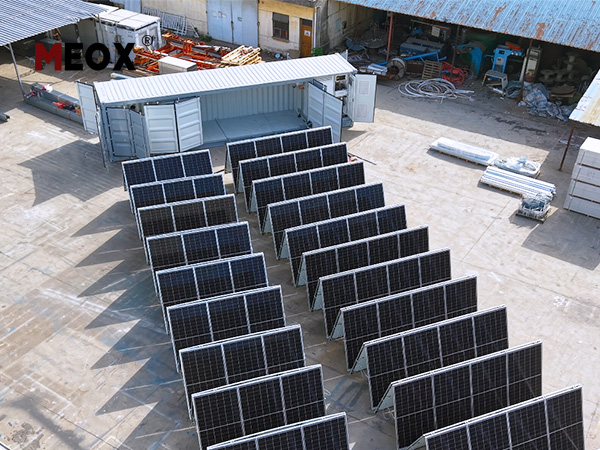
PV containers let you use solar energy in many outdoor places. You can put them at work sites far away, at outdoor events, or for mobile businesses. Each use shows how solar panels and batteries help make your job easier. Smart design makes the system work well and keeps your power steady.
Remote Work Sites
Sometimes you need power where there are no power lines. PV containers give you solar energy right where you need it. You can put a container at a building site, a mining camp, or near a telecom tower. The panels take in sunlight and make solar electricity. Batteries save extra energy for nighttime or cloudy days. You get lights, power for tools, and even heating or cooling for tents.
Here are some real examples:
Clinic in a Can uses solar containers as medical clinics in far-off places. The panels use special clamps so the container does not get damaged.
The Solar Chiller project in Zanzibar made a cold storage unit for farmers. The design lets you put it together and move it easily.
LZY-MSC1 Sliding Mobile Solar Container is good for field projects. A small team can set it up fast. It has fold-out panels and batteries for lights, coolers, and equipment.
Foodlogica in Amsterdam uses solar containers to charge electric delivery trikes. This cuts down on fuel and helps keep the air clean.
You can also use solar field offices at oil and gas sites or for disaster help. The containers keep important gear safe and hold foldable solar panels. You spend less money on diesel and get steady solar energy for all your outdoor jobs.
Outdoor Events and Festivals
Outdoor events need lots of power for lights, music, and cooling. PV containers give you solar energy that is clean and quiet. You can set up a solar container in under three hours. The design lets you add more panels if you need more power. Batteries keep the lights on after dark.
A good example is the KulSun solar people cooling shelter. This tent uses only solar energy and sets up fast. You do not need outside power. It helps keep people cool and safe during hot days.
Feature/Aspect | Description |
|---|---|
Deployment Speed | Pre-assembled solar containers deploy power in less than three hours, ideal for rapid event setup. |
Modularity & Scalability | Modular design allows easy expansion of solar power capacity to meet varying energy demands. |
Power Output | Solar arrays range from 20 to 200 kWp, suitable for different event sizes and energy needs. |
Battery Storage | Battery systems provide 100-500 kWh storage, ensuring reliable power supply even without sunlight. |
Container Sizes | Available in 10ft, 20ft, and 40ft shipping container formats for transportability and flexibility. |
Environmental Impact | Zero-emission, zero-noise power reduces carbon footprint and noise pollution at outdoor events. |
Cost & Reliability | Reduces fuel costs by up to 80%, offers rugged, reliable power in remote/off-grid locations. |
Use Cases | Suitable for outdoor festivals, remote construction sites, mining, emergency response, and events. |
You can use solar lights, coolers, and tents to make your event safer. Solar energy keeps your lights and music going with no noise or smoke. You help the planet and save money on fuel.
PV Containers for Mobile Businesses
Mobile businesses need power that can move with them. PV containers give you solar energy wherever you go. You can use them for farms, building sites, water work, and more. The panels take sunlight and make solar electricity for lights, tools, and machines. You can power irrigation, charging stations, or even small shops.
Many mobile businesses use PV containers because they are easy to move and set up. You can put them together and take them apart fast. The plug-and-play design means you do not need special training. The system protects itself by folding the panels in bad weather. You use less diesel and pay less for energy.
Mobile Business Sectors Using PV Containers | Reported Benefits |
|---|---|
Agriculture and Water Management | Extra solar power for self-use, supports generators |
Remote Charging Stations | Power for off-grid charging stations |
Construction Sites and Industrial Areas | Extra power for large and small sites |
Emergency Areas | Off-grid power in remote places |
Events and Happenings | Power for venues without grid connection or to cover peak loads |
Energy Companies | Support weak public networks during high use |
Communities and Refugee Villages | Solar power for self-use, extra can feed into local grid |
Mining Applications | Island power plants for grid-independent supply with storage |
You get many good things:
Quick setup and takedown
Easy to move and ship
Less diesel use and less pollution
Lower energy bills
Clean solar energy
Panels clean themselves, so less work for you
Safe system with fast panel folding
Works on-grid or off-grid
You can use PV containers with solar generators or batteries for even better power. You can use them for lights, cooling, and running machines in tents or outside. Solar energy helps your business grow and keeps the earth healthy.
Tip: Always check your spot for the best sunlight. Keep your panels clean for the most solar energy. If you need help, most companies offer remote checks and fast help for panels, batteries, and controls.
Solar PV Container Benefits

Reliable Off-Grid Power
You need power that works all the time. Solar energy containers give you this power. Solar panels use sunlight to make electricity. The panels turn sunlight into energy. Batteries inside the container save extra energy for later. You can use this power for lights, tools, and a solar water heater. Solar energy containers are quiet and do not make smoke. You do not have to bring fuel to your site. This makes your job safer and easier.
Feature | PV Containers (Mobile Battery Containers) | Traditional Diesel Generators |
|---|---|---|
Power Source | Renewable energy stored in batteries | Diesel fuel |
Noise Level | Silent operation | Noisy |
Environmental Impact | Eco-friendly, reduces carbon footprint | Emits harmful fumes |
Fuel Dependency | No fuel needed | Needs constant refueling |
Scalability | Modular and scalable | Limited scalability |
Deployment Speed | Rapid plug-and-play setup | Needs setup and fuel supply |
Maintenance | Low maintenance | High maintenance |
Operational Cost | Lower costs | High costs |
Reliability | Continuous power day and night | Power depends on fuel |
Use Cases | Outdoor events, telecom, disaster relief | Common but less sustainable |
Solar energy containers help stop power cuts. You can trust your lights and hot water to work every day.
Sustainability and Cost Savings
Solar energy helps you save money. You do not pay for fuel. You do not worry about big energy bills. Solar energy containers use the sun, which is free and always there. You can use solar water heaters to get hot water and save more money. Many outdoor businesses save between 3.6% and 11.2% on energy. You can get your money back in about four years. Solar energy also helps you reach green goals. You make less pollution and help the earth.
Solar energy containers let you use power when you need it. You can run lights, tools, and solar water heaters without extra cost. You do not waste energy or lose money when things stop working. You can add more solar panels as your business grows.
Durability and Weather Resistance
You need equipment that lasts a long time. Solar energy containers are made from strong materials. They work in rain, snow, and hot weather. Many containers meet ISO 9001 quality standards. You can use solar panels and solar water heaters in hard places. The system keeps your lights and energy running, even in storms.
Solar energy containers last more than 15 years. If you have a problem, most companies help you fast. You can get remote checks, quick panel swaps, and battery help. This keeps your solar energy system working well.
Tip: Clean your panels often. Check your solar water heater and batteries. Good care gives you more energy and fewer problems.
Deployment Tips for PV Containers
Site Assessment
You should check the site before setting up a solar energy container. Pick a place that gets sunlight all day. Stay away from tall trees or buildings that make shade. Make sure the ground is flat and strong. Trucks must be able to get to the spot. If wildfires are common, use fire-resistant containers. Keep the area around your solar setup clear. Cut grass and brush to lower fire danger. Always follow local fire rules and talk to fire crews about safety. Good planning helps your solar energy system work well and last longer.
Tip: Try a solar pathfinder or a sunlight app to see if there is shade at different times of the year.
Installation and Maintenance
Most solar energy containers can be set up in a few hours. Foldable panels make it quick and simple. Use underground wires to keep cables safe from fire and weather. Make sure all panels are tight so they do not blow away. In snowy places, tilt the panels so snow slides off and sunlight bounces onto them. Clean the panels often to get rid of dust, leaves, or snow. Cleaning helps your solar energy stay strong.
Here are some good ways to take care of your system:
Check panels and batteries every month.
Write down all checks and repairs.
Test emergency shutdowns.
Teach your team about solar safety and what to do in an emergency.
Have a solar expert check your system once a year.
A farm in Arizona used a solar energy container with underground wires. They cleaned the panels every month. Their solar system kept working during dust storms and heat waves.
Maintenance Task | Frequency | Purpose |
|---|---|---|
Panel Cleaning | Monthly | Maximize solar energy output |
Battery Inspection | Monthly | Ensure safe energy storage |
Vegetation Control | Quarterly | Reduce fire and shading risks |
System Testing | Annually | Check emergency functions |
Customization Options
You can change solar energy containers to fit your business. Pick the size, color, and type of solar panel you want. Some containers have extra things like built-in HVAC, fire systems, or special battery racks. You can choose strong materials for tough weather. Add doors, hatches, or floors that do not slip to make care easier. Choose solar kits that work off-grid if you need power far from towns.
Foldable solar panels give you more choices. You can set up solar energy fast and move the container when you need to. Smart monitors and custom wiring help you see your energy use right away. Many people add their own colors or logos to match their business.
Note: Custom options help your solar energy work better and make your system safer and easier to use.
PV containers give you steady, clean power far from cities. You can set them up quickly and move them when needed. You can add more power if your needs grow. Many outdoor businesses pick PV containers for these reasons:
Foldable designs make moving and setting up easy
Light weight makes them simple to carry
Energy storage and smart tools help save power
Flexible systems work for many outdoor jobs
Lower costs and help with green goals
If you want to know more or need help, you can get support from MEOX. They help with planning and running your system for a long time. You can look at their project guides or ask their team for tips.
FAQ
How long does it take to set up a PV container?
You can set up most PV containers in less than three hours. For example, a team in Kenya installed a 20ft solar container for a farm in just two hours. Fast setup helps you start using solar power quickly.
What should you do if your PV container stops working?
First, check the control panel for error codes. Clean the panels and inspect the battery connections. If you still have problems, contact after-sales support. Many companies offer remote diagnostics and can guide you step by step.
Can you expand your PV container system later?
Yes, you can add more containers or solar panels as your energy needs grow. Many users start with one unit and add more over time. This modular design helps you scale up without major changes.
How do you keep your PV container working well in bad weather?
Choose a site with good drainage. Secure the container and fold panels during storms. Clean snow or dust off panels. In 2023, a construction site in Norway used these steps and kept their system running through heavy snow.
What kind of maintenance does a PV container need?
You should clean the panels monthly and check battery levels. Inspect wiring and connections every three months. Use the table below for a simple maintenance plan:
Task | Frequency | Why It Matters |
|---|---|---|
Clean panels | Monthly | Keeps energy output high |
Check batteries | Monthly | Ensures safe storage |
Inspect wiring | Quarterly | Prevents power loss |
Tip: Keep a logbook of all checks and repairs. This helps you spot problems early and keeps your system reliable.