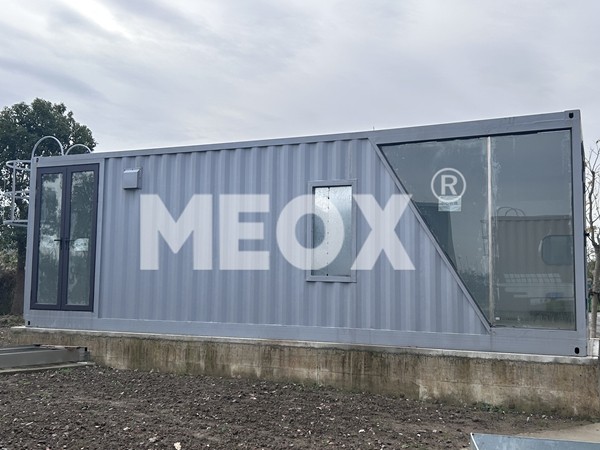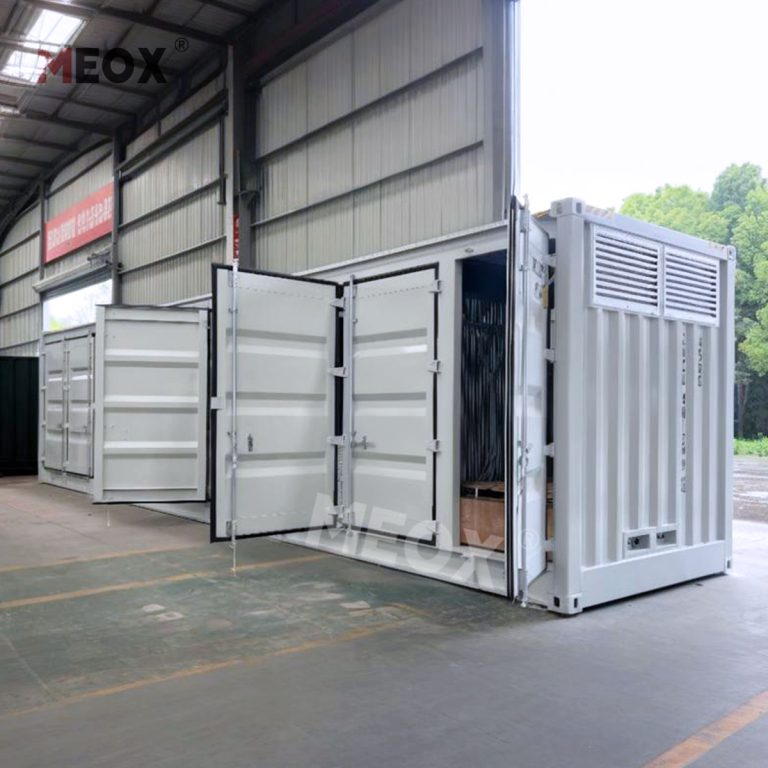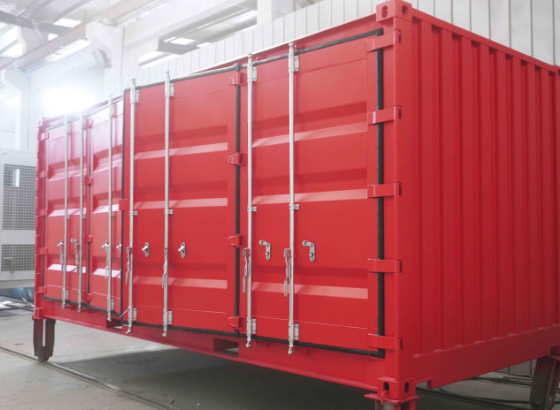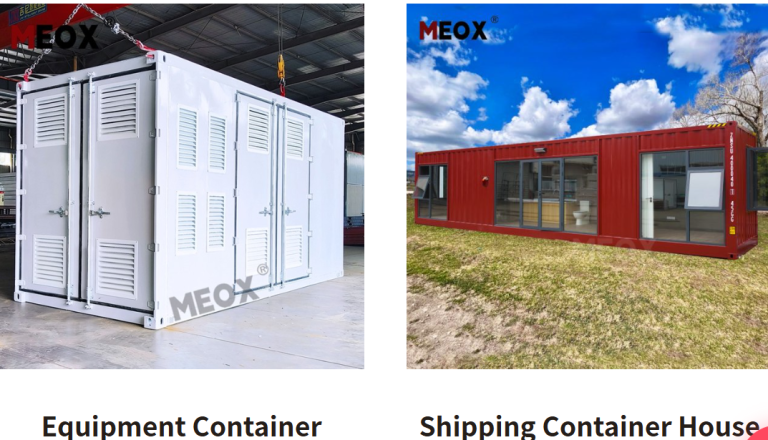
In the modern energy landscape, container energy storage systems have become integral to the efficient management of power resources. Among these, lithium ion battery storage containers are particularly prevalent due to their high – energy density and reliability. However, ensuring the safety of energy storage containers is of utmost importance.

Thermal Management in Lithium Ion Battery Storage Container
Lithium ion battery storage containers are susceptible to thermal issues, with thermal runaway being a major concern. When a battery overheats, it can trigger a chain reaction that may lead to fires or explosions. To combat this, lithium ion battery storage containers must incorporate advanced thermal management systems. This includes the installation of cooling fans, heat – dissipating materials, and sophisticated temperature sensors. These sensors continuously monitor the temperature inside the lithium ion battery storage container and can automatically trigger cooling mechanisms when necessary. Additionally, proper ventilation within the container helps in dissipating excess heat, ensuring the safe operation of the batteries.
Electrical Safety Protocols for Energy Storage Container
Electrical safety is a cornerstone of energy storage container operations. Faulty wiring, improper grounding, or electrical overloads in an energy storage container can pose significant risks, including electrical shocks, short circuits, and fires. All electrical components within the energy storage container, such as inverters, converters, and connectors, must meet strict international safety standards. Regular electrical inspections are essential to identify and rectify any potential issues. Installing circuit breakers and residual current devices (RCDs) can provide additional protection against electrical faults, safeguarding both the equipment and the personnel working with the energy storage container.
Structural Robustness of Container Energy Storage
The structural integrity of container energy storage systems is vital for withstanding various environmental and operational stresses. These containers are often exposed to extreme weather conditions, vibrations during transportation, and heavy loads. High – quality materials, such as reinforced steel, are typically used in the construction of container energy storage units to ensure durability. Additionally, proper anchoring and bracing techniques are employed to prevent movement or tipping. Regular structural inspections, including checks for corrosion and fatigue, are necessary to maintain the long – term stability of container energy storage systems.
Environmental Protection of Lithium Ion Battery Storage Container
Lithium ion battery storage containers need to be protected from harsh environmental elements to ensure safe and efficient operation. Extreme temperatures, humidity, and dust can all affect the performance and lifespan of the batteries. Lithium ion battery storage containers should be designed with weather – resistant enclosures, including waterproof seals and dust – proof gaskets. Insulation materials can be used to regulate the internal temperature, protecting the batteries from heat and cold. In areas with high humidity, dehumidifying systems can be installed inside the lithium ion battery storage container to prevent moisture – related damage.
Emergency Response Planning for Energy Storage Container
An effective emergency response plan is crucial for energy storage containers. In the event of a fire, electrical failure, or battery leakage, quick and coordinated action is essential. Personnel working with energy storage containers should be trained in emergency procedures, including how to shut down the system safely, use fire – fighting equipment, and evacuate the area. Emergency exits and escape routes should be clearly marked, and communication systems should be in place to ensure that all relevant parties are informed during an incident. Regular emergency drills can help improve response times and ensure the safety of everyone involved with the energy storage container.
Safety Considerations for Container Energy Storage Systems FAQS
How often should I inspect a lithium ion battery storage container?
Regular inspections of lithium ion battery storage containers are essential. A comprehensive inspection should be carried out at least once a month, checking for signs of thermal stress, battery degradation, and any damage to the container’s structure or components. Additionally, daily visual checks can help identify any immediate issues.
What are the key indicators of electrical problems in an energy storage container?
Signs of electrical problems in an energy storage container include flickering lights, unusual noises from electrical components, burning smells, and tripped circuit breakers. If any of these indicators are observed, the energy storage container should be immediately shut down and inspected by a qualified electrician.
How can I ensure the structural safety of container energy storage during transportation?
To ensure structural safety during transportation of container energy storage systems, proper securing methods must be used. This includes using heavy – duty straps, locks, and supports to prevent movement. The container should also be inspected before and after transportation for any signs of damage.
What is the best way to protect a lithium ion battery storage container from extreme heat?
The best way to protect a lithium ion battery storage container from extreme heat is by using insulation materials, installing cooling systems such as air conditioners or fans, and positioning the container in a shaded area. Reflective coatings on the exterior of the container can also help reduce heat absorption.
How do I develop an emergency response plan for an energy storage container?
To develop an emergency response plan for an energy storage container, first identify potential hazards and risks. Then, define clear roles and responsibilities for personnel, establish communication channels, and outline evacuation procedures. The plan should also include training programs and regular drills to ensure everyone is prepared for emergencies.
Are you looking for top – notch container energy storage solutions that prioritize safety? Our company offers a wide range of lithium ion battery storage containers and energy storage container systems designed with the highest safety standards in mind. From advanced thermal management to robust structural designs, our products provide reliable and secure energy storage.Contact us today to explore our offerings and place your order!