As the demand for fast, affordable, and flexible housing solutions grows, shipping container accommodation has become a practical alternative to traditional construction. Adaptable for both temporary and permanent living spaces, container accommodation offers cost-effective, durable, and easily deployable options for workers’ camps, disaster relief housing, student dormitories, and even modern modular homes. If you are exploring shipping container accommodation for sale, understanding the available features, advantages, and considerations is essential.
This guide provides a detailed overview of shipping container accommodation, its key uses, and how to choose the right unit for your project.
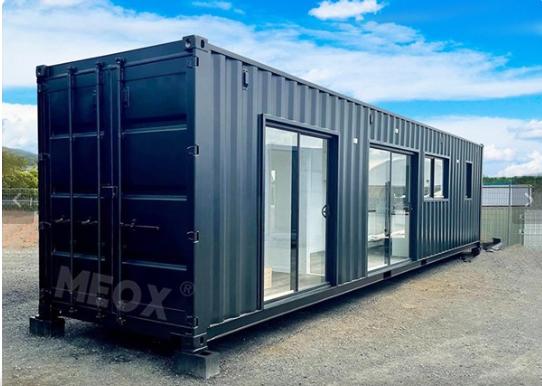
What Is Shipping Container Accommodation
Shipping container accommodation refers to living or working spaces that are built using modified shipping containers. These structures are equipped with necessary amenities such as insulation, electrical systems, plumbing, doors, windows, air conditioning, and furnishings to create habitable environments.
Key characteristics include:
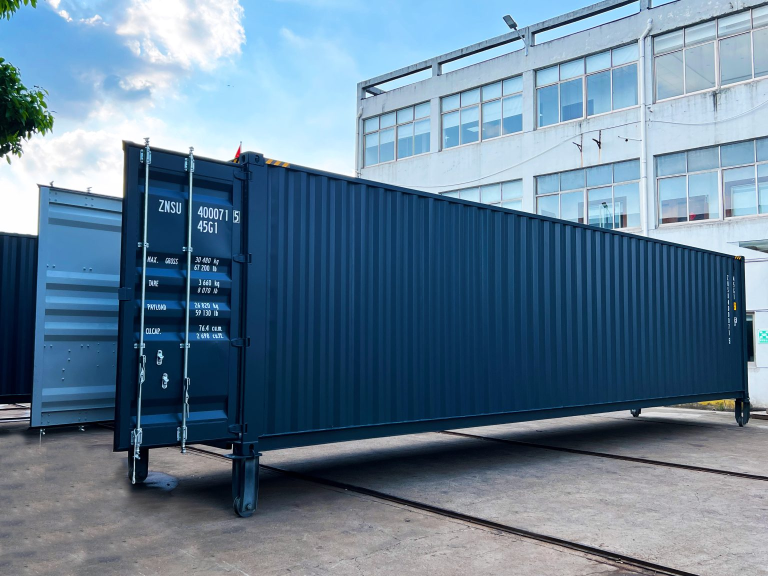
Based on standard ISO container sizes, usually twenty-foot or forty-foot
Designed for single units or modular stacking to create larger facilities
Built to meet local building codes and health and safety standards
Can be used for temporary, semi-permanent, or permanent accommodation
Container accommodation units are widely used in industries such as construction, mining, oil and gas, education, tourism, and emergency response.
Advantages of Shipping Container Accommodation
Fast Deployment
Containers can be converted, shipped, and installed much faster than conventional building methods, often within weeks.
Cost-Effectiveness
Significantly lower construction and setup costs compared to traditional housing. Modular designs allow easy scaling according to budget and need.
Durability
Constructed from corten steel, shipping containers offer exceptional resistance to harsh weather, corrosion, and physical damage.
Flexibility
Units can be customized for various layouts, from single rooms to multi-bedroom apartments, offices, kitchens, or washroom facilities.
Mobility
Shipping container accommodation can be relocated easily, making it ideal for remote or changing project sites.
Sustainability
Reusing shipping containers reduces construction waste and environmental impact compared to conventional builds.
Typical Features of Container Accommodation Units
Thermal insulation with polyurethane or rock wool panels
Internal wall linings made from vinyl-coated steel or plywood
Electrical systems including lighting, power sockets, and air conditioning
Plumbing installations for bathrooms and kitchens
Heavy-duty secure doors and windows with safety glass
Ventilation systems or HVAC units for climate control
Fire-resistant and waterproof construction materials
Custom interior layouts to suit different occupancy needs
Modular stacking capability with integrated staircases and walkways
Many container accommodations are delivered fully fitted and ready for immediate occupancy.
Common Applications for Shipping Container Accommodation
Workers’ Camps
Housing for laborers and technicians at mining, oil and gas, or construction sites.
Disaster Relief Housing
Quick deployment of safe, habitable shelters in post-disaster areas for displaced populations.
Student Dormitories
Affordable and expandable housing for educational institutions.
Military and Remote Bases
Living quarters for troops, researchers, and support staff stationed in remote areas.
Tourism and Hospitality
Container hotels, eco-resorts, and temporary accommodation facilities.
Temporary Offices and Event Spaces
Portable office setups or event accommodation for exhibitions, sporting events, and concerts.
Options When Buying Shipping Container Accommodation
Standard Single Units
Simple self-contained rooms equipped with bed, desk, storage, lighting, air conditioning, and sometimes an en-suite bathroom.
Linked or Modular Units
Multiple containers joined together horizontally or vertically to create larger living areas, office complexes, or camp villages.
Luxury and Customized Units
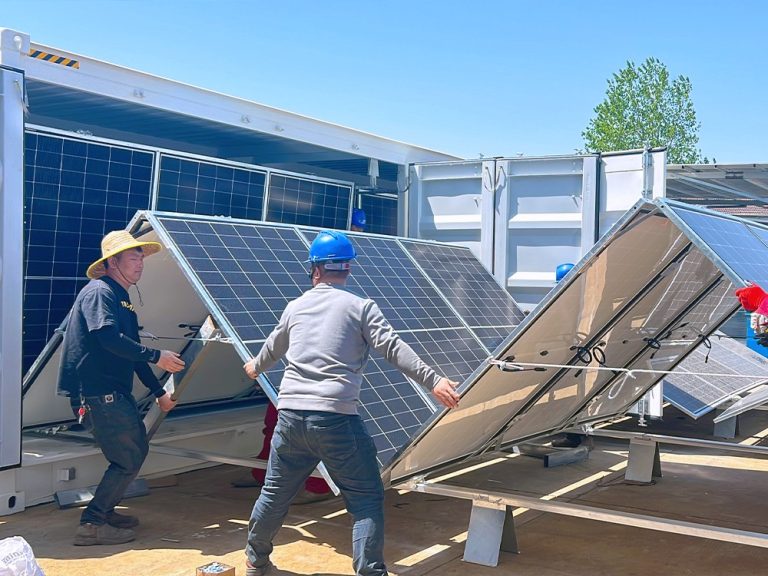
High-end finishes including designer interiors, advanced climate control, solar energy integration, and smart building technology.
High Cube Units
Units built using high cube containers, offering extra interior height for added comfort.
Stacked Accommodation Blocks
Multi-story accommodation complexes created by stacking and linking containers, often used in larger project sites or remote facilities.
Buying Considerations for Container Accommodation
Local Building Codes and Permits
Confirm compliance with zoning laws, fire safety regulations, and health standards in your target location.
Insulation and Climate Control
Ensure the container accommodation is properly insulated and equipped with ventilation or air conditioning suitable for the intended climate.
Internal Fit-Out Quality
Review materials used for flooring, walls, and furniture. Durable, easy-to-clean materials are preferred for high-use environments.
Electrical and Plumbing Standards
Verify that electrical wiring, plumbing, and water connections meet national and international safety codes.
Transport and Installation
Calculate logistics costs, including crane hire and site preparation, especially for multi-unit or stacked setups.
Supplier Reputation
Choose suppliers who offer detailed specifications, installation support, warranty options, and the ability to customize units based on project needs.
Shipping Container Accommodation for Sale: What to Expect
When searching for shipping container accommodation for sale, suppliers typically offer:
New fully fitted units ready for immediate use
Custom-built units based on client layouts
Used accommodation containers refurbished for budget-conscious buyers
Rental options for temporary projects or events
Turnkey camp solutions including water treatment, waste management, and communal facilities
Prices vary depending on container size, level of finish, interior fittings, and quantity ordered.
Estimated Pricing for Container Accommodation
Basic Single Accommodation Unit
Ten thousand to twenty thousand US dollars depending on fittings and insulation quality
Modular Multi-Container Buildings
Starting from one hundred thousand US dollars for larger linked accommodation complexes
Luxury Customized Units
Fifty thousand US dollars and higher per unit for premium designs and smart technology integration
Factors affecting pricing include:
Size and type of container used
Internal fit-out materials and appliances
Level of customization
Transport distance and site setup complexity
High volume orders and long-term projects may benefit from discounted pricing or bundled service packages.
Shipping container accommodation offers a fast, flexible, and cost-effective alternative to traditional construction methods. Whether you need single units for a remote workforce or modular complexes for a growing project site, container accommodation provides reliable, durable, and scalable living solutions.
When purchasing container accommodation or looking for shipping container accommodation for sale, focus on quality build standards, compliance with local regulations, supplier reputation, and customization capabilities. Proper planning ensures a smooth setup and long-term operational success.
Shipping Container Accommodation FAQs
1. Can container accommodation units be used permanently?
Yes. When properly constructed, insulated, and maintained, container homes and accommodations can serve as permanent residences or offices.
2. How long does it take to install container accommodation?
Most single units can be installed and connected to utilities within one to three days. Modular complexes may take several weeks depending on size.
3. Is shipping container accommodation safe?
Yes. Containers are made from strong steel frames and can be modified to meet all structural, fire safety, and health regulations.
4. Can container accommodations be customized?
Yes. Layouts, interior finishes, exterior treatments, and facility integrations can all be tailored to specific project requirements.
5. Are container accommodations energy efficient?
Modern units can be highly energy efficient when properly insulated and equipped with efficient HVAC systems and optional solar energy solutions.