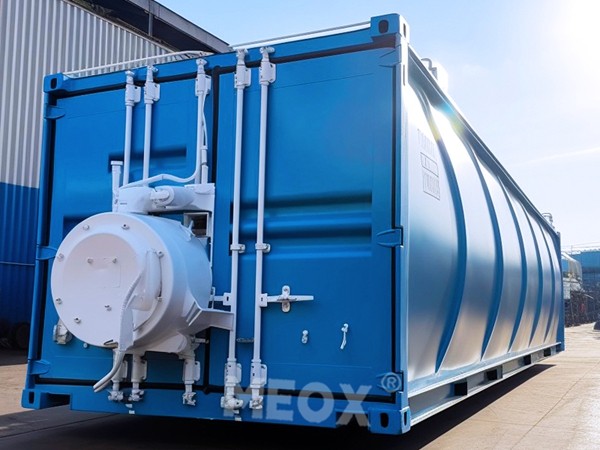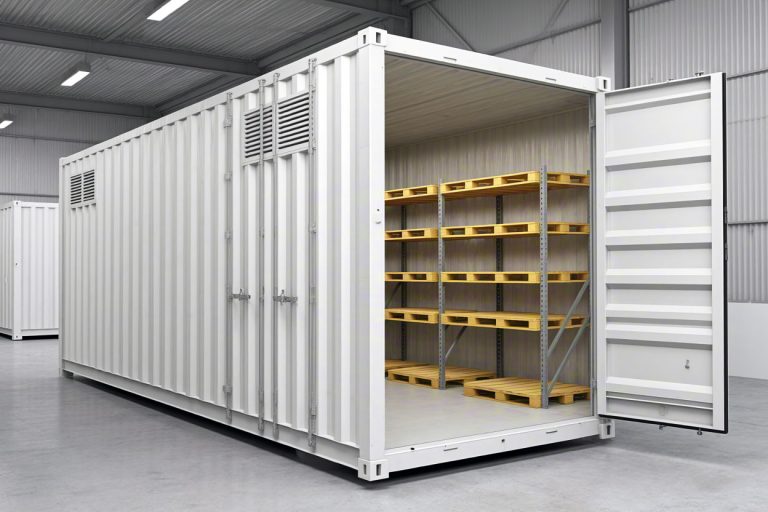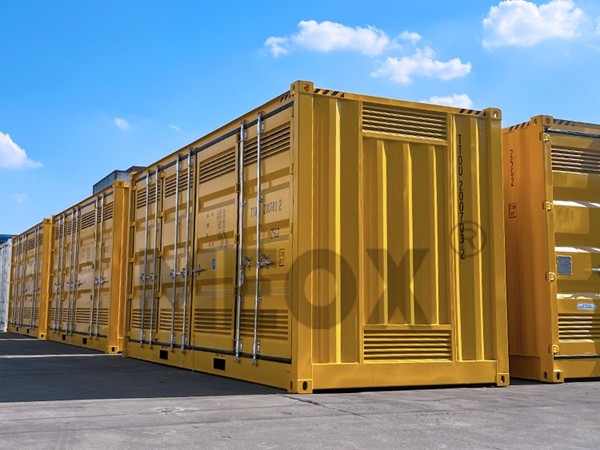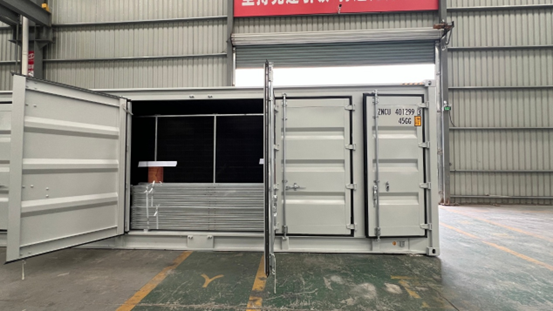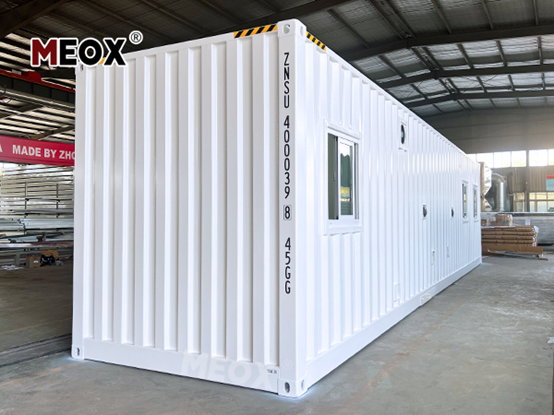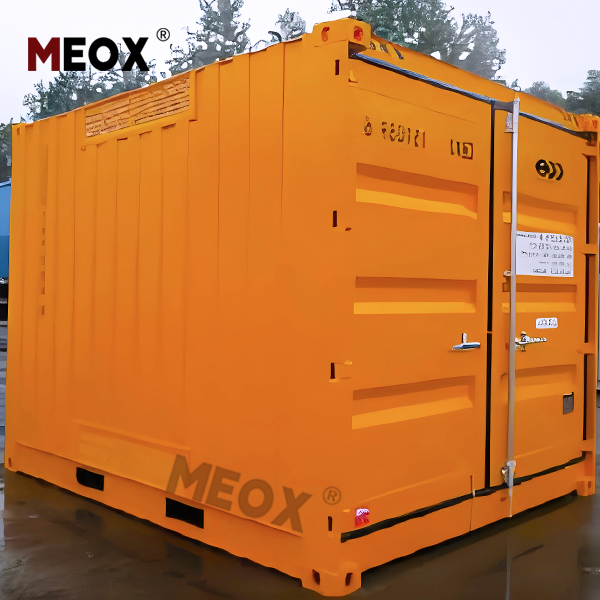
As sustainable housing continues to rise in popularity, SHIPPING CONTAINER HOMES have become one of the most innovative and efficient alternatives to traditional construction. More homeowners, developers, and eco-conscious builders are turning to container-based living for its affordability, flexibility, and environmental advantages. With high-quality container manufacturing from reliable companies like ZN-Meox, the modern container home has evolved into a stylish, durable, and functional living solution suitable for diverse environments and lifestyles.
BENEFITS OF SHIPPING CONTAINER HOMES
One of the key advantages of SHIPPING CONTAINER HOMES is their cost-effectiveness. Traditional homebuilding requires significant labor, long timelines, and rising material costs, while container homes use prefabricated steel structures that greatly reduce labor and construction time. A container home can often be completed in a fraction of the time needed for a conventional build, making it an attractive option for first-time homeowners or developers seeking faster project delivery.
Durability is another major benefit. Shipping containers are engineered to withstand heavy loads, harsh marine environments, and long-distance transport. Their structural strength makes them a safe and long-lasting base for residential construction. When sourced from a trusted manufacturer like ZN-Meox, buyers receive units crafted with precise engineering, high-grade steel, and professional treatments that ensure long-term weather resistance. ZN-Meox specializes in both standard and custom containers, allowing homeowners to choose insulated, side-opening, or modified units tailored to specific climate needs.
Sustainability is also a defining feature of container homes. Repurposing shipping containers reduces construction waste and minimizes the environmental footprint. By integrating solar systems, energy-efficient windows, and insulation, container homes can achieve exceptional energy performance. In addition, ZN-Meox’s advanced manufacturing and customization capabilities allow customers to incorporate green technologies and interior upgrades during the fabrication stage, eliminating unnecessary modifications onsite.
Finally, container homes offer unmatched design flexibility. They can be stacked or combined to create larger layouts, expanded in phases, or relocated if needed. This modular versatility is ideal for families, vacation properties, offices, or rental units. For businesses investing in housing projects, the ability to scale container-based communities quickly is a competitive advantage.
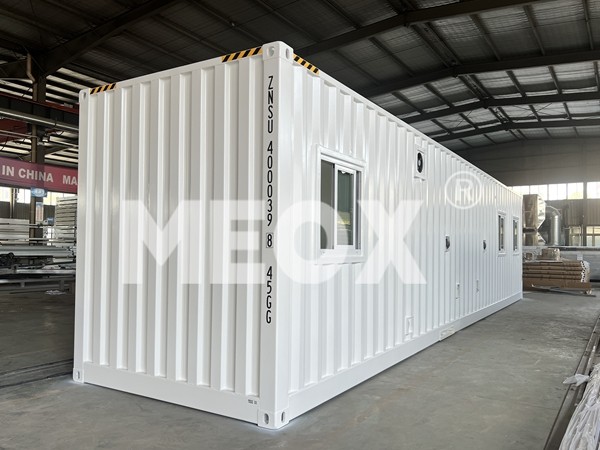
20 FT AND 40 FT CONTAINER HOME DESIGN IDEAS
When planning SHIPPING CONTAINER HOMES, two of the most popular base sizes are 20 ft and 40 ft containers. Each offers unique design possibilities suited to different living styles, budgets, and property sizes.
20 FT Container Home Ideas
A 20 ft container offers compact and efficient space, ideal for small living units or single-resident homes. These homes commonly feature a studio-style layout with a combined living and sleeping area, a compact kitchenette, and a bathroom. With clever interior design—such as foldable furniture, vertical storage, and large windows—a 20 ft container can feel surprisingly spacious. Many homeowners use 20 ft units as guest houses, backyard apartments, or Airbnb rentals.
ZN-Meox can modify 20 ft containers with insulation panels, pre-installed wiring, plumbing outlets, and customized entry points, significantly reducing onsite labor. Their team can also add side doors or glass sliding doors to maximize natural light and ventilation.
40 FT Container Home Ideas
A 40 ft container provides broader interior space, suitable for full-family homes or multi-room configurations. These units accommodate separate bedrooms, larger living rooms, full kitchens, and modern bathrooms. A popular design uses two 40 ft containers placed parallel with a central open space converted into a shared living or dining area.
For luxury builds, stacked 40 ft units create stunning two-story layouts with balconies, rooftop terraces, or extended steel-framed expansions. ZN-Meox’s customization capabilities allow for cutting, reinforcing, and modifying these larger units safely—ensuring structural integrity while meeting each client’s design ambitions.
Designers increasingly combine 20 ft and 40 ft units to form unique multi-block architecture. Whether minimalist, industrial, or modern, container homes can be tailored to reflect any aesthetic.
STEPS TO BUILD A SHIPPING CONTAINER HOME
Building a SHIPPING CONTAINER HOME involves several key steps that ensure safety, comfort, and long-term performance. Below is a simplified guide:
1. Define Your Goals and Budget
Start by determining your living needs, desired layout, location, and budget. Container homes vary widely in cost depending on customizations, insulation, finishes, and utility systems.
2. Choose a Reliable Container Manufacturer
This step is critical. High-quality structure determines the long-term safety of your home. ZN-Meox, operated by Suzhou Zhongnan Intelligent Equipment Co., Ltd., manufactures both standard and special-purpose containers using advanced production equipment and rigorous quality inspection. Their team can integrate custom openings, insulated walls, reinforced flooring, and electrical or plumbing interfaces during fabrication.
3. Develop Architectural and Engineering Plans
Work with architects experienced in container structures. Plans should include floor layouts, cutting points, reinforcement, insulation strategies, and HVAC systems. Local building regulations and zoning requirements must also be considered.
4. Prepare the Site and Foundation
A strong foundation is essential. Most container homes use concrete piers, slabs, or steel beams. Proper leveling and anchoring ensure stability and longevity.
5. Modify and Fabricate the Containers
Your manufacturer performs cutting, welding, reinforcement, insulation installation, door and window openings, and interior structural work. ZN-Meox’s customization service significantly reduces onsite construction time, ensuring precision and durability.
6. Transport and Installation
Once fabrication is complete, the container modules are transported to your site and set in place using cranes. Because container homes are modular, assembly is fast and efficient.
7. Complete Interior Finishes and Utilities
Install electrical systems, plumbing, flooring, cabinetry, lighting, and final interior décor. Add sustainable features such as solar systems or energy-efficient appliances.
8. Inspection & Move-In
Perform safety checks and final inspections before enjoying your new container home.
Author & Biography
Author: Emma Caldwell
Emma is a sustainable housing researcher and modular construction writer with over 10 years of experience exploring innovative building technologies. She specializes in eco-friendly architecture and modular living solutions. Her work focuses on helping readers understand modern housing trends, from SHIPPING CONTAINER HOMES to off-grid energy systems. Emma collaborates with industry manufacturers like ZN-Meox to bring accurate, practical, and forward-thinking insights to homeowners and developers worldwide.