Pros of Shipping Container Homes
Shipping container homes have gained popularity for their affordability, modularity, and environmental friendliness. One of the biggest advantages is cost savings. Compared to traditional homes, container homes require fewer materials and less labor, significantly reducing the upfront investment.
They’re also eco-friendly, repurposing used shipping containers and reducing construction waste. Since the frame is already built, construction time is faster—some homes are completed in as little as 8–12 weeks. These homes are modular by nature, meaning you can stack or combine units to create unique designs tailored to your space and lifestyle.
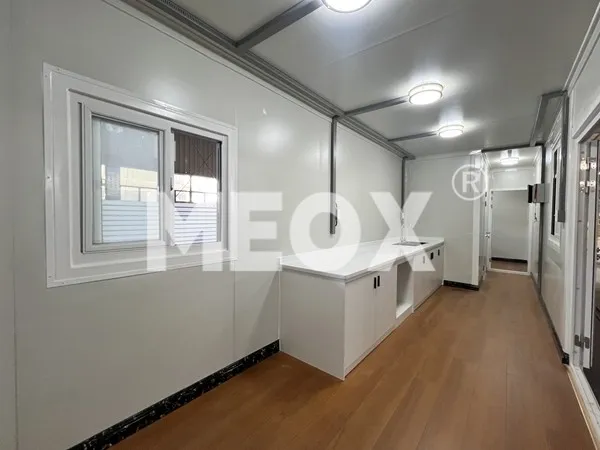
Another major benefit is mobility. Many container homes are semi-portable, ideal for off-grid living, remote workspaces, or temporary housing. With proper insulation and interior finishes, container homes can be made just as comfortable as traditional homes.
Cons of Shipping Container Homes
While there are many advantages, container homes also come with challenges. One key concern is space limitations—standard containers are narrow (around 8 feet wide), which may feel cramped without clever design solutions.
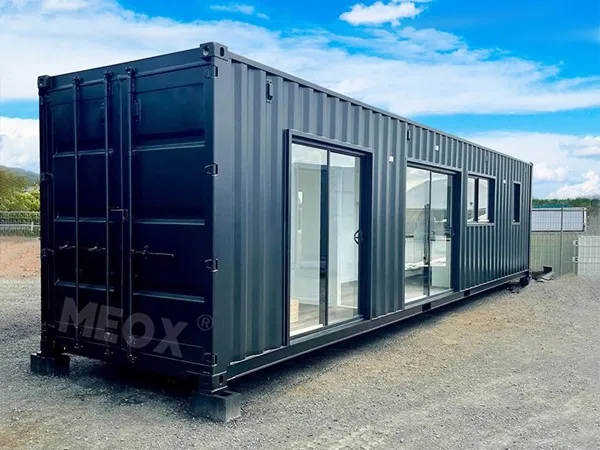
Another issue is modification complexity. Cutting out walls for windows, doors, or joining containers requires special tools and can compromise structural integrity if not done professionally. Additionally, older containers may contain chemicals or rust from previous use, necessitating thorough cleaning or replacement of flooring and wall sections.
Local zoning laws and building codes may also restrict or complicate container home approvals, depending on the region.
Are Shipping Container Homes Safe?
Yes, when built correctly, shipping container homes are very safe. These steel structures are engineered to endure extreme conditions at sea and can withstand harsh weather, seismic activity, and high winds. Proper insulation, ventilation, and fire safety upgrades are necessary, but once installed, container homes can be just as secure as traditional dwellings.
What Is The Standard Size of a Shipping Container Home?
The most commonly used container sizes for homes are:
20 ft container for sale: 20’L x 8’W x 8.5’H (approx. 160 sq ft)
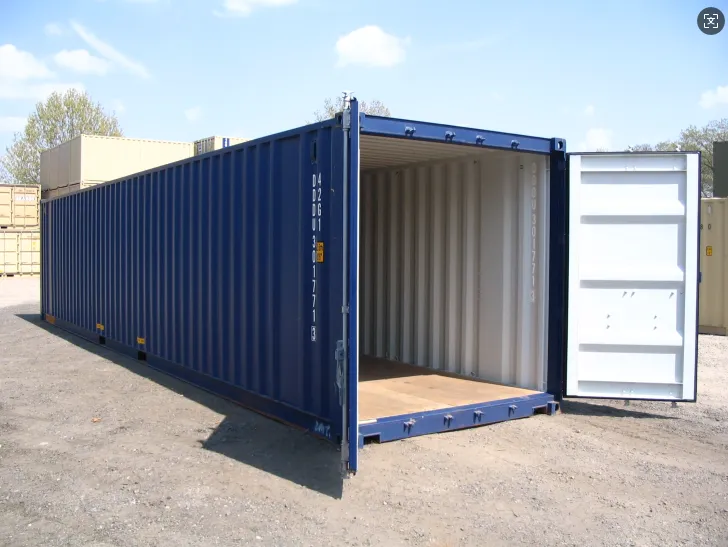
40ft container: 40’L x 8’W x 8.5’H (approx. 320 sq ft)
High cube shipping container (9.5’ high) are preferred for added headroom. Multiple containers can be combined for larger floor plans.
How Do You Insulate a Shipping Container Home?
Insulation is crucial for temperature control and moisture protection. Popular insulation methods include:
Spray foam insulation: Effective and adds structural strength.
Rigid foam boards: Affordable and easy to install.
Blanket insulation: Common in interior wall finishes.
In colder climates, exterior insulation is often preferred to avoid reducing interior space. Vapor barriers and ventilation are essential to prevent condensation and mold.
Can You Add a Roof to a Shipping Container Home?
Absolutely. Many owners add roofs for aesthetic, functional, or structural reasons. Common options include:
Flat roofs with drainage systems
Pitched or gabled roofs for improved rain and snow runoff
Green roofs for eco-friendly design and insulation
Adding a roof also creates the opportunity for solar panels or a rooftop deck.
What States Allow Shipping Container Homes?
Most U.S. states permit container homes, but local zoning laws vary widely. States that are known to be container home–friendly include:
Texas
California
Oregon
Colorado
Florida
North Carolina
Arizona
It’s crucial to consult with local building departments to confirm code compliance and permitting requirements.
How Much Are Shipping Container Homes?
The cost of a shipping container home varies based on size, design, location, and level of customization:
Basic DIY 20ft unit: $15,000–$30,000
Professionally built 40ft unit: $50,000–$80,000
Multi-container, custom builds: $100,000–$250,000+
Additional costs include insulation, plumbing, electrical, HVAC, permits, and land.
How Long Does A Shipping Container Home Last?
With proper maintenance, a shipping container home can last 25–50 years or more. High-quality paint coatings, rust prevention, and regular inspections of seals and structural joints extend the lifespan significantly. Choosing new or single-trip containers also contributes to longevity.
Do Shipping Container Homes Rust?
Yes, containers can rust—especially in humid or coastal environments. However, with proper sealing, repainting, and weatherproof coatings, rust can be minimized or eliminated. Regular maintenance and good drainage around the foundation are critical to prevent corrosion.
Do Shipping Container Homes Hold Value?
Yes—especially when built to code and maintained well. Container homes are increasingly accepted as permanent dwellings in many regions, and their resale value depends on factors such as location, design, quality of finishes, and zoning compliance. In popular markets, container homes can appreciate in value similarly to tiny homes or modular dwellings.
Shipping container homes offer a modern, efficient, and sustainable alternative to traditional housing. While there are pros and cons, the flexibility, affordability, and eco-conscious appeal of these homes make them an exciting choice for forward-thinking homeowners. As regulations adapt and design innovation grows, container homes are poised to become a mainstream solution for 21st-century living.