In remote project areas, even small power needs can affect the whole schedule. A control room that loses power, a camera system that goes offline, or a water pump that stops working can create delays that no project team wants. That is why many EPC contractors and project owners are paying closer attention to the solar charger as a practical backup power option.
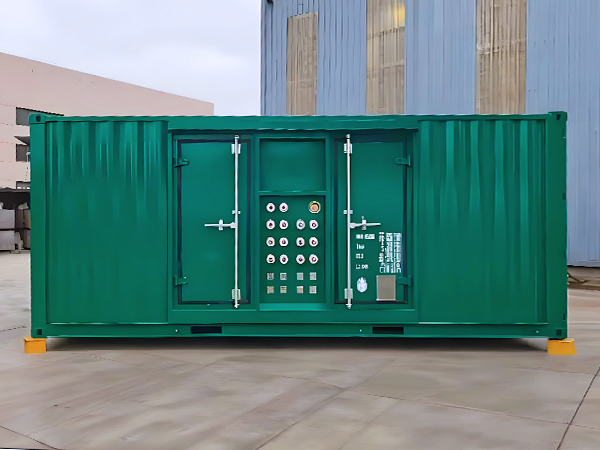
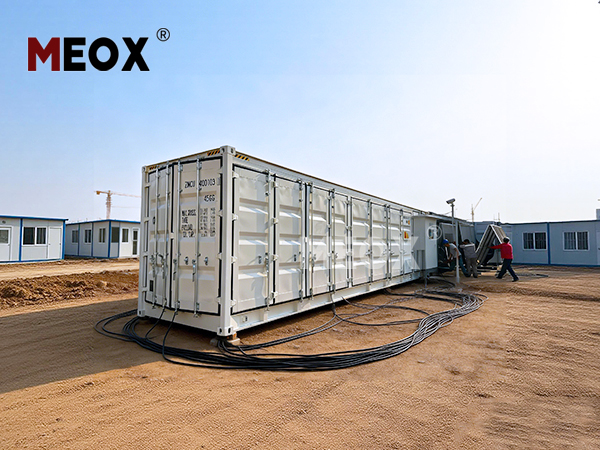
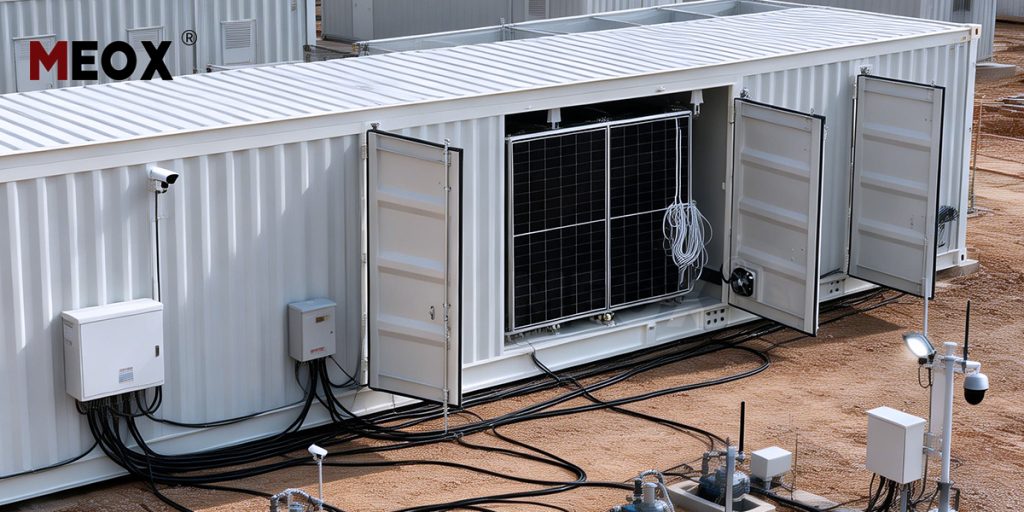
In this article, battery charger refers to a container-based solar power solution for real project use. It is not a consumer device. It is a flexible system that can support essential loads in remote industrial settings, especially where grid access is limited or temporary power is needed. For many buyers, the value of a solar charger is not only in the electricity it provides, but also in the convenience and stability it brings to the site.
Why a Solar Charger Matters for Small Industrial Backup Power
Why Small Loads Still Need a Reliable Solar Charger
Many remote projects depend on small loads that are easy to overlook. Temporary offices need lighting and communication. Monitoring points need power for cameras and sensors. Utility areas rely on pumps. Material yards need basic electricity for daily management.
These loads may be small, but they keep the project organized. A solar charger can help protect these everyday operations and keep the site moving. In many remote locations, that kind of support is just as important as larger power systems.
How a Solar Charger Helps Avoid Project Delays
A short power interruption can cause more trouble than many teams expect. If a site office loses power, staff may lose access to communication tools and work schedules. If monitoring equipment fails, the team may not know what is happening on site. If a pump stops running, even a routine task can become a delay.
These issues affect project rhythm, safety, and management efficiency. A solar charger helps reduce that risk without making the power setup complicated. For project teams working under tight schedules, that can be a major advantage.
Common Remote Project Areas That Need Backup Power
Temporary Field Offices and Site Control Rooms
Temporary offices are often the first place where weak power becomes a problem. These spaces need lighting, communication devices, and basic equipment. A charger helps keep them functional when grid access is unstable.
Security Checkpoints and Surveillance Points
Remote project sites often rely on security checkpoints, perimeter cameras, and monitoring points. These locations do not use much electricity, but they must stay on. A battery charger gives them a straightforward backup option and helps prevent avoidable blind spots in site management.
Water Pumping and Basic Utility Areas
Water pumps, drainage points, and small utility systems are another common need. They are routine, but they are often time-sensitive. A solar charger can support these basic functions and help avoid unnecessary interruptions.
Material Yards and Temporary Storage Sites
Material yards and temporary storage areas also need stable lighting and basic control systems. When power is unreliable, materials handling becomes harder. A solar charger can help keep these areas running in a more orderly way.
Where a Solar Charger Fits in These Scenarios
A Practical Power Option for Sites Without Stable Grid Access
One of the clearest advantages of a solar charger is that it fits naturally into project areas where grid access is limited. Instead of waiting for permanent infrastructure or relying on temporary fixes, teams can use a solar charger to support the loads that matter most. For remote projects, that flexibility makes planning easier, and a solar charger can be matched to the site without overcomplicating the setup.
A Better Fit for Projects That Need Fast Setup
Time matters in EPC work. Many projects move quickly, and every delay can affect the schedule. A solar charger is useful because it supports fast deployment without forcing the team to build a complicated arrangement from scratch. That is especially valuable for temporary sites and phase-based projects.
A Flexible Option for Multi-Stage Projects
Some projects move through different phases and need power support at each stage. In these situations, a portable solar battery charger can be especially useful because it offers mobility and reuse. Instead of treating power support as a one-time decision, the team can use a portable battery charger across different sites and project stages.
This kind of flexibility is one reason buyers like the portable solar battery charger model in remote work. It supports practical project planning rather than adding another layer of complexity. For teams that need a portable solar battery charger they can move from one location to another, this is a real advantage. In many cases, a portable solar battery charger also helps project teams reuse the same power support across different phases.
What B2B Buyers Usually Care About Before Choosing a Solar Charger
Can It Support the Most Important Loads?
Most B2B buyers are not asking for technical details first. They want to know whether the system can support the most important loads on site. Can it keep the control room running? Can it support monitoring points? Can it help with basic utility needs? A solar charger is most valuable when it solves these everyday questions in a simple and reliable way.
Is It Easy to Move and Reuse Across Projects?
For EPC teams and project owners, a power solution is often more attractive when it can be reused. If one project ends and another begins, the ability to move the system matters. A solar charger is appealing because it can fit this working pattern. A portable solar battery charger is even more useful when the same team needs to shift between project locations or support more than one site.
Does It Fit the Project Timeline and Budget?
A good backup power choice should help a project move forward, not complicate the plan. Buyers usually want something that fits the timeline, stays within budget, and works well with the rest of the site setup. A solar charger can be a practical answer when the goal is to support essential operations without adding extra pressure to the project team.
Why Solar Container Solutions Are Attractive for EPC Buyers
Easier to Plan Than Ad Hoc Temporary Power
Many EPC teams prefer solutions that are organized and repeatable. A solar charger built into a solar container gives them a more structured way to think about temporary power. Rather than relying on improvised arrangements, they can plan backup power as part of the project design. A solar charger is easier to communicate to site teams than a loose collection of temporary fixes.
Suitable for Standardized Yet Flexible Project Needs
One of the biggest challenges in EPC work is finding a balance between standardization and flexibility. Each site is different, but the team still needs a clear and manageable solution. A battery charger can fit this need well because it provides a repeatable power option that still works across different project conditions. In this sense, the battery charger is not just a product; it is part of a practical project strategy.
A More Organized Way to Support Remote Project Power
Remote projects often become complicated because too many small tasks depend on too few resources. A solar charger helps simplify that picture. It gives the project a dependable backup option and makes it easier to manage the most important daily loads. For EPC buyers, that kind of organization is often more valuable than a highly technical setup they cannot easily use or redeploy.
When a Portable Solar Battery Charger Becomes Especially Useful
During Short-Term Construction Camps
Short-term camps often need stable power for lighting, communication, and basic staff support. Because they are temporary, teams usually want a solution that is easy to move and easy to set up. A portable battery charger can fit that need well, especially when the camp is part of a broader project that may shift locations over time.
For Mobile Maintenance or Inspection Teams
Maintenance teams and inspection teams often travel from one location to another. They do not always have fixed infrastructure, but they still need dependable power for daily work. In those situations, a portable solar battery charger can support the practical side of operations and help teams stay productive in remote areas.
For Seasonal or Phase-Based Industrial Work
Some industrial projects only operate during certain seasons. Others move forward in phases and need different types of support at each step. A portable solar battery charger can be a smart choice here because it matches the pace of the project. Instead of locking the buyer into a permanent setup, it gives them a flexible tool that can be used again and again. A portable solar battery charger is also useful when the team wants to shift power support without reworking the whole site.
How to Tell Whether Your Project Needs a Solar Charger
Your Site Has Limited Grid Access
If your project is far from the grid, or if the power connection is unstable, a solar charger deserves serious consideration. These are exactly the kinds of conditions where backup power planning becomes more important.
Your Project Relies on Small but Continuous Loads
Many buyers only think about larger equipment, but small continuous loads often matter more in remote sites. If your project depends on lighting, monitoring, communication, or water-related tasks, a solar charger may be more useful than you first expected.
Your Team Needs a Simple and Reusable Power Solution
The best solution is not always the most complicated one. For many B2B buyers, what matters is a system that is simple to plan, easy to move, and useful across more than one project. That is where a solar charger can stand out. A portable solar battery charger adds even more value when the project team wants flexibility without sacrificing reliability. I is often the easiest way to keep that flexibility practical.
Conclusion: Solar Charger as a Practical Backup Power Solution
Remote industrial projects do not always need large or complicated power systems to solve their biggest problems. Often, what they need most is a practical way to keep the essential parts of the site running. A solar charger can do exactly that. It supports the loads that matter, helps teams avoid small disruptions, and gives EPC buyers a more manageable way to plan backup power.
For projects that move through different stages or change locations over time, a portable battery charger adds another layer of flexibility. It is easy to understand, easy to apply, and useful in the kinds of project environments where reliability matters most. For buyers looking for a smarter way to support remote sites, a solar charger can be a practical and valuable choice. A portable battery charger helps make that choice even more usable in the field.