Why remote monitoring needs a stable power generator source
Remote monitoring equipment only works when it stays powered. In many projects, these systems are placed far from grid access. That creates a simple but critical challenge: how to keep devices running continuously without interruption, which is why solar generators portable are often used to support reliable off-grid operation.
For example, this issue is common in construction sites, utility inspections, security setups, and environmental monitoring. In these scenarios, cameras, sensors, and communication devices must operate 24/7. Otherwise, even a short power loss can lead to missing data or increased security risks.
Because of this, many project teams are turning to solar generators portable as a practical solution. These systems can provide off-grid power, support continuous operation, and reduce reliance on fuel-based generators. For temporary or remote deployments, they offer a flexible way to keep monitoring systems active.
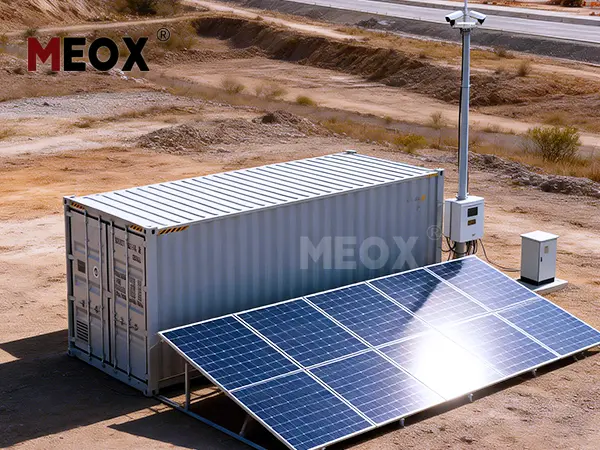
What kinds of remote monitoring equipment need continuous power from solar generators portable?
Remote monitoring covers a wide range of devices. Most of them are designed to run continuously, often without human presence on site.
Which devices are commonly powered by solar generators portable in remote monitoring?
Typical equipment includes:
- Surveillance cameras for security and safety
- Motion detectors and alarm systems
- Temperature and humidity sensors
- Water level and flood monitoring devices
- Air quality sensors
- GPS tracking systems
- Data loggers and recording units
- Wireless communication devices such as routers and transmitters
These devices often work together as a system. If one component loses power, the whole monitoring chain may be affected.
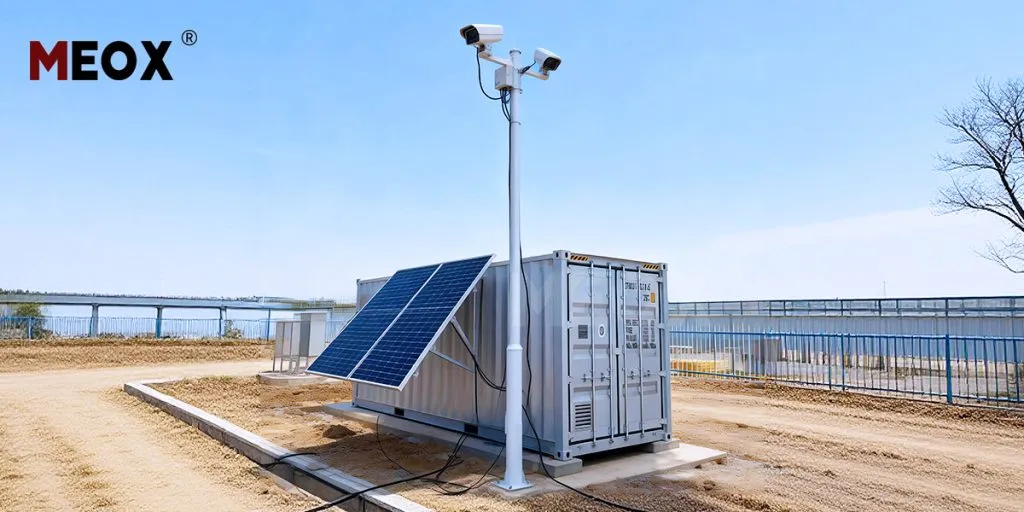
Why does power loss create bigger problems without solar generators portable in remote setups?
In remote environments, power interruptions are harder to detect and fix. This can lead to:
- Gaps in recorded data
- Missed alerts or delayed warnings
- Security blind spots
- Extra labor for manual inspections
- Delays in reporting and decision-making
Unlike urban setups, there is no quick access to repair or reset equipment. This makes stable power a key part of any monitoring solution.
How do solar generators portable keep remote monitoring systems running?
To understand their value, it helps to look at how solar generators portable work in real conditions.
How does the power flow work?
The system follows a simple process:
- Solar panels collect energy from sunlight
- Energy is stored in a battery system
- Stored power is delivered to monitoring devices when needed
This setup allows equipment to run even when sunlight is not available.
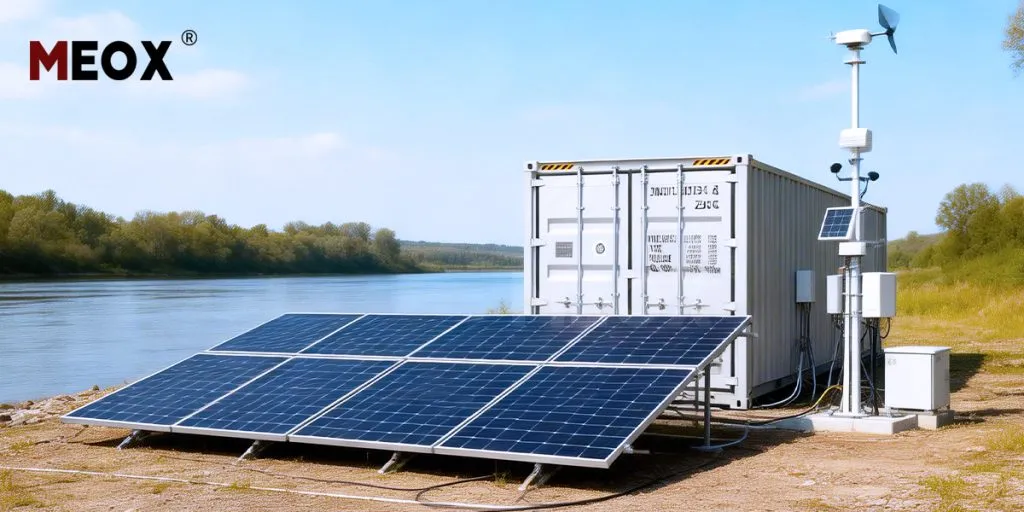
Why is stored power important for remote monitoring?
Monitoring systems do not operate only during the day. Many critical events happen at night. For example, security risks often increase after dark.
A portable solar generator uses battery storage to ensure:
- continuous operation at night
- stable power during cloudy weather
- backup energy during low-sun periods
Without storage, solar alone would not meet the needs of most monitoring tasks.
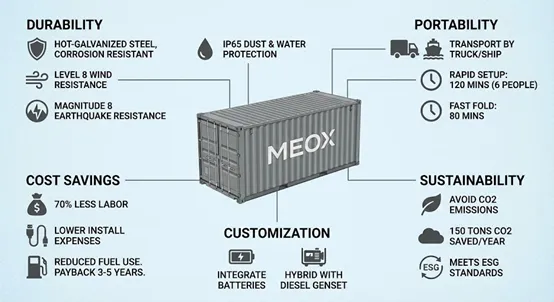
Why is portability important?
Many monitoring projects are temporary or mobile. Equipment may need to be moved as the project progresses.
A portable setup allows teams to:
- relocate power systems quickly
- adjust to new monitoring points
- avoid building fixed infrastructure
- deploy systems in hard-to-reach areas
This flexibility is especially useful in construction, field operations, and emergency response scenarios.
What remote monitoring tasks benefit most from a portable solar generator setup?
Not all applications have the same requirements. However, several common scenarios benefit directly from portable solar power.
Construction and infrastructure sites
Temporary construction zones often lack permanent electricity. At the same time, they require:
- surveillance cameras
- access control systems
- environmental monitoring
As a result, portable solar power allows these systems to operate from day one, without having to wait for a grid connection.
Utility and field inspection points
Utilities often monitor assets in remote areas, such as:
- substations
- pipelines
- transmission lines
These locations are difficult to access regularly. A reliable power source helps maintain continuous data collection.
Security and perimeter protection
Remote storage yards, temporary facilities, and isolated entry points need constant monitoring. As a result, cameras and alarm systems must stay active at all times.
In these cases, solar generators portable provide a stable and low-maintenance power option.
Environmental and agricultural monitoring
Environmental projects often depend on long-term data. Examples include:
- weather stations
- soil monitoring systems
- flood warning sensors
- air quality measurement
These systems are usually placed in open or rural areas where grid power is not available.
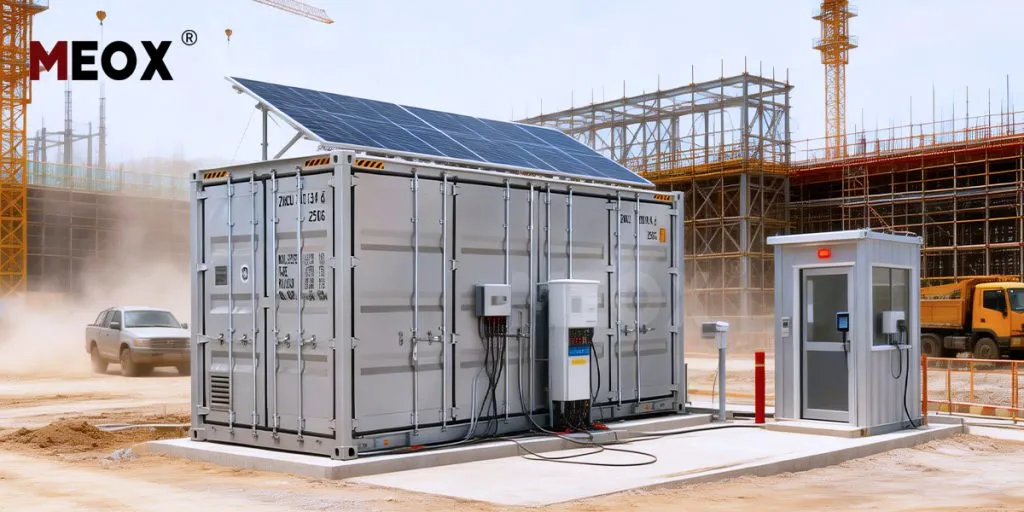
What should buyers check before choosing solar generators portable for monitoring equipment projects?
For B2B buyers, choosing the right system is not just about availability. Instead, it requires a clear understanding of actual needs.
How much power does the equipment use?
Start with a basic calculation:
- total wattage of all devices
- peak load when devices start up
- daily energy consumption
This helps avoid under-sizing or over-sizing the system.
How long does the system need to run without sunlight?
Some projects only need overnight backup. Others require several days of autonomy.
Buyers should consider:
- night operation time
- weather conditions
- acceptable downtime
Battery capacity should match these requirements.
What output stability does the equipment need?
Monitoring devices can be sensitive to power fluctuations. Unstable output may cause:
- device resets
- communication loss
- data corruption
A reliable portable solar generator should provide consistent and stable output.
What environmental conditions will the system face?
Real-world conditions can affect performance. Key factors include:
- high temperatures
- rain and humidity
- dust and sand
- wind exposure
The system should be designed to handle these conditions without frequent maintenance.
How often will the setup be moved?
If the project requires frequent relocation, portability becomes more important than fixed capacity. In such cases, quick setup and a transport-friendly design can significantly reduce both time and labor.
How do you match a portable solar generator to different monitoring equipment loads?
Different projects require different power levels. Matching the system to the load is essential.
Small-load applications
These include:
- single cameras
- small sensor groups
- basic data loggers
Power demand is low, but reliability is still critical.
Medium-load applications
Examples include:
- multiple cameras
- camera and communication systems
- sensor networks with data transmission
These setups require more stable and continuous power support.
Larger site packages
Some projects involve:
- multi-point monitoring
- combined security and environmental systems
- long-term deployments
In these cases, solar generators portable may need higher capacity and more storage to maintain continuous operation.
What are the operational advantages of solar generators portable compared with fuel-based power?
Portable solar systems are often compared with diesel or fuel generators. Each has its place, but there are clear differences.
Why can it reduce daily operating work?
Solar systems do not require regular refueling. This reduces:
- site visits
- fuel transport
- manual intervention
Why is it useful for temporary projects?
They can be deployed quickly and removed easily. This suits projects with changing locations.
Why does it help in remote areas?
In isolated locations, fuel supply can be expensive and unreliable. Solar reduces dependence on logistics.
What is the main trade-off?
Performance depends on sunlight and storage capacity. You need proper planning to ensure reliable operation in all conditions.
How can buyers evaluate the reliability of solar generators portable before purchase?
Choosing a system requires more than checking specifications.
What questions should buyers ask the supplier?
Key questions include:
- What is the usable battery capacity?
- How long can it run under real conditions?
- What protection systems are included?
- How many devices can it support at once?
- What maintenance is required?
What should be checked in field conditions?
Testing in actual site conditions is important. Lab data may not reflect real performance.
Why is support and service important?
Equally important, for B2B projects, after-sales support matters. In particular, installation guidance, troubleshooting, and spare parts availability all play a key role in long-term use.
What does a well-planned remote monitoring setup with solar generators portable look like?
A reliable setup is not just about the power unit. It includes:
- the monitoring equipment
- properly calculated power capacity
- sufficient battery storage
- a clear runtime plan
- a practical deployment method
When these elements are aligned, solar generators portable can support stable and continuous monitoring in remote environments.
Why solar generators portable are a practical choice for remote monitoring
In many cases, remote monitoring systems depend on continuous power. However, in off-grid and temporary environments, this is often the biggest challenge.
In this context, solar generators portable offer a flexible and practical solution. Not only do they support stable operation, but they also reduce dependence on fuel and adapt easily to changing project needs.
For B2B buyers, the key is to match the system to real requirements. Power load, runtime expectations, site conditions, and mobility all play a role in the final decision. When planned correctly, a portable solar solution can keep remote monitoring systems running reliably over the long term.