The Growing Need for Reliable Charging in Worksites
In modern worksites, mobile devices are no longer optional, and access to a reliable solar powered phone charger is becoming increasingly important. Smartphones, tablets, and communication tools are essential for daily operations. From coordination to safety checks, everything depends on staying connected.
This is where the idea of a solar powered phone charger becomes important. Many project teams turn to small, portable solutions as a quick fix. A portable solar battery charger seems convenient at first, especially for short-term use.
However, in high-demand worksites, these small devices often fail to meet real operational needs. As the number of users increases and power demand grows, limitations become clear.
This article looks at why these systems fall short and what alternatives work better in real-world conditions.
What Is a Solar Powered Phone Charger in Worksite Applications?
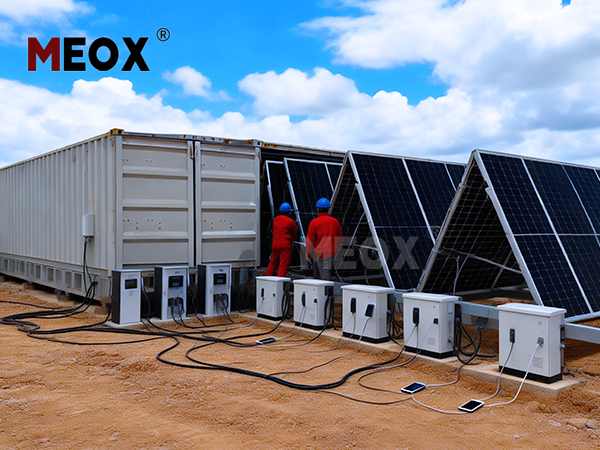
A solar powered phone charger in a professional setting is not just a small panel connected to a battery. Instead, it can range from compact units to larger, integrated systems designed to support multiple users.
In smaller-scale scenarios, for example, a portable solar battery charger may be enough for individual use. In these cases, these devices are lightweight, easy to carry, and simple to operate, making them a practical choice for basic needs.
But in larger worksites, charging needs are shared. Dozens or even hundreds of workers may need access to power throughout the day. In such cases, a more centralized solar powered phone charger system becomes necessary.
These systems are often designed to provide stable output, higher capacity, and continuous operation.
Why a Solar Powered Phone Charger Fails in High-Demand Worksites
Limited Power Output and Charging Speed
A portable solar battery charger is designed for low power consumption. It works well for occasional charging but struggles when multiple devices need power at the same time.
In high-demand environments, workers expect fast and reliable charging. Slow charging speeds can disrupt workflows and reduce efficiency.
A solar phone charger system with higher capacity can better meet these expectations.
Solar Powered Phone Charger Cannot Support Multiple Users
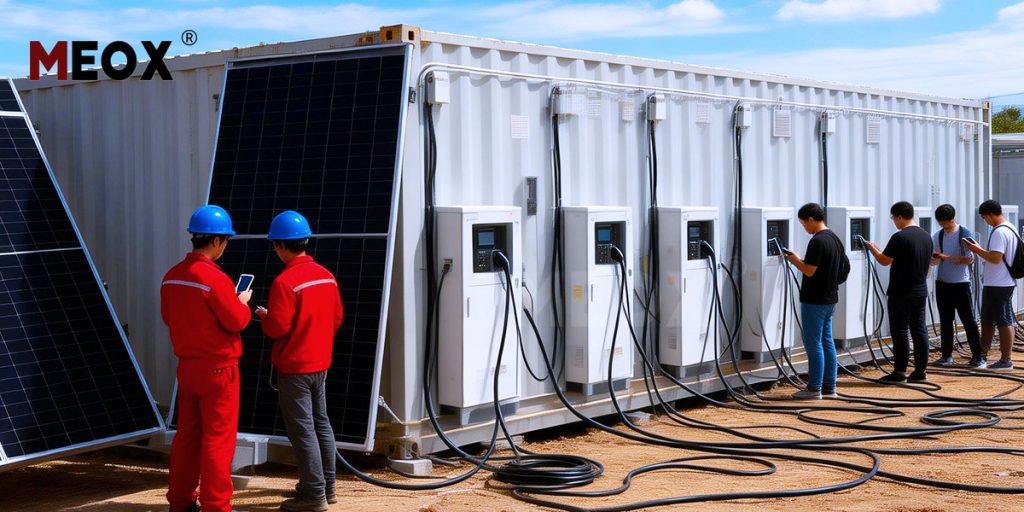
Most portable devices are built for one or two users. In a worksite with many workers, this becomes a major limitation.
Sharing a portable solar battery charger often leads to long waiting times and uneven access to power. This creates frustration and can even affect communication on site.
A centralized solar powered phone charger setup allows multiple users to charge devices simultaneously.
Dependence on Weather and Sunlight Conditions
While all solar solutions depend on sunlight, smaller devices are more sensitive to changes in weather.
A portable solar battery charger typically has limited storage capacity. If sunlight is inconsistent, power availability drops quickly.
Larger solar powered phone charger systems are usually equipped with better energy storage, allowing them to provide power even during low sunlight periods.
Durability Issues in Harsh Environments
Worksites are not gentle environments. Dust, vibration, moisture, and high temperatures can all affect equipment performance.
A portable solar battery charger is often not designed for heavy-duty use. Over time, this leads to wear and reduced reliability.
In contrast, a more robust solar powered phone charger system is built to handle these conditions.
Lack of Scalability
As projects grow, power needs increase. What works for a small team may not work for a larger one.
A portable solar battery charger cannot easily scale. Adding more units creates complexity without solving the core issue.
A scalable solar powered phone charger solution can expand based on project size and demand.
What Works Instead: Scalable Solar Powered Phone Charger Systems
Centralized Charging Infrastructure
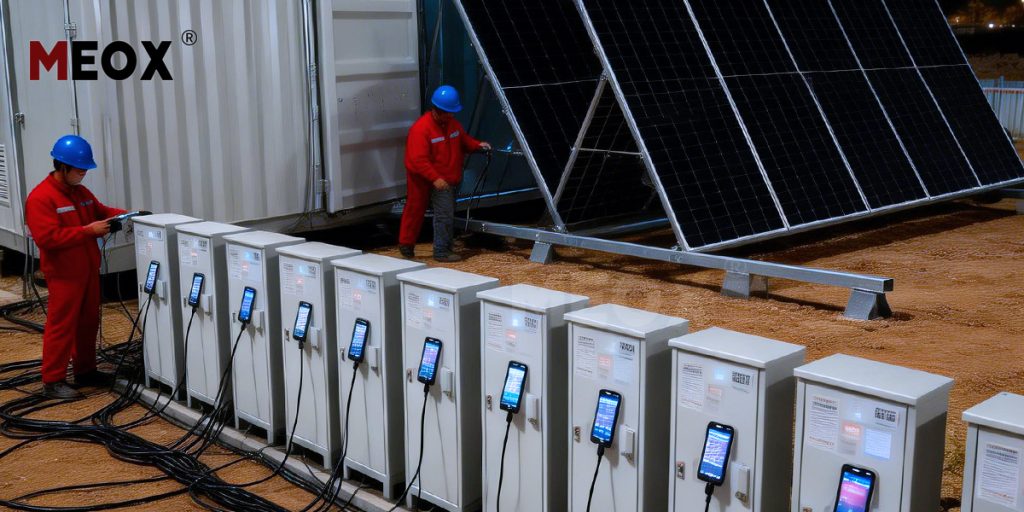
Instead of relying on individual devices, many worksites benefit from centralized charging stations.
A solar powered phone charger system can be set up to serve multiple users at once, improving efficiency and reducing downtime.
Integrated Energy Storage for Stable Supply
Energy storage is key to reliability. Larger systems store excess solar energy and release it when needed.
This makes a solar powered phone charger more consistent, even when sunlight conditions are not ideal.
Designed for Continuous Operation
Unlike small devices, larger systems are built for long working hours.
A well-designed solar phone charger can operate throughout the day without frequent interruptions.
Better Adaptation to Worksite Conditions
Durability is a major advantage. Industrial-grade systems are designed to withstand real-world environments.
This makes a solar phone charger a more practical choice for construction, mining, and remote projects.
From Portable Solar Battery Charger to Large-Scale Solutions
The transition from a portable solar battery charger to a larger system is not just about size. It is about meeting operational needs.
In many cases, projects start with small devices but quickly realize their limitations. As demand increases, a more advanced solar phone charger solution becomes necessary.
This shift is common in industries where reliability and efficiency are critical.
The Role of Containerized Solar Solutions in Worksites
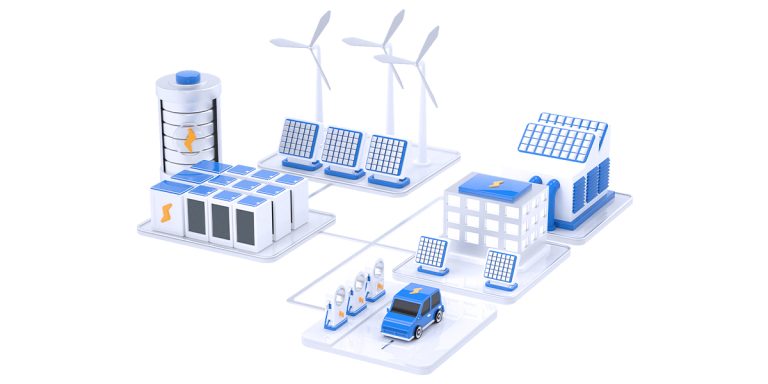
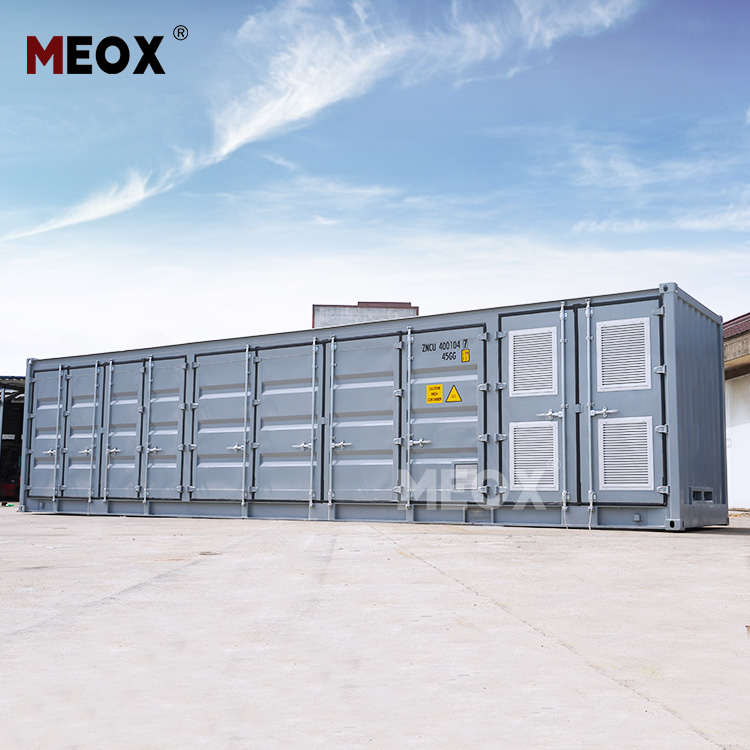
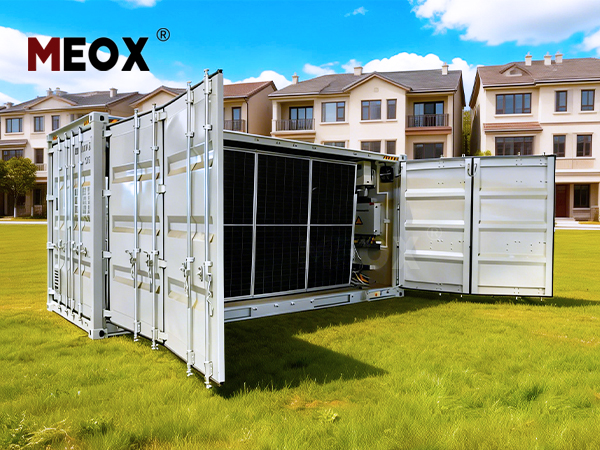
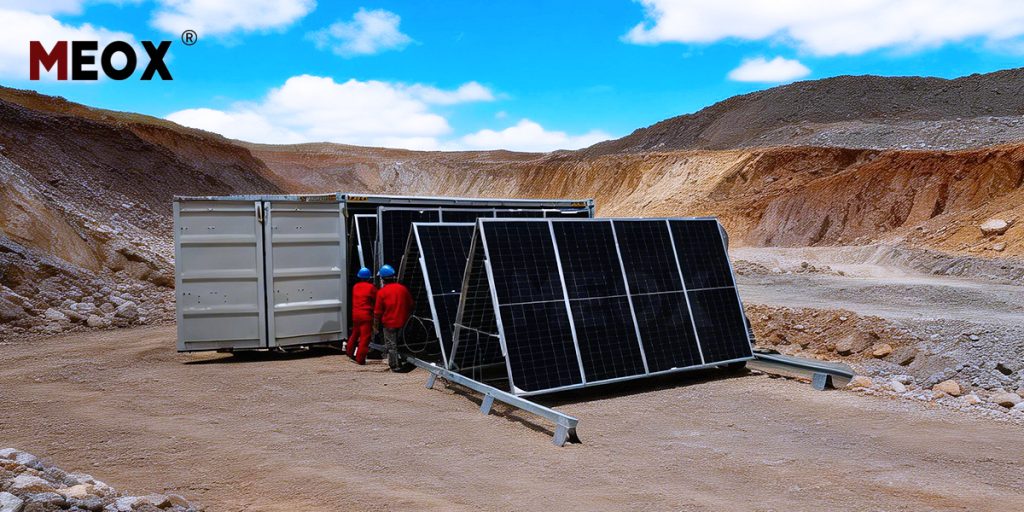
One practical approach is the use of containerized systems. These solutions integrate solar panels, energy storage, and power management into a single unit.
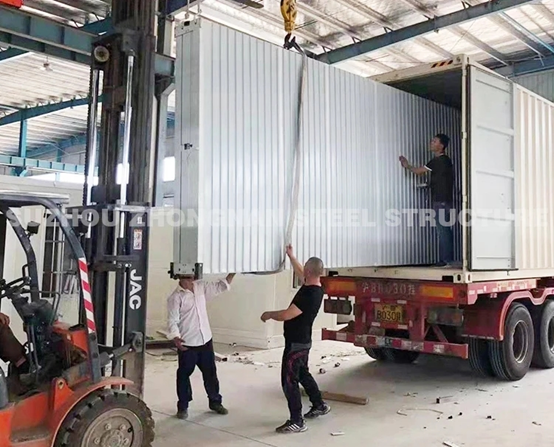
A container-based solar phone charger can be deployed quickly and scaled as needed. It provides a stable and organized charging environment for workers.
Compared to scattered portable solar battery charger units, this approach improves both efficiency and management.
Key Factors to Consider When Choosing a Solar Powered Phone Charger
User Capacity
How many people need access to charging?
Daily Power Demand
What is the total energy consumption?
Deployment Speed
How quickly does the system need to be operational?
Environmental Conditions
Will the system face harsh weather or heavy usage?
Future Scalability
Can the system grow with the project?
A well-planned solar phone charger solution takes all these factors into account.
Choosing the Right Solution for High-Demand Worksites
A portable solar battery charger can be useful in simple, low-demand situations. It offers convenience and flexibility for individual users.
However, in high-demand worksites, its limitations become clear. Power output, scalability, and reliability are often not enough.
A more advanced solar phone charger system provides a better solution. It supports multiple users, ensures stable power, and adapts to real-world conditions.
For project managers and contractors, choosing the right solution is not just about cost. It is about ensuring smooth operations and keeping teams connected at all times.