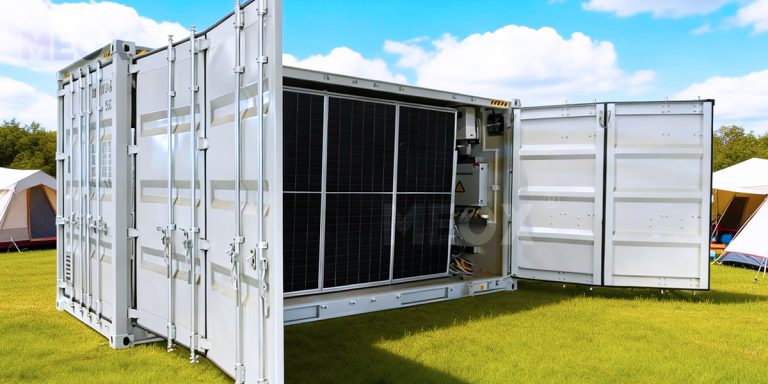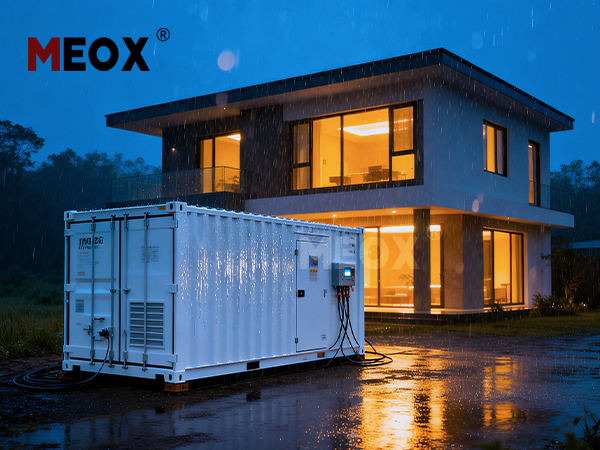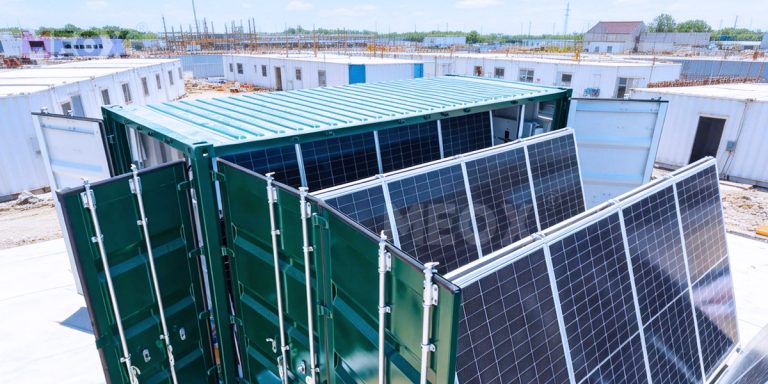
You can start your micro-factory with a storage container house in just a few days. You do not have to wait months. Many businesses in smart cities use this way for fast setup and good safety. A storage container house is flexible and has smart features. It also helps workers get homes they can afford. If you need help, fast after-sales support keeps your work going well.
Key Takeaways
Storage container houses help you build micro-factories fast. You can finish them in just a few weeks. This saves both time and money compared to normal buildings.
You can change containers to fit your business needs. Add insulation, smart locks, shelves, and climate control. These help protect your products.
Good after-sales support helps fix problems quickly. If a door gets stuck or a lock breaks, you get help fast. This keeps your micro-factory working well.
Storage Container House Design Innovations for Micro-Factories

What Is a Storage Container House?
You may ask what a storage container house is. It is a building made from shipping containers. These containers are made of strong steel and last a long time. You can put them together or stack them to make bigger rooms. People use them for homes, offices, and small factories. They give you a quick and easy way to set up a workspace in the city.
Here is a simple table showing how you can use a storage container house:
Use Case | Benefit |
|---|---|
Micro-factory | Quick to set up, easy to move |
Office | Safe and private space |
Storage | Good for keeping equipment safe |
You can pick from many sizes and styles. Some have insulation, shelves, or smart locks. You can add alarms to make it safer. If you have a problem, after-sales teams can fix things like stuck doors or broken locks fast.
Adaptability for Urban Manufacturing
You can change modular units to fit many city needs. For example, a textile business in Spain used container houses for a logistics hub in two weeks. The team put in climate control and shelves for fabric. In China, an electronics company built a micro-factory with containers that had smart locks and alarms. This kept their tools safe and let them work without stopping.
You can move or grow your factory as your business gets bigger. If you need more room, just add another container. This solution fits your needs and can change as your plans change.
Storage Container House Cost Efficiency
Budgeting for Urban Industry: Cost Comparison Model
You might wonder how much a storage container house costs. It is good to compare it to a regular building. You need a simple way to plan your budget. Storage container houses help you save money in many ways. You spend less on materials and labor. You also save time. There are fewer hidden costs than with normal buildings.
Here is a simple cost comparison table:
Item | Storage Container House | Traditional Building |
|---|---|---|
Initial Setup Time | 2-4 weeks | 3-12 months |
Material Cost | Low | High |
Labor Cost | Low | High |
Maintenance | Minimal | Moderate/High |
Flexibility (Expansion) | Easy | Difficult |
Relocation | Possible | Not Possible |
Customization | High | Medium |
You can see storage container houses are faster and cheaper. You do not have to wait a long time to start your micro-factory. You can pick the size and type you want. For example, a small electronics company in Shenzhen used three 20-foot containers. They put in insulation and smart locks. Their total cost was 40% less than building a new workshop.
You also save money on utilities. Many container houses use energy-saving insulation and smart systems. You can add solar panels or better lights. This helps lower your bills each month.
Tip: Always ask for a full quote before you begin. This helps you avoid extra costs later.
Hidden Fees Checklist
You want to avoid hidden fees when you set up your micro-factory. Many people forget to check for extra costs. Here is a checklist to help you:
Delivery and Setup:
Some companies charge more for delivery. Ask if the price covers transport and putting it together.Foundation Work:
You may need a concrete pad or gravel base. Check if this is part of your quote.Customization:
Adding insulation, shelves, alarms, or smart locks can change the price. Make sure you know the cost for each feature.Permits and Inspections:
Cities often need permits for new buildings. Ask about local rules and inspection fees.Utility Connections:
You may need to connect water, power, or internet. Find out if these are included or if you must hire someone.After-Sales Support:
Good support saves you time and money. Ask about warranty, repair services, and how fast the team can fix problems like stuck doors or broken locks.
Here is a quick reference table:
Possible Hidden Fee | What to Ask | Solution Example |
|---|---|---|
Delivery | Is delivery included? | Request all-in-one pricing |
Foundation | Who prepares the base? | Ask for site prep options |
Custom Features | What does each add-on cost? | Get a detailed breakdown |
Permits | Who handles permits? | Ask for local compliance help |
Utility Hookups | Are connections included? | Request utility-ready units |
After-Sales Service | What is the response time? | Choose providers with fast support |
You can avoid most hidden fees by asking the right questions. Real users say clear talks with the supplier helped them stay on budget. For example, a textile hub in Madrid avoided extra costs by picking a package with delivery, setup, and basic customization.
Note: Always keep a little money for surprise needs. This helps you fix small problems or make upgrades without worry.
You can see storage container houses let you control your costs. You choose what you want and pay only for those things. This makes it easier to plan and grow your micro-factory in the city.
Storage Container House Technical Specifications for Industrial Use
Structural Performance
You want your micro-factory to be strong and safe. Shipping container homes use steel frames that are very tough. These frames help the building hold heavy things and stand up to bad weather. You can stack shipping container apartments up to eight units high. This helps you use city space in a smart way. Cities have rules to keep buildings safe. Shipping container homes follow these rules because they use certified steel and pass hard tests. You can trust your container apartments will stay steady, even in busy cities.
Industrial‑Grade Reinforcements
Your workspace needs to handle hard work every day. Container apartments use corrugated steel panels, steel joists, and hardwood floors. These parts make the building strong and safe for workers. Engineers use special computer programs to check the design. Every shipping container apartment follows rules like ISO 1496 and the International Building Code. Here is a table with important reinforcements:
Feature | Details |
|---|---|
Wall Panels | 14-gauge corrugated steel |
Floor | Hardwood sheathing with steel cross members |
Steel Type | CORTEN and A36 steel for extra strength |
Certification | CSC Safety Approval, ISO, IBC, ICC G5-2019 |
If you have a problem, like a door that will not close or a floor issue, after-sales teams can fix it quickly. You do not have to worry because help is always ready.
Carbon Footprint Benefits
You help the earth when you pick shipping container homes or container apartments. Using steel containers again saves energy and makes less waste. Many container apartments have insulation and smart systems to use less energy. You can add solar panels or LED lights to your modular home. This makes your micro-factory better for the planet and saves you money on bills. Cities want buildings that are good for the environment. Shipping container apartments meet these goals and help you follow local green rules.
Storage Container House Customization Strategies
Functional Customization
You can change your storage container house to fit your needs. Many businesses pick custom shipping containers for more choices. You can add more doors, windows, or skylights for extra light. Insulation helps keep it cool in summer and warm in winter. Some companies put in shelves or racks for tools and parts. Others use climate control to protect special products.
Here is a table with popular features and their benefits:
Feature | Benefit |
|---|---|
Insulation | Saves energy, keeps comfort |
Smart Locks | Improves security |
Shelving | Organizes tools and supplies |
Climate Control | Protects goods from damage |
Extra Doors | Makes access easier |
You can add alarms or cameras for more safety. If something breaks, after-sales teams can fix it fast. This helps your micro-factory keep working without stopping.
Process Collaboration Modes
You do not have to design your container house alone. Many suppliers help you step by step. First, you share your needs and ideas. The design team makes a plan and shows you drawings. You can ask for changes before they start building.
Here is a simple process you can follow:
Share your needs and goals.
Look at the design drawings and ask for changes.
Approve the final plan.
Watch as the team builds and customizes your unit.
Get help with delivery, setup, and after-sales service.
Tip: Stay in touch with your supplier at every step. This helps you avoid mistakes and get the best results.
These steps help make sure your storage container house fits your business well.
Storage Container House Case Studies: Urban Industrial Success

Spanish Textile Logistics Hub
Let’s look at a textile hub in Spain that used storage container houses. The company needed a quick way to store fabric and finished goods. They picked modular storage containers because setup took only two weeks. The team put in climate control to protect the fabric from heat and moisture. They also added special shelves to keep fabric rolls neat.
Here is a short table about their setup:
Feature | Solution Used |
|---|---|
Setup Time | 2 weeks |
Climate Control | Yes |
Custom Shelving | Yes |
Security | Smart locks, alarms |
After-Sales Help | 24-hour response |
You can learn from what they did. The company had a problem with a door lock in the first month. The after-sales team fixed it in 24 hours. This fast help kept the business working well. You can use these ideas to stop delays in your own micro-factory.
Chinese Modular Electronics Factory
A growing electronics company in China needed more space to work. They built a micro-factory using modular storage containers. The whole project finished in less than a month. The team added insulation and smart systems to keep equipment safe. They used double-door containers for easy loading and unloading.
Here are some results they got:
Production started 60% faster than with a regular building.
Energy bills went down by 20% because of better insulation.
The company grew by adding two more containers after six months.
If you want to grow your business fast, modular containers can help. You also get strong after-sales support to fix problems quickly.
Implementing Your Micro-Factory with Storage Container: 5-Step Roadmap
Site Selection & Foundations
You start by picking the right spot for your micro-factory. Look for a place with easy access for trucks and workers. Make sure the ground is flat and strong. Many people use a concrete pad or gravel base. This helps keep your container level and dry. If you set up in a city, check local zoning rules first. Some areas have special rules for where you can place containers. A textile company in Spain chose a site near a main road. This made deliveries faster and saved time.
Module Customization
Next, you decide how to set up your container. You can add insulation, shelves, or smart locks. Some businesses install climate control to protect goods. Others add extra doors or windows for better airflow. You can ask for special racks or workbenches. If you need help, after-sales teams can fix problems like broken locks or stuck doors. Here is a quick table of common custom features:
Custom Feature | Benefit |
|---|---|
Insulation | Keeps temperature stable |
Smart Locks | Improves security |
Shelving | Organizes tools |
Climate Control | Protects products |
Transport & Assembly
After customizing, your container gets delivered. Trucks bring the modules to your site. Cranes or forklifts place them on the foundation. You can stack or join containers to make bigger spaces. Most setups finish in a day or two. If you have issues, like a door not closing, support teams can help right away.
Utility Connections
You connect water, power, and internet next. Electricians and plumbers handle these jobs. Some containers come ready for fast hookups. You can add solar panels or energy-saving lights. This step makes your micro-factory ready for work.
Compliance & Inspection
You must follow local rules before you open. Urban areas have strict codes for safety and use. Here are key points to check:
Local zoning laws decide where you can place containers.
Building codes, like the IBC, set safety standards.
You need permits from city offices.
Inspections happen before and after setup.
Homeowner or property rules may add more steps.
Some places have extra rules for weather risks.
Local officials give the final approval.
Tip: Always talk to local experts or city staff. Rules change often, so staying updated helps you avoid delays.
You can build micro-factories with MEOX storage container houses.
FAQ
How fast can you set up a storage container micro-factory?
You can set up most micro-factories in two to four weeks. For example, a textile hub in Spain finished setup in just 14 days.
What should you do if a door or lock breaks?
You should contact the after-sales team. Most teams fix common issues like stuck doors or broken locks within 24 hours. Fast support keeps your work running.
Can you expand your factory later?
Yes, you can add more containers as your business grows. Many companies start small and expand by adding new modules when they need more space.