Containerized housing unit has become a game-changer in modern construction, offering fast deployment, sustainability, and adaptability—especially in demanding environments like coastal areas or earthquake-prone regions. Whether it’s a shipping container dormitory for student housing or container accommodation for workforce camps, structural reinforcement is the backbone of their durability and safety. Suzhou Zhongnan Intelligent Equipment Co., Ltd., a leading manufacturer of special and standard containers, leverages professional design teams and complete manufacturing equipment to integrate robust reinforcements into every containerized housing unit. Their expertise is evident in projects like the 50-set high-end shipping container dormitory in a Middle Eastern country—built with superior materials and structures, boasting a 30-year lifespan and semi-permanent usability. As a trusted partner for wholesalers, they prioritize reinforcement solutions that meet harsh environment needs while ensuring comfort. This article explores key structural reinforcements in containerized housing unit models, highlighting how these enhancements elevate safety and longevity.
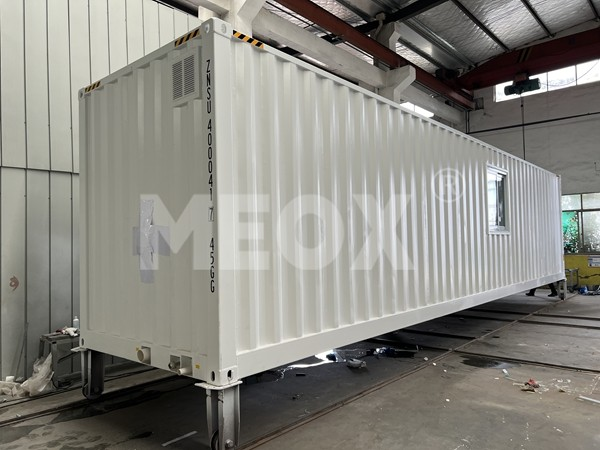
Core Reinforcement Materials for Shipping Container Dormitory
- High-Strength Steel Frames for Containerized Housing Unit: The foundation of a shipping container dormitory lies in its high-strength steel frame—often upgraded from standard ISO container steel to thicker, alloy-reinforced variants. This material resists bending and corrosion, critical for withstanding coastal salt air or earthquake tremors. Wholesalers can note that Suzhou Zhongnan’s containerized housing unit frames use S355JR steel (stronger than regular mild steel), ensuring the structure remains intact even under extreme pressure.
- Reinforced Corner Castings for Container Accommodation: Container accommodation units rely on reinforced corner castings—thicker than standard container parts—to handle stacking, lifting, and lateral forces (e.g., wind or seismic activity). These castings are welded with extra steel plates, creating a robust connection point between container modules. For the Middle Eastern shipping container dormitory project, Suzhou Zhongnan’s corner castings were tested to withstand 3x the load of standard units, ensuring long-term stability.
- Corrosion-Resistant Coatings for Containerized Housing Unit: A containerized housing unit in harsh environments needs anti-corrosion coatings—like hot-dip galvanization or epoxy paint—to protect steel from rust. Suzhou Zhongnan applies a dual-layer coating: first a zinc galvanized layer (prevents oxidation) and then a weather-resistant epoxy (blocks saltwater and UV damage). This combination extends the lifespan of container accommodation to 30+ years, a key selling point for wholesalers serving coastal or industrial markets.
Key Structural Reinforcement Part for Container Accommodation
- Floor Reinforcements for Shipping Container Dormitory: A shipping container dormitory’s floor (used for beds, furniture, and foot traffic) is reinforced with additional steel cross-braces and thicker plywood (25mm+ vs. standard 18mm). This prevents sagging under heavy loads and reduces noise transmission between floors. Suzhou Zhongnan also adds anti-slip underlayment to the floor of containerized housing unit models, enhancing safety for residents in high-traffic areas like dorm hallways.
- Wall and Roof Bracing for Containerized Housing Unit: Containerized housing unit walls and roofs get diagonal steel bracing (invisible from the interior) to resist lateral forces—such as strong winds in coastal areas or earthquake sway. For container accommodation in earthquake-prone regions, the bracing is designed to flex slightly (absorbing energy) without breaking. In the Middle Eastern dorm project, wall bracing was customized to withstand 120km/h winds, a common weather challenge in the region.
- Door and Window Frames for Container Accommodation: Container accommodation’s door and window frames are reinforced with steel angles to prevent warping—especially critical for units with large windows (for natural light). These frames are welded directly to the container’s main steel structure, creating a seamless, airtight seal that resists water ingress and drafts. Suzhou Zhongnan’s frame reinforcements also ensure doors/windows remain operable even after minor structural movement, maintaining comfort for residents.
Reinforcement Solutions for Different Containerized Housing Unit Uses
| Containerized Housing Unit Use Case | Reinforcement Benefit | Best Reinforcement Type |
| Shipping Container Dormitory | Handles heavy foot traffic; resists noise and sagging. | Floor cross-braces + thick plywood for shipping container dormitory. |
| Coastal Container Accommodation | Blocks saltwater corrosion; withstands strong winds. | Anti-corrosion coatings + wind-resistant wall bracing for container accommodation. |
| Earthquake-Prone Container Housing | Absorbs seismic energy; prevents structural collapse. | Flexible diagonal bracing + reinforced corner castings for containerized housing unit. |
| Semi-Permanent Container Residences | Ensures long-term stability; supports home decor. | High-strength steel frame + floor reinforcements for containerized housing unit. |
This table helps wholesalers match reinforcement solutions to containerized housing unit use cases, ensuring clients get tailored safety enhancements for their specific environment.
Custom Reinforcement for Shipping Container Dormitory Projects
- Project-Specific Load Calculations: For large-scale projects like the 50-set Middle Eastern shipping container dormitory, Suzhou Zhongnan conducts custom load calculations—factoring in local weather (wind speed, temperature fluctuations), occupancy (number of residents per unit), and usage (furniture weight, foot traffic). This ensures reinforcements are neither over-engineered (wasting cost) nor under-designed (compromising safety). Wholesalers can offer this customization as a value-add, showing clients the reinforcement is tailored to their project’s unique needs.
- Modular Integration Reinforcements: When containerized housing unit modules are connected (e.g., dormitories with shared hallways), Suzhou Zhongnan adds inter-module reinforcement plates—steel sheets welded between adjacent containers to create a single, rigid structure. This prevents gaps or movement between modules, critical for container accommodation used as semi-permanent residences. The plates also enhance soundproofing, a key comfort feature for dormitories or multi-unit housing.
- Compliance with Local Standards: All reinforcements for shipping container dormitory units meet local building standards—for example, the Middle Eastern project complied with the country’s seismic codes and coastal construction regulations. Suzhou Zhongnan provides documentation (e.g., load test reports, material certifications) to prove compliance, helping wholesalers and clients navigate permit processes smoothly. This adherence to standards is non-negotiable for projects in strict regulatory markets.
Containerized Housing Unit FAQS
How Much Do Structural Reinforcements Add to the Cost of a Shipping Container Dormitory?
Structural reinforcements add 15–25% to the cost of a shipping container dormitory, depending on the scope (e.g., coastal vs. standard reinforcement). However, this investment extends lifespan by 10–15 years and reduces maintenance costs—making it cost-effective long-term. Suzhou Zhongnan offers tiered reinforcement packages to fit wholesalers’ client budgets.
Can Existing Container Accommodation Be Retroactively Reinforced?
Yes, existing container accommodation can be retrofitted with reinforcements—like adding diagonal bracing or anti-corrosion coatings. Suzhou Zhongnan’s team assesses the unit’s current condition first (e.g., checking for existing rust or damage) before designing retrofits. This flexibility allows wholesalers to serve clients with existing container fleets, not just new projects.
Do Reinforced Containerized Housing Unit Models Weigh More Than Standard Units?
Reinforced containerized housing unit models weigh 10–15% more than standard units—for example, a reinforced 20ft shipping container dormitory weighs ~3,200kg vs. 2,800kg for a standard unit. However, the extra weight is offset by increased durability, and it doesn’t significantly impact transportation costs (most trucks can handle the additional load).
Are Reinforcements for Coastal Container Accommodation Different from Inland Models?
Yes, coastal container accommodation requires extra corrosion protection (e.g., dual-layer coatings) and wind-resistant bracing, while inland models (e.g., earthquake-prone areas) focus on seismic bracing. Suzhou Zhongnan customizes reinforcements based on location, ensuring containerized housing unit models are optimized for local environmental challenges.
Where Can Wholesalers Source Reinforced Containerized Housing Unit Products?
Suzhou Zhongnan Intelligent Equipment Co., Ltd. manufactures reinforced containerized housing unit and container accommodation models. Visit their website to explore their project portfolio (including the Middle Eastern dorm project) and partner with a trusted manufacturer of structurally sound container housing solutions.