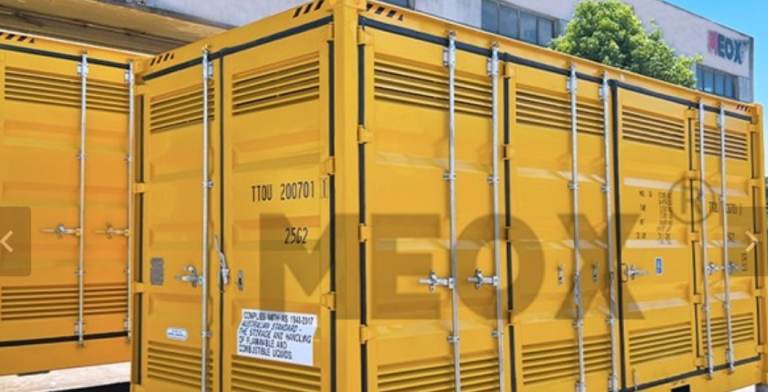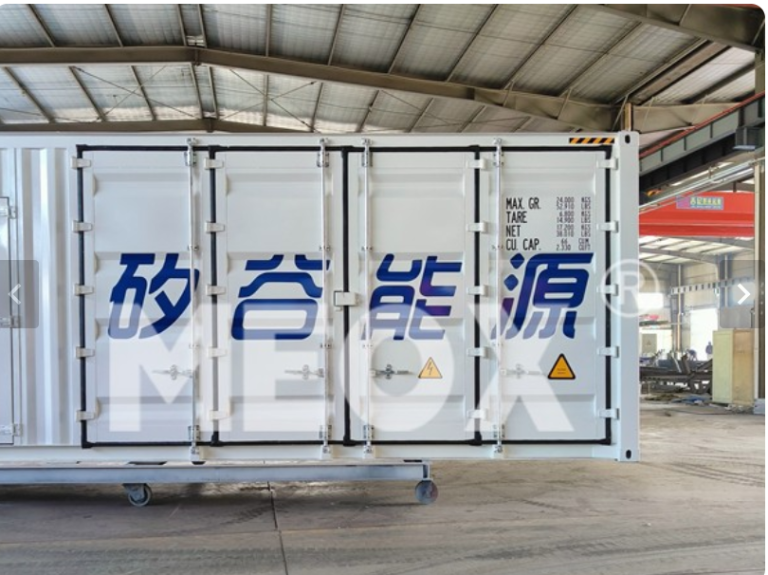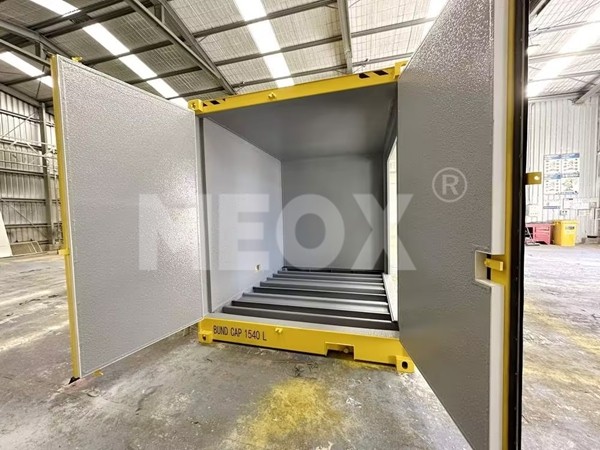
The global demand for adaptable and scalable water management solutions has never been more urgent. From disaster-stricken regions to isolated communities, containerized water treatment plants are redefining how societies address water scarcity and sanitation challenges. These modular systems, housed within standardized shipping containers, eliminate geographical and infrastructural barriers, delivering clean water and wastewater treatment capabilities wherever needed. By integrating advanced technologies into portable frameworks, they bridge the gap between immediate needs and long-term sustainability goals.

Flexibility Without Limits: Scalability of Containerized Sewage Treatment
The modular nature of containerized sewage treatment systems allows unparalleled adaptability. Unlike traditional infrastructure constrained by fixed designs, these units can be scaled to handle daily sewage volumes ranging from 100 to 10,000 tons. For instance, a single container might serve a temporary refugee camp, while interconnected units manage wastewater for entire towns. The purified water consistently meets environmental discharge standards, enabling safe reuse for irrigation or industrial processes. This scalability is achieved through prefabricated components that simplify expansion—additional containers are linked via standardized interfaces, reducing installation time by over 60%. The absence of size limitations ensures these systems grow alongside communities, avoiding the need for costly retrofits.
Rapid Response: Mobility of Containerized Wastewater Treatment Plants
Speed is critical in emergencies, and containerized wastewater treatment plants excel in rapid deployment. Their compact, containerized design enables transportation by truck, ship, or helicopter to remote or disaster-affected areas. Once onsite, commissioning requires minimal effort: operators connect inlet and outlet pipelines to pre-installed ports, and the system activates within hours. For example, during flood recovery operations, these plants restore sanitation services long before permanent infrastructure can be repaired. Reinforced side and bottom plates in the treatment sections withstand high water pressure and harsh conditions, ensuring uninterrupted operation. This mobility also benefits temporary projects, such as construction sites or seasonal tourism hubs, where conventional plants are impractical.
Cost-Effective Innovation: Design of Containerised Water Treatment Plants
Containerised water treatment plants (using British English spelling) prioritize efficiency without compromising performance. By integrating equipment into ISO-standard containers, manufacturers eliminate the need for extensive civil engineering. Structural optimizations—such as load-bearing analysis, corrosion-resistant coatings, and noise-reduction panels—ensure durability in diverse climates. The plug-and-play design slashes installation costs; users avoid expenses related to concrete foundations or complex piping networks. Additionally, insulation and heat dissipation features maintain operational stability in extreme temperatures, from desert heat to Arctic cold. These innovations make the technology accessible to low-budget municipalities and NGOs focused on sustainable development.
Eco-Conscious Engineering: Advancements in Containerized Wastewater Treatment
Modern containerized wastewater treatment systems combine automation with eco-friendly processes. Advanced membrane bioreactors (MBRs) and anaerobic digesters treat sewage while generating biogas for on-site energy recovery. Real-time sensors monitor parameters like pH, turbidity, and dissolved oxygen, automatically adjusting chemical dosing to optimize efficiency. Solar panels or hybrid power systems further reduce carbon footprints, cutting grid dependency by up to 90%. In ecologically sensitive areas, such as nature reserves or coastal zones, these plants minimize soil disruption and protect local biodiversity—a stark contrast to traditional methods requiring large-scale excavation.
Custom Solutions: Versatility of Containerised Sewage Treatment
No two projects are identical, and containerised sewage treatment systems thrive on customization. Engineers tailor configurations to specific needs: swapping ultraviolet disinfection modules for ozone generators, or adding sludge dewatering units for industrial applications. Load-bearing structures are reinforced for high-capacity scenarios, while compact designs prioritize space efficiency in urban settings. For arid regions, integration with desalination modules enables dual-purpose operation—simultaneously treating groundwater and seawater. This versatility extends to maintenance; components are easily accessed through removable panels, reducing downtime during repairs or upgrades.
FAQs About Containerized Water and Wastewater Solutions
How quickly can a containerized water treatment plant become operational after delivery?
Most units require 24–48 hours for setup. Pre-installed pipelines and automated controls allow “plug-and-play” activation, with minimal training needed for operators.
What materials ensure the longevity of containerized wastewater treatment plants in corrosive environments?
Stainless steel frameworks, fiber-reinforced polymer (FRP) tanks, and epoxy-coated surfaces resist corrosion from saltwater, chemicals, and prolonged moisture exposure.
Can these systems operate entirely off-grid?
Yes. Solar-powered units or hybrid energy systems enable off-grid operation, with biogas from anaerobic digestion providing supplementary fuel.
How is sludge managed in containerised sewage treatment units?
Sludge is dehydrated and sterilized within the system, producing inert solids safe for landfill or agricultural use. Some models convert sludge into biogas for energy recovery.
What safeguards prevent leaks in containerized wastewater treatment systems?
Double-walled containers, leak detection sensors, and pressure-testing during manufacturing ensure environmental safety. Containment basins further mitigate spill risks.