In today’s fast-paced global market, businesses demand logistics solutions that align with their unique operational needs. The rise of personalized shipping boxes and modified shipping containers has revolutionized how goods are transported, stored, and branded at scale. By embracing customization, wholesalers can enhance efficiency, reduce costs, and create a cohesive brand experience—even before products reach their destination.
Personalized Shipping Boxes: Branding at Scale
For wholesalers, personalized shipping boxes are more than just packaging—they’re a branding powerhouse. Unlike generic alternatives, these boxes can be tailored with company logos, color schemes, and even product-specific messaging. This level of customization transforms each delivery into a marketing opportunity, reinforcing brand identity across every touchpoint.
In wholesale operations, where orders are large and repetitive, personalized shipping boxes offer consistency and professionalism. Imagine a furniture distributor shipping hundreds of orders monthly: branded boxes not only protect items but also create a memorable unboxing experience. Additionally, customization can include functional elements like reinforced edges or compartmentalized interiors, ensuring products arrive intact.
The scalability of personalized shipping boxes makes them ideal for bulk orders. Suppliers often offer tiered pricing, allowing businesses to reduce per-unit costs as order volumes increase. This cost-efficiency, paired with branding benefits, positions these boxes as a strategic investment for wholesalers aiming to stand out in competitive markets.
Modified Shipping Containers: Flexibility in Bulk Transport
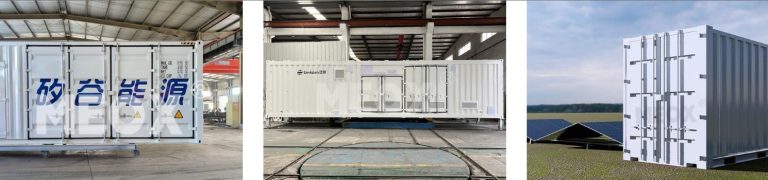
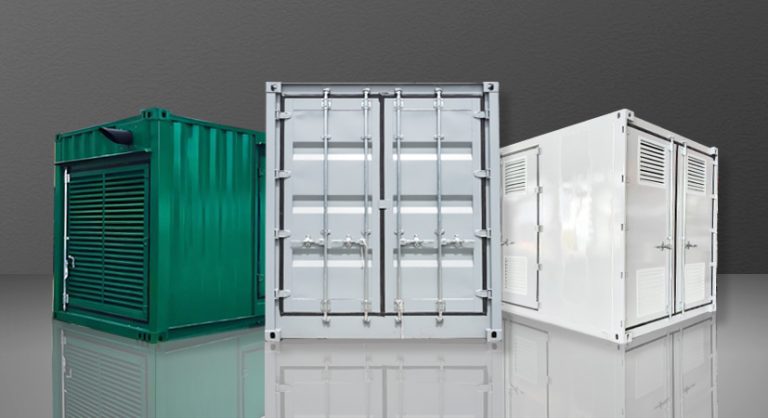
When it comes to moving goods in bulk, modified shipping containers are game-changers. These containers can be adapted to meet specific cargo requirements, whether it’s temperature control for perishables, ventilation for hazardous materials, or shelving systems for fragile items. For wholesalers dealing with diverse product lines, such modifications ensure safe and efficient transport.
Consider a food wholesaler shipping frozen goods internationally. A modified shipping container with integrated refrigeration units maintains optimal temperatures throughout the journey, preventing spoilage. Similarly, automotive parts distributors might use containers with adjustable racks to secure delicate components. The adaptability of these units minimizes damage risks and maximizes space utilization, directly impacting profitability.
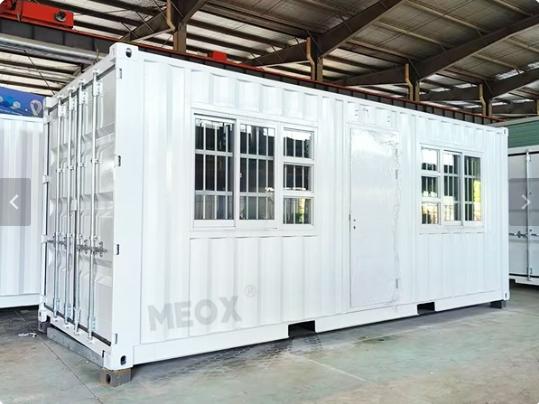
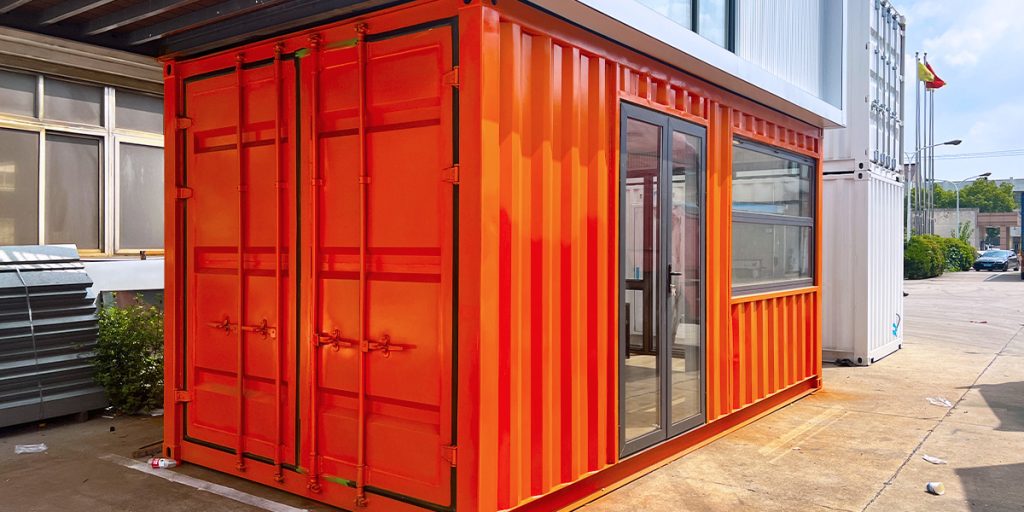
Moreover, modified shipping containers are not limited to transportation. Many wholesalers repurpose them as modular storage solutions at warehouses or pop-up distribution hubs. This dual functionality underscores their value in creating agile, cost-effective supply chains.
Customized Shipping Containers: Tailored Solutions for Diverse Cargo
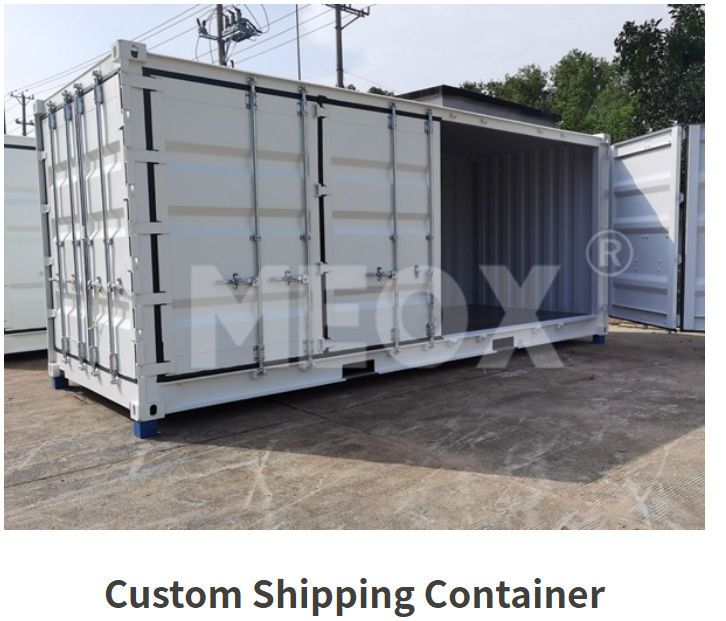
Beyond modifications, customized shipping containers take personalization to the next level. These containers are built from the ground up to address unique logistical challenges. For instance, a wholesaler of oversized machinery might commission containers with reinforced floors and hydraulic doors, while a pharmaceutical company could prioritize tamper-proof locks and climate monitoring systems.
The beauty of customized shipping containers lies in their ability to evolve with a business. As product lines expand or market demands shift, containers can be redesigned to accommodate new needs. This future-proofing capability is critical for wholesalers navigating dynamic industries.
Additionally, sustainability is a growing focus. Many customized shipping containers now incorporate eco-friendly materials or solar-powered features, aligning with corporate sustainability goals. By investing in tailored solutions, wholesalers reduce waste and operational carbon footprints—a win for both the bottom line and the planet.
Integrating Personalized Shipping Boxes and Modified Shipping Containers for Seamless Operations
The true power of customization emerges when personalized shipping boxes and modified shipping containers work in tandem. Picture a high-volume electronics wholesaler: products are securely packed in branded boxes, which are then loaded into containers equipped with anti-static linings and shock-absorbent flooring. This integration ensures products are protected and promotions are visible at every stage—from warehouse shelves to client doorsteps.
Such synergy streamlines operations. For example, personalized shipping boxes designed to fit precisely within modified shipping containers eliminate wasted space, reducing shipping costs. Meanwhile, cohesive branding across packaging and transport vehicles reinforces professionalism and trust.
FAQs :Personalized Shipping Boxes and Modified Shipping Containers
1. How do personalized shipping boxes benefit wholesalers compared to generic packaging?
Personalized shipping boxes enhance brand visibility, improve unboxing experiences, and offer functional customization (e.g., reinforced structures). For wholesalers, they also reduce long-term costs through bulk pricing tiers.
2. What industries benefit most from modified shipping containers?
Industries like food and beverage, pharmaceuticals, automotive, and construction gain from modified shipping containers, which address needs like temperature control, safety, and specialized storage.
3. Can customized shipping containers be reused for different purposes?
Absolutely. Many wholesalers repurpose customized shipping containers as temporary warehouses, retail pop-ups, or even office spaces, maximizing ROI.
4. Are personalized shipping boxes environmentally friendly?
Many suppliers offer eco-friendly materials (e.g., recycled cardboard) and biodegradable inks, allowing wholesalers to align branding with sustainability goals.
5. How do I choose between modified shipping containers and fully customized shipping containers?
Start by assessing cargo needs. Modified shipping containers are ideal for minor adjustments, while customized shipping containers suit highly specialized requirements. A logistics partner can help evaluate cost-benefit ratios.