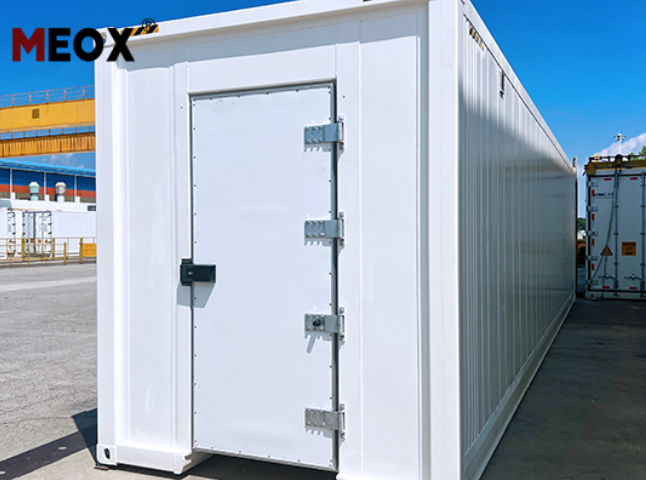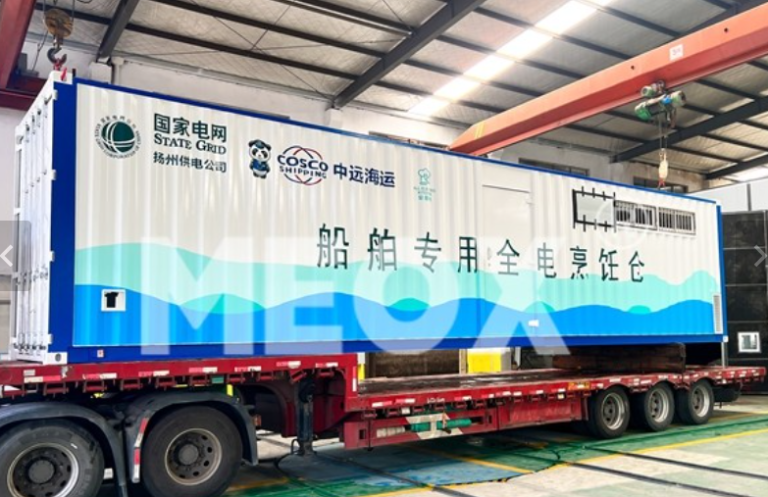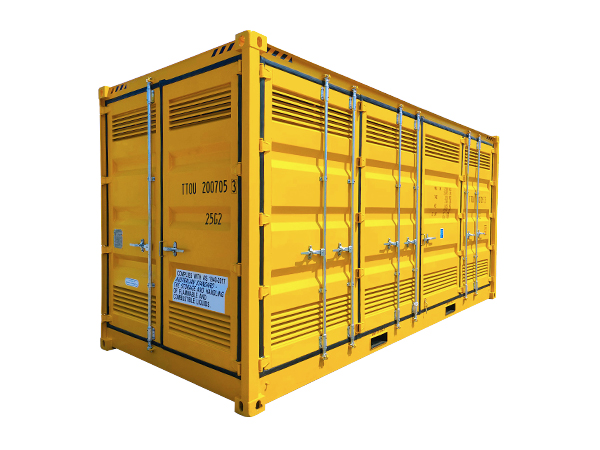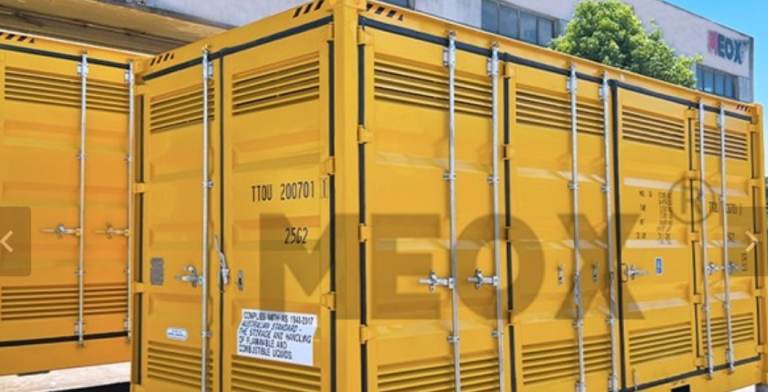
The global shift toward renewable energy and grid resilience has made container energy storage system a cornerstone of modern power infrastructure. For wholesalers, developers, and utility providers, containerised battery storage offers a scalable, cost-effective solution to balance energy supply and demand. This article breaks down the financial and operational advantages of container battery energy storage system, focusing on upfront costs, long-term savings, and scalability for large-scale projects.

The Economic Advantages Of Containerised Battery Storage For Wholesale Operations
Containerised battery storage systems are pre-engineered, modular units that slash upfront costs compared to traditional bespoke energy storage installations. By standardizing components like lithium-ion batteries, inverters, and thermal management systems, wholesalers can achieve economies of scale. For example, a solar farm developer in Arizona reduced installation costs by 25% using container battery energy storage system instead of building onsite battery rooms.
These systems also minimize labor expenses. Pre-assembled containers arrive “plug-and-play,” cutting installation time from months to weeks. Bulk purchasing further reduces per-unit costs—a critical advantage for wholesalers supplying utility-scale projects. Additionally, modular designs allow incremental expansion, enabling clients to scale storage capacity as demand grows without overhauling existing infrastructure.
Scalability And Modular Design In Container Energy Storage System
The modular nature of container energy storage system makes them ideal for wholesale deployments. Developers can deploy multiple units in parallel to meet gigawatt-hour (GWh) requirements, whether for grid stabilization, peak shaving, or renewable integration. For instance, a wind farm in Texas uses 20 interconnected containerised battery storage units to store excess energy during low-demand periods, selling it back to the grid at peak rates.
Modularity also future-proofs investments. Wholesalers can mix battery chemistries (e.g., lithium-ion and flow batteries) within the same container fleet to optimize performance and costs. This flexibility is unmatched by fixed installations, which often lock buyers into a single technology.
Moreover, as battery technology advances, modular systems allow for easy upgrades or replacements without overhauling the entire infrastructure. Wholesalers can seamlessly integrate newer, more efficient battery types into their existing fleet, ensuring they always benefit from the latest advancements in energy storage. This
Long-Term Financial Benefits Of Container Battery Energy Storage System
While the initial investment in container battery energy storage system is significant, the long-term savings are compelling. These systems reduce reliance on fossil-fuel peaker plants, which are expensive to operate and maintain. A California utility company reported a 40% reduction in peak energy procurement costs after integrating containerised battery storage into its grid.
Operational savings also stem from reduced maintenance. Containerized units are designed for harsh environments, with built-in climate control and fire suppression systems. Predictive maintenance software further lowers downtime by flagging issues before they escalate. Over a 15-year lifespan, wholesalers can achieve a return on investment (ROI) of 8–12%, depending on energy market dynamics.
Additionally, the modular design of containerized units allows for easy upgrades and scalability, adapting to changing energy needs without the need for significant overhauls. This flexibility ensures that operations remain efficient and cost-effective in the long run. Furthermore, the integration of smart sensors and IoT technology enhances real-time monitoring, enabling quicker response times to potential issues and further optimizing operational efficiency.
Operational Efficiency And Maintenance Costs Of Container Energy Storage System
Container energy storage system simplify maintenance through centralized, standardized designs. Unlike scattered battery arrays, these units consolidate all components—batteries, inverters, transformers—into a single, climate-controlled environment. This reduces wear from temperature fluctuations and dust, extending equipment lifespans by up to 20%.
For wholesalers, standardized components mean easier repairs and replacements. A damaged battery module in a containerised battery storage unit can be swapped out in hours, whereas fixing a custom-built system might take days. Remote monitoring tools also enable real-time diagnostics, cutting travel costs for technicians.
FAQ:Containerised Battery Energy Storage System Of Addressing Key Questions
How do container battery system reduce upfront costs for wholesalers?
Pre-engineered container battery energy storage system eliminate custom design fees and streamline installation. Bulk purchasing of standardized units further lowers per-kWh costs.
What makes containerised storage scalable for large projects?
Modular designs allow wholesalers to deploy multiple units in parallel. Capacity can be expanded incrementally, avoiding oversized initial investments.
Are container energy storage systems durable in harsh environments?
Yes. Built to withstand extreme temperatures, humidity, and vibrations, container battery energy storage system units use marine-grade materials and advanced thermal management.
How do maintenance costs compare to traditional energy storage?
Centralized systems reduce maintenance labor by 30–50%. Predictive analytics and modular components minimize downtime and repair expenses.
Can container battery systems integrate with renewable energy sources?
Absolutely. Container energy storage system are often paired with solar or wind farms to store excess energy and smooth grid integration.
For wholesalers and large-scale developers, container battery energy storage systems are not just a technological innovation—they’re a financial imperative. From slashing upfront costs to enabling scalable, low-maintenance operations, these systems deliver ROI that traditional installations struggle to match. As energy markets evolve, containerised battery storage will remain a linchpin of sustainable, cost-effective power solutions.