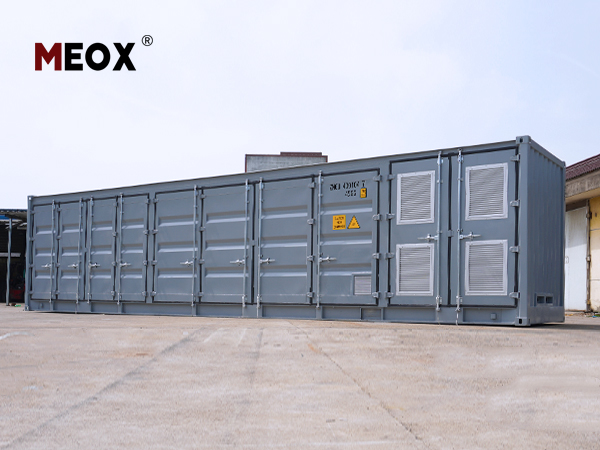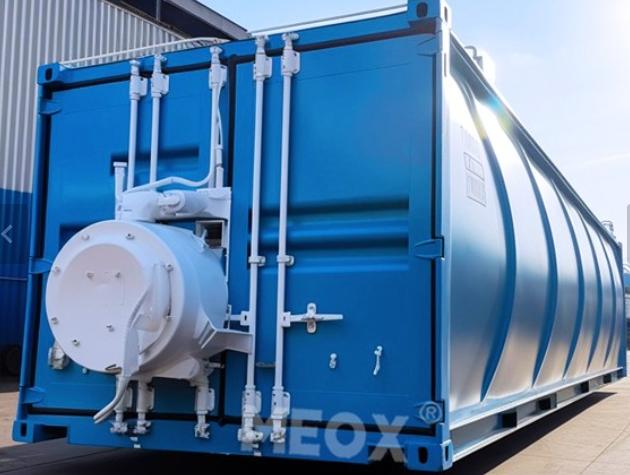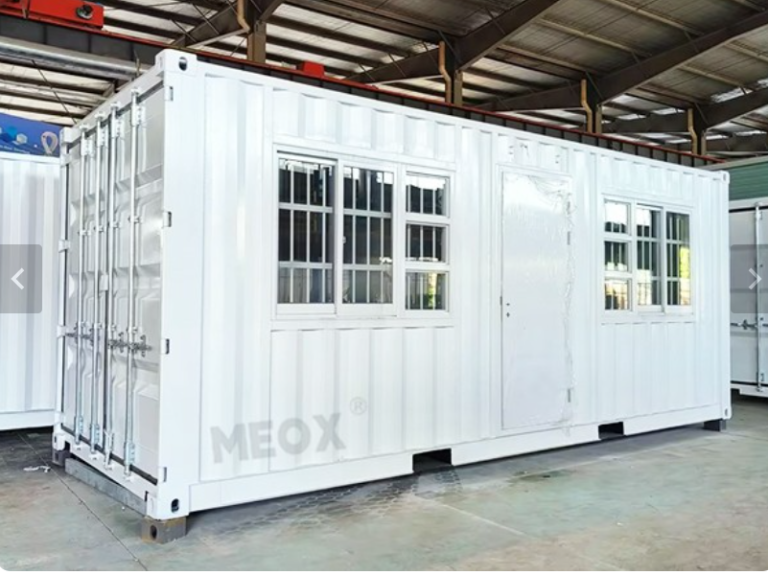
The architectural landscape is witnessing a radical transformation as shipping container homes evolve from utilitarian solutions to symbols of luxury and innovation. This shift is particularly pronounced in the wholesale sector, where manufacturers are redefining prefabricated construction through cutting-edge design, premium materials, and scalable production. As demand grows for sustainable yet opulent living spaces, the wholesale market for luxury shipping container homes is booming, driven by businesses seeking turnkey solutions for high-end residential, hospitality, and commercial projects. This article explores how design innovation is elevating shipping crate homes into the realm of luxury, reshaping perceptions of modular construction worldwide.
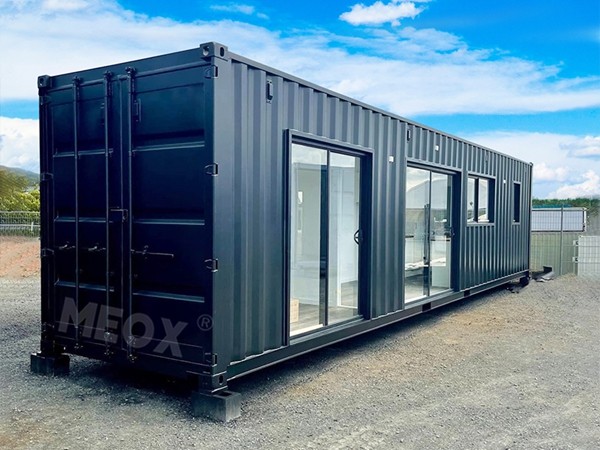
Shipping Container Homes for Sale: The Wholesale Advantage
The wholesale market for shipping container homes for sale prioritizes volume, customization, and partnership-driven projects. Bulk purchasing unlocks significant advantages:
· Mass Customization: Manufacturers leverage digital modeling to tailor layouts, finishes, and structural reinforcements across dozens of units simultaneously.
· Streamlined Logistics: Integrated suppliers handle everything from modular fabrication to site assembly, minimizing project timelines.
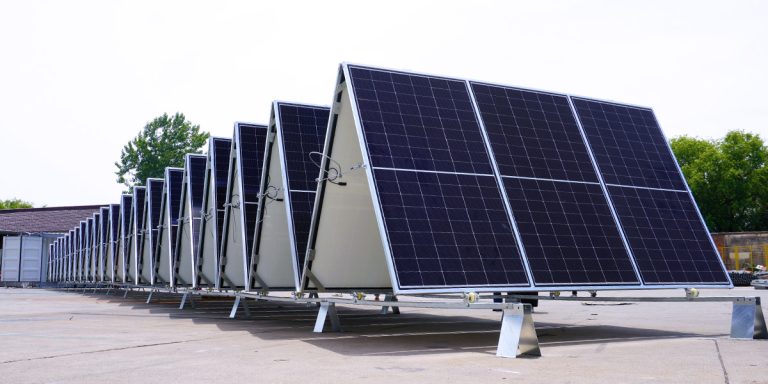
·Scalable Sustainability: Bulk production optimizes material usage, reducing waste while incorporating energy-efficient systems like solar panels or greywater recycling.
Companies specializing in wholesale, such as Suzhou Zhongnan Intelligent Equipment Co, Ltd., exemplify this approach. As a manufacturing enterprise primarily engaged in designing and producing special and standard containers, they combine advanced fabrication facilities with engineering expertise. Their capabilities allow bulk buyers to commission everything from standardized shipping crate homes to climate-specific or structurally reinforced units for extreme environments, all backed by rigorous quality control.
Designing Luxury Shipping Container Homes: Beyond the Basics
Transforming steel boxes into luxury shipping container homes demands architectural ingenuity and premium execution. Key innovations include:
·Spatial Reconfiguration: Strategic stacking and cantilevering create double-height ceilings, rooftop terraces, and interconnected multi-container layouts that defy the “box” stereotype.
· High-End Material Integration: Designers incorporate imported hardwood flooring, quartz countertops, and thermally modified timber cladding to elevate aesthetics and durability.
·Climate Control Mastery: Advanced insulation systems—like spray-applied aerogel or vacuum panels—maintain comfort in deserts or alpine settings without compromising interior space.
·Smart Luxury: Integrated home automation manages lighting, security, and energy use via, while panoramic glazing systems with switchable privacy glass merge indoor/outdoor living.
These design leaps transform shipping crate homes into aspirational assets.
The Rise of Shipping Crate Homes in Commercial and Hospitality
Luxury shipping container homes are no longer confined to residential use. Wholesale orders increasingly serve commercial sectors:
· Boutique Hospitality: Resorts deploy shipping container homes for sale as premium villas with private pools, leveraging rapid on-site assembly to open revenue-generating units in weeks.
· Office Pop-Ups: Brands use custom-designed containers as temporary flagship stores or co-working hubs, with high-gloss finishes and modular utilities.
·Emergency & Medical Facilities: Manufacturers produce specialized shipping crate homes with medical-grade ventilation and plumbing for mobile clinics or disaster-relief housing.
· Hybrid Developments: Mixed-use projects combine containers with luxury apartments, creating walkable communities where form meets function.
This commercial pivot thrives on wholesale flexibility. A single order might include varied configurations—some units optimized for café kitchens, others for spa suites—all fabricated concurrently. Manufacturers pre-install electrical, plumbing, and systems during production, enabling plug-and-play deployment.
FAQs: Luxury Shipping Container Home Wholesale Insights
What defines a luxury shipping container home?
Beyond premium finishes, true luxury lies in performance: structural integrity for multi-story stacking, acoustic isolation between units, and climate resilience. Commercial-grade windows, hidden utility conduits, and smart home integration are standard in wholesale high-end models.
How customizable are wholesale shipping crate home orders?
Wholesale buyers can specify everything from exterior corten steel cladding to bespoke floor plans. Manufacturers offer catalog templates or fully custom designs, with options for curved roofs, retractable walls, and embedded technology.
Are shipping crate homes structurally safe for permanent use?
Absolutely. Reputable manufacturers reinforce units with steel I-beams, seismic bracing, and corrosion-resistant treatments. Engineering certifications ensure compliance with international building codes for wind, snow, and seismic loads.
What delivery timelines apply to shipping crate homes bulk orders?
Standard wholesale projects ship in weeks. Timelines depend on complexity—a unit resort with pools and decks may take weeks. Factory completion minimizes on-site work to weeks per cluster.
Can shipping crate homes appreciate in value like traditional properties?
Yes, especially when designed with timeless materials and innovative layouts. High-end finishes and energy efficiency boost resale value, particularly in eco-conscious markets.
The wholesale revolution in luxury shipping container homes marks a paradigm shift in how we conceive, build, and inhabit spaces. Manufacturers are no longer simply selling modified steel boxes; they’re delivering architecturally sophisticated, sustainable structures that challenge conventional construction. As shipping crate homes evolve into coveted assets for developers and businesses alike, the fusion of industrial pragmatism and bespoke luxury redefines possibility. For bulk buyers, this isn’t just a purchase—it’s an investment in the future of design, where innovation, efficiency, and elegance coexist within the walls of a reinvented container. The next chapter of modular architecture isn’t coming; it’s already being unloaded from the factory floor.