Shipping container farm—including compact container farm setups and climate-controlled shipping container greenhouse units—have revolutionized urban agriculture by enabling year-round, water-efficient crop growth in limited spaces. At the heart of these systems is hydroponics: a soil-free growing method that delivers nutrients directly to plant roots via water, cutting water use by 90% vs. traditional farming. For wholesalers serving urban farmers, restaurants, or research institutions, partnering with a manufacturer that integrates optimized hydroponic systems into shipping container farm designs is essential. Suzhou Zhongnan Intelligent Equipment Co, Ltd., a leading special container manufacturer with complete production equipment and professional design teams, specializes in custom container farm units (tailored to hydroponic needs) that include nutrient delivery systems, lighting, and climate control. Their ability to adapt units to grow leafy greens, herbs, or microgreens makes them a trusted bulk partner for wholesalers globally.
Core Hydroponic Systems for Shipping Container Farm
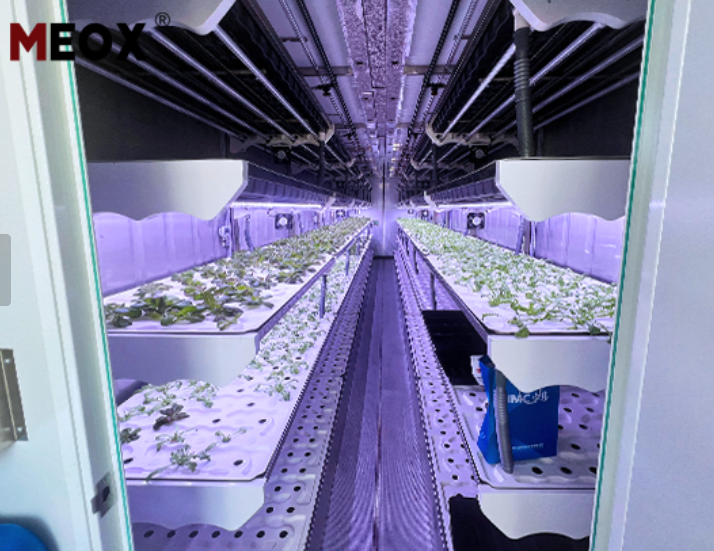
- Nutrient Film Technique (NFT) for Leafy Greens in Container Farm: The Nutrient Film Technique (NFT) is ideal for container farm growing leafy greens (lettuce, spinach) and herbs (basil, mint). In this system, a thin film of nutrient-rich water flows continuously over the roots (held in sloped gullies), delivering oxygen and nutrients while preventing waterlogging. Suzhou Zhongnan’s shipping container farm designs optimize NFT with food-grade PVC gullies (easy to clean and sanitize) and variable-speed pumps that adjust flow based on crop stage. For example, a shipping container greenhouse using NFT can grow 200+ heads of lettuce per week in a 20ft container, with water recycled 95% of the time.
- Deep Water Culture (DWC) for Fast-Growing Crops in Shipping Container Greenhouse: Deep Water Culture (DWC) is used in shipping container greenhouse units for fast-growing crops like microgreens or strawberries. In DWC, plant roots are suspended in a deep tank of oxygenated, nutrient-rich water—air stones keep the water oxygenated, ensuring roots stay healthy. Suzhou Zhongnan’s container farm DWC systems include insulated tanks (to maintain consistent water temperature, 18–22°C) and automated nutrient dosing pumps (to keep nutrient levels precise). A shipping container farm with DWC can harvest microgreens in 7–10 days (vs. 2–3 weeks in soil) and reuse water for up to 4 crop cycles. For wholesalers, DWC caters to clients needing quick turnarounds, such as restaurant suppliers or farmers’ market vendors.
Climate and Nutrient Control in Container Farm Hydroponics
- Temperature and Humidity Regulation for Shipping Container Greenhouse: Shipping container greenhouse units require precise climate control to support hydroponic crops—Suzhou Zhongnan integrates HVAC systems (heating, ventilation, air conditioning) and dehumidifiers that maintain 20–25°C (daytime) and 16–18°C (nighttime) temperatures, plus 50–60% humidity. These systems are linked to sensors that automatically adjust settings: if humidity rises above 65%, dehumidifiers activate to prevent mold growth (a common risk in closed hydroponic environments). For a container farm growing tropical herbs (e.g., cilantro), Zhongnan adds radiant floor heating to keep root zone temperatures stable, even in cold climates. This climate control ensures year-round growth—critical for shipping container farm in regions with harsh winters or hot summers.
- Automated Nutrient Management for Shipping Container Farm: Hydroponic success depends on precise nutrient levels, so Suzhou Zhongnan’s shipping container farm units include automated nutrient management systems. These systems monitor pH (ideal range: 5.5–6.5 for most crops) and electrical conductivity (EC, measuring nutrient concentration) in real time, adding pH adjusters or nutrient solutions via programmable pumps. For example, a container farm growing tomatoes will have EC set to 2.0–2.5 mS/cm (higher for fruiting crops), while leafy greens use 1.2–1.8 mS/cm. Zhongnan also provides pre-formulated nutrient blends (tailored to crop type) for wholesalers to offer clients, eliminating the guesswork of nutrient mixing. This automation reduces labor costs and ensures consistent crop quality—key for clients scaling their shipping container greenhouse operations.
Hydroponic Crop Suitability for Shipping Container Farm Types
| Shipping Container Farm Type | Ideal Hydroponic Crop | Key System Feature | Suzhou Zhongnan Design Advantage | Wholesaler Value |
| Container Farm (Leafy Greens/Herbs) | Lettuce, basil, spinach | NFT system; low EC nutrient control | Food-grade gullies; easy-to-clean tanks | High yield for high-demand crops |
| Shipping Container Greenhouse (Fruiting) | Tomatoes, strawberries, peppers | DWC + trellis systems | Automated pH adjustment; EC monitoring | Caters to high-value fruiting crops |
| Container Farm (Microgreens) | Radish shoots, kale microgreens | Shallow DWC; LED lighting (16hr/day) | Quick-drain tanks; seed tray holders | Fast harvests for short-cycle clients |
| Shipping Container Greenhouse (Research) | Experimental crops, medicinal herbs | Customizable NFT/DWC; data logging | Modular systems; sensor integration | Appeals to universities, research labs |
Water Conservation and Sustainability in Container Farm Hydroponics
- Closed-Loop Water Systems for Shipping Container Farm: Shipping container farm hydroponics are inherently sustainable, but Suzhou Zhongnan enhances this with closed-loop water systems—water used in NFT or DWC is filtered (via sediment and carbon filters) and recirculated back to the nutrient tank, with only 5–10% lost to evaporation or plant uptake. For example, a container farm using 100 liters of water per day for lettuce will only need to add 5–10 liters of fresh water daily, vs. 1,000 liters for a traditional soil-based lettuce farm. Zhongnan also adds rainwater collection ports to shipping container greenhouse roofs (for areas with reliable rainfall), further reducing reliance on tap water. This water efficiency is a major selling point for wholesalers: clients save on water bills and meet sustainability goals, appealing to eco-conscious consumers.
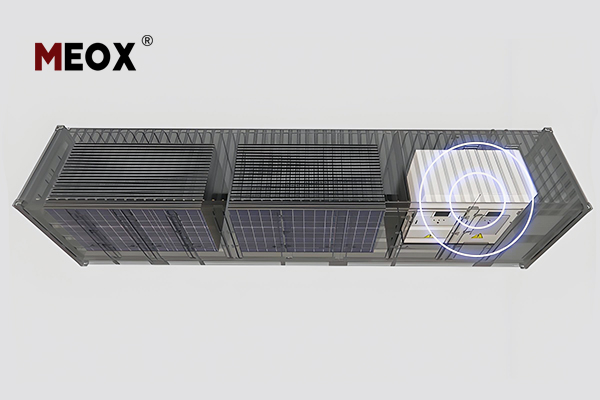
- Energy-Efficient Lighting for Shipping Container Greenhouse: Shipping container greenhouse units use LED grow lights (instead of traditional HPS lights) to reduce energy use—Zhongnan’s LEDs emit specific light spectrums (red/blue for vegetative growth, full spectrum for flowering) and use 50–70% less energy than HPS. These lights are mounted on adjustable racks (to vary height as crops grow) and programmed to run 12–16 hours per day (mimicking natural sunlight). For a shipping container farm operating off-grid, Zhongnan integrates solar panels (mounted on the container roof) that power LEDs and nutrient pumps, making the unit fully self-sustaining. This energy efficiency lowers operating costs and reduces carbon footprints—critical for clients marketing their hydroponic crops as “sustainable” or “carbon-neutral.”
Shipping Container Farm FAQS
How Much Space Does a Container Farm Need for Hydroponic Operations?
Suzhou Zhongnan’s container farm units use vertical growing to maximize space: a 20ft unit (standard size) can fit 3–4 vertical tiers, growing 200–400 plants (leafy greens) or 50–100 fruiting plants (tomatoes). Shipping container greenhouse units (often 40ft) can double that capacity, with room for additional climate control equipment. For wholesalers, this compact size is a key advantage: clients can set up container farm in urban lots, parking spaces, or even indoors (e.g., warehouse basements), eliminating the need for large farmland.
Can a Shipping Container Greenhouse Hydroponic System Be Customized for Specific Crops?
Absolutely—Suzhou Zhongnan customizes shipping container greenhouse hydroponic systems to crop needs: for root crops (e.g., carrots), they add deeper DWC tanks; for vining crops (e.g., cucumbers), they integrate trellis systems and higher EC nutrient control. A wholesaler’s client growing medicinal herbs (requiring strict pH levels) can get a container farm with advanced pH monitoring and custom nutrient blends. This customization lets wholesalers cater to niche markets, from specialty herb growers to pharmaceutical research labs.
How Much Maintenance Does a Shipping Container Farm Hydroponic System Require?
Zhongnan’s automated systems minimize maintenance: daily tasks include checking water levels and harvesting crops (1–2 hours/day for a 20ft unit), while weekly tasks involve cleaning filters and calibrating sensors (2–3 hours/week). Monthly maintenance includes sanitizing tanks and replacing nutrient solutions (4–5 hours/month). For wholesalers, this low maintenance is a selling point: clients don’t need extensive farming experience to run a shipping container greenhouse, making hydroponics accessible to new growers.
Is a Container Farm Hydroponic System Profitable for Small-Scale Operators?
Yes—container farm hydroponic systems have fast ROI (return on investment): a 20ft unit growing lettuce can generate $2,000–$3,000/month in revenue (selling to restaurants or retailers) and recoup costs in 12–18 months. Suzhou Zhongnan’s bulk pricing for wholesalers also lowers upfront costs, making shipping container farm accessible to small-scale operators. For wholesalers, this profitability means repeat clients—many start with one unit and expand to multiple container farm as their business grows.
Can a Shipping Container Farm Hydroponic System Operate Off-Grid?
Yes—Suzhou Zhongnan designs off-grid shipping container farm units with solar panels (to power LEDs and pumps), rainwater collection systems (for water), and battery storage (for nighttime operation). These units are ideal for remote areas (e.g., disaster relief camps, rural communities) or clients wanting to reduce utility reliance. A wholesaler’s client in a remote region can run a container farm year-round without grid access, providing fresh produce to local populations.