Agriculture
The global agricultural industry relies on efficient, scalable solutions to move perishable and non-perishable goods across vast distances. At the heart of this logistical challenge are bulk containers, specialized tools designed to handle large volumes of produce, grains, and other agricultural commodities. These containers play a pivotal role in connecting farmers, wholesalers, and international markets, ensuring products reach their destinations intact and on time. This article explores how bulk containers optimize wholesale agricultural supply chains, reduce costs, and support sustainability.

Bulk Containers Revolutionize Wholesale Agricultural Logistics
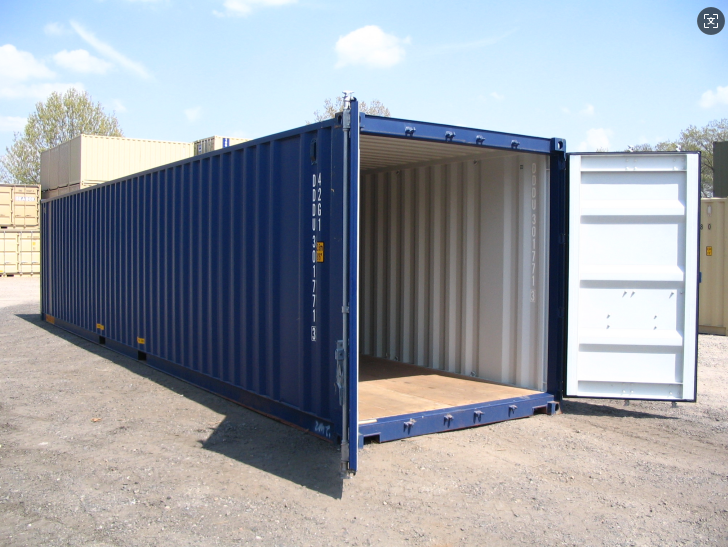
Bulk containers are engineered to streamline the transportation and storage of agricultural goods. Unlike traditional packaging, which often involves smaller, fragmented units, these containers consolidate products into single, standardized units. This reduces handling time, minimizes product damage, and simplifies loading and unloading processes. For example, grains like wheat or rice are often shipped in flexible intermediate bulk containers , which can hold up to 1,500 kilograms of material.
The standardization of bulk containers also improves compatibility with global shipping infrastructure. Containers designed to fit trucks, trains, and cargo ships ensure seamless transitions between transport modes. This interoperability is critical for wholesale distributors who manage cross-border shipments, where delays or mismatched equipment can lead to spoilage or financial losses.
Special Containers Address Unique Agricultural Needs
Wholesale agricultural supply chains demand scalability and cost-effectiveness—qualities that bulk containers deliver. By consolidating goods into larger units, businesses reduce packaging costs and labor requirements. For instance, a single bulk container can replace dozens of sacks or boxes, cutting material expenses by up to 30% in some cases.
Additionally, bulk containers enhance product preservation. Many are designed with features like UV resistance, moisture barriers, or ventilation systems to protect sensitive crops. This is especially vital for perishables such as fruits and vegetables, where extended shelf life directly impacts profitability. Wholesalers leveraging these containers report fewer losses due to spoilage, translating to higher margins and more reliable deliveries.
Container Special Innovations Drive Efficiency And Safety
Not all agricultural goods are the same, and neither are bulk containers. Special containers are customized to meet the unique needs of specific crops. For example:
Ventilated containers allow airflow to prevent mold in coffee beans or cocoa.
Temperature-controlled containers maintain optimal conditions for dairy or fresh produce during transit.
Liquid bulk containers transport oils, juices, or liquid fertilizers in secure, leak-proof tanks.
These container special designs ensure that even the most delicate products survive long journeys. Innovations like collapsible containers further optimize space during return trips, reducing empty shipping costs. By investing in special containers, wholesalers can cater to niche markets and expand their product offerings without compromising quality.
Moreover, advancements in refrigerated containers have revolutionized the transportation of perishable goods. These containers maintain optimal temperatures, ensuring fresh produce arrives at its destination in prime condition. The integration of IoT technology allows for real-time monitoring of conditions inside the containers, enabling swift action in case of any anomalies. Additionally, the use of eco-friendly materials in container manufacturing aligns with the growing trend of sustainable agriculture, reducing the environmental footprint of the supply chain.
Sustainability And Cost Savings Through Bulk Containers
The shift toward bulk containers aligns with growing sustainability goals in agriculture. Reusable containers, such as plastic or metal bins, minimize waste compared to single-use packaging. For instance, reusable bulk containers in the grain industry can be cycled hundreds of times, drastically cutting down on plastic or cardboard waste.
Wholesalers also benefit from significant cost efficiencies. Fewer packaging materials, reduced labor, and minimized spoilage collectively lower operational expenses. For example, a wholesale distributor switching to bulk containers for rice shipments reported a 35% reduction in losses due to pests or moisture damage. These savings enable businesses to reinvest in sustainable practices, such as solar-powered cold storage facilities.
FAQ: Common Questions About Bulk Containers In Agriculture
What types of bulk containers are most used in agriculture?
The most common include flexible intermediate bulk containers , grain silos, and ventilated bins. Liquid bulk tanks and refrigerated containers are also widely used for perishables.
How do bulk containers reduce costs for wholesalers?
They lower packaging expenses, decrease labor for loading/unloading, and minimize product losses through better preservation. Their reusability further cuts long-term costs.
What makes special containers suitable for perishable goods?
Special containers incorporate features like temperature control, ventilation, or humidity regulation to maintain product freshness during transit.
Are bulk containers environmentally friendly?
Yes. Reusable designs reduce waste, while optimized shipping lowers fuel use. Many containers are also made from recyclable materials.
Can bulk containers be used for both dry and liquid agricultural products?
Absolutely. Dry goods like grains use FIBCs or silos, while liquids are transported in tanks or food-grade containers designed to prevent contamination.
Bulk containers and special containers are transformative tools in global agricultural wholesale supply chains. They address logistical complexities, enhance product preservation, and align with sustainability imperatives. For wholesalers, adopting these solutions translates to competitive pricing, expanded market reach, and resilience in a rapidly evolving industry. As technology advances, container special innovations will continue to redefine efficiency, ensuring agriculture remains a cornerstone of global trade.