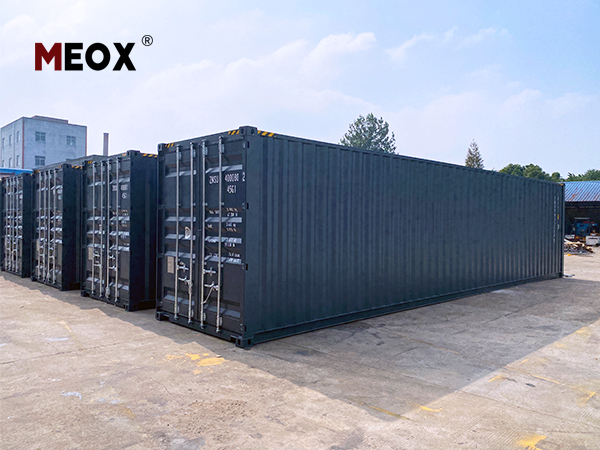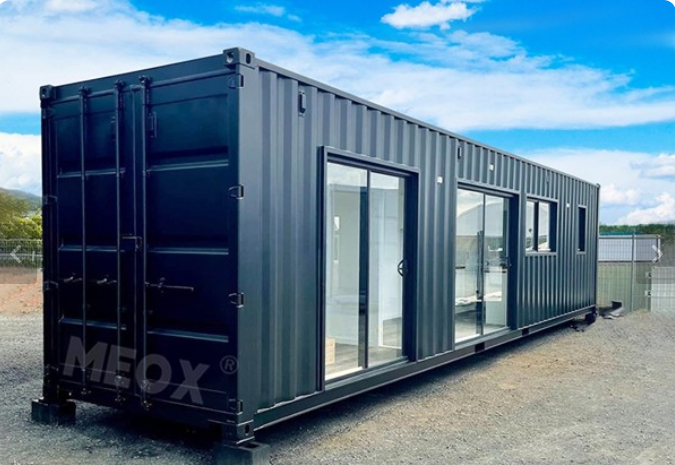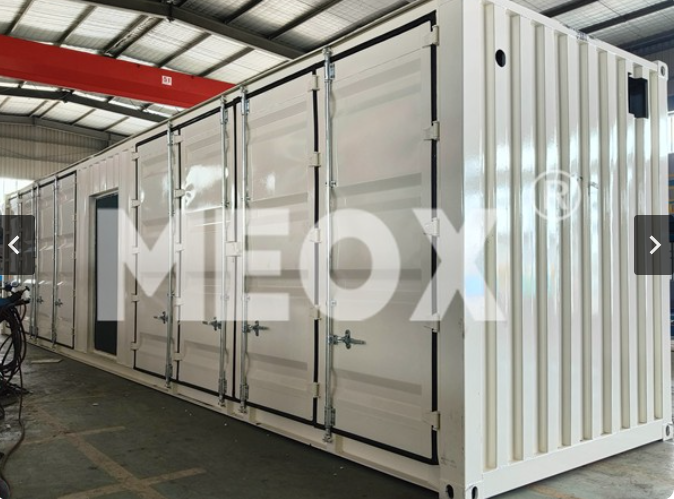
Tunnel containers (also known as double door shipping container) are a versatile choice for logistics, storage, and specialized operations, thanks to their dual-end door design that eases cargo loading/unloading. However, poor ventilation in these containers can lead to moisture buildup, mold growth, or stale air—threatening the quality of stored goods like pipes, coils, or sensitive equipment. Suzhou Zhongnan Intelligent Equipment Co., Ltd., a leading manufacturer of standard and special containers, specializes in designing tailored solutions for tunnel containers, leveraging professional teams and complete manufacturing equipment to ensure functionality and reliability. As a trusted partner for wholesalers, they craft ventilation systems that align with diverse industry needs. This article explores effective ventilation solutions for tunnel containers, highlighting how they preserve cargo integrity and enhance usability.
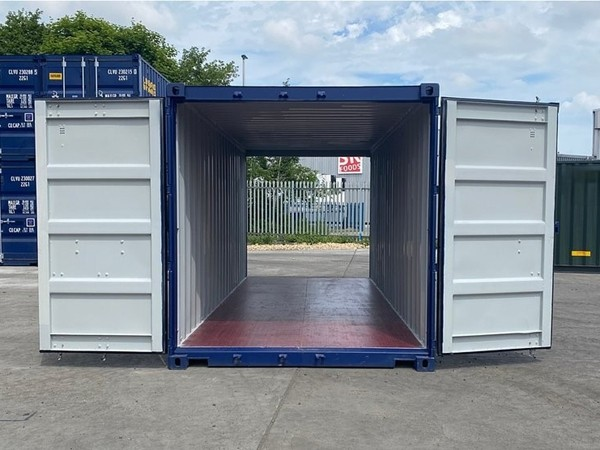
Types of Ventilation Systems for Double Door Container
- Passive Ventilation for Tunnel Containers: Passive ventilation systems for tunnel containers use strategically placed vents (e.g., louvered panels) at both ends near the double door container openings. This design capitalizes on cross-breeze—air flows in through one end’s vents and out the other, reducing stagnation. Ideal for dry climates or non-perishable cargo (like metal pipes), it requires no power, lowering operational costs. Wholesalers can emphasize this cost-effective option for clients prioritizing simplicity.
- Active Ventilation for Double Door Shipping Container: Active systems for double door shipping container include electric fans or exhaust units installed near the dual doors. These fans force air circulation, making them suitable for humid regions or cargo sensitive to moisture (e.g., coated coils). Suzhou Zhongnan’s active solutions often feature energy-efficient fans with low noise levels, ensuring they work seamlessly in industrial or residential-adjacent areas.
- Hybrid Ventilation for Tunnel Containers: A hybrid system combines passive vents with small, solar-powered fans for tunnel containers. It uses passive airflow when possible and switches to active ventilation during low-wind or high-humidity periods. This balance of efficiency and reliability makes it a top choice for wholesalers serving clients with variable climate needs, like those shipping goods across different regions.
Key Features of Ventilation for Double Door Shipping Container
- Cargo-Safe Design: Ventilation systems for double door shipping container prioritize cargo protection—vents are fitted with fine mesh screens to block dust, pests, or debris from entering while allowing air flow. For tunnel containers storing delicate goods (e.g., electronics), the mesh is often corrosion-resistant, preventing damage from salt air in coastal areas. This feature ensures ventilation doesn’t compromise cargo safety.
- Weather-Resistant Components: Vent panels and fans for double door container are built with durable materials (like galvanized steel or UV-resistant plastic) to withstand harsh conditions—rain, snow, or extreme temperatures. Louvered vents close automatically during heavy rain, preventing water ingress, while fan housings are sealed to avoid moisture damage. This durability extends the system’s lifespan, a key selling point for wholesalers.
- Easy Integration with Dual Doors: Ventilation solutions are designed to work seamlessly with tunnel containers’ dual-door structure—vents are placed to avoid interfering with door operation, and fans are mounted in non-obstructive locations. This ensures cargo can still be loaded/unloaded from both ends without removing or adjusting the ventilation system, maintaining the container’s core advantage.
Ventilation Solutions for Different Tunnel Containers Uses
| Tunnel Container Use Case | Ventilation Solution Benefit | Best Ventilation Type |
| Cargo Storage (Pipes/Coils) | Prevents moisture buildup that causes rust or corrosion. | Passive ventilation for tunnel containers. |
| Temporary Warehouse Conversion | Maintains fresh air for workers accessing both ends. | Active ventilation for double door shipping container. |
| Cross-Regional Shipping | Adapts to variable climates (dry/humid) during transit. | Hybrid ventilation for double door container. |
| Sensitive Goods Storage | Blocks pests/debris while ensuring consistent airflow. | Passive vents with mesh for tunnel containers. |
This table helps wholesalers match ventilation solutions to tunnel containers use cases, ensuring clients get tailored support for their specific cargo or operational needs.
Custom Ventilation Design for Double Door Container
- Tailored to Cargo Size: Suzhou Zhongnan designs ventilation systems based on double door container cargo—for large cylindrical goods like pipes, vents are placed higher to avoid blocking airflow around the cargo. For smaller items, lower vents ensure air circulates through the entire container, preventing stagnant pockets. This customization ensures no area is left unventilated.
- Adaptable to Environmental Needs: For double door shipping container used in extreme climates (e.g., tropical humidity or arctic cold), ventilation systems are modified—humid regions get extra exhaust fans to expel moisture, while cold areas use insulated vents to prevent heat loss. Wholesalers can offer this adaptability as a unique value proposition for clients in niche industries.
- Compliance with Industry Standards: Custom solutions meet industry-specific ventilation requirements—for example, tunnel containers used in food-grade storage have stainless steel vents that are easy to sanitize, while those for hazardous materials have explosion-proof fans. Suzhou Zhongnan ensures all designs align with global standards, giving wholesalers confidence in product compliance.
Tunnel Containers FAQS
Can Ventilation Systems Be Added to Existing Tunnel Containers?
Yes, ventilation solutions can be retrofitted to existing tunnel containers. Suzhou Zhongnan’s team assesses the container’s structure and drills vent holes (if needed) or mounts fans without damaging the dual-door system. This flexibility allows wholesalers to serve clients with existing container fleets, not just new purchases.
How Does Ventilation Affect the Security of Double Door Shipping Container?
Ventilation systems for double door shipping container don’t compromise security—vents are small (typically 4–6 inches) and fitted with tamper-proof mesh, preventing unauthorized access. Fans are locked in place, and all components are designed to resist forced entry, ensuring cargo remains safe while air circulates.
Do Active Ventilation Systems for Double Door Container Require Much Power?
No, active systems for double door container use low-wattage fans (often 12V or solar-powered) that draw minimal power. Solar options are ideal for off-grid use (e.g., remote warehouses), while grid-powered fans can be connected to the container’s electrical system. This energy efficiency keeps operational costs low for clients.
How Often Should Ventilation Systems for Tunnel Containers Be Maintained?
Passive systems for tunnel containers need quarterly checks to clear mesh screens of dust/debris, while active systems require monthly fan inspections. Suzhou Zhongnan provides maintenance guides to wholesalers, who can pass this knowledge to clients—simple upkeep ensures the system works reliably long-term.
Where Can Wholesalers Source Custom Ventilation for Double Door Shipping Container?
Suzhou Zhongnan Intelligent Equipment Co., Ltd. offers tailored ventilation solutions for double door shipping container, tunnel containers, and double door container models. Visit their website to explore their custom design capabilities and partner with a trusted manufacturer of container-specific ventilation systems.